Clara Shinta
Margaret Ryan, who served as the U.S. Securities and Exchange Commission’s (SEC) Director of the Division of Enforcement for just over six months, reportedly resigned last week following significant internal disagreements with the agency’s top leadership, including SEC Chair Paul Atkins, particularly concerning the handling of high-profile cases involving individuals with close ties to former U.S. President Donald Trump. Sources familiar with the matter, as reported by Reuters on Monday, indicate that Ryan advocated for more aggressive enforcement actions, including fraud and other charges, in specific investigations that were met with resistance from Atkins and other Republican political appointees. This internal discord highlights growing concerns about the potential for political influence to impact the independence and impartiality of the nation’s primary securities regulator, especially in a politically charged environment.
The Genesis of the Conflict: High-Profile Cases and Political Ties
The reported clashes between Director Ryan and the SEC’s senior echelon primarily centered on two prominent cases: investigations into crypto entrepreneur Justin Sun and Tesla CEO Elon Musk. Both individuals maintain connections to former President Trump, with Musk notably having served as a special White House adviser during the Trump administration. The proximity of these individuals to a former president, coupled with the nature of the alleged financial misconduct, appears to have amplified the internal tensions within the enforcement division, bringing into question the agency’s resolve to pursue actions against influential figures.
Margaret Ryan, a seasoned legal professional, assumed the demanding role of the SEC’s enforcement chief in September of the preceding year, stepping into a position critical for upholding market integrity and investor protection. Her tenure, however, was remarkably brief, concluding with her resignation on March 16. An official press release from the SEC on the day of her departure conspicuously omitted any detailed explanation for her sudden exit, fueling speculation about underlying issues. This lack of transparency only intensified the scrutiny already facing the SEC under Chair Atkins, particularly from Democratic lawmakers who have voiced strong criticism regarding what they perceive as a "U-turn" in the agency’s approach to crypto-related enforcement, often characterized by the dropping or settling of cases initiated during the tenure of former SEC Chair Gary Gensler. The SEC has not yet responded to requests for comment regarding these internal disputes, and Ryan could not be reached for a statement.
A Shifting Regulatory Landscape and Political Appointments
The U.S. Securities and Exchange Commission operates as an independent federal agency responsible for protecting investors, maintaining fair, orderly, and efficient markets, and facilitating capital formation. Its enforcement division is tasked with investigating potential violations of federal securities laws and recommending actions against individuals and entities found to be non-compliant. The effectiveness and credibility of the SEC are deeply rooted in its perceived independence from political pressures, ensuring that enforcement decisions are based solely on legal merits and evidence.
However, the leadership of the SEC, including the Chair and Commissioners, are political appointees. A change in presidential administration often brings a shift in regulatory philosophy and enforcement priorities. The transition from Chair Gensler, known for his assertive stance on crypto regulation and robust enforcement, to Chair Atkins, appointed under a different political climate, has undeniably marked a pivot. Under the Trump administration, there has been a noticeable shift in the SEC’s approach, with a reported tendency towards less aggressive enforcement in certain areas, particularly those involving emerging technologies like cryptocurrency, where regulatory clarity remains elusive. This shift has been a point of contention, with critics arguing that it could undermine investor protection and create an uneven playing field.
The Justin Sun Case: A Crypto Settlement Amidst Political Connections
One of the primary catalysts for the reported friction within the SEC was the enforcement action against Justin Sun, the founder of Tron and a prominent figure in the cryptocurrency space. The SEC’s lawsuit against Sun and three of his companies, initially filed in March 2023, alleged the unregistered offer and sale of securities through the TRX token and BTT token, along with manipulative wash trading activities. These are serious allegations that, if proven, could significantly impact market integrity.
Earlier this month, the SEC announced a settlement in the case, concluding its lawsuit against Sun and his entities with a $10 million penalty. Crucially, the settlement allowed Sun and his companies to neither admit nor deny the SEC’s allegations – a common practice in SEC settlements but one that can sometimes be perceived as a less definitive outcome compared to a full admission of wrongdoing. Sources suggest that Director Ryan had pushed for a more stringent resolution, potentially including admissions of guilt or more substantial penalties, given the perceived strength of the case.
The context of Sun’s ties to former President Trump adds another layer of complexity. In November 2024, Sun emerged as the largest investor in World Liberty Financial, a crypto project associated with the Trump family, by purchasing $30 million worth of its tokens. This stake was further increased to a total of $75 million by January 2025. This significant financial investment by a defendant in an ongoing SEC investigation into a project linked to the former President’s family raised eyebrows and fueled concerns about potential conflicts of interest or undue influence on regulatory outcomes. An SEC enforcement official, speaking to Reuters, reportedly acknowledged the complexities of the case, citing shifting crypto guidance and pending legislation as complicating factors. While this official suggested Ryan supported the settlement, her signature was notably absent from the final court documents, an unusual detail that further underscores the reported internal disagreements.
The Elon Musk Case: Disclosure Failures and Settlement Talks
The SEC’s case against Elon Musk, the CEO of Tesla and X (formerly Twitter), represented another significant point of contention. This lawsuit, initiated in January 2025 during the final week of former Chair Gensler’s tenure, accused Musk of failing to disclose his "beneficial ownership" of Twitter in early 2022. The SEC alleged that this failure allowed Musk to accumulate a substantial stake in the company at lower prices before publicly revealing his position, thereby potentially misleading other investors and circumventing disclosure rules designed to ensure market transparency.
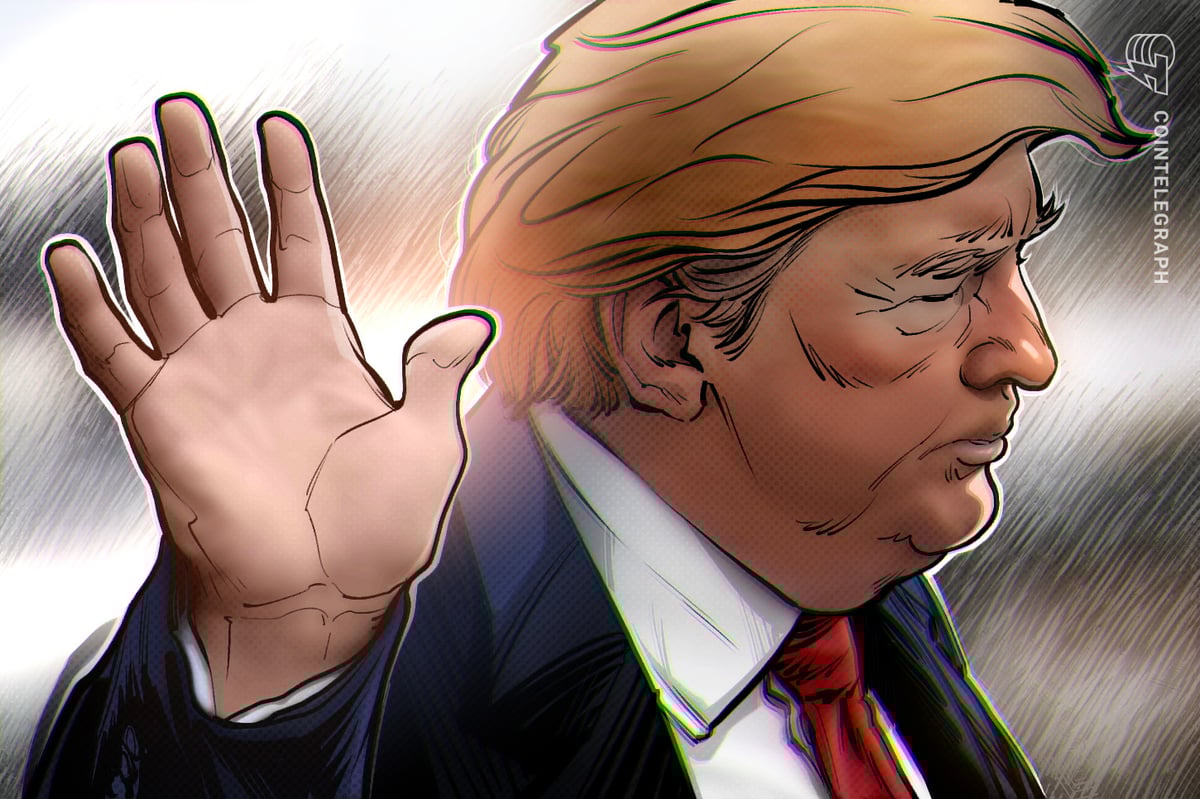
Musk’s connection to Donald Trump, having served as a special White House adviser, again brings the element of political proximity into focus. The SEC’s regulations on beneficial ownership and timely disclosure are fundamental to maintaining fair and informed markets. Lawyers closely following the lawsuits against both Sun and Musk reportedly believed the SEC had strong cases with a good chance of success in court, suggesting that a less aggressive pursuit or a lenient settlement might not fully align with the perceived merits of the allegations.
Just one day after Ryan’s resignation, on March 17, the SEC and Musk filed a joint court document indicating they were actively engaged in settlement discussions. This rapid progression towards a settlement, coming immediately after the departure of an enforcement director reportedly pushing for tougher actions, has been viewed by some as potentially indicative of a shift in the agency’s approach, possibly influenced by the new leadership’s directives.
Lawmaker Scrutiny and Calls for Regulatory Independence
The developments surrounding Ryan’s resignation and the handling of these high-profile cases have not gone unnoticed by Congress. Democratic lawmakers, in particular, have intensified their scrutiny of SEC Chair Paul Atkins, expressing concerns over the agency’s perceived "U-turn" on crypto enforcement. Critics argue that the dropping or settling of multiple cases initiated under Chair Gensler, especially those involving politically connected individuals, raises serious questions about the agency’s commitment to robust enforcement and its independence from political influence.
The SEC’s role is to act as a neutral arbiter, enforcing rules without fear or favor. Any perception that enforcement decisions are swayed by political considerations, personal relationships, or the public profile of defendants can severely erode public trust in the institution and undermine its effectiveness. Lawmakers have a vested interest in ensuring regulatory bodies remain impartial, as their credibility is paramount to maintaining stable and fair financial markets. Calls for greater transparency regarding the internal decision-making processes, especially in cases with political overtones, are likely to intensify.
Implications for Regulatory Independence and Market Integrity
The reported circumstances surrounding Margaret Ryan’s departure from the SEC carry significant implications for the future of securities enforcement and the perception of regulatory independence. If top enforcement officials are indeed clashing with political appointees over the pursuit of charges against individuals connected to powerful political figures, it suggests a dangerous precedent that could compromise the integrity of the regulatory process.
Such internal conflicts can lead to a "chilling effect" within the agency, where enforcement staff might become hesitant to pursue aggressive actions in politically sensitive cases for fear of internal resistance or career repercussions. This could, in turn, embolden market participants to push regulatory boundaries, knowing that high-level connections might offer a shield against full accountability.
Furthermore, the ambiguity surrounding cryptocurrency regulation adds another layer of complexity. While the SEC has been grappling with how to apply existing securities laws to digital assets, the perceived inconsistency in enforcement, particularly where politically connected individuals are involved, can create market uncertainty and undermine investor confidence. Investors rely on clear, consistent, and impartial enforcement to make informed decisions and to trust that the markets are fair.
The episode also highlights the broader challenge of maintaining non-partisan oversight in highly politicized environments. Regulatory agencies are designed to operate independently of the political whims of any single administration, acting as guardians of the public interest. Any signs of political interference in enforcement decisions raise fundamental questions about governance, accountability, and the rule of law.
Looking Ahead: The Path for the SEC
The SEC now faces the challenge of reaffirming its commitment to independent enforcement. The resignation of a key official under such circumstances demands a robust response to assuage concerns about political influence. For the agency to restore full confidence, especially among its own staff and the investing public, it may need to provide greater clarity on its enforcement priorities and decision-making processes, particularly in cases involving high-profile or politically connected individuals.
The evolving landscape of financial markets, particularly with the rapid growth of digital assets, requires a strong and consistent regulatory hand. The public and financial markets will be closely watching how the SEC navigates these challenges, ensuring that its actions are perceived as fair, impartial, and solely driven by the mission to protect investors and uphold market integrity. The integrity of the U.S. financial system depends on a regulatory framework that is free from political bias and unwavering in its commitment to justice.