Gilang Muhammad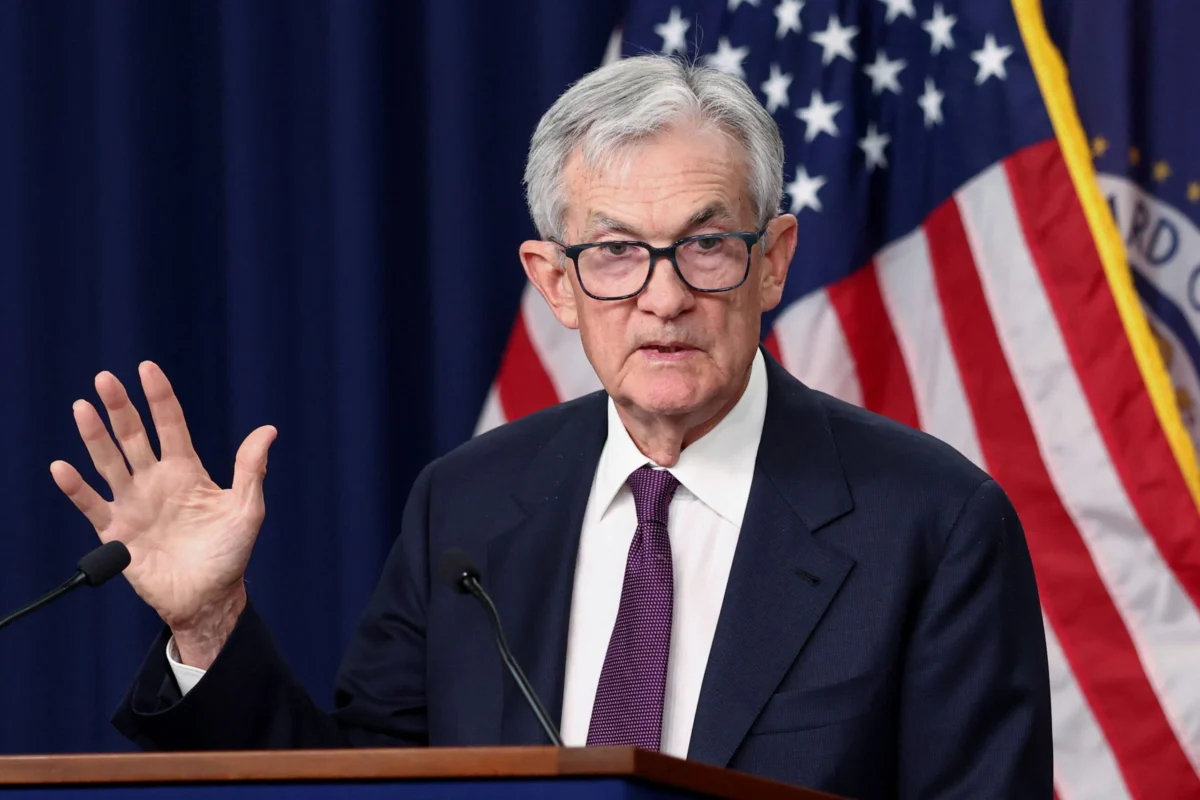
The Federal Reserve’s latest policy meeting, which concluded this week, delivered an unexpectedly optimistic economic assessment from Chair Jerome Powell, a perspective that ironically triggered a strong negative reaction from investors, effectively eliminating any remaining expectations for interest rate cuts in the current year. This abrupt recalibration in market sentiment underscores a deep divergence between the central bank’s forward-looking economic outlook and the prevailing anxieties of financial markets grappling with persistent inflation and escalating geopolitical instability.
A Surprising Dose of Optimism from the Fed
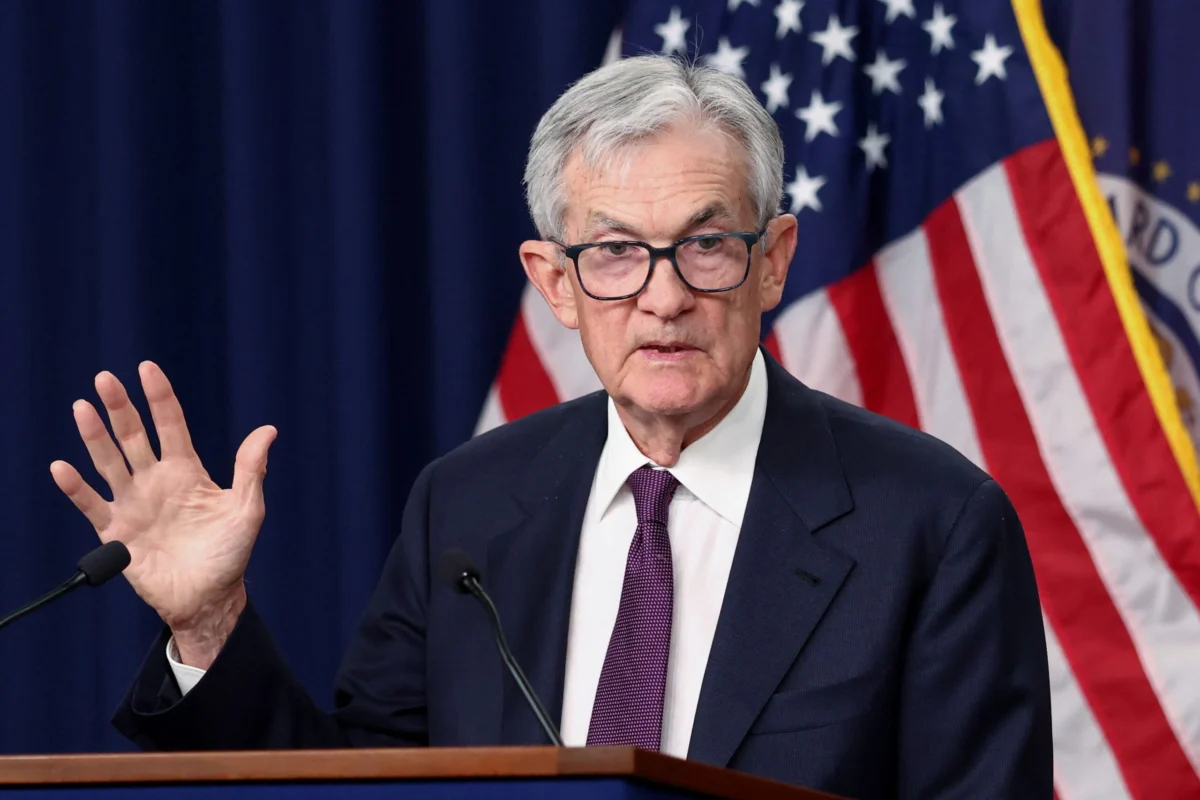
During his post-meeting news conference, Federal Reserve Chair Jerome Powell adopted an unmistakably upbeat tone regarding the current state of the U.S. economy. Despite acknowledging what he characterized as "zero" net job growth in recent months and inflation stubbornly remaining above the central bank’s long-term 2% target, Powell confidently described economic growth as "solid." He also firmly rejected any suggestions that the economy was succumbing to "stagflation," a debilitating combination of high inflation and stagnant economic growth reminiscent of the 1970s. This dismissal came even as some analysts pointed to rising energy prices and persistent supply chain issues as potential harbingers of such a scenario.
The Federal Open Market Committee (FOMC) statement, while generally aligning with Powell’s positive assessment, did include a subtle yet significant nod to "uncertainty" associated with the ongoing conflict in Iran. However, Chair Powell himself conspicuously avoided directly addressing the escalating hostilities in the Middle East during his public remarks. This apparent reluctance to engage with a major global flashpoint, combined with the Fed’s seemingly unwavering commitment to its current monetary policy stance, prompted investors to adopt a decidedly dim view of the prospects for any near-term easing of monetary policy.
Market Repercussions: A Swift and Negative Shift
Rather than finding reassurance in the central bank’s apparent optimism, financial markets reacted with palpable disappointment. Major stock indices, which had shown some resilience leading up to the announcement, moved sharply lower immediately following Powell’s comments. This downward trend extended into the following trading day, with equity index futures also registering significant losses by Thursday morning. The immediate fallout was stark: the S&P 500, a broad measure of U.S. stock market health, dipped by 1.8% on Wednesday, followed by a further 0.7% decline in early Thursday trading. The technology-heavy Nasdaq Composite fared even worse, shedding 2.5% as growth stocks, particularly sensitive to interest rate expectations, bore the brunt of the repricing.
The market’s recalibration was most evident in the fed funds futures markets, which provide a real-time gauge of investor expectations for the Fed’s benchmark interest rate. By 8:50 a.m. ET on Thursday, the probability of even a modest quarter-percentage-point reduction in the Fed’s benchmark interest rate by the end of the year had plummeted to a mere 17.2%, according to the CME Group’s widely followed FedWatch analysis. This represented a dramatic shift from just weeks prior, when traders had been pricing in a near 70% chance of at least one cut, and a substantial likelihood of two or even three cuts before year-end. Compounding the sense of unease, the probability of an actual rate hike even snuck up, rising to an uncomfortable 8.4%, a scenario that few had contemplated seriously just days before.
Chronology of Eroding Expectations
The trajectory of market expectations for Fed policy has been a volatile one throughout the year, marked by a series of adjustments influenced by incoming economic data and geopolitical developments:
- Early Year Optimism (January-February): Following a period of aggressive rate hikes in 2023, the start of the year saw widespread market consensus for multiple rate cuts in 2026, with the first expected as early as June. Robust disinflationary trends in late 2025 and early 2026, coupled with a perceived softening in the labor market, fueled these expectations. Traders were anticipating at least three, and potentially four, 25-basis-point cuts.
- Inflationary Headwinds Emerge (March): Subsequent inflation reports, particularly the Consumer Price Index (CPI) and Producer Price Index (PPI) data for February and early March, showed a worrying reacceleration. Core inflation metrics proved stickier than anticipated, and headline inflation was pushed higher by rising energy costs. This began to temper rate cut enthusiasm, pushing the expected start date for cuts further into the second half of the year.
- Geopolitical Tensions Escalate (Mid-March): The intensification of the conflict in the Middle East, particularly involving Iran, added another layer of complexity. Concerns about oil supply disruptions and broader economic instability began to filter into market forecasts, increasing the risk premium and making the Fed’s job of balancing inflation and growth even more challenging.
- The March FOMC Meeting (This Week): The culmination of these factors led to the current reassessment. The FOMC statement’s acknowledgment of "uncertainty" related to the Iran war, coupled with Powell’s overall optimistic economic outlook and his deliberate avoidance of direct commentary on the conflict, was interpreted by markets as a signal that the Fed was less concerned about the immediate need for stimulus and more focused on ensuring inflation returns to target, even if it meant a prolonged period of higher rates.
The "Taper Tantrum" Analogy: A Historical Echo
Veteran market strategist Ed Yardeni swiftly labeled the market’s reaction a "taper tantrum," drawing a potent analogy to previous periods of investor revolt against perceived tightening of Fed policy. The most notable "taper tantrum" occurred in 2013 when then-Fed Chair Ben Bernanke merely hinted at the possibility of scaling back the central bank’s quantitative easing program. Even the suggestion of reduced liquidity caused bond yields to spike and equity markets to tumble, illustrating the market’s acute sensitivity to any withdrawal of accommodative monetary policy.

"The combination of war and Fed news triggered a taper tantrum in the stock market as investors concluded that monetary policy may be limited in its ability to address the war’s economic consequences," Yardeni articulated in a note released late Wednesday. He further elaborated on the disconnect: "Indeed, Fed Chair Jerome Powell barely mentioned the war. Notably, he opined that the economy and labor markets are in good shape and that core inflation is likely to moderate in the coming months, implying the Fed will remain on pause for the foreseeable future." Yardeni’s analysis highlights the market’s perception that the Fed is either downplaying the economic risks of geopolitical events or feels constrained in its ability to respond, leaving investors to price in these risks themselves.
Economic Fundamentals and the Dual Mandate Challenge
The Federal Reserve operates under a "dual mandate" from Congress: to foster maximum employment and stable prices (i.e., control inflation). This week’s meeting underscored the persistent tension between these two objectives.
On the employment front, Powell’s acknowledgment of "zero" net job growth is a stark figure. While the unemployment rate has remained relatively low, hovering around 4.1% for several months, the stagnation in new job creation signals a cooling, if not contracting, labor market. Wage growth, while still positive, has also shown signs of moderating. Typically, such labor market softening would be a strong signal for the Fed to consider easing policy to stimulate employment.
However, inflation remains the primary sticking point. Core Personal Consumption Expenditures (PCE) inflation, the Fed’s preferred measure, has stubbornly hovered around 2.8% to 3.0% annually, still significantly above the 2% target. Headline CPI, pressured by surging energy costs, has been even higher, recently hitting 3.5%. The resurgence of energy prices, with benchmark crude oil nearing $100 a barrel amidst Middle East tensions, threatens to embed higher inflation expectations and potentially trigger a broader rise in prices across goods and services.
Powell’s dismissal of "stagflation" fears, while intended to reassure, clashes with the anxieties of some economists. Stagflation, characterized by high inflation, high unemployment, and slow economic growth, is a particularly challenging environment for central banks. While the current unemployment rate is not "high" in historical terms, the combination of stagnant job growth, persistent inflation, and rising geopolitical risk creates a complex backdrop that could, if unchecked, lean towards such a scenario. The Fed’s "dot plot" — a grid showing individual officials’ expectations for interest rates — saw a mild but noticeable upward shift this week, further confirming the committee’s collective bias towards a more restrictive stance for longer.
Broader Impact and Implications
The Fed’s hawkish posture and the ensuing market reaction carry significant implications across various segments of the economy:
- Corporate Earnings and Investment: Higher interest rates increase borrowing costs for businesses, potentially dampening capital expenditure and investment in expansion. Companies with significant debt loads or those heavily reliant on external financing could face increased pressure on their profit margins. This could lead to a slowdown in corporate earnings growth, further impacting equity valuations.
- Consumer Spending: Prolonged higher interest rates translate to higher costs for mortgages, auto loans, and credit card debt, directly impacting consumer purchasing power. With inflation still elevated, household budgets are already stretched. A continued tightening of financial conditions could lead to a noticeable slowdown in consumer spending, a crucial driver of economic growth.
- Housing Market: The housing sector, highly sensitive to interest rates, is likely to remain subdued. Mortgage rates, already elevated, are unlikely to decline significantly, further impacting affordability and potentially cooling demand for new homes and existing properties.
- Global Economy: A strong U.S. dollar, often a consequence of higher domestic interest rates, can create challenges for other economies, particularly emerging markets. It makes dollar-denominated debt more expensive to service and can make U.S. exports less competitive. The global flow of capital could also shift towards the U.S. in search of higher returns, potentially exacerbating financial instability elsewhere.
- Political Landscape: Economic conditions, especially inflation and job growth, are often central to political discourse. A prolonged period of high interest rates, persistent inflation, and stagnant job growth could become a significant political liability for incumbent administrations, particularly in an election year.
Analyst Perspectives on the Path Forward
Fundstrat analysts, in their post-meeting assessment, highlighted Powell’s reliance on a familiar argument: "Powell leaned on an argument that has repeatedly supported the Fed’s patience over the past two years: the economy has absorbed shocks better than expected." However, they acknowledged the market’s adverse reaction, noting, "Markets nevertheless reacted as though Powell materially tightened the policy outlook."
The analysts further emphasized the multiple references to "uncertainty" in Powell’s forecast, connecting future policy decisions to external factors like the oil shock and the potential impact of tariffs on inflation. "The next catalyst is whether incoming inflation data begins to show tariff-sensitive goods easing before higher energy costs spread more broadly," the Fundstrat team concluded. "Until then, Powell’s framework remains intact: cautious, conditional, and still unwilling to move on forecast alone." This suggests that the Fed is in a reactive, data-dependent mode, making it difficult for markets to anticipate its next move with any certainty.
The Fed’s next scheduled meeting on April 28-29 will be closely watched for any shifts in rhetoric or economic projections. As of now, traders are pricing in virtually no chance of a rate cut at that meeting, with a 10.3% probability of a quarter-point hike, a testament to the dramatic re-evaluation of monetary policy expectations that has swept through financial markets in the wake of the Fed’s latest pronouncements and the intensifying geopolitical backdrop. The coming months will test the Fed’s conviction in its optimistic outlook and its ability to navigate a complex economic landscape fraught with both domestic challenges and global uncertainties.