Gilang Muhammad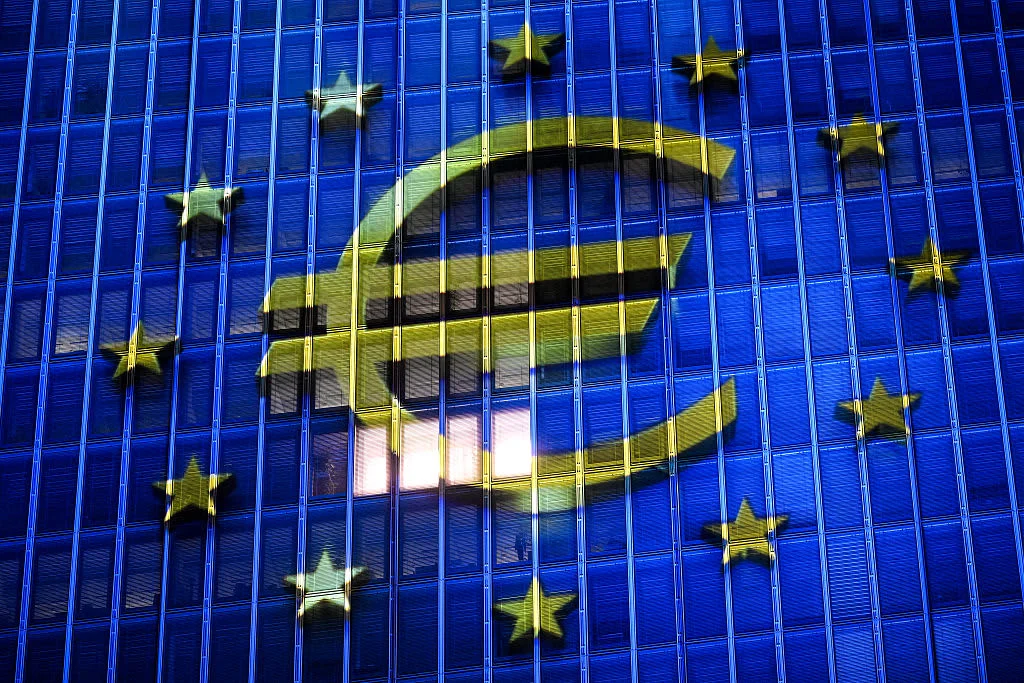
Frankfurt am Main, Germany – Europe’s leading central banks on Thursday delivered a stark message of caution and vigilance, fundamentally recalibrating their monetary policy stances in the wake of the intensifying conflict involving the U.S., Israel, and Iran, which erupted in late February. What was once a relatively benign inflation outlook, with expectations of stable or even falling interest rates across the continent, has been dramatically upended by the geopolitical tremors emanating from the Middle East. The European Central Bank (ECB), the Bank of England (BoE), Sweden’s Riksbank, and the Swiss National Bank (SNB) convened simultaneously for a critical "Super Thursday," each acknowledging the profound and unpredictable economic consequences of the new conflict.
The Geopolitical Quake: War on Iran and its Economic Ripple Effect
Before the hostilities commenced, European economies were navigating a path toward recovery, albeit unevenly. Inflation in the eurozone, for instance, had been hovering near the ECB’s 2% target, registering 1.7% in January and a slight increase to 1.9% in February, according to Eurostat flash data. This environment had fostered optimism among policymakers that the era of aggressive interest rate hikes might be drawing to a close, potentially paving the way for gradual easing to support economic growth. The BoE, in particular, had faced mounting pressure to cut its benchmark rate, Bank Rate, from 3.75% to alleviate the burden on households and businesses grappling with elevated borrowing costs. Similarly, Sweden’s Riksbank saw fundamentally favourable conditions for continued economic recovery, with its inflation rate at 1.7%, comfortably below its 2% target.
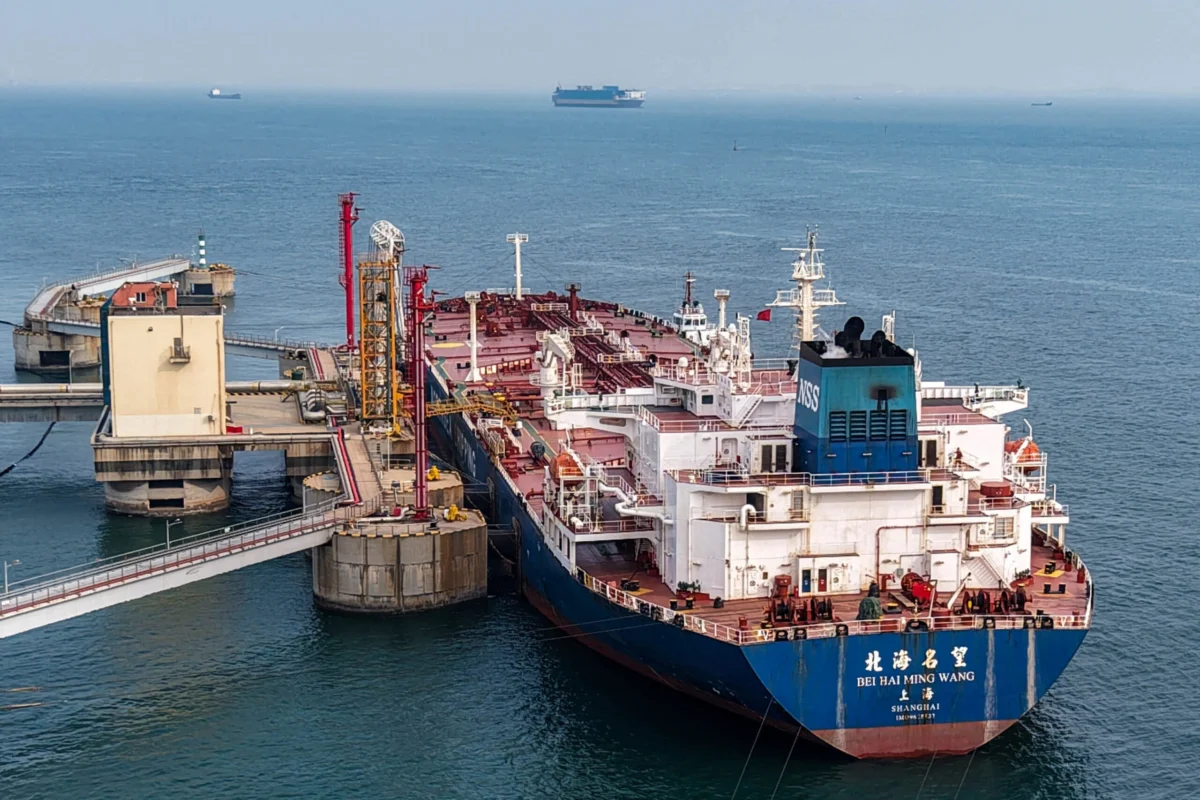
The sudden onset of the war on Iran in late February, however, shattered this fragile equilibrium. The conflict immediately cast a long shadow over global energy markets, particularly given Iran’s strategic position and its capacity to disrupt vital shipping lanes. Reports of Iran’s closure of the Strait of Hormuz, a critical choke point for a significant portion of the world’s oil and liquefied natural gas (LNG) shipments, sent shockwaves through commodity exchanges. This action directly threatened Europe’s energy supplies, which remain heavily reliant on imports, leading to an immediate surge in crude oil and natural gas prices. The ripple effects were instantaneous: higher energy costs translate directly into increased production expenses for businesses and elevated utility bills for consumers, fueling inflationary pressures across the continent. Beyond energy, the conflict raised concerns about broader supply chain disruptions, impacting everything from raw materials to finished goods, further complicating the inflation outlook and threatening to stifle economic growth. The once-clear trajectory for interest rates became obscured by a thick fog of uncertainty, forcing central bankers to adopt a far more cautious and defensive posture.
"Super Thursday" Decisions: A Coordinated Caution Amidst Uncertainty
The synchronized policy announcements on Thursday underscored the severity of the challenge. Each central bank, while addressing its unique national economic context, articulated a shared concern regarding the geopolitical landscape and its implications for price stability and growth. The common thread was a pronounced shift towards vigilance and an increased willingness to deploy unconventional tools, if necessary, to safeguard their economies.
Swiss National Bank (SNB): Defending the Franc’s Stability
The Swiss National Bank, true to its mandate of ensuring price stability and supporting the overall economic development of Switzerland, opted to maintain its main policy rate at 0.00%. However, the SNB’s accompanying statement was notable for its explicit mention of the Middle East conflict. The central bank declared an "increased willingness to intervene in the foreign exchange market" if deemed necessary. This proactive stance is designed to counter any "rapid and excessive appreciation of the Swiss franc," which, in a crisis, often attracts safe-haven flows, potentially jeopardizing price stability in the export-oriented Swiss economy.

SNB Chairman Martin Schlegel, addressing CNBC on Thursday, clarified the rationale behind this heightened readiness. He emphasized that any intervention would be purely for monetary policy reasons, specifically to manage the franc’s strength and its impact on inflation, rather than to gain a competitive advantage for Swiss exporters. Schlegel underscored the inherent uncertainty of the situation, stating that the potential threat to the Swiss economy "really depends on the length of the conflict and on the length of high energy prices." He warned, "If they stay high for longer, they could have a big impact on the world economy, and hence also on Switzerland." This highlights the SNB’s recognition that while Switzerland’s economy is robust, it is not immune to global shocks, particularly those impacting crucial commodities like energy. The Swiss franc’s historical role as a safe-haven currency means it tends to strengthen during periods of global instability, a phenomenon the SNB is prepared to mitigate to protect its domestic economy from deflationary pressures caused by a too-strong currency.
Sweden’s Riksbank: Balancing Domestic Strength with External Threats
Across the Nordic region, Sweden’s Riksbank also chose to hold its main policy rate steady at 1.75%. Despite fundamentally favourable domestic conditions for continued economic recovery and an inflation rate (1.7%) still below its 2% target, the central bank’s communication was notably more cautious than in previous meetings. The Riksbank stated that while the rate is "expected to remain at this level for some time to come," the Iran war warranted "vigilance."
The Riksbank acknowledged that the conflict made economic forecasts "very uncertain," pledging to "monitor developments closely and will adjust monetary policy if the outlook for inflation and economic activity so requires." The bank’s analysis indicated that "underlying inflation has been unexpectedly low in recent outcomes," but cautioned that "The war in the Middle East is expected to dampen growth somewhat in the near term and push up CPIF inflation as a result of higher energy prices. These are also expected to be passed on to some extent to other prices." This nuanced position reflects a central bank caught between a relatively stable domestic economic picture and a rapidly deteriorating global environment. The Riksbank’s commitment to flexibility underscores its readiness to pivot if the geopolitical headwinds prove stronger than anticipated, prioritizing its inflation target even if it means sacrificing some near-term growth.
European Central Bank (ECB): Navigating the Eurozone’s Inflationary Gauntlet
For the vast euro area, the ECB’s decision to keep its benchmark deposit rate at 2% for the sixth consecutive meeting came as no surprise, even before the war. The eurozone’s inflation data, at 1.9% in February, had remained near the central bank’s 2% target, suggesting that aggressive tightening was not immediately required. However, ECB President Christine Lagarde’s previous warnings against complacency, even when describing the euro zone’s economic outlook as "in a good place," now appear prescient.
Traders and analysts were particularly keen on the ECB’s forward guidance, seeking clues on how the bank might respond to the escalating crisis. Konstantin Veit, a portfolio manager at PIMCO, had accurately predicted the ECB’s immediate response. "On Thursday, we expect the ECB to keep the deposit rate at 2% for a sixth consecutive meeting," Veit noted, adding that the bank would likely "stress heightened geopolitical uncertainty and signal a more hawkish tone rather than move policy immediately." This proved accurate.
The ECB’s new staff projections are now expected to paint a grimmer picture, likely showing a "short-term inflation overshoot driven by higher energy prices, before inflation returns to 2% next year." Veit projected headline inflation to peak at around 3% this year, with energy costs alone contributing roughly one percentage point to this increase. The eurozone, with its substantial reliance on imported energy, is particularly vulnerable to disruptions in the Strait of Hormuz. The ECB’s cautious stance reflects a difficult balancing act: acknowledging the inflationary threat without immediately hiking rates, which could further dampen an already fragile economic recovery. The bank’s strategy appears to be one of "wait and see," allowing time for the full economic impact of the conflict to materialize while maintaining flexibility for future policy adjustments.
Bank of England (BoE): Rate Cuts Recede as UK Faces Inflationary Headwinds

The Bank of England’s March meeting was arguably the most dramatically impacted by the Iran conflict. Prior to the war, market consensus and many economists had anticipated a cut to the Bank Rate from its current 3.75%, offering some relief to UK households and businesses struggling with high borrowing costs. However, the geopolitical fallout swiftly made this prospect "increasingly remote."
The central bank’s Monetary Policy Committee (MPC) opted to hold Bank Rate at 3.75%, signaling a clear pivot towards caution. The rationale was simple: the unpredictable duration and economic ramifications of the conflict necessitated a prudent, wait-and-see approach. John Wyn Evans, head of Market Analysis at Rathbones, articulated the shift in market expectations, noting that "Rate cuts once seen as plausible for spring have been fully priced out, and a rise later in the year can’t be dismissed." He concluded that with the conflict’s duration unclear, "the most probable outcome is a holding pattern: not tightening, but certainly not loosening until the fog lifts." This decision underscores the BoE’s primary mandate of maintaining price stability, even at the cost of deferring much-needed relief for borrowers. The risk of imported inflation from soaring energy prices and potential supply chain disruptions now outweighs the desire to stimulate growth through lower rates.
Broader Implications and Future Outlook
The "Super Thursday" decisions collectively highlight a profound shift in the global economic landscape, where geopolitical risk has re-emerged as a dominant factor in monetary policy calculations. Central banks across Europe are now tasked with navigating a treacherous path, balancing the imperative of price stability against the potential for slowing economic growth and increased financial market volatility.
The immediate future will likely be characterized by continued energy market volatility. Analysts anticipate that oil prices will remain elevated as long as the Strait of Hormuz remains a flashpoint, potentially pushing Brent crude well above the $100 per barrel mark. This will inevitably feed into headline inflation figures across Europe, posing a significant challenge to central bank credibility. Beyond energy, the conflict could exacerbate existing supply chain vulnerabilities, leading to broader inflationary pressures and potential shortages of critical goods.
Global growth forecasts are almost certain to face downward revisions in the coming weeks and months, as economists factor in the increased cost of energy, reduced trade flows, and heightened uncertainty. The International Monetary Fund (IMF) and the Organisation for Economic Co-operation and Development (OECD) are expected to issue updated projections that reflect a more subdued global economic outlook.
For central banks, the trade-offs are becoming increasingly complex. They must weigh the risk of acting too aggressively and stifling growth against the danger of allowing inflation to become entrenched. This crisis also underscores the limitations of traditional monetary policy tools, which are primarily designed to manage demand-side inflation, in addressing supply-side shocks like those triggered by geopolitical events. Central bankers may find themselves advocating for, or at least observing, a greater role for fiscal policy and international cooperation in mitigating the economic fallout.
In conclusion, the late February war on Iran has irrevocably altered Europe’s economic trajectory. The unified message of caution from the ECB, BoE, Riksbank, and SNB on "Super Thursday" signals a new era where geopolitical stability is no longer a given, and central banks must stand ready to deploy a wider array of tools to protect their economies from external shocks. The road ahead for European monetary policy promises to be fraught with uncertainty, demanding unparalleled adaptability and vigilance from its stewards.