Ena Muazin
The German stock market’s benchmark DAX index has experienced minimal fluctuation, trading almost unchanged as global markets navigate a delicate geopolitical landscape. The relative stability of the DAX comes despite a palpable escalation of tensions in the Middle East, with US President Donald Trump urging NATO allies to provide military support in the Strait of Hormuz. This call for increased naval presence underscores the growing concerns over potential disruptions to vital oil shipping routes and the broader implications for global energy security and inflation.

Geopolitical Undercurrents and Market Resilience
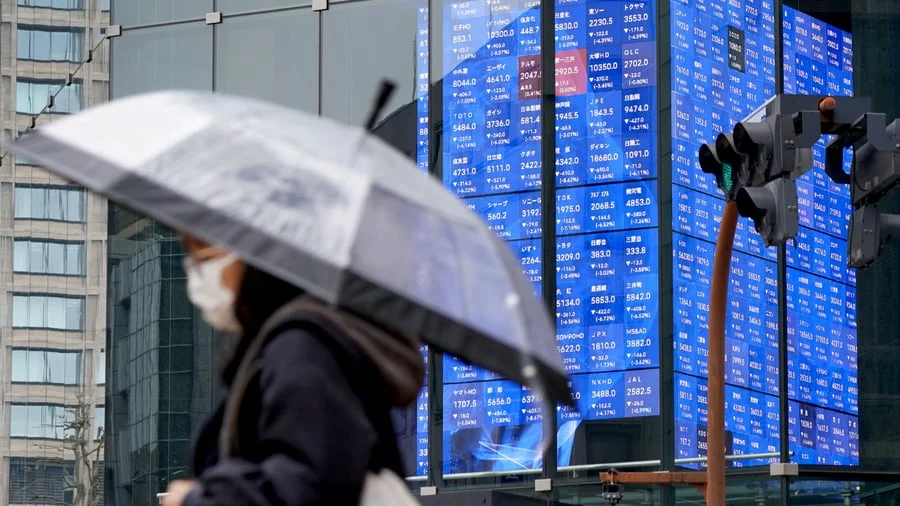
On Monday morning, the DAX opened with little movement, briefly dipping to 23,437 points shortly after trading commenced. By midday, the index hovered around 23,601 points, demonstrating a remarkable resilience in the face of significant international developments. This stability contrasts sharply with the market sentiment observed on Friday, when fears of a protracted conflict in the Middle East and the specter of rising inflation cast a shadow over global equities. The DAX had closed Friday down 0.6 percent at 23,447 points.
The ongoing geopolitical instability, particularly the events unfolding in the Middle East, has directly impacted oil prices, a critical factor for global economic health. Even after the release of over 400 million barrels of oil from strategic reserves, investors remain keenly focused on the trajectory of oil prices, which are intrinsically linked to inflation forecasts and central bank policies.

The Strait of Hormuz: A Critical Chokepoint
The strategic importance of the Strait of Hormuz cannot be overstated. This narrow waterway, connecting the Persian Gulf to the open ocean, is a crucial transit point for crude oil, with a significant percentage of the world’s oil supply passing through it daily. Any disruption or blockage in this strait has the immediate potential to send oil prices soaring, triggering inflationary pressures and impacting economies worldwide.
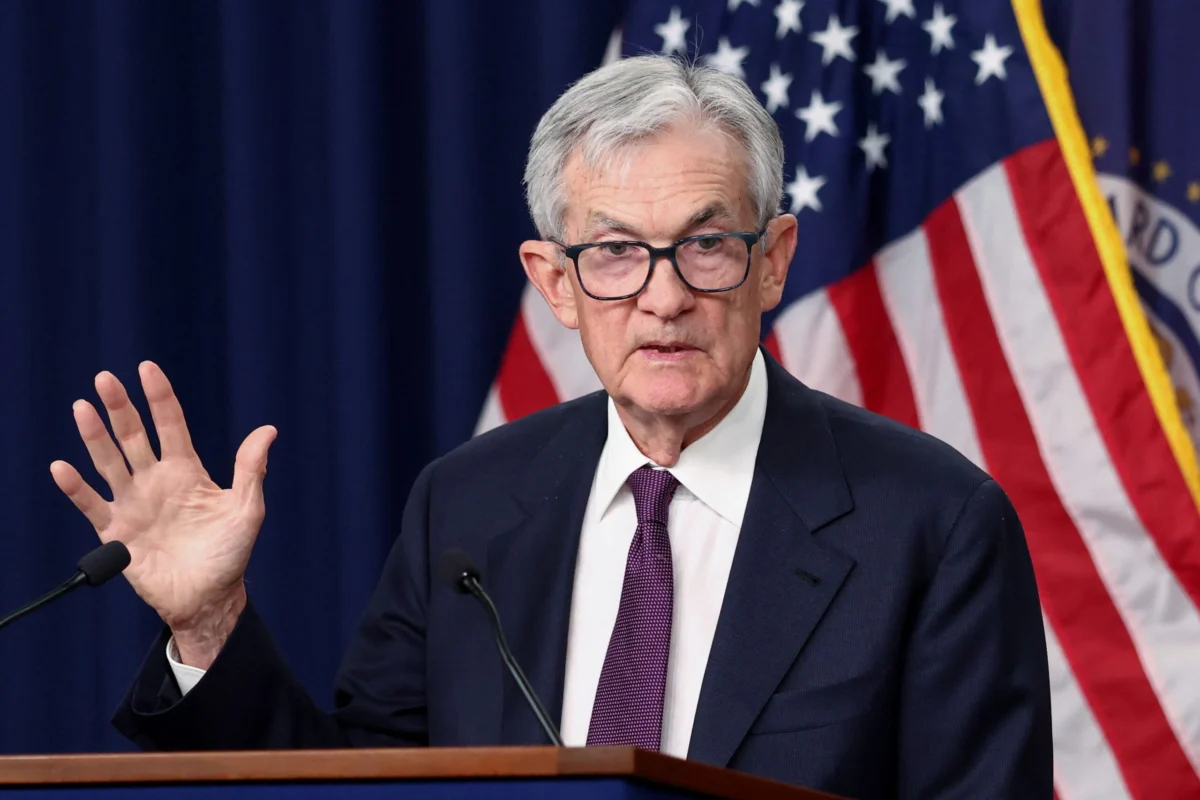
US President Donald Trump’s recent appeal to NATO partners for military assistance in escorting freighters and tankers through the Strait of Hormuz highlights the seriousness with which the United States views the escalating situation. The call signifies a desire to ensure the unimpeded flow of oil, thereby aiming to stabilize global energy markets and mitigate the risk of further price hikes. However, the specifics of which nations are willing and able to commit naval assets to this mission remain unclear, creating an atmosphere of uncertainty.
The German government, for instance, has already indicated its stance on potential military involvement. Reports suggest that the German federal government has ruled out deploying ground troops to the region. This stance reflects a broader European cautiousness towards direct military intervention in escalating conflicts, often prioritizing diplomatic solutions and de-escalation. The differing approaches among NATO allies could present challenges in forming a unified front and a cohesive strategy for ensuring maritime security in the Strait of Hormuz.
Economic Data and Market Drivers
Beyond the immediate geopolitical concerns, market participants are also closely monitoring key economic indicators from China. The release of data on February retail sales and industrial production is expected to provide further insight into the health of the world’s second-largest economy. China’s economy has been grappling with a protracted property crisis, which has dampened economic activity at the start of the year. However, recent reports suggest that industrial production has shown signs of improvement in certain sectors. The performance of the Chinese economy has a ripple effect on global markets, given its significant role in international trade and demand for commodities.

Historical Context and Precedents
The current situation in the Middle East echoes past periods of heightened tension that have significantly impacted global financial markets. The 1970s oil crisis, triggered by an oil embargo, serves as a stark reminder of the vulnerability of economies to supply disruptions. More recently, conflicts in Iraq and other parts of the Middle East have historically led to price volatility in oil markets and broader market uncertainty. The recurring nature of these events underscores the need for robust energy security strategies and diversified supply chains.
The current escalation, however, is occurring in a different global economic context. The world economy is already contending with the lingering effects of the COVID-19 pandemic, persistent inflation, and rising interest rates. Any significant disruption to oil supplies or a substantial increase in energy prices could exacerbate these existing challenges, potentially leading to a more severe economic downturn.

Analysis of Implications
The steady performance of the DAX, despite the geopolitical headwinds, suggests that investors may be pricing in a degree of resilience or have already factored in the potential for further escalation. The market’s reaction could also be influenced by a perception that central banks might intervene with liquidity measures if a severe economic shock were to materialize.
However, the long-term implications of a prolonged conflict or a blockage in the Strait of Hormuz remain a significant concern.

- Inflationary Pressures: A sustained surge in oil prices would inevitably fuel inflation, forcing central banks to potentially tighten monetary policy more aggressively. This could stifle economic growth and increase the risk of stagflation.
- Supply Chain Disruptions: Beyond oil, disruptions in shipping lanes can impact the availability and cost of various goods, further exacerbating supply chain issues that have plagued global commerce.
- Investor Confidence: Prolonged uncertainty and the threat of wider conflict can erode investor confidence, leading to capital flight from riskier assets and a preference for safer havens like gold and government bonds.
- Geopolitical Realignment: The current situation could also lead to a reassessment of global alliances and energy dependencies, potentially accelerating the transition towards renewable energy sources and a diversification of supply routes.
Looking Ahead
The coming days and weeks will be crucial in determining the trajectory of both the geopolitical situation and its impact on financial markets. Investors will be closely watching for:
- De-escalation Efforts: Any signs of diplomatic progress or a de-escalation of tensions in the Middle East would likely be met with a positive market reaction.
- NATO Response: The clarity and commitment of NATO allies to President Trump’s call for naval support will be closely scrutinized. A unified and robust response could help stabilize the situation.
- Economic Data: Key economic releases, particularly from major economies like China and the United States, will provide further context on the underlying health of the global economy.
- Corporate Earnings: As the earnings season progresses, company reports will offer a granular view of how businesses are navigating the current economic environment.
The DAX’s current stability, while welcome, exists within a highly dynamic and uncertain global context. The interplay between geopolitical developments, energy markets, and economic fundamentals will continue to shape market sentiment in the near to medium term. The ability of governments and international bodies to manage these complex challenges will be paramount in ensuring continued economic stability and preventing a significant downturn. The market’s near-unchanged status reflects a cautious optimism, but the underlying risks remain significant.