Lina Wu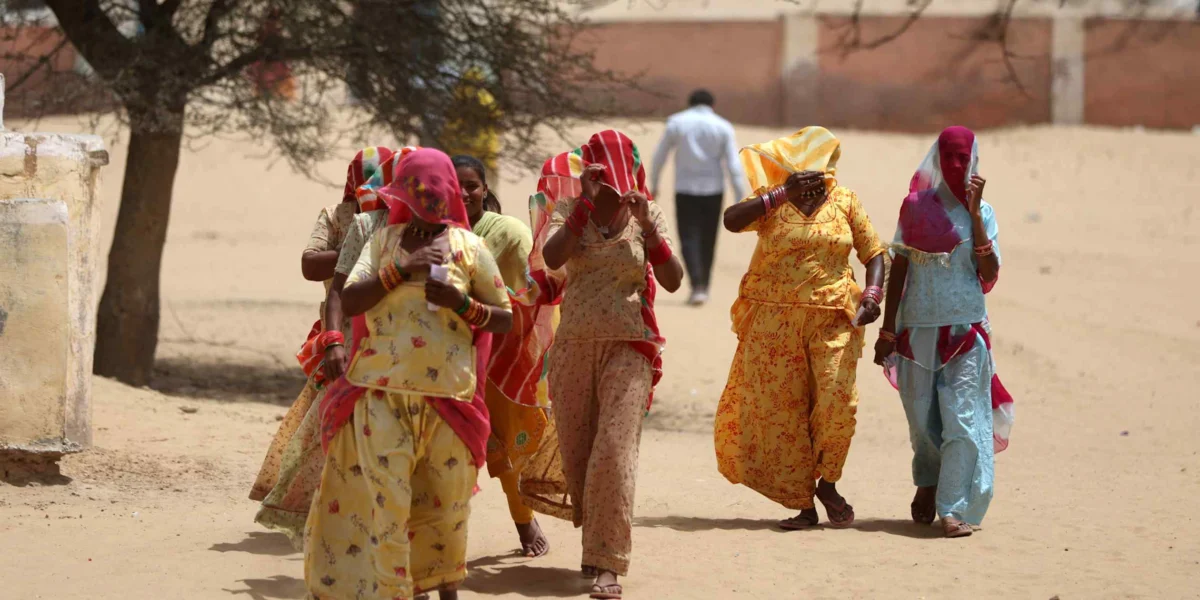
Women in India’s most heat-vulnerable districts are experiencing a disturbing rise in domestic violence during the scorching summer months, a stark indicator of how escalating extreme heat is becoming a potent catalyst for household tensions and a significant threat multiplier for women’s safety. This correlation, observed by researchers and aid organizations, paints a grim picture of the multifaceted impacts of climate change, extending far beyond environmental degradation to touch the very fabric of domestic life, particularly in regions least equipped to cope with such pressures.
The phenomenon is not an isolated incident but rather a growing concern amplified by the intensifying effects of global warming. As temperatures climb, leading to prolonged heatwaves and increased discomfort, existing social and economic stressors within households are exacerbated. These stressors, ranging from reduced agricultural yields and economic precarity to diminished physical well-being, can create an environment ripe for conflict. For women, who often bear a disproportionate burden of household chores, caregiving, and resource management, these pressures can translate into heightened vulnerability to abuse.
The Intensifying Heatwave Crisis
The recent years have witnessed an alarming trend of increasingly severe and prolonged heatwaves across the globe, with South Asia, and India in particular, being at the forefront of this crisis. For instance, the summer of 2023 saw unprecedented temperatures across multiple Indian states, leading to widespread discomfort, health advisories, and significant disruptions to daily life. Data from the India Meteorological Department (IMD) consistently shows a rising average temperature trend over the past few decades, with extreme heat events becoming more frequent and intense. These events are not merely statistical anomalies; they represent a tangible and growing threat to human well-being and societal stability.
The image accompanying this report, showing women in Rajasthan, India, covering their faces to shield themselves from the oppressive heat on April 19, 2024, serves as a poignant visual testament to the lived reality of these climate-induced challenges. This act of self-protection against the elements is a daily ritual for millions, but it also underscores the increased physical strain and discomfort that comes with rising temperatures, impacting their ability to perform essential tasks and their overall quality of life.
The Nexus Between Heat and Domestic Violence
While the direct causal link between heat and domestic violence is a complex area of ongoing research, several mechanisms are being explored by experts. One primary theory suggests that extreme heat can lead to increased irritability, aggression, and reduced cognitive function in individuals. When combined with pre-existing factors such as poverty, unemployment, and social inequality – all of which can be worsened by climate change impacts like crop failure and water scarcity – this heightened irritability can spill over into interpersonal conflicts.
Dr. Priya Sharma, a sociologist specializing in gender and climate change at the University of Delhi, explains, "When the environment becomes more hostile, and resources become scarcer due to climate impacts, the stress levels within households naturally rise. Women, often responsible for managing household resources and tending to family needs, become the primary recipients of this amplified stress. The lack of adequate cooling, coupled with longer working hours under the sun for those engaged in outdoor labor, contributes to a general sense of discomfort and fatigue, which can lower tolerance levels and increase the likelihood of aggressive outbursts."
Supporting data from various studies indicates a correlation between periods of extreme heat and surges in reported incidents of domestic abuse. For example, a study published in the journal Nature Climate Change found that for every one-degree Celsius increase in temperature, there was a significant rise in interpersonal violence. While this study encompassed a global dataset, its implications are particularly pronounced in developing nations where adaptive capacities are often limited, and populations are more reliant on climate-sensitive livelihoods such as agriculture.
Developing Nations: A Disproportionate Burden
Developing nations, such as India, face a unique set of vulnerabilities. Their economies are often heavily reliant on agriculture, making them acutely susceptible to the impacts of drought and erratic rainfall, both exacerbated by climate change. Furthermore, access to essential services like reliable electricity for cooling, adequate healthcare, and robust social support systems can be limited, especially in rural and marginalized communities.
In these contexts, the burden of climate change impacts falls disproportionately on women. They are often the primary collectors of water, tend to small plots of land for food, and are responsible for the well-being of children and the elderly. As climate change intensifies, these tasks become more arduous and time-consuming, leading to increased physical and mental strain. This increased workload, coupled with the psychological stress of living in an increasingly unpredictable environment, creates a fertile ground for household tensions to escalate into violence.
Mr. Rajesh Kumar, a community organizer working with women’s self-help groups in rural Uttar Pradesh, shares his observations: "During the summer months, especially when the heat is unbearable, we see an increase in disputes within families. Women often come to us seeking help because their husbands or other family members become more aggressive. It’s not just about the heat itself, but what the heat causes: less work, less food, more worry. And in these situations, women are often the first to be blamed or to bear the brunt of anger."
The Cycle of Vulnerability
The cycle of vulnerability is compounded by the fact that women in these regions may have limited access to recourse or support. Social norms, fear of reprisal, and lack of awareness about available services can prevent them from reporting abuse. Moreover, the economic dependency of many women on their male partners further exacerbates their precarious situation. When climate change impacts lead to economic hardship, this dependency can intensify, making it even more difficult for women to escape abusive situations.
Broader Implications and the Need for Integrated Solutions
The implications of this intersection between climate change and household violence are far-reaching. Beyond the immediate suffering of victims, it contributes to cycles of poverty, hinders women’s empowerment and participation in public life, and can have long-term consequences for child development and community well-being. Addressing this complex issue requires a multi-pronged approach that goes beyond traditional climate adaptation strategies.
H2: Policy Responses and Expert Recommendations
Experts are calling for integrated solutions that address both the environmental and social dimensions of climate change. This includes:
- Climate-Resilient Infrastructure: Investing in sustainable cooling solutions, water conservation technologies, and resilient housing in vulnerable communities can mitigate the direct impacts of heat.
- Economic Diversification and Support: Promoting climate-resilient livelihoods and providing social safety nets can reduce economic precarity, a key driver of household stress. This includes supporting women entrepreneurs and ensuring access to credit and training for alternative income-generating activities.
- Strengthening Social Support Systems: Enhancing access to mental health services, counseling, and legal aid for survivors of domestic violence is crucial. Community-based programs that empower women and promote gender equality can also play a vital role.
- Gender-Sensitive Climate Policies: Climate adaptation and mitigation strategies must explicitly consider the differential impacts on women and girls and include measures to protect their safety and well-being. This involves actively involving women in decision-making processes related to climate action.
- Public Awareness Campaigns: Educating communities about the links between climate change, stress, and domestic violence can help foster a more supportive environment and encourage reporting and seeking help.
The International Panel on Climate Change (IPCC) has increasingly highlighted the interconnectedness of climate change with social justice and human rights, underscoring the need for equitable and inclusive adaptation strategies. The findings from regions like India serve as a critical reminder that the fight against climate change is also a fight for gender equality and the fundamental human right to live free from violence.
A Call for Urgent Action
As the planet continues to warm, the challenges faced by women in heat-vulnerable regions are likely to intensify. The anecdotal evidence from India, supported by emerging research, demands urgent attention from policymakers, researchers, and international organizations. Ignoring the social ramifications of climate change risks not only undermining progress on environmental goals but also exacerbating existing inequalities and human suffering. The time to act is now, with a comprehensive and compassionate approach that recognizes the profound and often overlooked human cost of a warming world. The experiences of women in India’s scorching districts are a stark warning, urging us to build a future where climate resilience is synonymous with human dignity and safety for all.