Lina Wu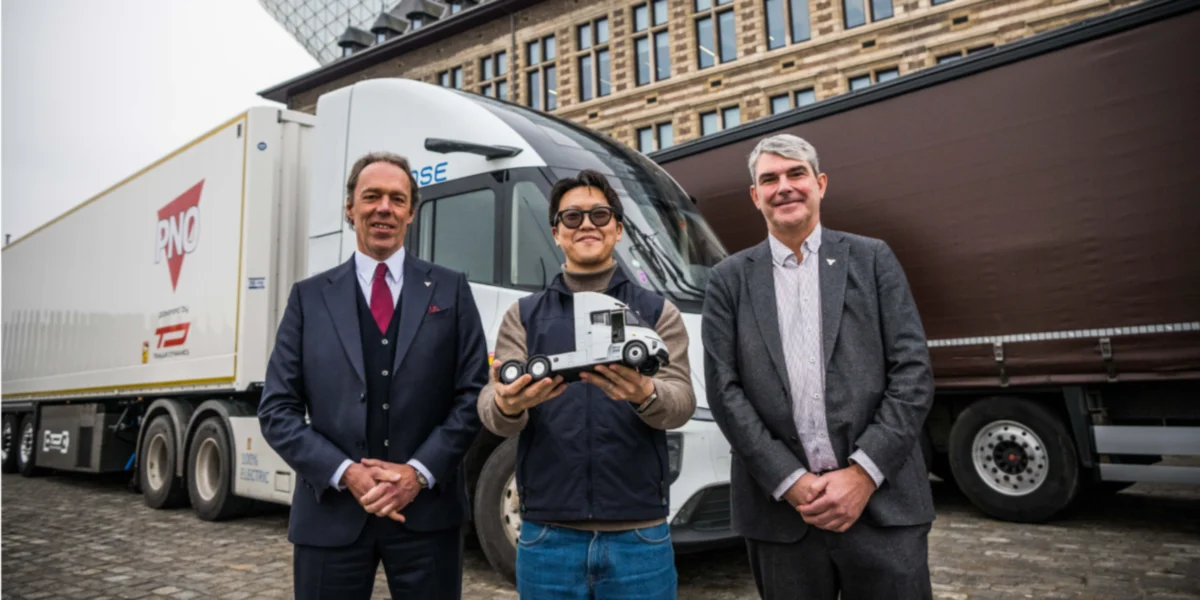
HAMBURG, Germany — The burgeoning electric-truck market in Europe represents a pivotal new phase in the continent’s ambitious green transportation agenda, with Chinese manufacturers rapidly establishing themselves as frontrunners in this transformative sector. This emergence signals a significant shift in the established automotive landscape, challenging incumbent European players and reshaping the future of commercial logistics.
The Shifting Landscape of European Commercial Vehicles
For decades, the European commercial vehicle market has been dominated by established giants like Daimler Truck, Volvo Trucks, and MAN Truck & Bus. These companies have historically set the pace for innovation and production. However, the accelerating drive towards decarbonization, spurred by stringent EU emissions regulations and growing environmental awareness, has created a fertile ground for new entrants. The electrification of heavy-duty vehicles, once considered a distant prospect, is now a tangible reality, and Chinese companies, with their advanced battery technology and aggressive market strategies, are seizing this opportunity with remarkable speed.
The backdrop to this development is the European Union’s commitment to achieving climate neutrality by 2050. As part of this overarching goal, the EU has set ambitious targets for reducing CO2 emissions from road transport, which accounts for a substantial portion of the bloc’s greenhouse gas emissions. The electrification of commercial fleets, from last-mile delivery vans to long-haul trucks, is seen as a critical component in meeting these targets. The European Green Deal, a comprehensive package of policy initiatives, has been instrumental in fostering this transition by providing regulatory impetus and, in some cases, financial incentives for the adoption of zero-emission vehicles.
Windrose: A New Contender on the European Stage
A prime example of this trend is the growing presence of Chinese electric truck manufacturers. Companies like Windrose, a relatively new but rapidly expanding player, are making significant inroads into the European market. The image accompanying this report, featuring Windrose CEO Han Wen alongside Port of Antwerp-Bruges CEO Jacques Vandermeiren and Antwerp Vice Mayor Johan Klaps, underscores the tangible engagement and partnerships being forged by these emerging companies. This photograph, taken earlier this year, symbolizes the growing collaboration and acceptance of Chinese electric trucks within key European logistical hubs.
The Port of Antwerp-Bruges, Europe’s second-largest port, is a strategic gateway for international trade and a critical nexus for freight transportation. Its embrace of Windrose, and by extension, Chinese electric truck technology, signals a broader acceptance and potential for wider adoption across the continent. The port’s commitment to sustainability aligns perfectly with the deployment of zero-emission vehicles, and partnerships with innovative companies like Windrose are crucial for achieving these objectives.
Background and Chronology of Entry
The narrative of Chinese manufacturers entering the European automotive market is not new. Initially, it began with passenger cars, but the complexity and capital intensity of the heavy-duty truck sector presented a different challenge. However, China’s rapid advancements in battery manufacturing, a cornerstone of electric vehicle technology, provided a significant competitive advantage.
Several years ago, the first wave of Chinese electric vans and smaller commercial vehicles began to appear in European cities, primarily targeting urban logistics and last-mile delivery. These vehicles often offered a compelling price-performance ratio, appealing to fleet operators seeking to reduce operating costs and comply with increasingly stringent urban emissions zones.
The more recent push into the heavier truck segments, however, represents a significant escalation. Companies like Windrose have been actively engaged in establishing a European presence through strategic partnerships, pilot programs, and the development of charging infrastructure solutions. Their approach often involves working closely with logistics companies and port authorities to demonstrate the viability and efficiency of their electric trucks in real-world operational environments.
The timeline for Windrose’s engagement in Europe can be traced through a series of strategic moves:
- Early 2020s: Initial market research and exploration of European regulations and market demands.
- Mid-2020s: Formation of strategic partnerships with European logistics providers and port operators for pilot projects. Establishment of initial sales and service networks.
- Late 2020s (Current Focus): Increased deployment of electric trucks in commercial operations, with a focus on key logistical hubs like Antwerp. Expansion of charging infrastructure solutions to support fleet operations. The meeting depicted in the image signifies a concrete step in solidifying these relationships and showcasing tangible progress.
Supporting Data and Market Trends
The growth of the electric truck market in Europe is supported by robust data and evolving market trends:
- European Electric Truck Registrations: While still a relatively small percentage of the total truck market, registrations for battery-electric trucks (BETs) in Europe have shown exponential growth. In 2023, over 5,000 new electric trucks were registered across the EU, a significant increase from previous years. Projections suggest this number will continue to rise sharply, potentially reaching tens of thousands annually by the end of the decade.
- Battery Technology Advancements: The cost of lithium-ion batteries, a key component of electric vehicles, has fallen dramatically over the past decade. This, coupled with advancements in energy density and charging speeds, has made electric trucks more economically viable and operationally practical for a wider range of applications.
- Total Cost of Ownership (TCO): While the upfront purchase price of an electric truck can be higher than its diesel counterpart, the lower running costs (electricity versus diesel, reduced maintenance) are making the TCO increasingly competitive. For high-mileage fleets, the TCO advantage can be substantial.
- Charging Infrastructure Development: The availability of reliable and accessible charging infrastructure is crucial for the widespread adoption of electric trucks. Significant investments are being made by both public and private entities to build out a comprehensive charging network across Europe, including high-power charging stations for heavy-duty vehicles.
- Regulatory Support: EU emissions standards, such as the CO2 emission performance standards for new heavy-duty vehicles, are becoming increasingly stringent. These regulations provide a powerful incentive for fleet operators to transition to zero-emission vehicles.
Official Responses and Stakeholder Reactions
The increasing prominence of Chinese electric truck manufacturers has elicited varied responses from different stakeholders:
Port Authorities and Logistics Companies: As exemplified by the Port of Antwerp-Bruges and the presence of its CEO, there is a growing willingness to explore and adopt innovative solutions. For these entities, the primary drivers are operational efficiency, sustainability goals, and cost reduction. Partnering with companies like Windrose allows them to be at the forefront of this transition, testing and integrating new technologies.
Jacques Vandermeiren, CEO of the Port of Antwerp-Bruges, has publicly stated the port’s commitment to becoming a "smart and sustainable port." This includes investing in green technologies and fostering partnerships that contribute to reducing the carbon footprint of port operations. The collaboration with Windrose aligns with this strategic vision, aiming to decarbonize the hinterland transport operations that are vital for the port’s ecosystem.
Incumbent European Manufacturers: Established players like Daimler Truck, Volvo Trucks, and MAN are not standing still. They are accelerating their own electrification strategies, investing heavily in R&D, and launching their own electric truck models. However, the rapid market entry and competitive pricing of Chinese manufacturers are undoubtedly creating pressure. These companies are also exploring strategic alliances and partnerships to leverage their existing expertise with new technologies and supply chains.
A spokesperson for a leading European truck manufacturer, speaking on condition of anonymity, acknowledged the "dynamic nature of the global electric vehicle market" and the "increasing competition from new players." They emphasized their commitment to "leading the transition with advanced European technology and robust after-sales support."
Environmental Advocacy Groups: These organizations generally welcome the expansion of electric trucks, regardless of their origin, as a positive step towards reducing transport-related emissions. They often advocate for supportive policies and infrastructure development to accelerate the transition.
European Policymakers: The EU is keenly aware of the potential for both opportunity and challenge. While encouraging the transition to zero-emission vehicles, there are also considerations regarding fair competition, cybersecurity, and the development of a robust European supply chain for critical battery components. Discussions are ongoing regarding standards, interoperability, and potential measures to ensure a level playing field.
Broader Impact and Implications
The rise of Chinese electric truck manufacturers in Europe has several significant implications:
- Accelerated Decarbonization: The increased competition and availability of electric truck options can significantly accelerate the decarbonization of the European logistics sector, helping the EU meet its ambitious climate targets.
- Innovation and Competition: The influx of new players can spur innovation and drive down costs, ultimately benefiting fleet operators and consumers. It forces established manufacturers to innovate faster and remain competitive.
- Geopolitical and Economic Shifts: The growing reliance on Chinese technology in a critical sector like heavy-duty transport raises geopolitical considerations. Europe is also seeking to build its own battery manufacturing capacity and secure its supply chains for critical raw materials to reduce dependence.
- Job Creation and Skills Development: The transition to electric vehicles will necessitate a shift in skills within the automotive industry, creating demand for new expertise in areas like battery technology, software development, and electric powertrain maintenance.
- Infrastructure Development: The widespread adoption of electric trucks will necessitate substantial investment in charging infrastructure, particularly for high-power, long-haul charging. This presents an opportunity for infrastructure providers and energy companies.
The partnership between Windrose and entities like the Port of Antwerp-Bruges is more than just a commercial agreement; it is a tangible indicator of a profound shift in the European transportation landscape. As Europe navigates its green transition, the role of global players, particularly those with advanced technological capabilities, will be crucial. The success of these ventures will depend on a delicate balance of innovation, collaboration, regulatory support, and the ability of all stakeholders to adapt to a rapidly evolving future. The electric truck revolution is well underway, and China is undeniably playing a leading role in its unfolding narrative across the continent.