Evan Lee
Canada’s sole primary antimony mine, the Beaver Brook operation in Newfoundland and Labrador, remains dormant despite a surge in global demand for this strategically vital metal. This prolonged shutdown highlights escalating concerns within Western nations regarding their increasing dependence on foreign-controlled supply chains for critical minerals, a vulnerability amplified by the current geopolitical landscape. The situation surrounding Beaver Brook is drawing significant attention from policymakers and industry analysts, who view the idle mine as a stark illustration of the West’s precarious position in securing essential raw materials for defense, technology, and energy sectors.
A Strategic Metal’s Journey: From Acquisition to Stasis
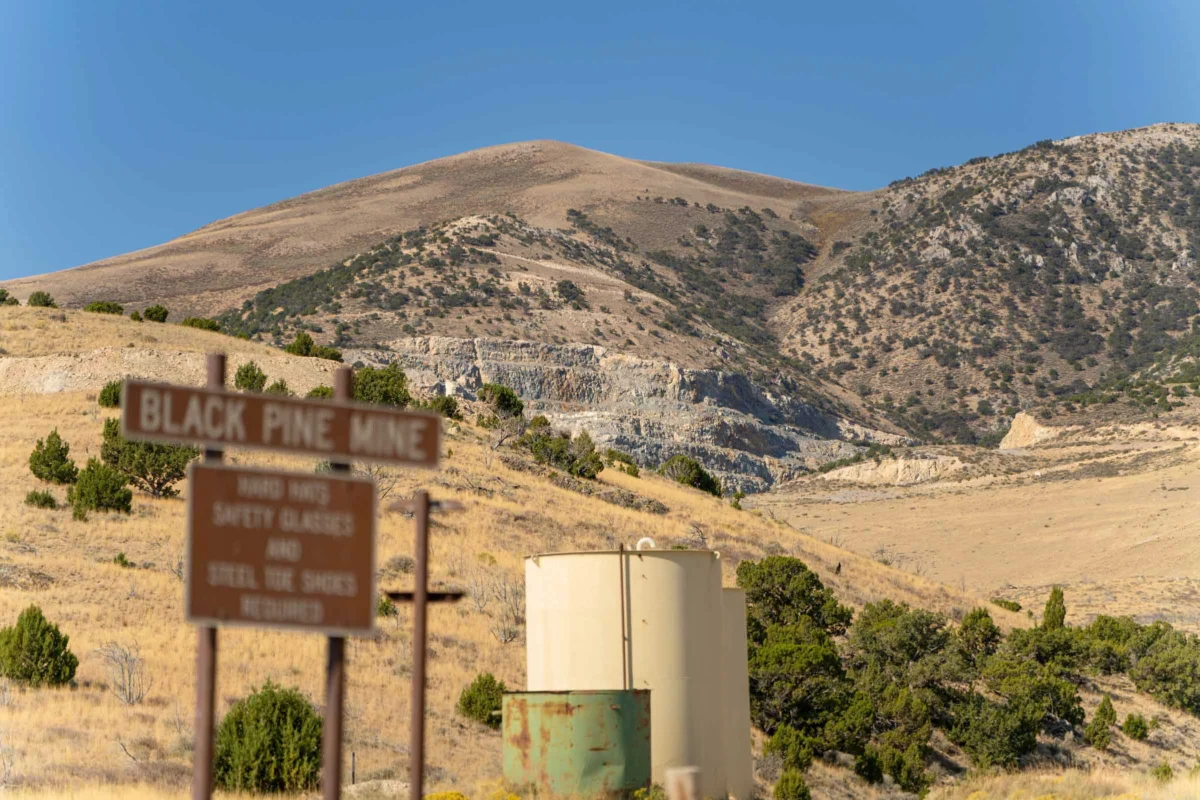
The Beaver Brook mine, situated approximately 45 kilometers southwest of the town of Glenwood, is presently owned by China Minmetals, a prominent Chinese state-owned mining conglomerate. The mine’s journey under foreign ownership began in 2009 when it was acquired by Hunan Nonferrous Metals Corp., a Chinese entity, for $29.5 million. For the past 15 years, the operation has been under the stewardship of Minmetals, a period marked by intermittent production and ultimately, prolonged inactivity.
Antimony is classified as a strategic critical mineral due to its indispensable role in a diverse array of modern applications. Its primary uses include the manufacturing of flame retardants, crucial for enhancing fire safety in consumer products and industrial materials. It is also a key component in lead-acid batteries, the workhorse of conventional automotive power systems and backup power solutions. Furthermore, antimony finds application in the semiconductor industry, contributing to the functionality of electronic components. Perhaps most critically, its properties make it vital for advanced defense technologies, including the production of ammunition, infrared sensors that enable night vision, and other sophisticated military equipment. The growing emphasis on national security and advanced military capabilities globally has therefore significantly boosted the demand for antimony.
Chronology of Operations and Shutdowns
Beaver Brook first commenced the production of antimony concentrate in 2012. However, this initial period of operation was short-lived. The mine suspended its activities the following year, in 2013, citing weak market conditions as the primary reason for the downturn. These market fluctuations, typical in the volatile world of commodity pricing, proved too challenging for the nascent operation.
A brief resurgence of activity occurred in 2019, with the mine restarting operations. This period of renewed production offered a glimmer of hope for domestic antimony supply. However, this revival was again short-lived, and the mine was forced to shut down once more in 2023. This latest shutdown has proven to be the most consequential, leaving the mine in a state of extended idleness.
At its theoretical full operational capacity, the Beaver Brook project possesses the potential to yield approximately 6,000 tonnes of antimony concentrate annually. Industry analysts estimate that such a production level could account for roughly 5% of the global antimony supply. This capacity, if realized, would represent a significant contribution to global market stability, particularly from a non-Chinese source.
The timing of Beaver Brook’s most recent shutdown in 2023 is particularly noteworthy. It occurred precisely as countries in North America and Europe were beginning to earnestly grapple with the imperative of establishing secure and diversified supply chains for critical minerals like antimony. The ongoing geopolitical shifts and increasing trade tensions have spurred a widespread realization of the risks associated with over-reliance on any single nation, especially for materials essential to national security and economic stability.
Dominance of China and Export Restrictions
China currently exerts a dominant influence over the global antimony supply chain. The People’s Republic of China controls a substantial majority of the world’s antimony mining, refining, and processing capacity. This concentration of control has long been a point of concern for Western nations, and these concerns have intensified significantly in recent years.
In 2024, Beijing implemented restrictions on its exports of antimony. This move, aimed at potentially prioritizing domestic needs or leveraging its market position, triggered a sharp escalation in global antimony prices. The export curbs unequivocally exposed the global market’s profound overreliance on Chinese supply, highlighting the fragility of the existing system and the potential for supply disruptions to have far-reaching economic and strategic consequences. The price surge following these restrictions underscores the market’s sensitivity to Chinese export policies and the limited alternatives available to consumers.
The Strategic Mineral Under the Spotlight: Vulnerability and Speculation
The confluence of rising demand, China’s market dominance, and the idled Beaver Brook mine has placed this strategic mineral firmly under the global spotlight. Policymakers and industry observers are increasingly vocal about the vulnerability of Western nations in securing critical mineral supplies. Investigative journalist Sam Cooper has extensively documented this issue, drawing attention to the implications of foreign state-owned entities controlling essential resource assets within allied nations.
Anthony Vaccaro, president of The Northern Miner, a respected publication within the Canadian mining industry, has articulated sentiments echoed in Canadian mining and political circles. During a 2025 presentation, as cited in Cooper’s reporting, Vaccaro noted industry speculation regarding Beijing’s potential strategic motivations for maintaining control over the Beaver Brook asset.
"I will tell you, there’s rumors that the Chinese use this – that Beaver Brook is on care and maintenance, but if the price of antimony stays high and other projects come on, they can turn the tap on, flood the market a little bit, drive the price back down, discourage others from entering," Vaccaro stated. This perspective suggests a potential strategy by China to manage global supply and prices, thereby deterring the development of competing antimony sources outside of its direct control. Such a tactic, if employed, would further entrench China’s dominance and create significant hurdles for Western nations seeking to establish independent supply chains.
While Canada has taken steps to curtail Chinese influence in certain sensitive sectors of its mining industry, notably by ordering Chinese companies in 2022 to divest from several Canadian lithium exploration firms on national security grounds, the ownership of the Beaver Brook antimony mine by China Minmetals has remained unchanged. This situation presents a complex policy challenge for the Canadian government, balancing the need to attract foreign investment with the imperative of safeguarding national security and economic resilience in critical mineral sectors.
The threat of Beijing "manipulating" the global antimony market serves as a salient example of the multifaceted challenges confronting Western governments. These nations are striving to construct robust and resilient supply chains for critical minerals while simultaneously navigating the delicate balance between encouraging foreign investment and managing escalating geopolitical considerations. The control of key mineral assets by state-owned enterprises of geopolitical rivals introduces a layer of strategic risk that cannot be easily dismissed.
The Intensifying Critical Minerals Race
The demand for antimony is poised for continued growth, driven by significant increases in defense spending, advancements in electronics, and the global push for renewable energy infrastructure. Western governments, including those in the United States and Canada, are accelerating their efforts to rebuild domestic production and processing capabilities for critical minerals. The overarching objective is to reduce their dependence on China and other potentially unreliable sources.
In the United States, the government has begun to channel substantial funding towards domestic producers and projects that show promise in supplying antimony and other strategically important metals. Companies like United States Antimony (NYSE: UAMY), which operates processing facilities in Montana and Mexico, and Perpetua Resources (NASDAQ: PPTA), the developer of the Stibnite gold and antimony project in Idaho, have collectively attracted millions in federal funding. This financial support is part of a broader initiative to re-establish a secure and domestic supply of antimony, mitigating the risks associated with foreign reliance. The Defense Production Act has been a key legislative tool enabling such investments.
Industry analysts emphasize that projects like Beaver Brook, even with its history of operational challenges, could become increasingly crucial in the global effort to secure reliable sources of strategic metals. The potential for the mine to restart production, under different ownership or with new operational strategies, remains a significant factor in the long-term supply equation. However, for the moment, Canada’s only antimony mine remains on care and maintenance, leaving the country without any domestic primary production of this essential metal.
The situation at Beaver Brook is a microcosm of a larger global trend. The race to secure critical mineral supply chains is intensifying, with nations recognizing that access to these materials is fundamental to economic competitiveness, technological innovation, and national security in the 21st century. The continued idleness of Canada’s sole antimony mine underscores the urgency for strategic planning, investment, and policy development to ensure a more secure and diversified future for critical mineral supplies. The ability of Western nations to overcome these challenges will be a defining factor in their future industrial and defense capabilities. The Beaver Brook mine’s future, therefore, is not just a local economic story, but a critical component in a global geopolitical narrative.