Clara Shinta
Bitcoin (BTC) experienced a notable halt to its bullish momentum on Wednesday, witnessing a 3.4% price drop that pushed its value down to $70,900. This correction mirrored a broader sell-off observed across US equity markets, indicating a strong correlation between traditional financial assets and the flagship cryptocurrency in the face of significant economic data. The catalyst for this market downturn was a hotter-than-expected Producer Price Index (PPI) report, which surpassed analysts’ year-on-year estimate of 3.4% by an additional 0.7%, signaling persistent inflationary pressures within the economy.
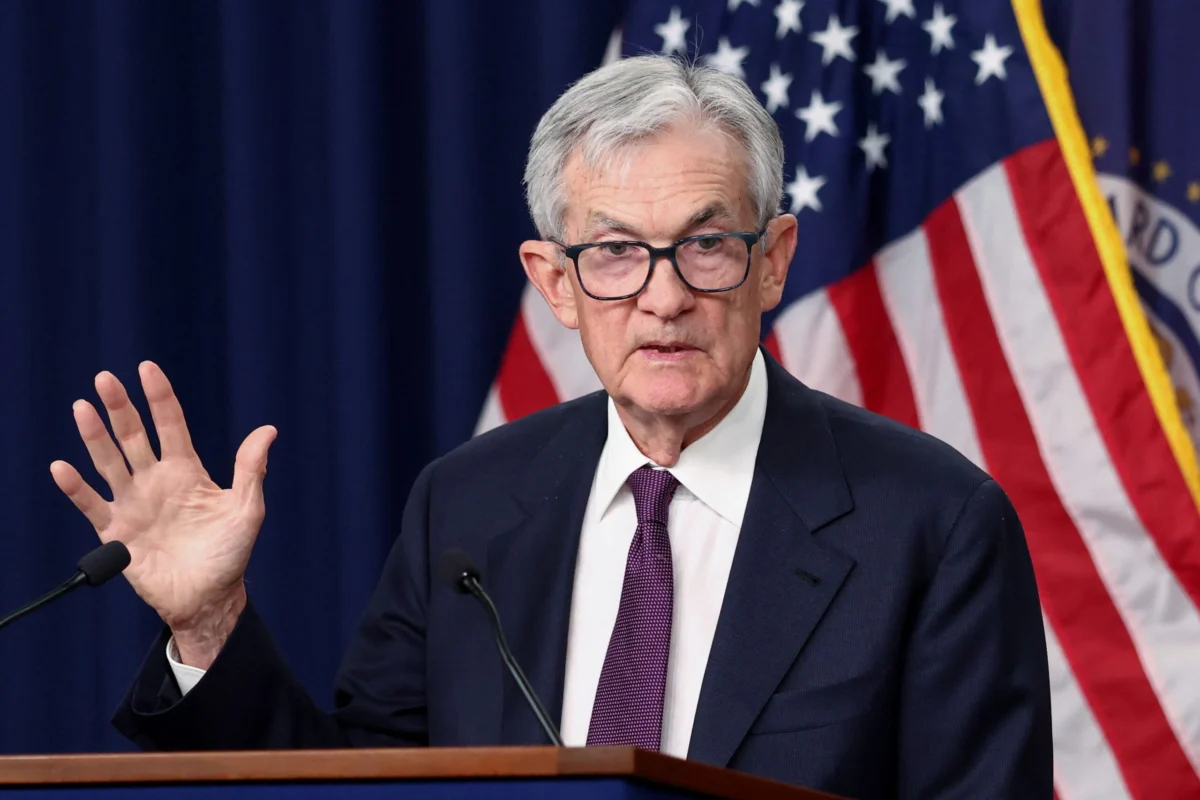
Despite the initial selling pressure triggered by the inflation data, the Bitcoin market quickly demonstrated an underlying resilience. Data from various on-chain and market analytics platforms revealed that demand in the BTC spot market remained robust, with buyers actively stepping in to absorb the influx of sell orders. This swift absorption was further evidenced by Bitcoin’s ability to reclaim the $72,000 level shortly after the release of the Federal Reserve’s minutes, which confirmed the central bank’s decision to maintain interest rates at their current levels. While the market had largely anticipated the Fed’s pause on rate adjustments, a confluence of external factors—including heightened volatility in global oil prices, fluctuating equity markets, and persistent geopolitical tensions surrounding the recently intensified conflict between the US, Israel, and Iran—had kept traders on edge, contributing to the overall market sensitivity.
The Economic Undercurrent: PPI and Federal Reserve’s Stance
The Producer Price Index (PPI) serves as a crucial economic indicator, measuring the average change over time in the selling prices received by domestic producers for their output. A higher-than-anticipated PPI suggests that inflationary pressures are building at the producer level, which often translates into higher consumer prices down the line. The reported 0.7% increase above the 3.4% year-on-year estimate for the PPI caught many market participants off guard, raising concerns that inflation might be proving more stubborn than previously thought. This development has direct implications for the Federal Reserve’s monetary policy, as the central bank operates under a dual mandate to achieve maximum employment and maintain price stability.
In response to such inflation data, market participants typically anticipate a more hawkish stance from the Fed, potentially involving delayed interest rate cuts or even the prospect of further hikes. However, the subsequent release of the Federal Reserve’s minutes provided a nuanced perspective. The minutes confirmed the central bank’s decision to leave interest rates unchanged, a move largely in line with market consensus. This "hold" position indicated a cautious approach by the Fed, balancing the need to control inflation with concerns about potential economic slowdowns. The market interpreted the Fed’s decision as a signal that, despite the elevated PPI, the central bank was not immediately swayed to tighten monetary policy further, thereby offering some relief to risk assets like Bitcoin and equities.

Geopolitical Landscape and Broader Market Volatility
Beyond domestic economic indicators, the global geopolitical landscape played a significant role in shaping market sentiment. The ongoing tensions involving the US, Israel, and Iran have introduced an additional layer of uncertainty. Such conflicts typically trigger a "flight to safety" among investors, often leading to increased demand for traditional safe-haven assets like gold and government bonds, while simultaneously increasing volatility in risk assets. The threat of disruptions to global oil supplies, particularly from the Middle East, can lead to spikes in crude oil prices. Rising oil prices act as a direct inflationary force, impacting production costs, transportation, and ultimately consumer spending power, further complicating the Federal Reserve’s inflation management strategy.
Concurrently, US equity markets experienced their own bout of volatility. The S&P 500, Nasdaq Composite, and Dow Jones Industrial Average all saw downward movements, reflecting investor anxieties over the PPI data, corporate earnings outlooks, and the broader economic trajectory. This synchronized downturn across both traditional equities and Bitcoin underscored the interconnectedness of global financial markets, challenging narratives of Bitcoin’s complete decoupling from conventional assets, at least in the short term during periods of heightened macro uncertainty.
Technical Analysis: Defending Key Price Levels
From a technical perspective, Bitcoin’s price action following Wednesday’s dip presented a compelling picture of resilience. On the four-hour chart, BTC maintained a higher low pattern, a bullish indicator suggesting that despite temporary pullbacks, the short-term uptrend remains structurally intact. The price consistently held above both the 100-period and 200-period exponential moving averages (EMAs), which are widely regarded by traders as dynamic support levels. These moving averages track the average prices over a specified period, and their alignment below the current price typically signals a healthy uptrend.
The confluence of these moving averages near the $71,000 mark provided a crucial area of support, allowing BTC to stabilize after the sell-off and potentially form a base for future upward movements. Technical analysts emphasized the critical importance of defending the price range between $70,250 and $71,275. This zone represents internal liquidity levels that were established during Monday’s breakout, indicating areas where significant order fills previously occurred. A breach of this range could trigger further downside, potentially exposing the next liquidity pocket near $68,900. This lower level aligns with a small order block situated between $68,300 and $69,100, a zone where prior demand had briefly absorbed selling pressure, making it another significant area of interest for buyers. Maintaining these key support levels is paramount for keeping the lower time frame trend structurally bullish for Bitcoin, with continued higher lows signaling persistent demand on dips.

On-Chain Insights: Profit-Taking Meets Bid Absorption
On-chain data provided further granular detail into Bitcoin’s market dynamics, revealing a fascinating interplay between profit-taking and underlying demand. Prior to Wednesday’s correction, Tuesday saw a noticeable increase in sell-side activity from short-term holders (STHs). According to crypto analyst Darkfost, over 48,000 BTC that were in profit moved to exchanges in a single day as the price approached the $75,000 mark. This movement typically indicates that these short-term investors, who often enter the market during periods of heightened volatility or euphoria, were locking in their gains, treating the recent price rebounds as opportune exit points. Such profit-taking is a natural part of market cycles and can contribute to temporary price pullbacks.
However, this selling pressure was met with robust buying activity. Data from CoinGlass, a leading crypto analytics platform, highlighted that passive bids were actively being filled during the price drop from $74,000 down to $71,000. This "bid absorption" pattern suggests that a significant amount of capital was waiting on the sidelines, ready to accumulate Bitcoin at slightly lower price points. Similar absorption patterns observed over the past two weeks have consistently preceded short-term price recoveries, underscoring a consistent and underlying demand at these lower levels. This phenomenon indicates that while some short-term traders are taking profits, a larger cohort of investors, potentially long-term holders or institutional players, view these dips as strategic entry or accumulation opportunities.
Historical Precedent: FOMC Meetings and Bitcoin’s Reaction
An interesting historical pattern emerges when examining Bitcoin’s reaction to Federal Open Market Committee (FOMC) meetings. Market analyst Sherlock observed that since June 2023, Bitcoin has consistently experienced a decline after each of the last six FOMC meetings, irrespective of whether the Federal Reserve decided to raise, hold, or cut interest rates. This pattern suggests a "buy the rumor, sell the news" dynamic, where market participants anticipate the Fed’s decision, positioning themselves beforehand, only to take profits or de-risk once the uncertainty is resolved. The period leading up to FOMC announcements is often characterized by heightened speculation and volatility, with actual outcomes sometimes leading to profit-taking even if the news is largely expected or perceived as positive.
With markets once again pricing in another hold on interest rates, traders’ attention naturally shifted to how Bitcoin’s price would react around current liquidity clusters, particularly near the psychologically significant $71,000 level. The swift recovery to $72,000 post-Fed minutes, despite the initial dip, might indicate a slight deviation from this historical pattern or a more robust underlying demand capable of quickly counteracting post-FOMC selling pressure. However, the recurring nature of these post-FOMC dips remains a crucial consideration for short-term trading strategies.

Broader Implications and Future Outlook
The recent price action of Bitcoin, characterized by a sharp decline followed by a quick recovery, highlights a complex interplay of macroeconomic forces, geopolitical uncertainties, and unique cryptocurrency market dynamics. The "hot" PPI report underscored the ongoing battle against inflation, a key concern for central banks worldwide, and its immediate impact on risk assets. However, Bitcoin’s ability to quickly absorb selling pressure and reclaim key levels suggests a maturing market with strong underlying demand, partially fueled by the increasing institutional adoption through spot Exchange Traded Funds (ETFs) and the anticipation surrounding the halving event.
The mentioned "decoupling trade" where Bitcoin’s correlation with tech stocks has reportedly dropped to 2018 lows is a significant development. If Bitcoin continues to forge its own path, less influenced by the broader tech sector, it could cement its position as a distinct asset class, potentially offering diversification benefits. However, Wednesday’s synchronized sell-off with US stocks served as a reminder that during periods of extreme macroeconomic stress or significant data releases, broad market sentiment can still exert considerable influence.
Looking ahead, market participants will be closely monitoring upcoming economic data, particularly the Consumer Price Index (CPI), which provides a more direct measure of retail inflation. Further statements from Federal Reserve officials, evolving geopolitical situations, and the ongoing flows into and out of Bitcoin spot ETFs will also play crucial roles in shaping Bitcoin’s trajectory. While the short-term outlook remains susceptible to volatility driven by external factors, the consistent demand observed at lower price levels and the structural bullishness indicated by technical patterns suggest that the long-term narrative for Bitcoin continues to be underpinned by strong fundamental drivers. The ability of the asset to navigate these turbulent waters will be a critical test of its resilience and growing maturity in the global financial landscape.