Evan Lee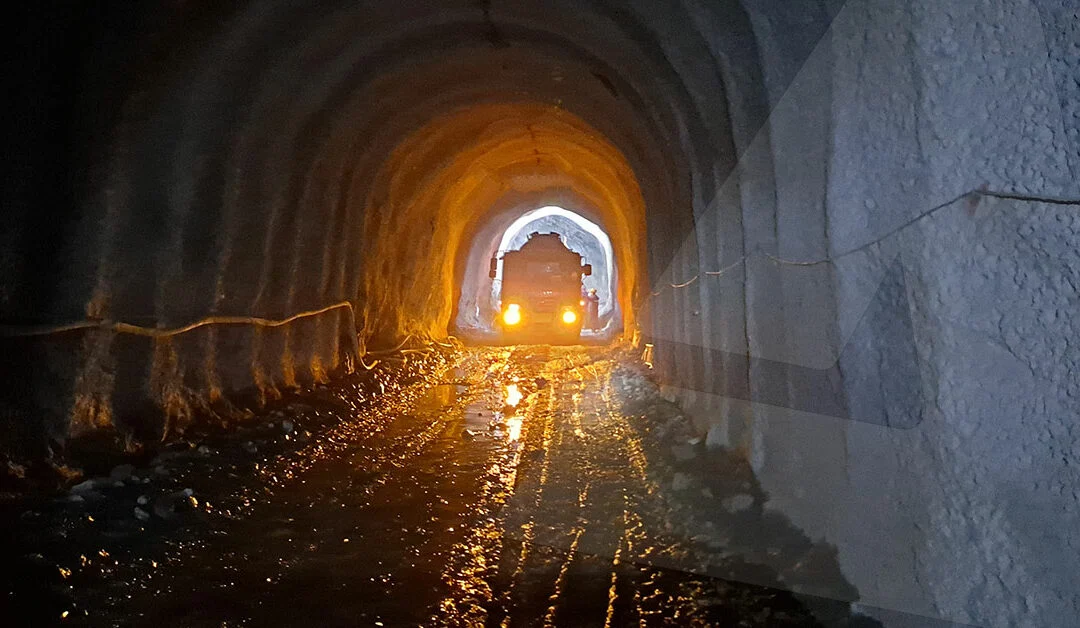
Almonty Industries (NASDAQ: ALM) (TSX: AII) announced on Monday the successful completion of Phase 1 commissioning at its Sangdong tungsten mine in South Korea, a pivotal moment that marks the mine’s return to production after a hiatus of over three decades. This development is poised to significantly reshape the global landscape of tungsten supply, particularly for Western nations seeking to diversify away from China’s dominant market share. The Sangdong mine, once a cornerstone of global tungsten output, is now poised to re-enter the market, bringing with it substantial production capacity and a strategic advantage in a material increasingly recognized for its critical applications.
Sangdong Mine Roars Back to Life: Phase 1 Commissioning Achieved
The newly commissioned Phase 1 operations at the Sangdong mine, located in Gangwon Province, are now actively producing tungsten concentrate. The processing plant has been engineered with a robust capacity to handle approximately 640,000 tonnes of ore annually. This initial phase is projected to yield a substantial output of roughly 2,300 tonnes of tungsten concentrate per year. This figure represents a significant contribution to the global market, especially considering the specialized nature of tungsten and its growing importance.
The company has ambitious plans for further expansion, with a projected Phase 2 enhancement scheduled to come online in 2027. This expansion is designed to more than double the processing capacity to approximately 1.2 million tonnes of ore per year. Consequently, the anticipated annual output of tungsten concentrate will rise to roughly 4,600 tonnes, effectively doubling the production volume from Phase 1. This phased approach underscores Almonty’s strategic vision to gradually ramp up operations while ensuring operational efficiency and market responsiveness.
Strategic Significance of Sangdong’s High-Grade Deposits
What sets the Sangdong mine apart is not just its revived production capacity but also the exceptional quality of its ore reserves. The mine boasts an estimated mine life exceeding 45 years, a testament to its extensive and valuable resource base. Furthermore, the average ore grade at Sangdong is approximately 0.51% tungsten trioxide (WO3), a figure that is roughly three times the global average for tungsten deposits. This high ore grade translates into greater efficiency in extraction and processing, as well as a more economically viable operation.
At its full projected capacity, the Sangdong mine is anticipated to supply approximately 40% of the global tungsten demand outside of China. This statistic is particularly noteworthy given China’s overwhelming dominance in the tungsten market. Almonty’s ability to capture such a significant portion of the non-Chinese market could profoundly alter global trade dynamics for this critical metal.
Tungsten’s Escalating Importance in Modern Industries and Defense
Tungsten, while operating in a relatively smaller market compared to other base metals, is indispensable for a range of high-growth and strategically vital industries. Its unique properties, including extreme hardness, high melting point, and high density, make it the material of choice for applications where durability and performance are paramount.
One of the most significant and increasingly recognized applications of tungsten is in defense. The metal is crucial for the production of "penetrators," high-density, armor-piercing projectiles used by military forces. These projectiles rely on tungsten’s density to overcome hardened targets. Moreover, the use of tungsten is often a requirement in contracts issued by the United States Department of Defense, highlighting its strategic importance to national security.
Beyond defense, tungsten is vital in numerous industrial sectors. It is a key component in the manufacturing of cutting tools, drill bits, and wear-resistant parts due to its exceptional hardness and resistance to abrasion. Its high melting point makes it essential for applications in high-temperature environments, such as in the aerospace and automotive industries for engine components and exhaust systems. In electronics, tungsten is used in filaments for incandescent lamps, in vacuum tube components, and in certain semiconductor manufacturing processes. The increasing demand for advanced manufacturing, electric vehicles, and renewable energy technologies further fuels the need for reliable tungsten supply.
The Geopolitical Landscape of Tungsten and US Self-Sufficiency
The global tungsten market has been heavily influenced by China’s commanding position. China controls over 80% of global tungsten production, creating a significant dependency for many nations. This concentration of supply has raised concerns about market stability, price volatility, and potential supply chain disruptions, particularly in times of geopolitical tension.
The United States, once a significant tungsten producer, ceased its domestic mining operations in 2015. The decline in US production was attributed to several factors, including low global prices that made domestic operations economically unviable, coupled with intense competition from Chinese producers. This cessation of domestic production left the US and its allies increasingly reliant on imports, primarily from China, for their tungsten needs.
The revival of the Sangdong mine in South Korea, a close ally of the United States, represents a significant step towards addressing this supply chain vulnerability. By establishing a substantial production source outside of China, Almonty’s project directly contributes to the strategic objective of diversifying critical mineral supply chains for Western nations.
A Rich History and a Modern Redevelopment
The Sangdong mine has a storied past. Historically, it was one of the world’s largest and most significant tungsten producers. However, operations were suspended in the early 1990s. This suspension was a direct consequence of a prolonged downturn in global commodity prices, which made the mine’s continued operation unsustainable.
Almonty acquired the Sangdong project in 2015 with a clear vision for its redevelopment. Since then, the company has embarked on a comprehensive and substantial investment program, channeling over $100 million into transforming the site into a modern underground mining operation. This investment has focused on rebuilding the necessary infrastructure and implementing state-of-the-art processing capabilities.
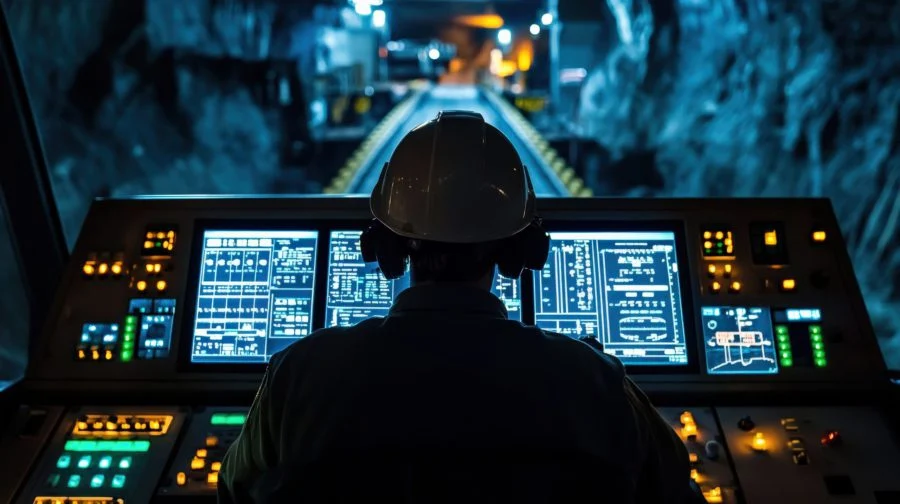
The redevelopment project has been extensive. It includes the development of approximately four kilometers of underground tunnels, ensuring safe and efficient access to the ore bodies. A newly constructed mineral processing plant forms the heart of the operation. This facility is equipped with advanced machinery, including SAG and ball mills supplied by Metso, a globally recognized leader in process technology and services for the mining industry. The plant also incorporates advanced operational monitoring systems, ensuring precise control over the milling and beneficiation processes. This technological upgrade is critical for maximizing recovery rates and producing high-quality tungsten concentrate.
Almonty CEO’s Vision for a Strategic Mineral Value Chain
Lewis Black, CEO of Almonty Industries, expressed his profound satisfaction with the achievement, highlighting the extensive efforts that have culminated in this milestone. In a news release, he stated, "The completion of Phase 1 at the Sangdong tungsten mine marks the culmination of more than a decade of investment and development."
Black elaborated on the strategic implications of the Sangdong mine’s reactivation. He emphasized that this development is a critical component of a broader initiative by the United States and its allies to reduce their dependence on China for critical minerals. "This is a significant milestone in the effort by the United States and its allies to diversify supply chains for critical minerals away from China, which currently produces approximately 88% of the world’s tungsten supply," Black noted.
With the commissioning of Phase 1 now complete, Almonty’s immediate focus is on optimizing the operational throughput and progressing towards full commercial production. This involves fine-tuning the processing plant, refining extraction techniques, and ensuring consistent product quality.
Looking beyond the initial production phase, Black outlined an ambitious vision for the future of the Sangdong site, referring to it as the "Korean Trinity." This vision encompasses the planned Phase 2 expansion, the development of a tungsten oxide facility, and the exploitation of the adjacent Sangdong Molybdenum deposit. This integrated approach aims to create a fully integrated strategic mineral value chain. The ultimate goal is to position South Korea as a global hub for the production, refining, and upgrading of tungsten and potentially other critical minerals. This comprehensive strategy underscores Almonty’s commitment to not only supplying raw materials but also adding value through downstream processing, thereby enhancing the economic and strategic benefits for the region and its allies.
Broader Implications for Global Supply Chains and Geopolitics
The successful recommissioning of the Sangdong tungsten mine carries significant implications that extend far beyond the immediate operational success of Almonty Industries.
Geopolitical Rebalancing and Supply Chain Resilience
The most immediate impact is on the global tungsten supply chain. For decades, the market has been overwhelmingly dominated by China. This concentration has created vulnerabilities for countries heavily reliant on Chinese supply, particularly in sectors critical for national security and economic stability. The Sangdong mine’s substantial production capacity offers a crucial alternative, thereby reducing the geopolitical leverage of any single supplier. This diversification is a key objective for Western nations seeking to build more resilient and secure supply chains for critical minerals.
Strategic Importance for Defense and Technology Sectors
The renewed availability of tungsten from a non-Chinese source is particularly vital for the defense industry. As noted, tungsten is a key component in advanced armor-piercing munitions. With increasing global geopolitical uncertainties, nations are prioritizing the security of supply for such critical defense materials. The Sangdong mine’s output will directly contribute to the defense readiness of allied nations. Furthermore, the growing demand for tungsten in advanced technologies, from electronics to aerospace, means that a stable and diversified supply is essential for innovation and economic competitiveness.
Economic Opportunities and Regional Development
The reactivation of the Sangdong mine is a significant economic development for South Korea. It represents substantial foreign investment, job creation, and the revitalization of a historically important industrial site. The development of a fully integrated value chain, including refining and upgrading capabilities, has the potential to transform the region into a hub for advanced materials processing, attracting further investment and technological development. This aligns with South Korea’s broader economic strategy of fostering high-value industries and securing its position in global technology supply chains.
Market Dynamics and Price Stability
While tungsten is a smaller market, its strategic importance can lead to price volatility. The increased supply from Sangdong, coupled with future expansion plans, could contribute to greater price stability in the long term. By introducing significant new production capacity from a different geographical region, Almonty is helping to moderate the influence of any single market player, potentially leading to more predictable pricing for end-users across various industries.
Looking Ahead: The Path to Full Commercial Production and Integrated Value Chain
Almonty’s announcement signifies a major step forward, but the journey is far from over. The company’s immediate focus will be on optimizing the Phase 1 operations to achieve their projected throughput and efficiency targets. This will involve continuous monitoring, process adjustments, and workforce training to ensure consistent and high-quality production.
The subsequent development of Phase 2, the tungsten oxide facility, and the exploitation of the molybdenum deposit represent the next phases of Almonty’s strategic plan. Each of these components will contribute to the creation of the "Korean Trinity" and solidify Sangdong’s role as a multifaceted critical mineral production center. The successful execution of these future phases will be crucial in realizing the full potential of the Sangdong mine and its strategic contribution to global supply chain diversification.
The revival of the Sangdong tungsten mine is more than just a mining operation coming back online; it is a significant geopolitical and economic development that promises to redefine the global landscape for a critical industrial material. As the world increasingly grapples with supply chain vulnerabilities and the demand for advanced materials, the strategic importance of projects like Sangdong cannot be overstated.