Lina Wu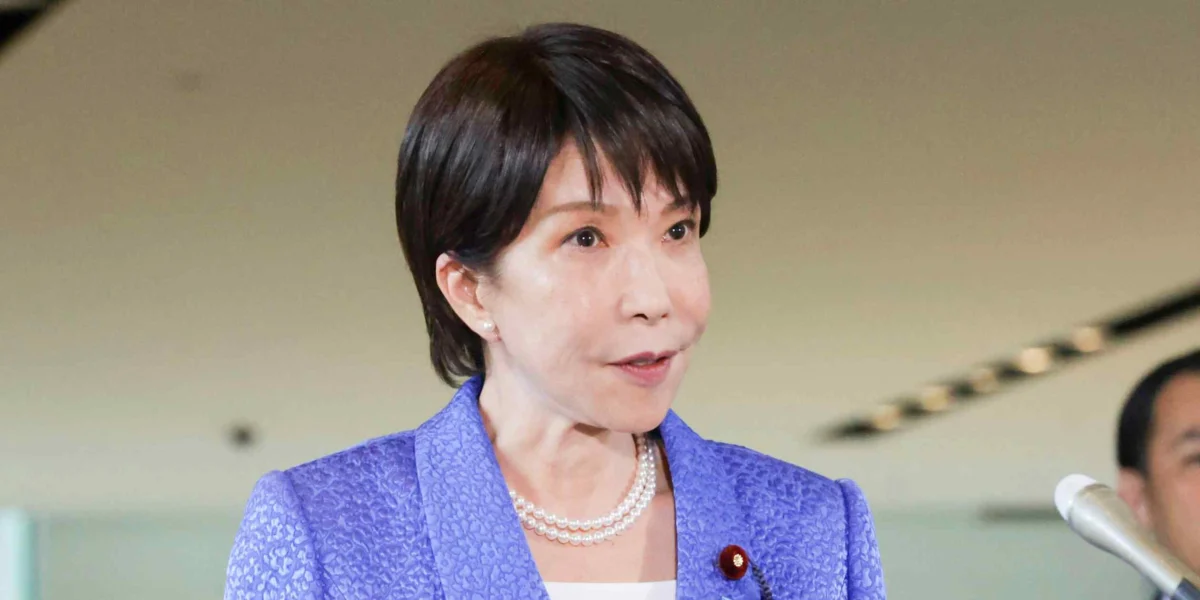
TOKYO – In a strategic move signaling a strong emphasis on continuity and stability, Japanese Prime Minister Sanae Takaichi announced a significant cabinet reshuffling on Thursday, September 17, 2026. While several ministerial positions saw changes, the retention of crucial portfolios such as finance, defense, and foreign affairs underscores Takaichi’s commitment to maintaining the established trajectory of her administration amidst a complex domestic and international landscape. The decision to keep these key figures in place is widely interpreted as an effort to project an image of unwavering leadership and to leverage the experience of seasoned ministers to navigate ongoing policy initiatives and potential future challenges.
A Calculated Approach to Ministerial Appointments
The reshuffling, which took place at the Prime Minister’s official residence in Tokyo, involved a number of portfolios, but the core economic and security teams remained intact. This deliberate choice by Prime Minister Takaichi reflects a broader political strategy to reassure both domestic and international stakeholders about the government’s commitment to its current policy agenda. In times of global economic uncertainty and evolving geopolitical tensions, maintaining a steady hand in critical ministries is often seen as a vital component of effective governance.
The finance minister, whose tenure is crucial for steering Japan’s economic recovery and fiscal policies, was notably retained. This individual has been instrumental in the implementation of the government’s fiscal stimulus packages and has been actively engaged in managing national debt and inflation. Their continued presence is expected to ensure the smooth execution of ongoing economic reforms aimed at boosting domestic demand and fostering sustainable growth. Data from the Ministry of Finance indicated that Japan’s GDP growth had shown a modest but consistent upward trend over the past two fiscal years, a performance analysts attribute, in part, to the stability of its economic leadership.
Similarly, the defense minister’s reappointment is a significant indicator of Takaichi’s focus on national security. In the current geopolitical climate, with regional security dynamics in constant flux, a stable defense leadership is paramount. The minister has been at the forefront of Japan’s efforts to bolster its defense capabilities in response to evolving regional threats, including the ongoing modernization of the Self-Defense Forces and the strengthening of alliances with key international partners. Official defense spending figures for the current fiscal year show a marked increase, reflecting the government’s proactive stance on security.
The foreign minister’s continued role is also critical, given Japan’s active participation in global diplomacy and its commitment to multilateralism. The minister has been a key architect of Japan’s foreign policy, actively engaging in international forums and working to strengthen diplomatic ties with nations across the globe. Their reappointment signals a commitment to maintaining Japan’s engagement on critical international issues, from trade negotiations to climate change initiatives. Japan’s diplomatic engagement in the past year has seen it play a pivotal role in several high-profile international summits, advocating for free trade and regional stability.
The Rationale Behind Continuity
The decision to maintain the existing leadership in these vital ministries can be attributed to several factors. Firstly, it allows for the uninterrupted progress of long-term policy objectives. Major economic and security initiatives often require years of consistent implementation and adaptation, and frequent ministerial changes can disrupt these processes. By retaining experienced ministers, Takaichi ensures that institutional knowledge and established relationships with domestic and international counterparts are preserved.
Secondly, the move aims to project an image of strength and reliability to both domestic and international audiences. In an era characterized by rapid change and unforeseen crises, a stable government leadership can instill confidence. This is particularly important for attracting foreign investment and for maintaining Japan’s credibility in global financial markets. Analysts have noted that markets often react positively to signs of political stability, which can translate into more favorable investment conditions.
Thirdly, the Prime Minister may be seeking to consolidate her political base within the Liberal Democratic Party (LDP). By rewarding loyal and effective ministers, Takaichi can strengthen her position and ensure a cohesive party structure as she looks towards future political endeavors. The LDP, a dominant force in Japanese politics, relies on internal unity to maintain its electoral success.
Timeline of the Reshuffle
The process leading up to Thursday’s cabinet announcement was characterized by intense speculation and behind-the-scenes negotiations. Reports suggest that Prime Minister Takaichi spent weeks consulting with senior party officials and weighing the merits of various appointments. The formal announcement on September 17th followed a period of discreet consultations.
- Early September 2026: Initial discussions regarding potential cabinet changes begin within the Prime Minister’s office and senior LDP leadership.
- Mid-September 2026: Rumors of significant reshuffles circulate in political circles, with particular focus on key economic and security portfolios.
- September 16, 2026: Prime Minister Takaichi holds meetings with reporters at the Prime Minister’s office, offering a brief but guarded statement on the upcoming changes. The image accompanying this report, showing Takaichi answering questions, captures the atmosphere of anticipation surrounding the event.
- September 17, 2026: The official announcement of the cabinet reshuffle is made, confirming the retention of key ministers.
Supporting Data and Context
To understand the significance of this cabinet reshuffle, it is essential to consider the broader context of Japan’s current situation. Economically, Japan has been navigating a complex path, balancing the need for fiscal stimulus with concerns about national debt. The Bank of Japan’s monetary policy, alongside government fiscal measures, has been aimed at achieving sustained inflation and economic growth. Recent inflation figures have shown a gradual increase, a sign that some of these policies may be gaining traction. However, demographic challenges, including an aging population and a declining birthrate, continue to pose long-term economic headwinds.
Geopolitically, the region remains a focal point of global attention. Tensions in Northeast Asia, coupled with shifts in global power dynamics, necessitate a strong and consistent foreign and defense policy. Japan’s security posture has been evolving, with increased emphasis on collective defense and the strengthening of its alliance with the United States. The recent White Paper on Defense highlighted the growing complexities of the regional security environment and outlined Japan’s strategic responses.
Reactions and Analysis
While the specific reactions of individual ministers were not immediately available, the general sentiment among political analysts and commentators points towards an appreciation for the Prime Minister’s focus on stability.
"This is a pragmatic decision by Prime Minister Takaichi," commented Dr. Hiroshi Sato, a political scientist at Tokyo University. "In uncertain times, continuity in leadership, particularly in critical ministries, provides a sense of reassurance. It suggests that the government is not prone to impulsive decisions and is committed to seeing its policies through."
However, some observers might argue that a more comprehensive reshuffle could have injected fresh perspectives and invigorated policy implementation. The absence of significant changes in key departments could also lead to criticisms of stagnation if new challenges emerge that require novel approaches.
The implications of this decision are far-reaching. For the Japanese economy, it suggests a continued adherence to current fiscal and monetary policies, providing a predictable environment for businesses and investors. In terms of foreign policy, it signals a commitment to maintaining existing alliances and diplomatic engagements, reinforcing Japan’s role as a responsible global actor. The defense portfolio’s stability is crucial for the ongoing modernization of the Self-Defense Forces and for maintaining readiness in a volatile region.
In conclusion, Prime Minister Sanae Takaichi’s recent cabinet reshuffling is a clear indication of her strategic priorities. By retaining key ministers in finance, defense, and foreign affairs, she has signaled a strong commitment to stability, continuity, and the steady execution of her administration’s agenda. This approach aims to build confidence both domestically and internationally, positioning Japan to navigate the complexities of the current global landscape with a steady hand. The coming months will reveal the full impact of these appointments as the government continues to pursue its policy objectives.