Clara Shinta
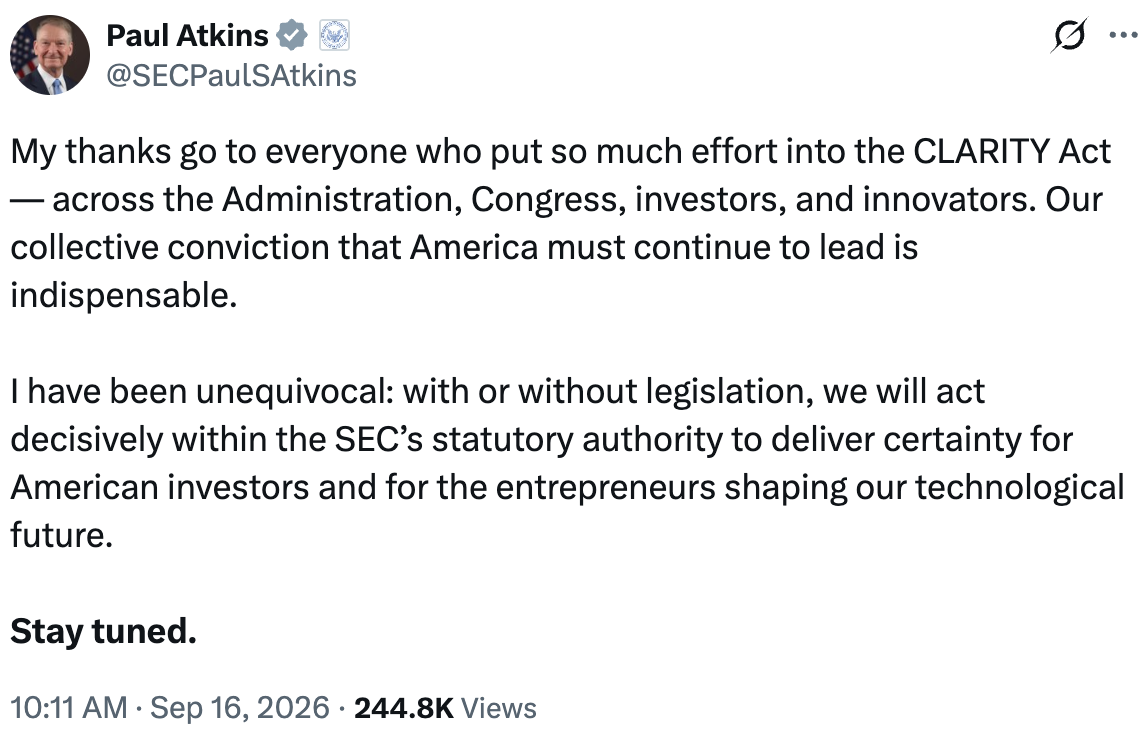
The United States House Ways and Means Committee made a significant stride on Wednesday by passing the Digital Asset Tax Certainty Act with robust bipartisan support, pushing forward a critical piece of legislation designed to redefine the federal tax landscape for digital assets. This move signals a concerted effort by lawmakers to bring much-needed clarity to a rapidly evolving sector that has long grappled with ambiguous tax guidelines. The bill, which advanced with an overwhelming 38-5 vote, comprehensively addresses a wide array of crypto-related activities, including stablecoins, mining and staking operations, digital asset lending, and transaction fees. Its passage out of committee marks a pivotal moment, sending the legislation to the full House of Representatives for further consideration and potential debate.
Among its most impactful provisions, the Digital Asset Tax Certainty Act seeks to establish specialized tax treatments for qualifying dollar-pegged stablecoins, aiming to simplify the tax implications for assets designed to maintain a stable value. It also extends these special considerations to certain crypto lending agreements, acknowledging the unique financial structures prevalent in the decentralized finance (DeFi) ecosystem. Furthermore, the bill proposes extending wash-sale rules – traditionally applied to conventional securities to prevent taxpayers from claiming artificial losses – to widely traded digital assets, fostering greater parity across financial markets. New, clearer guidelines for income derived from mining and staking activities are also central to the legislation, addressing a long-standing point of confusion for participants in these fundamental blockchain operations.
A particularly noteworthy inclusion in the bill is the creation of a de minimis exemption for minor crypto transaction fees. This provision would allow taxpayers to avoid recognizing gains or losses when digital assets are utilized to cover qualifying network or transaction fees amounting to $10 or less. This practical measure is designed to alleviate the significant compliance burden on individuals engaging in frequent small-value crypto transactions, potentially encouraging broader adoption of digital assets for everyday commerce without triggering complex tax reporting requirements for every micro-payment. For instance, a user paying a $5 gas fee on the Ethereum network would no longer need to calculate and report a potential capital gain or loss on the specific cryptocurrency used to cover that fee, simplifying personal finance management in the digital realm.
The Urgent Need for Tax Clarity in the Digital Asset Space
The existing regulatory framework for digital assets in the U.S. has been a patchwork of guidance, primarily stemming from the Internal Revenue Service (IRS) Notice 2014-21, which initially classified virtual currency as property for tax purposes. This foundational guidance, while important, predates much of the modern crypto ecosystem, including the proliferation of stablecoins, sophisticated DeFi protocols, and various staking models. Consequently, investors and businesses have operated in a grey area, often relying on interpretations that vary and can be inconsistent. The absence of specific legislative clarity has created significant compliance challenges, leading to concerns about underreporting, accidental non-compliance, and hindering innovation due to regulatory uncertainty.
For example, the tax treatment of staking rewards has been a contentious issue. Under current interpretations, staking rewards are generally considered income at the fair market value of the crypto received at the time of receipt. However, questions persist regarding when the income is truly "realized" – upon receipt, upon sale, or at some other point. The proposed legislation aims to provide definitive answers, potentially aligning the treatment of staking income more closely with traditional financial instruments or creating a unique, tailored approach. Similarly, the tax implications of stablecoins, which are often used as a medium of exchange rather than a speculative asset, have been problematic. Treating every stablecoin transaction as a taxable event, even when pegged 1:1 to the U.S. dollar, creates unnecessary complexity and friction for users seeking to utilize them for payments or as a temporary store of value. The special tax treatment proposed could exempt certain stablecoin movements from immediate capital gains/losses, reflecting their fungibility and stable nature.

The extension of wash-sale rules is another crucial aspect. Wash-sale rules prevent investors from selling an asset at a loss and then repurchasing a substantially identical asset within 30 days, thereby artificially creating a tax deduction. While these rules apply to stocks and bonds, their applicability to digital assets has been debated due to the unique characteristics of crypto markets. Extending these rules aims to prevent manipulation and ensure fairness in tax reporting, treating digital assets with a similar level of scrutiny as traditional securities. The bipartisan support for these measures underscores a growing consensus among lawmakers that the digital asset economy has matured to a point where comprehensive and clear tax guidelines are not just beneficial, but essential for its legitimate integration into the broader financial system.
A Broader Regulatory Effort Faces Senate Stalemate
The positive momentum for tax certainty in the House, however, occurred just one day after a significant setback for broader digital asset regulation in the Senate. On Tuesday, the CLARITY Act, a more expansive market structure bill, failed to advance, stalling efforts to establish a comprehensive federal regulatory framework for digital assets and delineate the distinct roles of the Securities and Exchange Commission (SEC) and the Commodity Futures Trading Commission (CFTC). The cloture motion, which would have allowed the legislation to proceed to debate on the Senate floor, fell short with a 49-50 vote, needing 60 votes to pass. This failure highlights the deep political divisions and complexities inherent in crafting overarching crypto legislation.
The CLARITY Act, championed by Senator Cynthia Lummis, chair of the Senate Banking Subcommittee on Digital Assets and a lead sponsor, aimed to address the long-standing "turf war" between the SEC and CFTC over crypto jurisdiction. For years, the lack of clear demarcation has led to regulatory uncertainty, with both agencies asserting authority over different aspects of the digital asset market, often resulting in "regulation by enforcement" rather than proactive legislative guidance. The bill sought to clarify which digital assets fall under the SEC’s purview as securities and which are considered commodities under the CFTC’s jurisdiction, a distinction critical for determining applicable rules regarding registration, disclosure, and market oversight. Its failure means this ambiguity will persist, leaving market participants to navigate a fractured regulatory landscape.
Senator Lummis openly expressed her frustration following the vote, accusing Democrats of "moving the goal posts" during negotiations. In a public statement on X, she asserted, "For over a year, they presented demands and the second we met them, they made new demands and moved the goal posts." Lummis further claimed that Democrats had voted against proposed consumer protections and restrictions on politicians’ personal crypto investments, suggesting a political impasse rather than substantive disagreement on the bill’s core principles. This sentiment underscores the challenges of achieving bipartisan consensus on complex financial legislation, particularly when political stakes are high and differing ideologies clash over the scope and nature of government oversight.
Regulators Pledge Continued Action Amidst Legislative Gridlock
In the wake of the CLARITY Act’s failure to advance in the Senate, both the SEC and CFTC quickly signaled their intent to press forward with crypto regulation using their existing statutory authorities. This pivot indicates that while a comprehensive legislative framework remains elusive, federal agencies are not waiting for Congress to act.
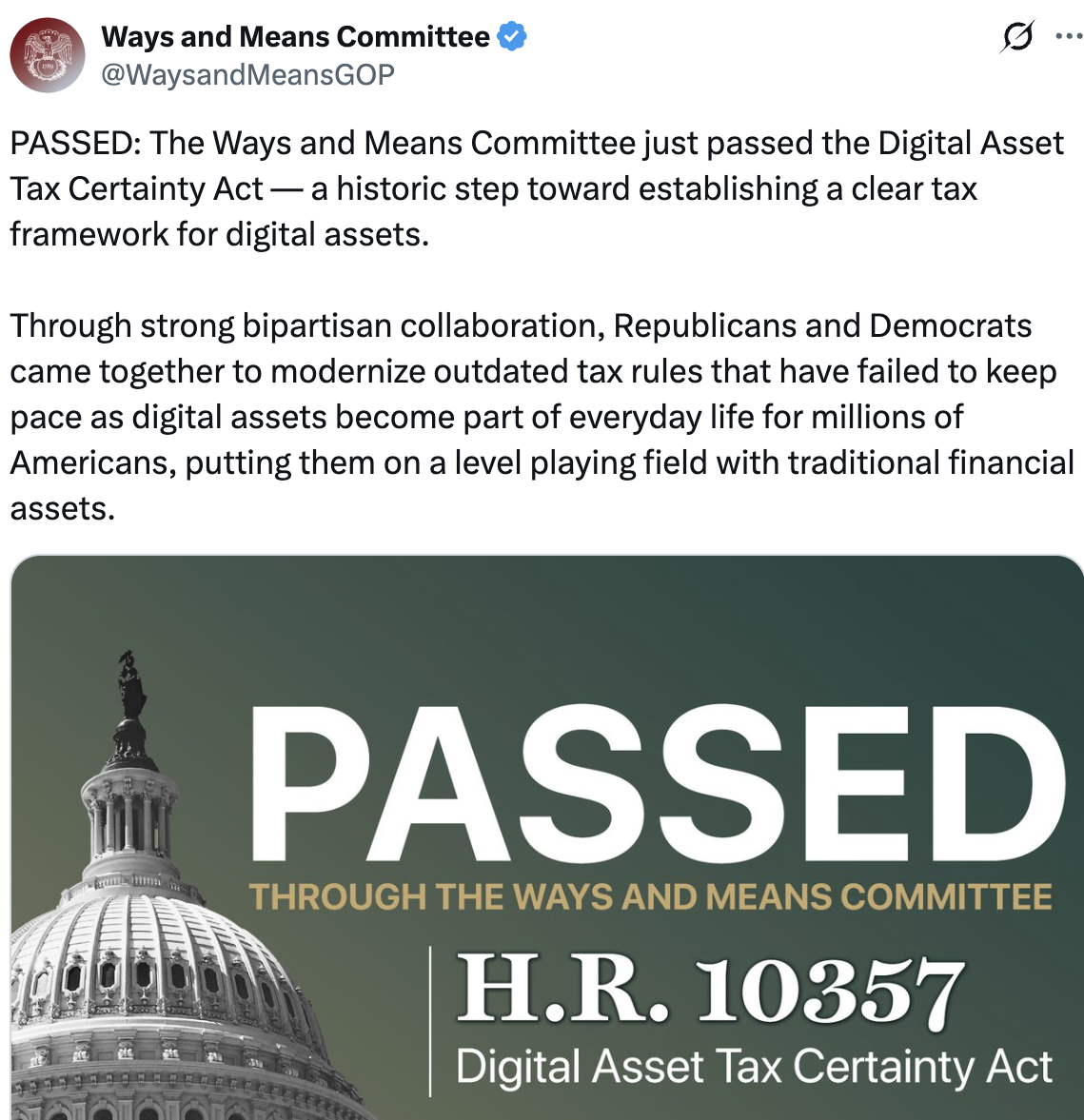
SEC Chair Paul Atkins, echoing a long-held stance, affirmed the agency’s commitment to delivering certainty for investors and entrepreneurs. In a post on X, Atkins stated, "With or without legislation, we will act decisively within the SEC’s statutory authority to deliver certainty for American investors and for the entrepreneurs shaping our technological future. Stay tuned." This statement implies a continued reliance on existing securities laws to police the crypto market, including potential enforcement actions against unregistered offerings, fraud, and manipulation. The SEC’s approach has often been criticized by industry players for being overly aggressive and stifling innovation, but Atkins’s comments suggest no immediate change in strategy. This means companies involved in issuing or trading digital assets perceived as securities will likely continue to face scrutiny and potential legal challenges from the SEC.
Similarly, CFTC Chair Michael Selig reiterated his agency’s resolve to establish clear rules. "The CFTC is locked in and ready to ship its rules for the new frontier of finance," Selig declared in a Wednesday post on X. He emphasized that Americans "deserve regulatory clarity, legal certainty, and consumer protections in crypto asset markets," indicating that the CFTC will continue to assert its authority over digital assets deemed commodities, particularly in derivatives markets. The CFTC’s focus has historically been on preventing market manipulation and ensuring fair trading practices in futures and options contracts. Their readiness to "ship rules" suggests upcoming guidance or enforcement actions targeting commodity-based digital assets and their trading platforms.
Implications of Divergent Legislative and Regulatory Paths
The contrasting outcomes in the House and Senate—advancement of a targeted tax bill versus the failure of a broad market structure bill—paint a complex picture for the future of digital asset regulation in the U.S.
The passage of the Digital Asset Tax Certainty Act through the Ways and Means Committee is a positive development for the crypto industry, offering a glimpse of legislative progress in a crucial area. If enacted, it would significantly reduce the compliance burden for millions of crypto users and businesses, fostering greater participation and potentially attracting more institutional investment by providing predictable tax outcomes. The de minimis exemption alone could have a profound impact on the usability of cryptocurrencies for micro-transactions and everyday purchases, removing a significant hurdle that currently makes such uses impractical from a tax reporting standpoint. This clarity could encourage greater mainstream adoption and integration of digital assets into the broader economy.
However, the failure of the CLARITY Act leaves a substantial void in comprehensive regulatory oversight. Without a clear legislative mandate, the "turf war" between the SEC and CFTC is likely to continue, leading to ongoing uncertainty for market participants. This piecemeal approach to regulation—where agencies act independently under existing, sometimes ill-fitting, statutes—can create inefficiencies, stifle innovation, and expose investors to risks that a unified framework might mitigate. Businesses operating in the digital asset space will continue to face the challenge of complying with potentially overlapping or conflicting requirements from multiple regulators, increasing operational costs and legal liabilities. This environment could lead to regulatory arbitrage, where companies seek to operate in jurisdictions or structures that offer the least regulatory burden, potentially at the expense of investor protection.
From an economic perspective, continued regulatory uncertainty in the U.S. could hinder the growth of the domestic digital asset industry. While other major global economies, such as the European Union with its Markets in Crypto-Assets (MiCA) regulation, are moving towards comprehensive frameworks, the U.S. risks falling behind. This could lead to a brain drain of talent and capital to more crypto-friendly jurisdictions, impacting America’s leadership in financial technology and innovation.
For investors, the situation remains a mixed bag. The prospect of clearer tax rules is welcome, but the absence of a comprehensive market structure framework means that fundamental questions about asset classification, exchange oversight, and consumer protection remain unanswered at the legislative level. This necessitates a continued reliance on agency enforcement actions, which can be reactive and sometimes unpredictable, making it difficult for investors to assess risk and make informed decisions.
Looking Ahead: The Path to Resolution
The current legislative landscape suggests that any future progress on comprehensive digital asset regulation in the U.S. will likely be incremental and challenging. While the House bill still needs to pass the full House and then the Senate, its bipartisan support in committee indicates a potential path forward for specific, targeted legislation. This might signal a shift towards addressing individual aspects of the crypto market through focused bills, rather than attempting to pass a single, sweeping framework.
The pronouncements from SEC Chair Atkins and CFTC Chair Selig confirm that regulatory agencies will not stand idly by. Their proactive stance, while perhaps not ideal for those seeking legislative clarity, ensures that the digital asset market will not operate in an entirely unregulated vacuum. However, industry stakeholders will likely continue to advocate for legislative solutions, arguing that agency-led regulation, by its nature, cannot provide the holistic and stable framework necessary for long-term growth and investor confidence. The dialogue between lawmakers, regulators, and industry participants will undoubtedly continue, as the U.S. grapples with how to effectively integrate and oversee the burgeoning digital asset economy.