Gilang Muhammad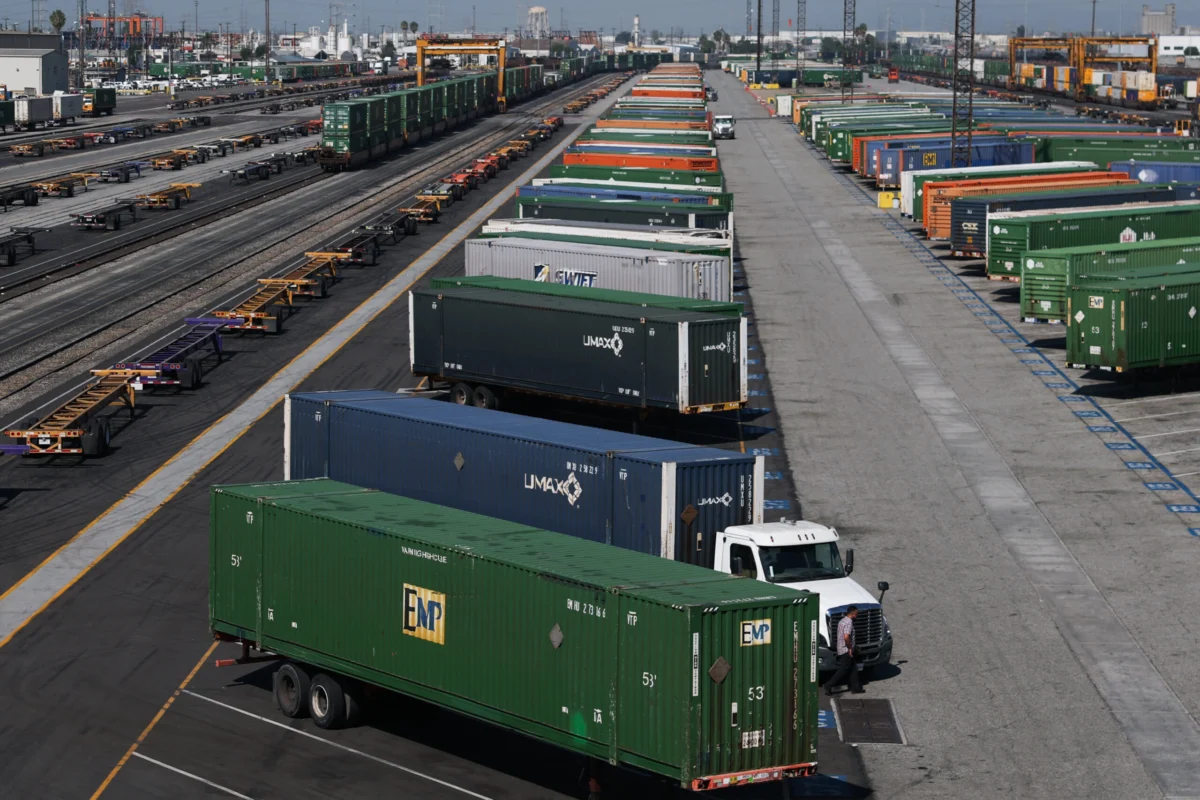
The critical U.S. transportation sector, widely recognized as the lifeblood of the nation’s sprawling economy, is sounding alarm bells as diesel fuel costs surge to unprecedented levels, primarily driven by the escalating U.S. war with Iran. On Wednesday, the national average price for a gallon of diesel, the indispensable fuel powering America’s vast network of trucks, trains, and maritime vessels, reached an all-time high of approximately $6.31, according to data compiled by AAA. This represents a staggering increase of over 70% compared to just one year ago, with analysts pointing directly to the severe supply shock emanating from the ongoing geopolitical conflict in the Middle East.
The Economic Strain on Logistics
The repercussions of this dramatic price hike are already manifesting across the logistics landscape. Brad Delco, the finance chief at major trucking firm J.B. Hunt, articulated the gravity of the situation at a recent industry conference hosted by Morgan Stanley. "We have seen some of the most radical and abnormal swings in fuel prices that I think we’ve ever seen," Delco remarked, underscoring the extreme volatility impacting operational costs. He warned investors to anticipate a significant downturn in earnings for J.B. Hunt, projecting a drop of between 5% and 10% from the second to the third quarter as a direct consequence of these soaring fuel expenses. The market reacted swiftly and harshly, with shares of J.B. Hunt plummeting more than 13% during Wednesday’s trading session, marking one of its worst single-day performances since the company went public in 1983.
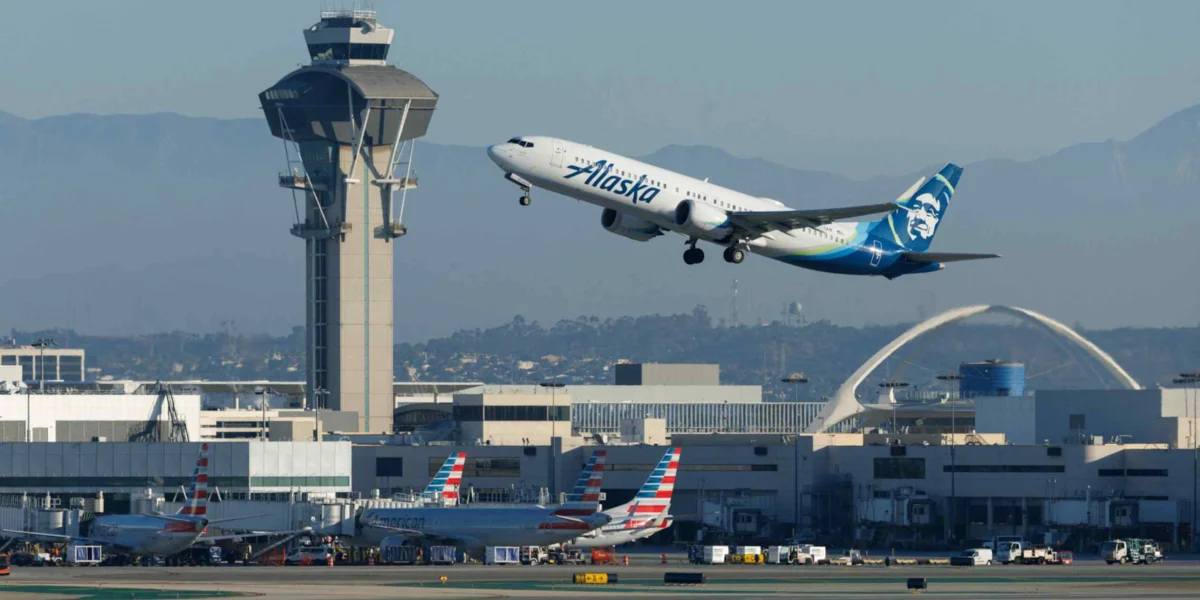
This negative sentiment rippled throughout the broader market. The Dow Jones Transportation Average, a key barometer for the sector encompassing not only trucking and rail but also airlines and rideshare providers, experienced a decline of over 2% in midday trading on Wednesday. J.B. Hunt emerged as the most significant drag on the index, highlighting the widespread concern over escalating operational expenditures within the industry.
Unprecedented Price Surges: A Regional Breakdown
Experts caution that these diesel-related price pressures are not merely a temporary blip but are poised to intensify further in the immediate future. Patrick De Haan, head of petroleum analysis at price tracker GasBuddy, warned that the national average could conceivably surpass $6.50 per gallon within the next two days. His projections indicate an even more dire scenario for Midwest states such as Michigan, Ohio, and Illinois, where per-gallon diesel prices could touch an astonishing $7 in the coming days.
The situation is particularly acute in California, where AAA data already shows the average rate for a gallon of diesel has climbed past the $8 mark. In this economically vital state, prices have surged by nearly 20% in the last month alone, creating an extraordinary burden on businesses and consumers alike. Claude Elkins, chief commercial officer at railway transporter Norfolk Southern, succinctly captured the disbelief surrounding these figures during the Morgan Stanley conference held in Laguna Beach, California. "We’re talking about $6 diesel, but out here, it’s $8 diesel, we noticed on the way in, which is like science fiction," Elkins stated, emphasizing the almost surreal nature of the current pricing environment.
Geopolitical Underpinnings: The Iran Conflict’s Role
The primary catalyst for this severe supply shock, as identified by analysts, is the U.S. war with Iran. While specific details of the conflict remain dynamic and complex, its impact on global energy markets is unequivocal. The Strait of Hormuz, a critical chokepoint through which a significant portion of the world’s oil supply passes, becomes inherently vulnerable during such hostilities. Disruptions, or even the credible threat of disruptions, in this vital waterway can send crude oil prices soaring. Furthermore, any direct or indirect impact on oil production capabilities in the Middle East, whether through sanctions, military actions, or regional instability, immediately tightens global supply.
The market’s sensitivity to geopolitical events has been further amplified by existing supply chain fragilities and the lingering effects of the Russia-Ukraine conflict, which had already introduced significant volatility to global energy markets. The confluence of these factors has created a perfect storm for diesel prices, which are refined from crude oil and are particularly susceptible to supply-side shocks due to their inelastic demand from critical sectors. Unlike gasoline, which sees some demand elasticity with consumer behavior, diesel powers essential industries that cannot easily reduce consumption without severe economic consequences.
Broader Economic Implications: From Farms to Dinner Tables
The transportation services sector is a colossal contributor to the U.S. economy. In 2024, it added an estimated $1.9 trillion, accounting for more than 6% of the country’s total enhanced gross domestic product, according to the Bureau of Transportation Statistics. This makes any significant disruption or cost escalation within the sector a matter of profound national economic concern.
Claude Elkins of Norfolk Southern acknowledged the potential for widespread economic fallout, stating he keeps a "very cautious eye" on these price levels and engages in ongoing discussions about their broader implications. "That certainly is something that we have to keep our eyes open to," Elkins said, adding, "Ultimately, over some period of time, that’s going to be a drag on the consumer out there."
Despite these inflationary pressures, recent retail sales data showed some resilience, with sales climbing 1.2% from July to August. Excluding spending on autos and gas stations, sales grew at their highest level in over a year. This suggests that while energy costs are a concern, consumer spending power has, in certain segments, maintained momentum. However, economists warn that this resilience may be tested severely as higher transportation costs inevitably filter down the supply chain.
The timing of these record diesel prices is particularly problematic as it coincides with the fall harvest season. This period sees an intense demand for diesel, not only for transporting agricultural goods but also for powering heavy machinery used in planting and harvesting. Jacob Aiken-Phillips, head of consumer and retail research at Melius Research, highlighted that these ballooning costs will disproportionately affect producers of staple crops like corn and wheat. Economists have long cautioned that elevated input costs for farmers, transporters, and manufacturers eventually translate into "sticker shock" for Americans at the grocery store or when dining out. Aiken-Phillips clarified that while the immediate burden falls on farmers, transporters, and retailers, these fuel-related inflationary pressures will eventually be passed down to consumers in the form of higher prices for goods.
Adapting to the New Reality: The Push for Innovation
In the face of such extreme market conditions, there is an accelerated push towards alternative solutions within the transportation sector. George Gianarikas, an analyst at Canaccord Genuity, noted in a client brief that the relentless rise in fuel prices could, paradoxically, serve as a potent catalyst for increased demand in innovative transportation technologies. Specifically, Gianarikas pointed to autonomous trucking and electric freight offerings as viable long-term solutions that could mitigate the industry’s reliance on volatile fossil fuel markets.
The development and deployment of self-driving trucks, which promise optimized fuel efficiency through precise driving and route planning, could become more attractive despite their high initial investment costs. Similarly, electric freight solutions, from battery-powered semi-trucks to electrified rail lines, offer a path toward energy independence from diesel, albeit with significant infrastructure challenges and upfront capital expenditures. This crisis may well accelerate investment and regulatory support for these nascent technologies, transforming them from futuristic concepts into urgent economic necessities.
Chronology of Escalation and Outlook
The trajectory of diesel prices has been steep and alarming:
- August 26, 2026: A person is photographed in Commerce, California, in front of a semi-truck at a rail yard, capturing an early snapshot of the operational environment preceding the peak.
- A Year Ago: Diesel prices were more than 70% lower than current levels, indicating a rapid and sustained increase.
- September 11, 2026: Early reports from CNBC began highlighting the surge in diesel prices, linking it to the U.S. war with Iran and the Russia-Ukraine conflict.
- September 15, 2026: CNBC reports on the potential cost of the Iran war, including Pentagon weapons, signaling the broader economic and military impact of the conflict.
- Tuesday (Morgan Stanley Conference): Industry leaders like Claude Elkins expressed shock at California’s $8 per gallon diesel, emphasizing the "science fiction" nature of the prices.
- Wednesday (Current Reporting Day): National average diesel price hits an all-time high of $6.31 per gallon. J.B. Hunt shares plummet over 13%, and the Dow Jones Transportation Average falls more than 2%.
- Coming Days (Forecast): GasBuddy’s Patrick De Haan predicts the national average could exceed $6.50, with Midwest states potentially seeing prices touch $7.
The ongoing U.S. war with Iran, which is cited as the primary driver of the supply shock, continues to inject uncertainty into the global energy market. The long-term implications for crude oil production, refining capacity, and global trade routes remain highly contingent on the conflict’s progression and resolution.
Official Responses and Broader Policy Considerations
While the immediate market reaction has been swift, official responses from government bodies and industry associations are expected to intensify. The Department of Transportation, for instance, might face increased pressure to explore contingency plans for supply chain resilience. The Department of Energy could evaluate options for bolstering domestic refining capacity or consider strategic petroleum reserve releases, though diesel-specific reserves are not as robust as crude oil. Furthermore, discussions around energy policy, including investments in renewable energy and alternative fuels, are likely to gain renewed urgency in congressional and administrative circles.
Agricultural associations are expected to lobby for support or subsidies to help farmers absorb the unprecedented fuel costs, preventing widespread disruption to food supplies and further inflationary pressures on consumers. The Federal Reserve, already grappling with broader inflationary trends, will undoubtedly monitor transportation costs closely as a key indicator of persistent price pressures throughout the economy.
The current crisis underscores the intricate interconnectedness of geopolitics, energy markets, and the everyday economy. The U.S. transportation sector, a vital artery of commerce, now finds itself at a critical juncture, navigating historically high fuel costs with profound implications for businesses, consumers, and the overall stability of the nation’s economic outlook. The coming months will test the resilience of supply chains and the adaptability of industries, potentially ushering in a new era of innovation and strategic re-evaluation in how goods are moved across America.
— CNBC’s Laya Neelakandan contributed to this report.