Ena Muazin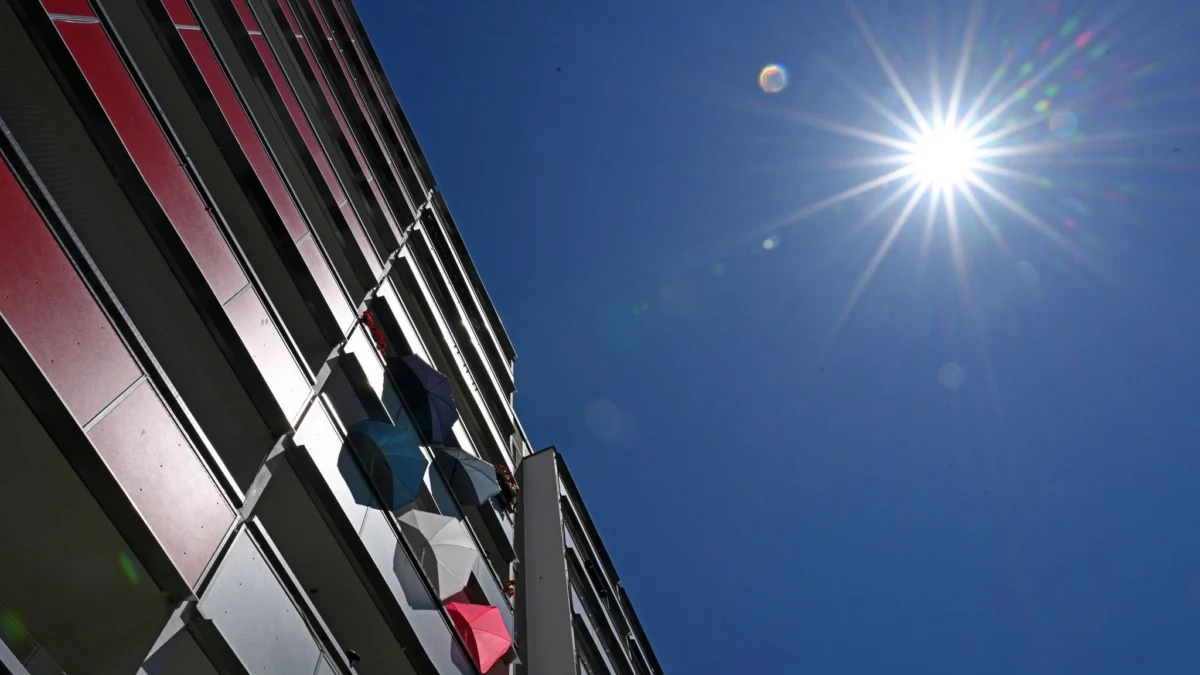
Frankfurt – Manfred Goldstein believed he had secured his retirement by purchasing a plot of land near the Werre River. However, the 3,000-square-meter plot, acquired in 1997, is now slated to be designated as a green space by the city of Herford due to flood risk, rendering any construction impossible. This case exemplifies how extreme weather events are increasingly impacting the real estate market, raising crucial questions for investors and buyers about property value resilience and future pricing.
The escalating frequency and intensity of climate-related events, such as heatwaves, heavy rainfall, and floods, are no longer just environmental concerns; they are becoming significant financial risks for the property sector. Homeowners and potential buyers are increasingly facing the prospect of their investments being devalued due to their vulnerability to these phenomena. The German real estate market, like many globally, is beginning to grapple with the tangible economic consequences of a changing climate.
The Growing Threat: Climate Change and Real Estate Value
The real estate market’s sensitivity to environmental factors is not new. Historically, desirable locations have often been influenced by proximity to natural amenities like coastlines or scenic landscapes. However, the paradigm is shifting, with environmental hazards now posing a direct threat to property values. Extreme weather events can lead to direct physical damage, increased insurance premiums, and, in severe cases, a complete loss of habitability.
A study by the German Institute for Economic Research (DIW Berlin) in 2022 highlighted that properties in flood-prone areas could experience price drops of up to 10% by 2050. Similarly, areas susceptible to heat stress might see a decline in value due to increased cooling costs and reduced comfort. This data underscores a growing trend: climate risk is becoming a quantifiable factor in property valuation.

The case of Manfred Goldstein in Herford is a stark illustration of this evolving reality. His planned retirement home, once a symbol of future security, is now caught in the crosshairs of urban planning driven by the undeniable impact of climate change. The city’s decision, while aimed at mitigating future flood damage, directly impacts the economic viability of Goldstein’s investment.
Key Findings: Analyzing the Impact
To understand the depth of this challenge, Handelsblatt has consulted with experts, analyzed several studies, and examined exclusive data from the real estate portal Immoscout24. The findings reveal five critical insights into how climate change is reshaping the German property market:
- Geographic Vulnerability: Certain regions in Germany are demonstrably more at risk from specific climate impacts. Areas along major rivers, coastlines, and those with extensive impervious surfaces are more susceptible to flooding and urban heat island effects.
- Direct Economic Impact: Climate events are no longer abstract threats but are already causing measurable financial losses. This includes repair costs, increased insurance premiums, and, as seen in Herford, potential loss of development rights.
- Investor and Buyer Behavior: As awareness of climate risks grows, investors and buyers are beginning to incorporate these factors into their decision-making processes. This can lead to a bifurcated market, with climate-resilient properties retaining or even increasing their value, while vulnerable ones depreciate.
- Insurance and Financing Challenges: The rising cost of climate-related damage is also affecting the insurance industry and financial institutions. This could lead to higher premiums, stricter lending criteria for properties in high-risk zones, or even a withdrawal of insurance coverage in some areas.
- Policy and Planning Implications: Local and national governments are under increasing pressure to adapt urban planning and building regulations to account for climate change. This includes zoning laws, flood protection measures, and incentives for climate-resilient construction.
A Chronology of Growing Concern
The recognition of climate change as a significant economic factor in real estate has evolved over the past decade. While early discussions often focused on long-term projections, recent years have seen a more immediate impact:
- 2013-2014: Significant flooding events across Germany, particularly along the Elbe and Danube rivers, brought the issue of flood risk to the forefront of public and governmental discussions. This led to initial reviews of flood protection strategies and building codes in affected areas.
- 2018-2019: A series of exceptionally hot summers and droughts highlighted the impact of heatwaves and water scarcity. This prompted a greater focus on the urban heat island effect and the need for green infrastructure in cities.
- 2021: Widespread heavy rainfall and devastating floods in western Germany, notably in the Ahr Valley, caused immense destruction and loss of life. This event served as a wake-up call, demonstrating the severe consequences of extreme precipitation events and the inadequacy of existing preparedness measures in some regions. The aftermath saw extensive debates about the future of construction in high-risk zones.
- 2022-Present: Increased attention on the economic implications of climate change for the real estate sector. Studies began quantifying potential value depreciation, and real estate portals started integrating climate risk data into their offerings. Discussions about climate-resilient building standards and adaptation strategies gained momentum.
The Herford case, while seemingly localized, is symptomatic of a broader, intensifying trend. The city’s decision to rezone Mr. Goldstein’s land is a direct response to the increased flood risk, a risk amplified by climate change. This suggests a proactive, albeit potentially economically challenging, approach to managing future environmental threats.

Data Insights: Quantifying the Risk
Analysis of data from Immoscout24, a leading German real estate portal, reveals regional disparities in property market performance that correlate with climate risk indicators. While a comprehensive real-time climate risk index for all properties is still under development, certain trends are discernible:
- Flood-Prone Areas: Properties located in designated flood zones, particularly those with a history of recent inundation, are showing slower price appreciation compared to similar properties in lower-risk areas. In some instances, asking prices in these zones have stagnated or even slightly declined when adjusted for market-wide inflation.
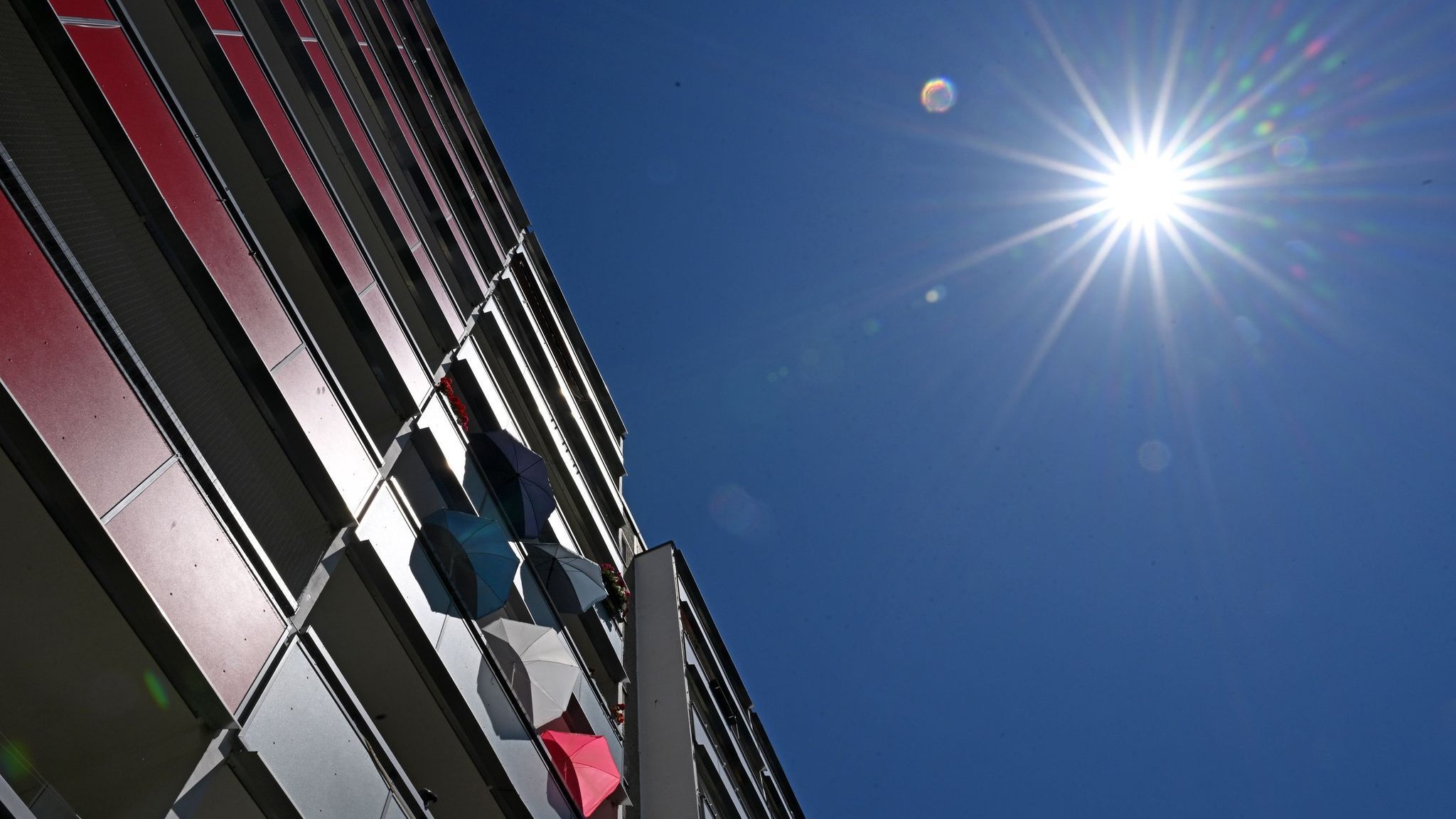
- Urban Heat Islands: In major metropolitan areas, neighborhoods with limited green spaces and a high density of buildings are experiencing increased demand for properties with features that mitigate heat, such as air conditioning, shaded balconies, or proximity to parks. While direct price drops are less evident, the cost of retrofitting older buildings for climate resilience is becoming a significant factor in buyer considerations.
- Insurance Costs: Anecdotal evidence from real estate agents suggests that insurance premiums for properties in high-risk areas have been steadily increasing. In some cases, insurers are imposing higher deductibles or requiring specific mitigation measures as a condition of coverage, adding to the overall cost of homeownership.
A report by the German Council of Economic Experts in 2023 estimated that climate change could lead to direct economic damages in Germany totaling several hundred billion euros by mid-century, with a significant portion attributed to real estate losses. This projection underscores the urgency of addressing climate risks in property development and investment.

Expert Perspectives and Industry Reactions
Real estate experts are increasingly vocal about the need to integrate climate risk assessment into property transactions. "We are moving from a scenario where climate change was a distant threat to one where it is a present reality impacting property values," stated Dr. Anna Weber, a real estate economist at the University of Munich. "Buyers are becoming more informed and are factoring in the long-term viability and associated costs of owning property in climate-vulnerable locations."
The German Real Estate Association (IVD) has acknowledged these concerns. While emphasizing that the market is not yet experiencing widespread panic, the IVD has called for greater transparency and the development of standardized climate risk assessments for properties. "It is crucial for buyers and sellers to have access to reliable information about the climate resilience of a property," a spokesperson for the IVD commented. "This will help prevent future market distortions and ensure informed investment decisions."

Financial institutions are also beginning to adjust their strategies. Banks are exploring the use of climate risk modeling to inform their lending decisions, potentially leading to higher interest rates or loan-to-value ratios for properties deemed high-risk. This could further influence buyer affordability and market dynamics.
Broader Implications for the German Property Market
The implications of climate change for the German real estate market are multifaceted and extend beyond individual property values:

- Urban Planning and Development: Cities will need to prioritize climate-resilient urban planning, incorporating green infrastructure, sustainable drainage systems, and heat-reducing building materials. This may lead to increased development costs but is essential for long-term habitability.
- Insurance Sector Viability: The insurance industry faces significant challenges in pricing risk accurately for climate-related events. A potential scenario involves the creation of state-backed insurance pools or a shift towards more parametric insurance models.
- Investment Strategies: Investors will need to diversify their portfolios and focus on climate-resilient assets. This could spur innovation in green building technologies and sustainable development practices.
- Social Equity: The impact of climate change on property values could exacerbate existing social inequalities. Lower-income households are often more concentrated in vulnerable areas and may lack the resources to adapt or relocate, leading to a disproportionate burden.
- National Economic Stability: Given the significant role of real estate in the German economy, widespread climate-induced property devaluation could have broader macroeconomic consequences, affecting consumer confidence, construction industry employment, and overall economic growth.
The case of Manfred Goldstein in Herford, while a personal setback, serves as a critical indicator of a profound shift underway. As climate change intensifies, the German real estate market will continue to adapt, with resilience and sustainability becoming paramount considerations for value and investment. The decisions made today by policymakers, developers, and individuals will shape the future landscape of property ownership in a climate-altered world.