Clara Shinta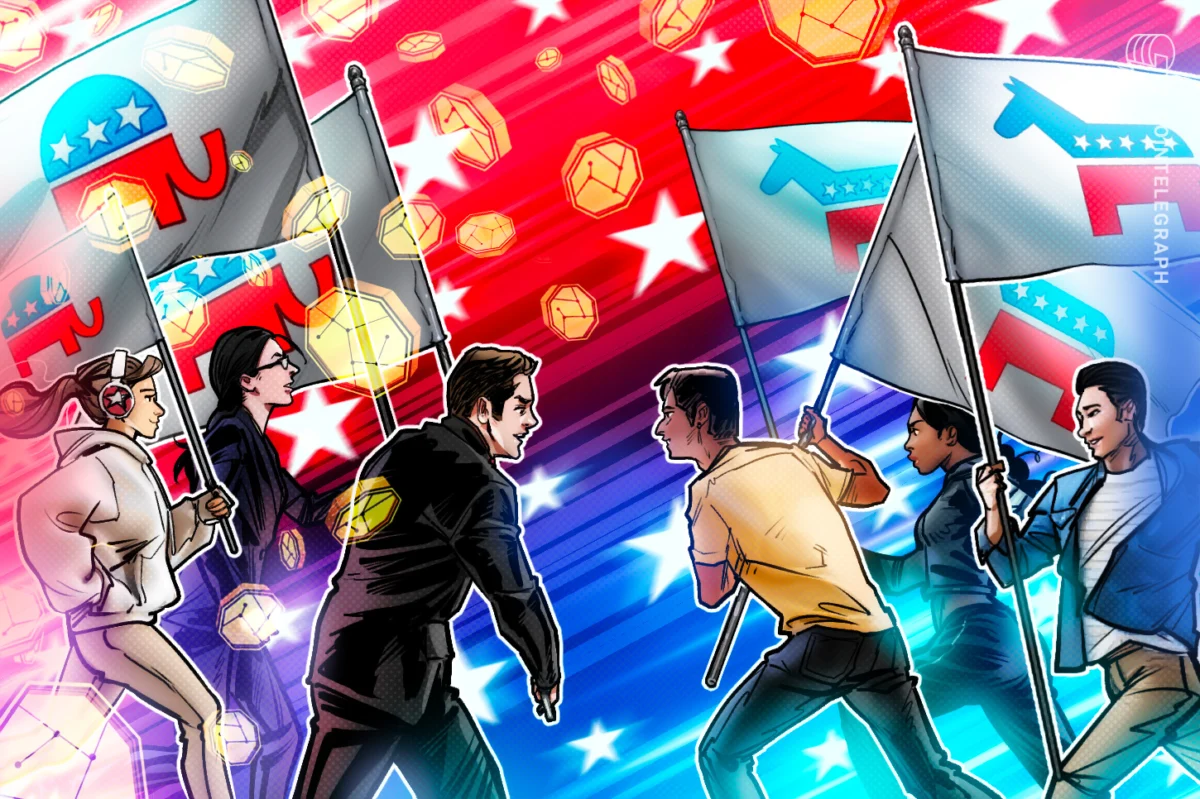
DoubleZero, a prominent network specializing in high-speed data distribution, has significantly expanded its offerings by incorporating real-time data from Kalshi’s election and politics markets. This strategic integration comes at a critical juncture, as trading activity on prediction markets escalates in anticipation of the pivotal US midterm elections scheduled for November. The move is set to provide institutional clients with unprecedented access to granular, real-time insights into political outcomes, bridging the gap between sophisticated financial data infrastructure and the burgeoning world of event-based forecasting.
This substantial enhancement sees Kalshi’s comprehensive suite of election contracts added to DoubleZero Edge, the network’s flagship platform designed for low-latency market data delivery. Prior to this expansion, DoubleZero Edge already featured robust data feeds from Kalshi’s sports contracts and crypto perpetual futures, establishing a diverse portfolio of alternative data sources for its institutional clientele. The official announcement, made on a Wednesday, underscored the growing demand for diverse and predictive market data, particularly in politically charged periods. The newly integrated feed encompasses vital market information, including top-of-book and trade data, alongside meticulously aggregated order book data drawn directly from Kalshi’s dynamic election markets. This level of detail is crucial for institutional players who require comprehensive views to inform their strategies. Andy Ross, Head of Institutional at Kalshi, articulated the core intent behind this integration, emphasizing its role in streamlining the process of incorporating political market data into existing institutional workflows. This is particularly relevant as the landscape of expectations surrounding election outcomes remains fluid and highly responsive to new information, making real-time data an invaluable asset.
The Evolving Landscape of Prediction Markets
Prediction markets have emerged as a fascinating and increasingly influential tool for forecasting real-world events, ranging from economic indicators to political outcomes and even scientific breakthroughs. Unlike traditional polling, which relies on surveys and often suffers from sampling bias or response inaccuracies, prediction markets aggregate the "wisdom of crowds" through financial incentives. Participants buy and sell contracts whose value is tied to the probability of an event occurring, with prices reflecting the collective belief of market participants regarding the likelihood of a specific outcome. As more information becomes available, or as public sentiment shifts, contract prices adjust in real-time, providing a dynamic and often more accurate forecast than conventional methods.
Historically, prediction markets have existed in various forms, from informal betting pools to academic experiments like the Iowa Electronic Markets (IEM), which has successfully predicted presidential election outcomes with remarkable accuracy for decades. However, the modern era has seen the rise of regulated platforms, most notably Kalshi in the United States, which operates under the oversight of the Commodity Futures Trading Commission (CFTC). Kalshi specializes in "event contracts," allowing users to bet on the outcome of specific, verifiable future events, thereby navigating the complex regulatory environment that often challenges broader speculative betting markets. Their focus on clear, unambiguous event outcomes—such as "Will Party X win the House majority?"—has positioned them as a legitimate and growing source of predictive intelligence. The increasing adoption of these platforms by sophisticated financial entities underscores a broader trend: the convergence of alternative data sources with traditional financial analysis, driven by the desire for alpha and enhanced risk management in an uncertain world.
A Timeline of Expansion and Growing Influence
The journey to this significant integration can be traced through several key developments in both the prediction market space and high-speed data distribution. Kalshi, after securing regulatory approval from the CFTC, officially launched its platform, marking a pivotal moment for regulated event contracts in the US market. Since its inception, Kalshi has steadily expanded its offerings, moving beyond initial general interest contracts to include dedicated markets for sports, cryptocurrency events, and, crucially, political elections. Their unique regulatory status allowed them to attract a user base interested in a legally compliant environment for event-based trading.
DoubleZero, on the other hand, has been at the forefront of providing ultra-low-latency market data to institutional clients, specializing in delivering critical financial information at speeds measured in microseconds. Their "Edge" platform was designed to aggregate and distribute data from various nascent and high-growth markets, recognizing the institutional appetite for diverse data streams. Initially focusing on high-volume areas such as crypto perpetual futures and sports contracts, DoubleZero observed the burgeoning activity in Kalshi’s political markets. The decision to integrate Kalshi’s election data was a natural progression, aligning with DoubleZero’s mission to offer comprehensive, real-time insights across an expanding array of financial and event-driven markets. This integration was strategically timed ahead of the November US midterm elections, a period historically characterized by heightened political uncertainty and significant market volatility, thus maximizing its relevance and utility for institutional subscribers.
Unprecedented Market Activity and Data Insights
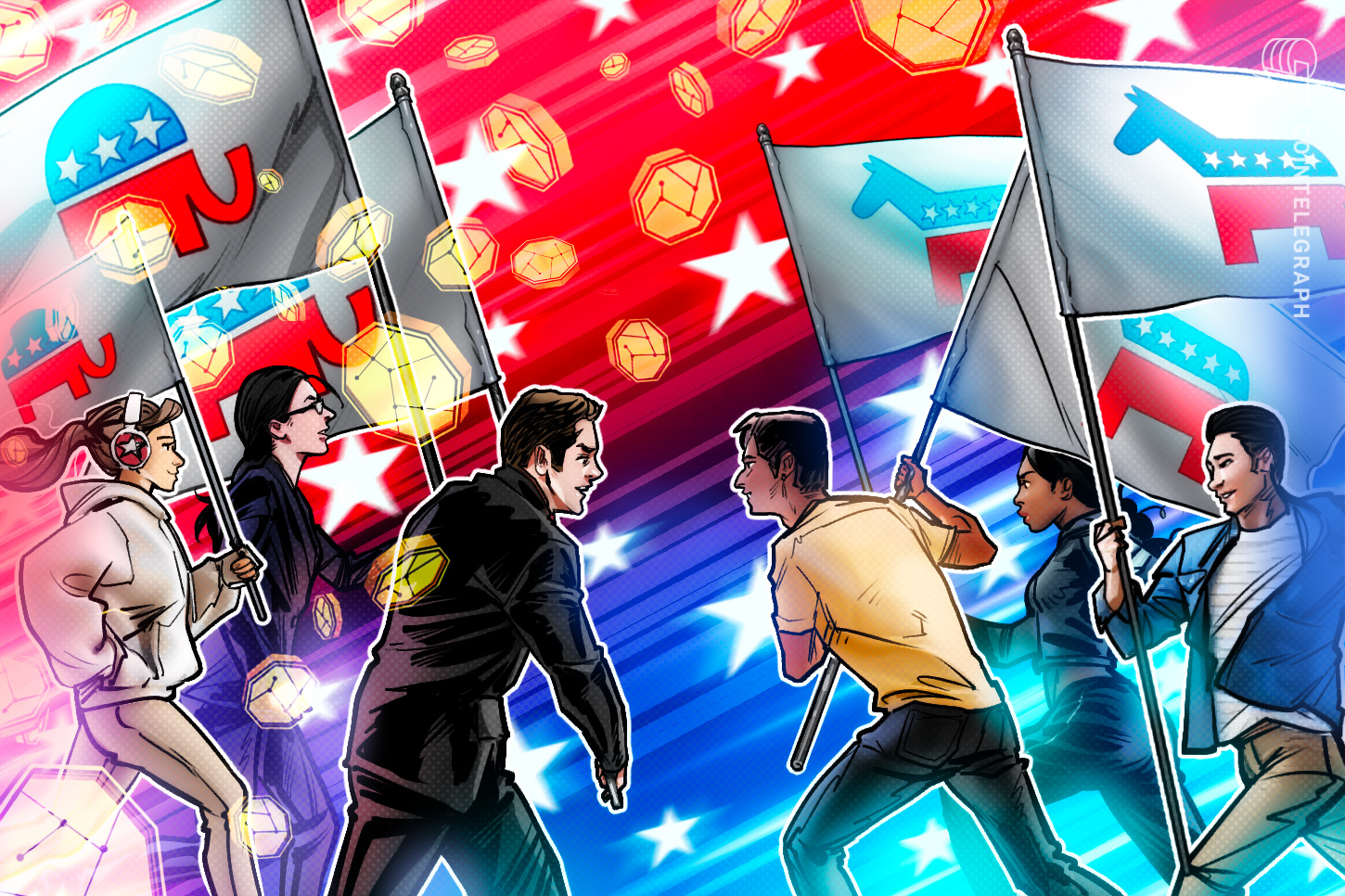
The timing of DoubleZero’s integration is particularly salient given the remarkable surge in trading activity observed in political prediction markets. Data from the Anti-Corruption Data Collective revealed that betting volume on the upcoming US midterms had reached an astonishing $133 million as of August 10th. This figure not only represents a significant sum but also dramatically surpasses the $92.4 million wagered during the entire previous congressional election cycle, highlighting an accelerating trend of engagement and investment in political event contracts. This exponential growth underscores the increasing confidence in prediction markets as reliable indicators of public sentiment and potential outcomes, challenging the traditional dominance of public opinion polls.
Further illustrating this fervent activity, a specific Kalshi midterm market focused on which political party would secure control of the US House of Representatives had already recorded over $35 million in trading volume at the time of reporting. Within this market, the odds for a Democratic victory were notably high, standing at 84%. Such precise, real-time probabilities, derived from active trading rather than survey responses, offer a compelling alternative perspective for political analysts, strategists, and financial institutions. The substantial capital committed to these markets suggests that participants are not merely expressing opinions but are staking financial resources on their beliefs, imbuing the derived probabilities with a high degree of credibility. This data, now instantly accessible via DoubleZero Edge, provides institutions with an immediate pulse on collective market expectations, enabling them to react swiftly to shifts in sentiment and adjust their strategies accordingly.
Official Responses and Inferred Perspectives
Andy Ross’s statement, emphasizing the integration’s role in making political market data more accessible for institutional workflows, reflects Kalshi’s commitment to legitimizing and expanding the reach of prediction markets. For Kalshi, this partnership with DoubleZero is a critical step in establishing event contracts as a serious, institutional-grade data source. It validates their regulatory compliance and the robustness of their platform, signaling to the broader financial community that prediction market data is not merely for retail speculation but offers valuable, actionable intelligence for professional traders, analysts, and strategists. Kalshi’s objective is clearly to position itself as the authoritative source for event-based financial contracts, providing a transparent and efficient mechanism for pricing political risk.
From DoubleZero’s vantage point, the integration represents a strategic enhancement of their core offering. By adding Kalshi’s political data, DoubleZero further solidifies its position as a comprehensive provider of high-speed alternative market data. The move caters directly to the evolving needs of its institutional client base, which increasingly seeks out non-traditional data sets to gain an edge in complex market environments. The inference is that DoubleZero recognizes the predictive power of these markets and aims to be the conduit through which this intelligence flows directly into the sophisticated analytical models and trading systems of hedge funds, proprietary trading firms, and asset managers. This expansion not only diversifies their data portfolio but also enhances the overall value proposition of the DoubleZero Edge platform, making it an indispensable tool for clients navigating periods of political uncertainty. The partnership highlights a mutual recognition of the growing importance of real-time, event-driven data in making informed decisions across various financial sectors.
Broader Impact and Strategic Implications
The integration of Kalshi’s political market data into DoubleZero’s high-speed network carries significant implications across several domains, reshaping how institutions perceive and utilize political intelligence.
For Financial Markets and Investment Strategies: The most immediate impact is on the financial services sector. Institutional investors, including hedge funds, asset managers, and sovereign wealth funds, are constantly seeking an informational advantage. Political outcomes directly influence economic policy, regulatory frameworks, fiscal spending, and international relations, all of which have profound effects on financial markets. For instance, the outcome of congressional elections can determine the likelihood of new legislation affecting specific industries (e.g., technology, energy, healthcare), tax policies, or infrastructure spending. With real-time prediction market data, these institutions can develop more sophisticated models to price in political risk, inform sector-specific allocations, hedge against potential policy shifts, or even execute event-driven trading strategies. The data can act as a leading indicator, potentially providing insights days or weeks before traditional polling results stabilize or official outcomes are known, thereby offering a crucial edge.
For Political Analysis and Strategy: Beyond finance, this integration provides a powerful new tool for political analysts, strategists, and academic researchers. Prediction markets offer a continuous, dynamic assessment of public sentiment that complements, and in some cases, outperforms traditional polling methods. The aggregated wisdom of thousands of participants, each with a financial stake in the accuracy of their predictions, can often cut through partisan biases or "shy voter" phenomena that sometimes plague surveys. Political campaigns, think tanks, and media organizations could potentially leverage this high-frequency data to gauge the effectiveness of messaging, identify emerging trends, or anticipate electoral shifts with greater precision. It offers a transparent, market-driven barometer of political sentiment that is less susceptible to manipulation than some other forms of data.
Regulatory Landscape and Legitimacy: The partnership further legitimizes prediction markets in the broader financial and political discourse. Kalshi’s CFTC oversight has been crucial in distinguishing it from unregulated betting platforms. This integration into a major institutional data distribution network like DoubleZero signals that prediction market data, when sourced from regulated entities, is now considered a valuable and reliable form of alternative data. This could pave the way for increased regulatory clarity and potentially broader acceptance of event contracts as a legitimate financial instrument, fostering further innovation and growth in the sector. The transparency and auditability of market-driven probabilities, contrasted with the opaque methodologies of some polling, could also bolster public trust in these new forms of forecasting.
Technological Advancements and Data Democratization: From a technological perspective, the integration highlights the increasing importance of high-speed data infrastructure in the modern financial ecosystem. The ability to ingest, process, and distribute vast quantities of real-time market data with minimal latency is critical for competitive advantage. Moreover, while DoubleZero’s services cater primarily to institutional clients, the underlying principle of making complex, diverse datasets accessible through sophisticated platforms contributes to a broader trend of data democratization, even if access is initially tiered. It demonstrates how advanced technological capabilities can unlock the value of previously niche data sources. The seamless integration means that institutions can now treat political market data with the same rigor and speed as traditional financial market data, allowing for sophisticated algorithmic analysis and automated trading strategies.
In conclusion, DoubleZero’s integration of Kalshi’s election market data represents a significant milestone in the evolution of financial data services and political forecasting. It not only addresses an immediate institutional need for real-time political insights ahead of crucial elections but also underscores the growing legitimacy and analytical power of prediction markets. By facilitating high-speed access to granular event contract data, this partnership is poised to influence investment strategies, enhance political analysis, and further integrate alternative data sources into the core of institutional decision-making, marking a new era where political probabilities are traded and analyzed with the same rigor as traditional financial assets.