Ena Muazin
Düsseldorf – The German real estate sector is grappling with a deepening crisis, as prominent project developers like Pandion and Peters Development have recently filed for insolvency. This development raises concerns about a potential second wave of insolvencies, following the significant fallout from the Ukraine war, rising interest rates, and the collapse of major entities like the Signa Group. Experts suggest that while the initial shockwaves of the crisis may have subsided for some larger players, the underlying challenges persist, threatening to engulf even seemingly stable companies.
Pandion’s Fall: A Stark Warning for the Industry
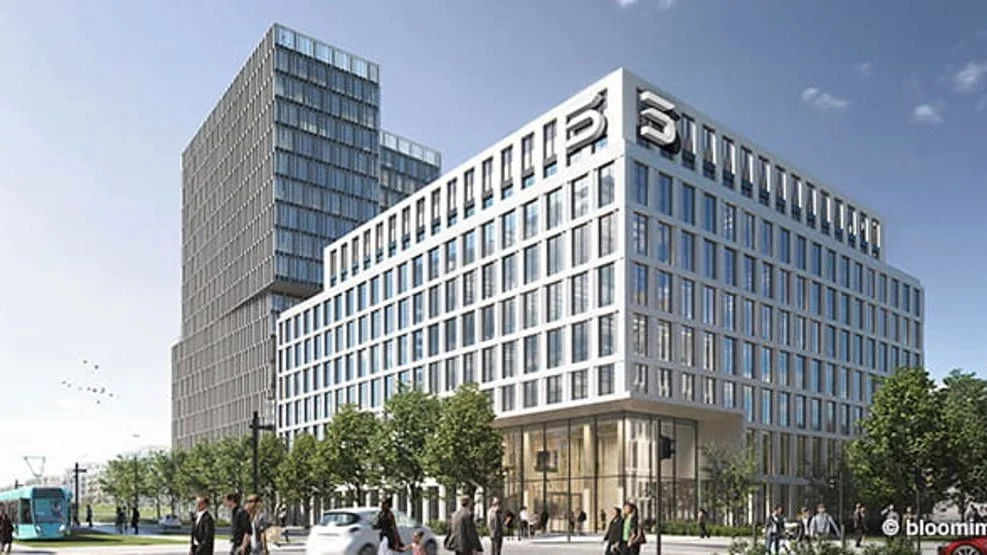
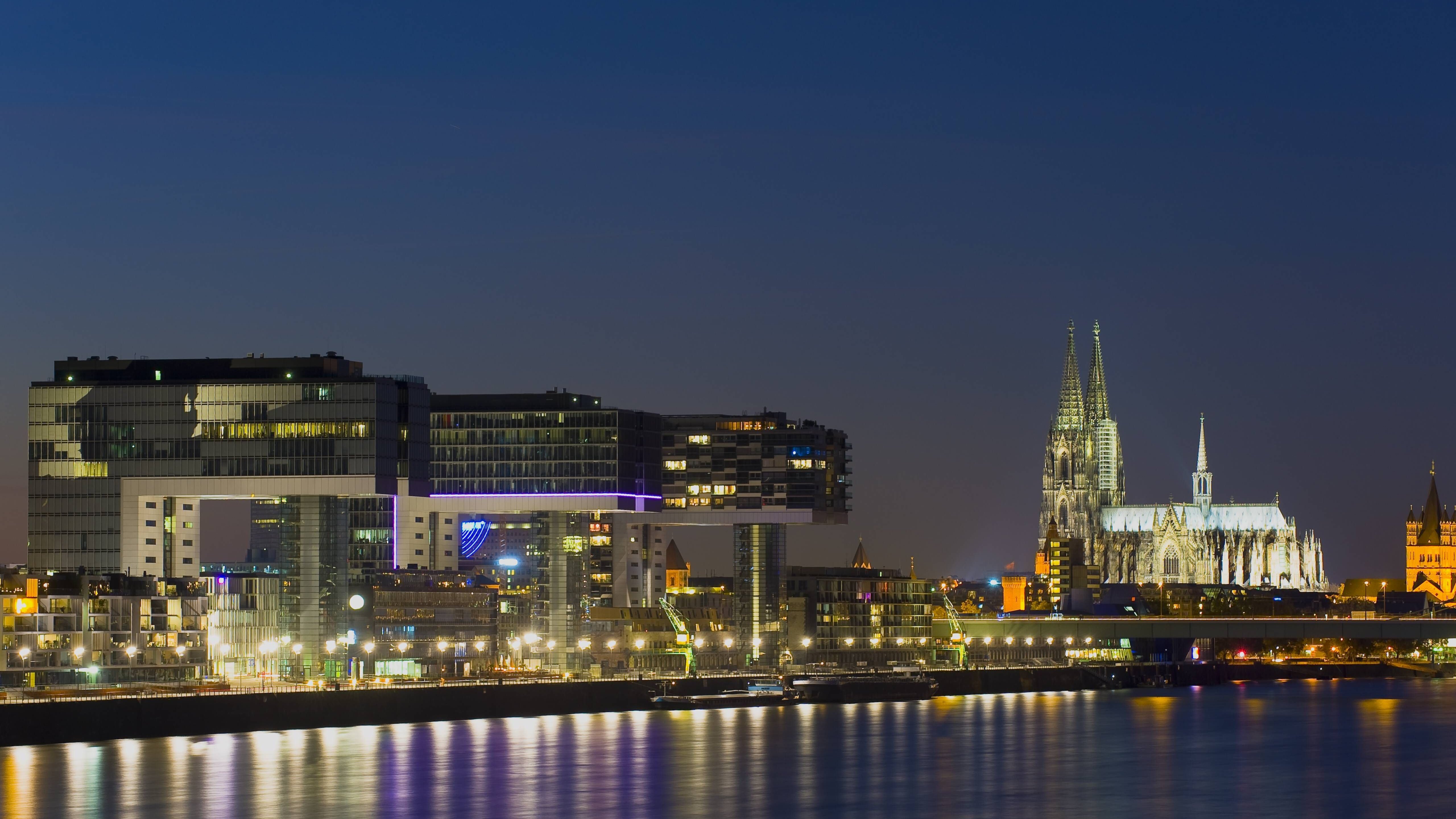
Reinhold Knodel, the CEO of project developer Pandion, issued a stark warning in late 2023, stating in an interview with Handelsblatt, "We were surprised by how many of our colleagues faltered or even collapsed." His words have now proven prophetic, as the Cologne-based company itself faced severe financial distress. In mid-August, Pandion initiated insolvency proceedings under self-administration for its initial entities, with numerous subsidiaries following suit just days later. The developer, known for its large-scale new construction projects across Germany and for building iconic structures like the Kölner Kranhäuser, now finds itself at the center of the industry’s turmoil.
This downturn is not isolated. In August, Hamburg-based developer Peters Development also succumbed to financial pressures. These prominent cases are bringing larger developers back into sharp focus, prompting the critical question: is the industry on the brink of a second wave of insolvencies? Are financiers losing patience after repeated refinancing attempts and demanding decisive action, or are these failures primarily due to individual corporate mismanagement?
The Perfect Storm: From Low Interest Rates to Crisis
The current real estate crisis began to brew in early 2022 with the outbreak of the Ukraine war, which triggered a significant surge in interest rates. This economic shift fundamentally altered the landscape for the real estate market, which had previously thrived in an era of ultra-low borrowing costs. The ensuing years saw massive companies, including the sprawling Signa Group, collapse under the weight of their debt and changing market conditions. While the most significant names appeared to weather the initial storm, the recent insolvencies suggest that the crisis is far from over.
Oliver Platt, a partner at Kucera Rechtsanwälte, observes that the current wave of insolvencies is affecting companies that would have been considered resilient just two years ago. Pandion, described as one of Germany’s largest developers, had secured €340 million in new financing by early 2026. However, this financing was project-specific and not available at the holding company level, leaving the parent entity vulnerable.
According to Platt, Pandion’s insolvency was triggered by its liquidity situation, rather than the unprofitability of its individual projects. The critical factor has shifted from the success of a single development to the overall viability and longevity of the company itself. This signals a fundamental shift in how financial institutions assess risk in the current market.
The Refinancing Gap: A Growing Reality
Refinancing has become a significantly more challenging endeavor. Between 2019 and 2022, the commercial real estate sector in Germany secured approximately €228 billion in property loans, a substantial portion of which now requires refinancing in the coming years under drastically different economic conditions.
Francesco Fedele, CEO of the real estate services provider BF direkt, illustrates the core problem with a hypothetical scenario: An investor financed an office property valued at €100 million in 2020 with a loan-to-value (LTV) ratio of 65 percent, meaning they received a €65 million bank loan.
Today, if that same office property were to be financed, a conservative valuation adjustment of 20 percent would reduce its worth to €80 million. Furthermore, if banks have become more cautious and now offer a maximum LTV of 55 percent, the investor would only be eligible for a €44 million loan (55 percent of €80 million). To secure the necessary refinancing under these new bank requirements, the investor would need to raise the remaining €21 million from other sources – a feat that is proving increasingly difficult for many.
Fedele emphasizes that "the refinancing gap has become a reality." While projected figures for 2027 indicate a refinancing need of around €32 billion with a potential gap of nearly €4 billion, this does not signal an all-clear. The fundamental challenge lies in bridging the disparity between the debt burden from the low-interest rate era and the current financing environment.
Price Adjustments Still Pending
Many financings from the low-interest rate period must now be renewed under entirely different market conditions. Projects that appeared viable just a few years ago are now under immense pressure. "What was profitable with interest rates of two or three percent quickly becomes unprofitable at four to five percent," Fedele states.
While some analysts may hesitate to label the current situation as a "second wave" of insolvencies, lawyer Oliver Platt views it as the "late phase of the same crisis." He argues that inaction is now costing financiers equity and balance sheet capacity that banks need for new business. His forecast suggests that the crisis could persist until 2028, as the market continues to digest the fallout from the previous economic cycle.
The Elbtower: A Symbol of Stalled Ambitions
The ongoing construction of the Elbtower in Hamburg, a prominent skyscraper project, has been significantly impacted by the insolvency of its investor, Signa. The image of the unfinished tower serves as a visual metaphor for the stalled ambitions and financial precariousness that have gripped parts of the German real estate sector.

Lingering Challenges and Shifting Strategies
According to Torsten Hollstein, Managing Director of CR Investment Management, the first wave of the crisis has "never really subsided." He predicts that insolvencies, even among established market participants, will continue in the coming years. The increased media attention on Pandion and Peters Development has brought these issues back to the forefront.
Konstantin Kortmann, Germany CEO of real estate services provider JLL, highlights the particular challenges faced by pure project developers in the current market. "They do not have ongoing income from their projects, while at the same time, construction and financing costs have risen significantly more than achievable sales prices – a structurally difficult starting position," he analyzes. "For some, the situation is exacerbated by the fact that their cash reserves have significantly dwindled."
Kortmann identifies three fundamental challenges for the German real estate market:
- Incomplete Price Adjustments: Property prices have not yet fully adjusted to the new economic realities.
- Scarcity of Equity: Traditional investors have reduced their exposure or withdrawn from the market altogether, leading to a shortage of equity.
- Outdated Capital Structures: Some capital structures still reflect the zero-interest rate era and are incompatible with current financing conditions.
Matthias Heimann, Managing Director at 777 Financial Advisors, notes that many financings from the past two years have been extended, temporarily postponing problems. "Now these extensions are expiring again – and they are meeting financiers who are lending much more conservatively," Heimann states. This confluence of factors – regulatory pressures, geopolitical risks, rising interest rates, persistent high construction costs, and uncertain exit scenarios – is putting even developers who have navigated the crisis relatively well under pressure.
A Selective Lending Landscape
Despite the challenges, Ralf Klann, a refinancing expert at CBRE, observes that financiers are not withdrawing wholesale from the real estate market. A recent CBRE survey indicates that 71 percent of German-active lenders plan to increase their lending in 2026 compared to the previous year, with only eight percent anticipating a decline. Project development financing also remains broadly available, with 69 percent of surveyed lenders intending to offer it.
However, Klann points out a significant shift: "Financing is much more selective today. Refinancings account for by far the largest share of expected credit demand from lenders at 69 percent," he says. This underscores the market’s current preoccupation with existing financing structures and expiring credit terms.
The Search for Bespoke Solutions
The quality of individual projects and their capital structures are becoming increasingly critical. "For weaker projects, upcoming refinancings can make existing problems visible or exacerbate them," Klann explains.

Fedele observes that alternative financing sources are gaining importance. "Credit funds and private equity investors are partly filling the gaps left by banks, but they have similar lending criteria," he notes.
Hollstein emphasizes that a substantial volume of financing from the low-interest rate period still needs to be aligned with current interest rate and valuation levels. Many of these cases have been temporarily deferred through extensions and other transitional solutions. "This backlog will not resolve itself," he warns. As long as this backlog remains, there will continue to be companies whose capital structures can no longer withstand the new framework conditions.
Banks and other lenders have been working through these cases individually for some time. However, extensions cannot be extended indefinitely. "Eventually, financing, property value, and available equity must align again," Hollstein states. "Where this does not happen, restructurings, sales, or indeed insolvencies will continue to be the outcome."
The German real estate market is at a critical juncture. The insolvencies of Pandion and Peters Development are not isolated incidents but rather symptomatic of deeper structural issues that have been exacerbated by a decade of low interest rates followed by a sharp increase. The ability of developers to adapt, secure adequate financing, and adjust to new market realities will determine the extent of any further fallout. The coming years will likely see a significant consolidation and restructuring within the sector, as only the most resilient and strategically agile players will be able to navigate the challenging landscape ahead.
First published: September 8, 2026, 03:57 AM.