Putri Inara
The digital landscape has evolved from a collection of personal diaries into a sophisticated ecosystem of high-value information hubs where the primary currency is attention and the ultimate goal is audience retention. At the heart of this transition lies a psychological principle that drives long-term growth: anticipation. For professional content creators and digital publishers, the ability to convince a first-time visitor that future content will be as valuable as, or more valuable than, current content is the deciding factor in whether that visitor converts into a loyal subscriber. Subscription, whether via RSS, email newsletters, or social media follows, is essentially an act of faith in the future output of a creator.
The strategy for building this sense of anticipation is not rooted in speculative promises or "clickbait" headlines, but rather in a calculated presentation of historical quality. Industry experts argue that the most effective advertisement for future content is a robust catalog of past excellence. By strategically highlighting current and past quality content, bloggers can establish a trajectory of authority that makes a subscription feel like a logical investment for the reader.
The Psychology of Digital Subscription and the Role of Anticipation
To understand why anticipation is critical, one must analyze the behavior of the modern digital consumer. Data from content marketing institutes suggests that the average user decides within seconds whether a website offers enough value to warrant a return visit. Subscription is an secondary step taken only when the user perceives a pattern of reliability. This pattern creates a "value expectation." When a reader encounters a high-quality post, they experience a momentary reward; however, the decision to subscribe is driven by the desire for a repeat of that reward.
Strategically, this involves moving beyond the "chronological trap" where the newest post is the only one highlighted. In a standard blog format, excellent content often gets buried under newer, perhaps less evergreen, updates. To counter this, professional bloggers utilize specific architectural techniques to ensure their "greatest hits" remain in the visual field of new visitors. This creates a perception of depth and expertise, suggesting that the creator’s future insights will be equally indispensable.

Evolution of Blog Engagement: A Chronology of Strategy
The methods used to build anticipation have shifted significantly over the last two decades. In the early 2000s, the "RSS era" relied heavily on chronological feeds. Readers would subscribe to stay updated on personal musings. However, as the "Blogging for Profit" movement gained momentum between 2005 and 2010, the focus shifted toward authority building. It was during this period that pioneers like Darren Rowse of ProBlogger began formalizing techniques to resurface archived content.
By 2015, the rise of algorithmic social media feeds meant that blogs had to work harder to own their audience. This led to the refinement of "landing pages" and "lead magnets." Today, in the 2020s, the strategy has matured into a sophisticated mix of user experience (UX) design and data-driven content curation. The goal remains the same: to use the past to sell the future. The chronology of this evolution shows a clear trend away from the "latest is best" mentality toward a "curated excellence" model.
Technical Implementations: Sneeze Pages and Best-of Sections
One of the most effective tactical maneuvers in anticipation-building is the creation of "Sneeze Pages." A sneeze page is a dedicated landing page or a comprehensive post that organizes a blog’s best content on a specific topic into a single, easily digestible resource. The term, popularized in the mid-2000s, refers to the page’s ability to "propel" or "spray" readers deep into the blog’s archives.
For example, a photography blog might create a sneeze page titled "The Ultimate Guide to Night Photography," which links to 20 different articles written over three years. For a new visitor, this page serves as a testament to the blogger’s depth of knowledge. Data from heat map tools like CrazyEgg indicates that these curated hubs receive significantly higher engagement than standard category pages. By presenting a comprehensive body of work, the blogger establishes an "authority baseline." The reader concludes that if the blogger has already provided this much value, the future content—which they have yet to see—will be equally vital, thus prompting a subscription.
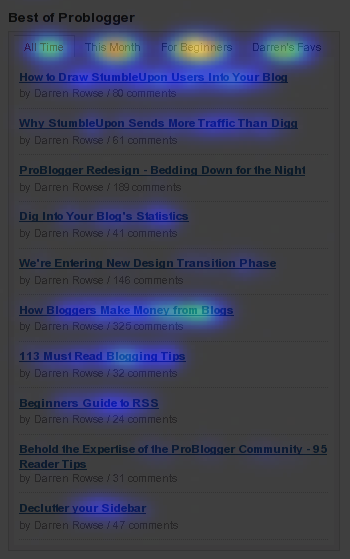
Similarly, "Best of" sections in the sidebar or on the homepage act as a permanent highlight reel. Using heat map analysis, researchers have found that these sections are often among the most clicked areas of a website. They serve as an entry point for users who are overwhelmed by a large archive, providing a curated path that showcases the blog’s peak performance.

Data-Driven Insights: The Impact of Landing Pages and Interlinking
The use of "Landing Sites" or dynamic landing pages represents the more technical side of anticipation marketing. These tools detect the source of a visitor’s arrival—such as a specific search query—and present them with a customized list of related high-quality posts. If a user arrives via a search for "SEO tips," a dynamic landing page ensures they see five other top-tier SEO articles immediately. This creates an immediate "information density" that suggests the blog is a definitive source on the topic, heightening the anticipation for the next installment.
Interlinking remains the foundational SEO and engagement strategy. By regularly linking to previous high-quality posts within new content, a blogger creates a web of value. Each internal link is a subtle reminder of the author’s expertise. Industry benchmarks suggest that blogs with a high degree of internal linking see a 20-30% increase in "pages per session," a metric that correlates strongly with subscription rates. The logic is simple: the more high-quality pages a user views in their first session, the more likely they are to anticipate that future pages will also be useful.
Expert Perspectives and Industry Responses
Digital marketing analysts and veteran bloggers have long advocated for this "future-value" approach. Seth Godin, a leading voice in permission marketing, often emphasizes that trust is built through consistency. In the context of blogging, consistency is proven by the archive. When a blogger highlights their best work, they are providing "social proof" of their consistency.
Critics of traditional blogging often point to the "death of the feed," but proponents of anticipation marketing argue that the platform is irrelevant if the value proposition is clear. Whether the content is delivered via a blog, a Substack, or a LinkedIn newsletter, the mechanism of anticipation remains the same. Industry reactions to these strategies have been largely positive, with many CMS (Content Management System) developers now building "featured content" and "related post" widgets directly into their core software to facilitate these exact behaviors.
Broader Implications for Brand Authority and Monetization
The implications of creating anticipation extend far beyond simple subscriber counts. It is a critical component of brand building. A blog that successfully builds anticipation becomes a "destination" rather than a "discovery." In the broader media landscape, this is the difference between a random news site and a publication like The Economist or The New Yorker, where readers subscribe because they trust the future quality based on a century of past excellence.
From a monetization perspective, anticipation is the precursor to conversion in sales funnels. Whether a blogger is selling a course, a book, or a subscription service, the "warm-up" period is characterized by the anticipation of value. If a reader is excited for tomorrow’s free blog post, they are significantly more likely to be receptive to a paid offering in the future.
Furthermore, this strategy mitigates the "burnout" associated with the constant need for new content. By making the archive work harder, bloggers can maintain high engagement levels even during periods when they are not posting daily. The archive becomes a living asset that continues to build anticipation for the creator’s next move.
Conclusion: The Future of Content Curation
As artificial intelligence begins to flood the internet with generic, low-value content, the premium on human-curated, high-quality archives will only increase. The ability to create a sense of anticipation will become the primary differentiator for human creators. By focusing on the strategic highlighting of past work through sneeze pages, best-of sections, and intelligent interlinking, bloggers can move away from the treadmill of constant production and toward a model of sustainable authority. The goal is to make the reader ask, "If this is what they have already given me for free, what could possibly be coming next?" That question is the foundation of every successful digital subscription.