Ena Muazin
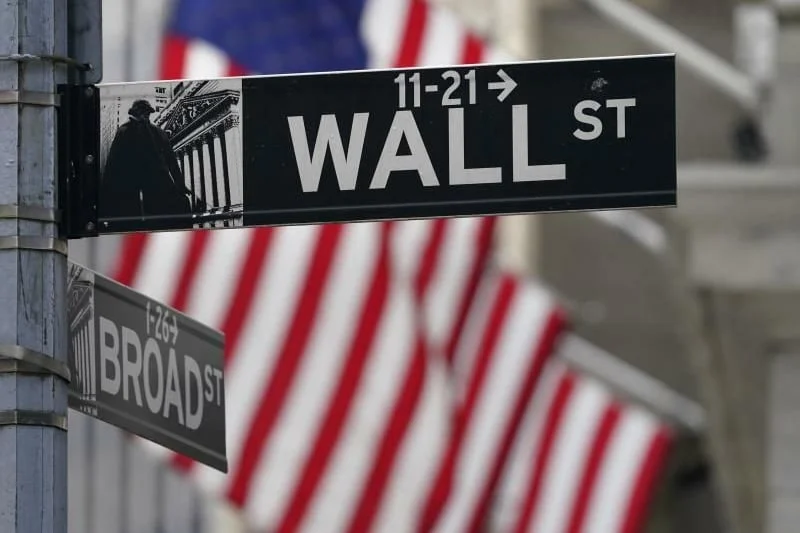
New York. Investors in the United States are beginning the new trading week with a cautious approach, as major indices registered declines in early trading on Tuesday. This subdued start follows a holiday closure on Monday for Wall Street in observance of Labor Day, contributing to a relatively light calendar of market-moving events for Tuesday. Similar to trends observed in European markets, persistent increases in energy prices are dampening investor sentiment.
Market Performance Amidst Economic Headwinds
The S&P 500, Dow Jones Industrial Average, and Nasdaq Composite all saw modest dips in the initial hours of trading. While specific figures for the early Tuesday session were not detailed in the provided context, the overall trend indicates a cautious market environment. This sentiment is exacerbated by the ongoing rise in energy costs, which directly impacts consumer spending and corporate profit margins. The benchmark 10-year Treasury yield remained relatively stable, hovering around 4.8 percent, a level that analysts suggest can influence investment decisions by making fixed-income assets more attractive compared to equities.
The commentary from Markus Koch, cited in the original context, highlights the key drivers of this early market movement: "After the Labour Day weekend, the major US indices have largely seen slight declines in early trading. The yields on ten-year government bonds are holding steady at just under 4.8 percent, and oil continues to rise." This dual pressure from interest rate expectations and energy price inflation is creating a complex landscape for investors.
The Looming Shadow of Monetary Policy
The coming days are expected to see monetary policy take center stage in shaping the trajectory of US markets. A critical piece of economic data will be released on Friday: the U.S. Bureau of Labor Statistics is scheduled to publish the initial estimate for August inflation. The most recent Consumer Price Index (CPI) data indicated an annual inflation rate of 3.4 percent, a figure that has been closely watched by policymakers and investors alike as they assess the Federal Reserve’s next steps.
The Federal Reserve’s Federal Open Market Committee (FOMC) is slated to convene for its next policy meeting in the following week. The crucial decision regarding whether to raise interest rates or maintain the current levels remains a subject of considerable debate. Several hawkish voices within the Fed have signaled a preference for further rate hikes, citing the persistent elevated inflation as a primary concern. This uncertainty surrounding the Fed’s monetary stance is a significant factor contributing to market caution.
Investor Expectations and Fed Watch Tool Insights
Market participants are divided on the likelihood of an interest rate increase at the upcoming FOMC meeting. Currently, the prevailing sentiment among futures market participants leans towards a rate hike. The Fed Watch Tool, operated by the CME Group in Chicago, provides a snapshot of these expectations. According to the tool, approximately 60 percent of investors are anticipating that the Federal Reserve will raise its benchmark interest rate, pushing it into a range of 3.75 to 4.0 percent. This indicates a slight majority favoring a tighter monetary policy, likely in an effort to combat lingering inflationary pressures.
Background Context: A Post-Holiday Market Re-evaluation
The subdued opening on Tuesday can be partly attributed to the market’s re-evaluation of economic conditions after the extended Labor Day weekend. The holiday typically marks a symbolic end to summer and the beginning of a more active period for economic and political developments. However, this year, the market is opening to a backdrop of persistent global economic challenges, including elevated energy prices and ongoing concerns about inflation.
The increase in energy prices, particularly for crude oil, has been a consistent theme throughout the year. Factors such as supply constraints, geopolitical tensions, and increased demand as economies rebound have all contributed to this upward trend. Higher energy costs have a ripple effect across the economy, increasing transportation expenses for businesses and consumers, and contributing to broader inflationary pressures. This directly impacts the cost of goods and services, potentially eroding purchasing power and slowing economic growth.
The Inflation Dilemma: A Balancing Act for the Fed
The upcoming August inflation report will be crucial in providing further clarity on the persistence of price pressures. The Federal Reserve has been engaged in a delicate balancing act, aiming to bring inflation back down to its 2 percent target without triggering a significant economic downturn. Raising interest rates too aggressively could stifle economic activity and lead to a recession, while failing to act decisively could allow inflation to become entrenched.
The current inflation rate of 3.4 percent, while down from its peak, remains above the Fed’s target. This persistent deviation necessitates careful consideration by the central bank. The Fed’s dual mandate of maximum employment and price stability is being tested, and the upcoming decisions will be closely scrutinized for their potential impact on both fronts.
Potential Implications of Fed Policy on Market Performance
The Federal Reserve’s monetary policy decisions have profound implications for financial markets. Higher interest rates generally make borrowing more expensive, which can slow down business investment and consumer spending. This can lead to lower corporate earnings and, consequently, a decline in stock prices. Conversely, lower interest rates can stimulate economic activity and boost asset prices.
The market’s current anticipation of a potential rate hike suggests that investors are preparing for a tighter monetary environment. This could lead to increased volatility in the short term as markets adjust to the new economic reality. Furthermore, the trajectory of inflation in the coming months will be a key determinant of the Fed’s future policy path. If inflation continues to moderate, the Fed may adopt a more dovish stance, potentially pausing or even reversing rate hikes. However, if inflation proves to be more stubborn, further tightening could be on the horizon.
Broader Economic Context and Global Influences
The performance of the U.S. stock market is also influenced by global economic conditions. While the focus remains on domestic inflation and monetary policy, international events and economic trends can also play a significant role. For instance, economic slowdowns in major trading partners, geopolitical instability, or shifts in global commodity prices can all have an impact on U.S. corporate earnings and investor sentiment.
The interconnectedness of the global economy means that inflation and energy price dynamics are not solely confined to the United States. Many other countries are grappling with similar challenges, which can influence global demand for goods and services, as well as the supply of essential commodities. The coordinated or divergent responses of central banks worldwide to these challenges will also shape the broader economic landscape.
The Road Ahead: Key Economic Catalysts
As the week progresses, investors will be keenly awaiting Friday’s inflation report for further direction. This data will be a critical input for the Federal Reserve’s upcoming policy deliberations. The market’s reaction to this report, and the subsequent commentary from Fed officials, will likely set the tone for trading in the near term.
The continued rise in energy prices remains a significant overhang. Any further substantial increases could reignite inflation concerns and put additional pressure on the Fed to maintain a hawkish stance. Conversely, a stabilization or decline in energy prices could provide some relief and allow the Fed to consider a more accommodative approach.
The current cautious sentiment in the U.S. markets reflects a period of uncertainty as investors weigh the conflicting forces of persistent inflation, the potential for further monetary tightening, and the underlying resilience of the economy. The coming days are poised to be pivotal in shaping market expectations and determining the direction of financial assets as the Federal Reserve navigates a complex economic environment. The interplay between inflation data, Fed policy, and global economic factors will be closely monitored by market participants as they seek to position themselves for the evolving economic landscape.