Lina Wu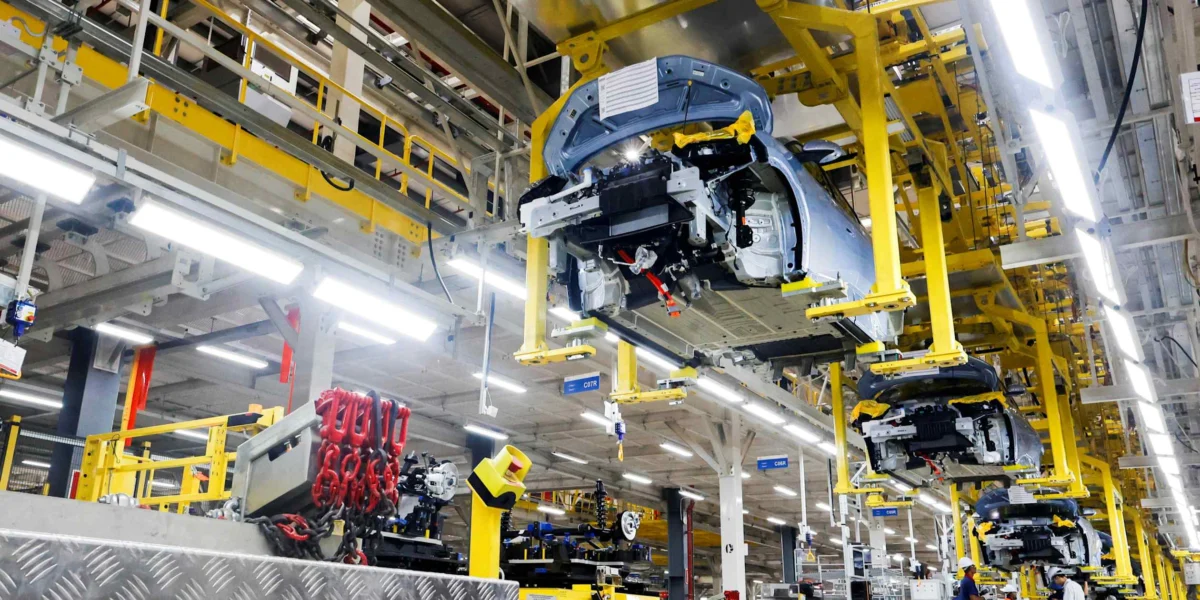
HONG KONG — BYD, the Chinese automotive titan and the world’s largest producer of new energy vehicles (NEVs), is on track to significantly surpass its annual overseas sales targets, with projections indicating a full-year volume approaching 2 million units. This surge in international demand is a testament to the company’s aggressive global expansion strategy, which includes an ambitious target of 2.5 million NEVs for export in 2027. The company’s recent strategic investments, particularly in establishing local production facilities in key markets like Brazil, underscore its commitment to not only serving but also deeply integrating into these regions, moving beyond a purely export-driven model.
The remarkable performance of BYD in international markets is not an overnight phenomenon but the culmination of years of strategic planning and execution. Since its inception in 1995 as a battery manufacturer, BYD has systematically leveraged its expertise in battery technology to become a dominant force in the electric vehicle sector. The company’s vertical integration, controlling everything from battery production to vehicle assembly, provides a significant competitive advantage in terms of cost control and supply chain resilience, crucial factors in navigating the volatile global automotive landscape.
A Timeline of Global Ambition and Market Penetration
BYD’s international foray has been a carefully orchestrated, multi-phase endeavor. While initial efforts focused on establishing a presence in neighboring Asian markets and then gradually expanding into Europe and Latin America, the past few years have seen an accelerated push for significant market share.
- Early 2020s: BYD began to intensify its focus on overseas markets, launching a series of its most popular NEV models, including the Atto 3 (Yuan Plus), Dolphin, and Seal, in numerous countries. This period was characterized by a significant increase in export volumes and the establishment of dealer networks.
- 2023: The company officially surpassed Tesla in global EV sales for the first time in the fourth quarter of 2023, a landmark achievement that signaled its arrival as a true global contender. This quarter saw BYD sell 526,429 battery-electric vehicles, edging out Tesla’s 484,507 units. For the full year 2023, BYD sold 3.02 million NEVs, a 61.9% increase year-on-year, with a substantial portion of this growth driven by international sales.
- 2024-2025: The current period is marked by significant investments in localized production. The groundbreaking for BYD’s integrated NEV production base in Camaçari, Bahia, Brazil, in July 2023, followed by the commencement of construction for its advanced battery production facility in the same location in early 2024, exemplifies this strategic shift. This facility is expected to have an annual production capacity of 150,000 vehicles and is slated to begin production in the latter half of 2024. Similar investments are being made or explored in other key regions, including Southeast Asia and Europe, to reduce logistical costs, circumvent potential trade barriers, and better cater to local market demands and preferences.
- 2026-2027: With the fruits of these localized production efforts beginning to mature, BYD anticipates a dramatic acceleration in its overseas sales volume, with the 2.5 million unit target for 2027 representing a significant leap from the nearly 2 million units expected for 2026. This projection assumes continued strong demand for its expanding product portfolio and the successful ramp-up of its global manufacturing footprint.
Supporting Data: A Global Sales Surge
BYD’s rapid ascent in international markets is underpinned by compelling sales data. While exact figures for overseas sales are often embedded within broader company reports, several key indicators point to the scale of its success.
- Global NEV Leadership: BYD has held the title of the world’s largest NEV manufacturer for several consecutive years. In 2023, the company sold a total of 3.02 million NEVs, a substantial increase from 1.86 million units in 2022. This overall growth rate provides a strong foundation for its international expansion.
- Export Growth Trajectory: While specific annual export numbers can fluctuate, reports from industry analysts and company statements indicate a consistent and accelerating trend. For instance, in 2023, BYD exported approximately 242,769 vehicles, a more than sixfold increase compared to 2022. This aggressive growth in export volume sets the stage for the projected figures of close to 2 million units for 2026.
- Market Diversification: BYD’s vehicles are now available in over 50 countries and regions across Europe, Asia, North and South America, and Oceania. This broad geographical reach diversifies its revenue streams and reduces reliance on any single market.
- Product Portfolio Strength: The success of models like the Atto 3 (Yuan Plus), which has become a bestseller in many European markets, and the growing popularity of the Dolphin and Seal, highlights BYD’s ability to produce attractive and competitive EVs that resonate with a global audience. The company’s consistent introduction of new models and upgrades further fuels this demand.
Strategic Investments in Localized Production: The Brazilian Pivot
The establishment of its integrated NEV production base in Camaçari, Bahia, Brazil, is a cornerstone of BYD’s international strategy. This significant investment, estimated to be around R$3 billion (approximately $600 million), signals a deep commitment to the Latin American market, which is emerging as a crucial growth engine for NEVs.
- Capacity and Scope: The Bahia complex will not only house vehicle assembly but also a battery production facility, crucial for powering its electric vehicles. This integrated approach is designed to ensure a stable supply of batteries and reduce reliance on imports, thereby lowering production costs and lead times. The initial capacity is set at 150,000 vehicles per year, with the potential for expansion.
- Market Access and Competitiveness: Local production in Brazil allows BYD to better navigate import tariffs and logistical challenges, making its vehicles more competitively priced against local and international rivals. It also facilitates quicker adaptation to local consumer preferences and regulatory requirements.
- Job Creation and Economic Impact: The Camaçari plant is expected to create thousands of direct and indirect jobs, contributing significantly to the local economy and fostering goodwill with regional governments and communities. This commitment to local development is a key element of BYD’s "in China, for the world" manufacturing strategy.
- Future Expansion: While Brazil is a prime example, BYD is actively exploring similar localized production initiatives in other strategic regions, including Southeast Asia and potentially Europe, as it aims to build a global manufacturing network.
Official Responses and Analyst Perspectives
While specific, on-the-record statements from BYD executives regarding the 2026 and 2027 export targets are not yet publicly available for these future projections, the company’s consistent messaging over the past few years has emphasized its ambition for global leadership.
- BYD’s Stated Goals: In past communications, BYD has reiterated its commitment to accelerating its internationalization strategy and becoming a leading global NEV brand. The emphasis has always been on providing high-quality, affordable, and technologically advanced NEVs to a global audience. The current trajectory strongly suggests that the projected export figures are aligned with these overarching corporate objectives.
- Industry Analyst Views: Automotive industry analysts widely acknowledge BYD’s formidable competitive advantages. "BYD’s vertical integration is a game-changer," commented an analyst at a major automotive research firm. "Their control over battery production, coupled with aggressive pricing and a broad product portfolio, positions them exceptionally well to capture market share globally. The move to localize production in key markets like Brazil is a logical and necessary step to solidify this position and mitigate geopolitical risks."
- Competitive Landscape: The rapid growth of BYD’s exports puts significant pressure on established automakers and other emerging EV players. While competitors are also expanding their EV offerings, BYD’s scale, technological prowess, and cost efficiencies present a formidable challenge. The company’s ability to offer a range of vehicles, from affordable city cars to more premium sedans and SUVs, caters to a wider demographic, further enhancing its market penetration potential.
Broader Impact and Implications
BYD’s projected surge in overseas sales and its expanding global manufacturing footprint carry significant implications for the automotive industry and international trade dynamics.
- Accelerated Global EV Adoption: BYD’s success in offering compelling and affordable EVs can accelerate the transition to electric mobility worldwide, contributing to global decarbonization efforts.
- Shifting Automotive Power Balance: The company’s ascent signals a broader shift in the global automotive landscape, with Chinese manufacturers increasingly becoming dominant players on the international stage, challenging the long-held supremacy of Western and Japanese automakers.
- Supply Chain Reconfiguration: BYD’s investment in localized production could lead to a reconfiguration of global automotive supply chains, with increased regional manufacturing hubs and a potential reduction in long-distance shipping of finished vehicles.
- Trade Policy Considerations: The rapid expansion of Chinese automakers like BYD may also lead to increased scrutiny and potential policy responses from governments concerned about trade imbalances and the competitiveness of their domestic industries. This could manifest in various forms, including tariffs, subsidies for local production, or stricter regulatory requirements.
- Innovation and Competition: The intensified competition driven by BYD’s global expansion is likely to spur further innovation across the EV sector, benefiting consumers through improved technology, wider choices, and potentially lower prices.
As BYD continues to execute its ambitious global strategy, its projected sales figures for 2026 and its target for 2027 represent not just impressive numbers, but a clear indication of its evolving role as a transformative force in the global automotive industry, poised to redefine the future of electric mobility on a worldwide scale.