Farhan Pambudi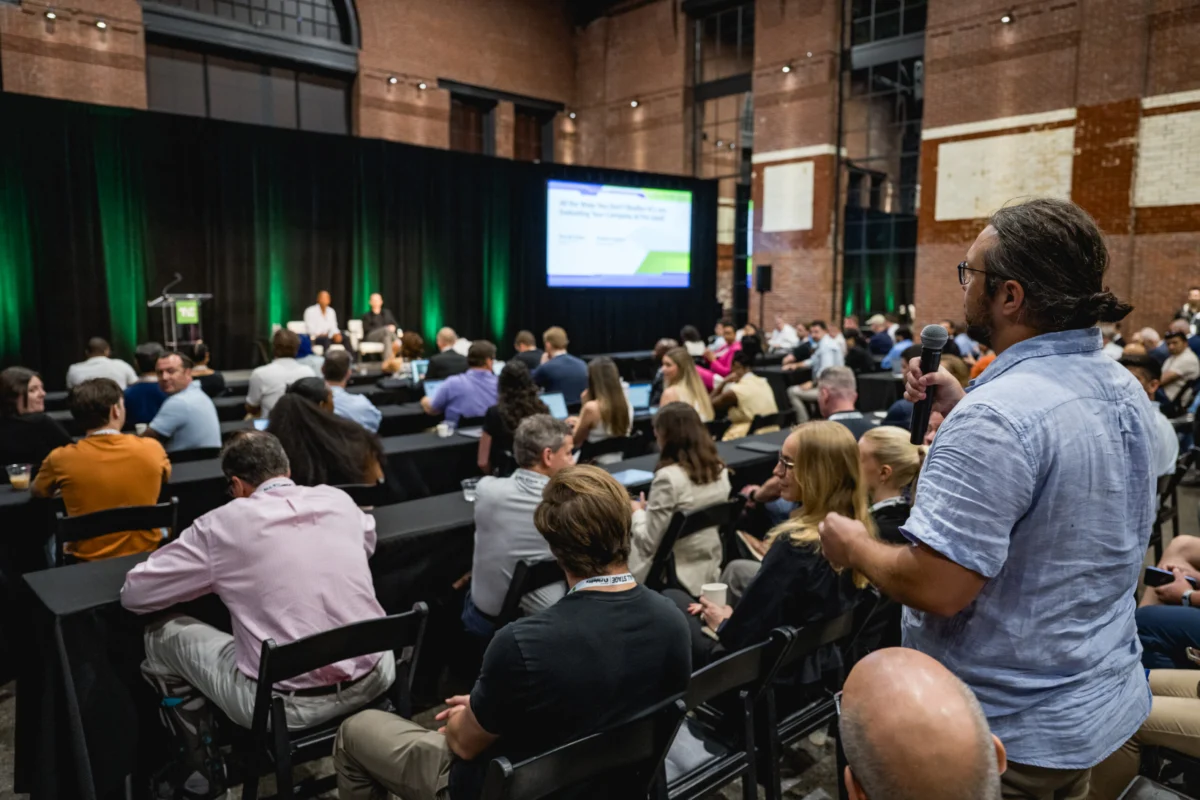
The venture capital and startup landscape is preparing for a significant gathering this autumn as the TechCrunch Founder Summit 2026 heads to Boston, Massachusetts. With the Early Bird registration deadline set for June 26 at 11:59 p.m. PT, founders and investors have a final window to secure discounted access to what has become a cornerstone event for the early-to-mid-stage enterprise ecosystem. This year’s summit, scheduled for November 4, arrives at a pivotal moment for the technology sector, as companies navigate a complex macroeconomic environment defined by the rapid integration of artificial intelligence and a shift toward sustainable growth metrics over "growth at all costs."
The event is expected to draw more than 1,000 participants to the New England tech hub, facilitating a concentrated day of peer-to-peer learning, tactical breakout sessions, and high-level networking. As the deadline approaches, organizers have noted that the Early Bird rates offer a savings of up to $190 per pass, with additional incentives for teams, including a 30% discount for groups of four or more. This pricing structure is designed to encourage participation from across the startup hierarchy, from founding teams to lead operators and strategic investors.
Strategic Context: The Boston Tech Corridor in 2026
The selection of Boston as the host city for the 2026 summit reflects the region’s enduring status as a primary engine for global innovation. Known for its dense concentration of academic institutions, including MIT and Harvard, and the high-growth "Brain Train" corridor, Boston provides a unique backdrop for a conference focused on the intersection of deep tech, biotechnology, and enterprise software. Unlike the consumer-heavy focus of West Coast hubs, the Boston ecosystem has traditionally prioritized rigorous research and development, making it an ideal venue for founders who are scaling complex, infrastructure-heavy, or highly regulated technologies.
Market data from the first half of 2026 suggests that while venture deal flow has stabilized compared to the volatility of the early 2020s, the bar for Series A and Series B rounds remains high. Investors are increasingly looking for "capital-efficient" growth, a theme that is expected to dominate the summit’s programming. By hosting the event in Boston, TechCrunch positions participants at the heart of a community that has long championed the "tough tech" and "sustainable revenue" models that are now becoming the industry standard.

A Chronology of the Founder Summit 2026
The road to the November 4 summit is marked by several critical milestones for the startup community. The current phase, ending on June 26, represents the primary acquisition period for Early Bird passes. Following this deadline, ticket prices will transition to standard rates, reflecting the increasing demand as the speaker roster and full agenda are finalized.
In the months following the June deadline, the summit will move into its "Call for Content" phase. This democratic approach to event planning allows the TechCrunch audience to vote on proposed breakout sessions and roundtable topics. This ensures that the discussions remain relevant to the immediate challenges faced by the 2026 cohort of founders. By late summer, the finalized agenda will be released, typically featuring a mix of keynote addresses from "decacorn" founders and intimate workshops led by general partners from top-tier venture firms.
The November 4 event itself is structured as a high-density, single-day intensive. This format is a deliberate departure from multi-day festivals, aiming instead to minimize time away from the office for busy executives while maximizing the "density of insight." The day will conclude with structured networking sessions designed to bridge the gap between regional founders and international capital providers.
The Triad of Growth: Founders, Operators, and Investors
The TechCrunch Founder Summit is built upon a tripartite engagement model, recognizing that startup success is rarely the result of a solitary effort. The 2026 program is specifically designed to facilitate interactions between three distinct but interdependent groups:
1. The Peer-to-Peer Founder Network
Founders often operate in high-pressure silos. The summit provides a forum for these individuals to discuss shared challenges, from the psychological toll of leadership to the tactical nuances of board management. By connecting founders at similar stages—whether they are pre-seed or approaching an exit—the event fosters a "knowledge transfer" that is often more practical than theoretical advice.

2. Operational Insights from Scaled Leaders
The inclusion of "operators"—individuals who have served as COOs, VPs of Engineering, or Heads of Sales at companies that have successfully scaled—is a key differentiator for the 2026 summit. These participants provide the "how-to" for the "what" that founders envision. Past sessions have delved into the mechanics of hiring the first 50 employees, building a repeatable sales motion, and transitioning from a single-product company to a multi-product platform.
3. Investor Alignment and Capital Strategy
With representatives from firms such as Sequoia Capital, Greylock, and NFX frequently in attendance, the summit acts as a marketplace for ideas and capital. However, the focus remains on "meaningful networking" rather than "speed dating." The goal is for founders to understand the shifting priorities of LPs (Limited Partners) and GPs (General Partners) in the 2026 landscape, particularly as it pertains to valuation benchmarks and the exit environment.
Data-Driven Programming: Addressing the 2026 Market
The 2026 agenda is being crafted against a backdrop of specific industry trends supported by recent economic data. For instance, according to recent venture reports, the time between Seed and Series A rounds has lengthened to an average of 22 months. Consequently, the summit’s programming will place a heavy emphasis on "extending the runway" and "pathways to profitability."
Past sessions that are expected to see updated iterations in 2026 include:
- Fundraising in a Disciplined Market: Strategies for navigating internal rounds, bridge loans, and the rising importance of strategic corporate venture capital (CVC).
- The AI Integration Mandate: How non-AI startups are incorporating generative and predictive models to improve internal efficiencies and customer-facing value propositions.
- Talent Acquisition and Retention: Addressing the global competition for engineering talent in a remote-hybrid world.
- Revenue Operations (RevOps): Building the infrastructure necessary to scale from $1M to $10M in Annual Recurring Revenue (ARR).
Analysis of Implications: The "Boston Effect" on 2027 Projections
The outcomes of the TechCrunch Founder Summit 2026 are expected to have a ripple effect on the 2027 fiscal year. For many attending startups, the relationships forged in November will likely dictate their fundraising success in the first and second quarters of the following year. Historically, events of this caliber serve as a catalyst for "deal-making season," where the initial conversations held in breakout rooms evolve into term sheets by the end of the calendar year.

Furthermore, the summit’s emphasis on practical takeaways suggests a broader industry trend toward "operational excellence." In 2026, the tech industry has moved past the era of speculative growth. The founders who will thrive are those who can demonstrate not just a visionary idea, but a mastery of the mechanics of company building. The Founder Summit acts as an accelerator for this mastery, providing a concentrated dose of the institutional knowledge that usually takes years to acquire.
Call to Action and Registration Logistics
As the June 26 deadline approaches, the TechCrunch editorial and events team has emphasized the importance of early commitment. The "Early Bird" phase is more than a discount period; it serves as the first filter for a community of founders who are proactive and strategic about their growth.
To register, interested parties must visit the official TechCrunch Founder Summit 2026 portal. The registration process includes options for individual passes, founder-specific tiers, and group packages. Given the 1,000-person capacity limit and the historical popularity of the Boston venue, organizers anticipate a sell-out event well before the November 4 start date.
In conclusion, the TechCrunch Founder Summit 2026 stands as a vital checkpoint for the global startup ecosystem. By bringing together the brightest minds in Boston, the event aims to provide the clarity and connections necessary to navigate the next frontier of technological and economic development. For founders looking to move their companies forward, the next four days represent a critical opportunity to secure a seat at the table where the future of the industry will be discussed, debated, and decided.