Lina Wu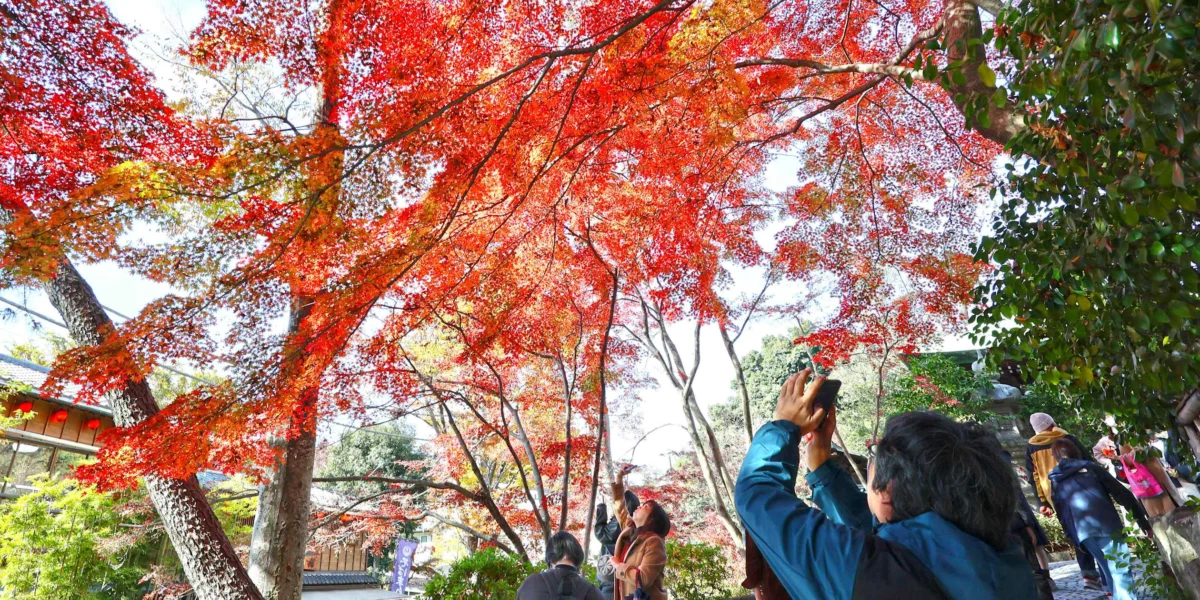
As Japan gears up for its much-anticipated autumn leaf season, known domestically as kōyō, a confluence of meteorological factors suggests that the vibrant spectacle of crimson, gold, and orange foliage may arrive later than typically observed across several key regions. Forecasts released by meteorological agencies and tourism bodies indicate that persistent above-average temperatures throughout the early autumn months are likely to delay the peak coloration of deciduous trees, a phenomenon that draws millions of domestic and international tourists to scenic spots nationwide.
The traditional kōyō season usually commences in the northern island of Hokkaido in September, gradually sweeping southwards towards Honshu, Kyushu, and Shikoku, reaching its zenith in many popular viewing locations from late October through November. However, recent climate data paints a different picture for the upcoming season, potentially altering the familiar timeline for leaf-peeping enthusiasts and impacting the tourism industry that relies heavily on this natural phenomenon.
Meteorological Drivers of the Delayed Kōyō
The primary driver behind the projected delay is the prevailing warmer weather patterns. According to data from the Japan Meteorological Agency (JMA), average temperatures recorded during the late summer and early autumn months have consistently exceeded historical norms. This sustained warmth, attributed to a combination of global climate trends and regional atmospheric conditions, directly influences the physiological processes of trees.
The coloration of autumn leaves is triggered by a decrease in chlorophyll production as daylight hours shorten and temperatures cool. Chlorophyll, the pigment responsible for the green color of leaves, breaks down, revealing the underlying yellow and orange pigments. In colder climates, the production of anthocyanins, which create the vibrant red and purple hues, is also influenced by sharp temperature drops. When temperatures remain high, these processes are slowed down.
Early forecasts from organizations like the Japan National Tourism Organization (JNTO) and private weather forecasting services, such as Weathernews Inc. and Japan Weather Association, have begun to map out anticipated kōyō timelines. These predictions, based on sophisticated climate modeling and ground-level temperature observations, consistently point towards a later peak in many popular viewing areas, including the Kanto region, which encompasses Tokyo, and parts of the Kansai region, home to Kyoto and Osaka.
For instance, initial projections suggest that the peak viewing for popular spots like Nikko in Tochigi Prefecture, typically around mid-October, might be pushed back by a week or even two. Similarly, iconic locations in the Fuji Five Lakes region, offering stunning vistas of Mount Fuji framed by autumn foliage, might see their prime viewing periods shift from late October to early or mid-November.
Historical Context and Climate Change Implications
The phenomenon of delayed autumn colors is not entirely unprecedented. Variations in kōyō timing have occurred in previous years due to fluctuating weather patterns. However, the current trend aligns with broader global observations of climate change, which is leading to warmer autumns in many temperate regions.
Scientific research, including reports from the Intergovernmental Panel on Climate Change (IPCC), highlights a consistent warming trend in Japan and the wider East Asian region. This warming is manifesting in higher average temperatures, a reduction in frost days, and altered precipitation patterns. These shifts have direct and indirect consequences for ecosystems, including the timing of seasonal changes like flowering and leaf fall.
The kōyō season is a significant cultural and economic event in Japan. For centuries, the appreciation of autumn leaves has been a cherished tradition, inspiring poetry, art, and festivals. In contemporary Japan, it is a major draw for tourism, contributing billions of dollars to the economy annually through accommodation, transportation, dining, and retail spending. A delay in the peak season can have a ripple effect, potentially shortening the viewing window or causing tourists to adjust their travel plans, which could impact businesses that depend on the steady flow of visitors.
Expert Opinions and Tourism Industry Reactions
While definitive statements are still subject to ongoing meteorological analysis, early indications have prompted discussions among tourism professionals and local authorities.
"We are closely monitoring the temperature trends and consulting with meteorological experts," stated a spokesperson for the JNTO. "While a slight delay might occur in some areas, it’s important to remember that the beauty of autumn foliage is multifaceted. Even if the peak is later, the duration of the vibrant colors can still offer a wonderful experience for visitors. Our priority is to provide accurate and timely information to travelers."
Local tourism boards in popular kōyō destinations are also preparing contingency plans. In areas like Hakone, a mountain resort town south of Tokyo renowned for its autumn scenery, operators of cable cars, lake cruises, and hotels are likely to adjust their marketing campaigns and operational schedules to reflect the revised viewing estimates.
"We understand that visitors plan their trips months in advance," commented a representative from the Hakone Tourism Association. "We are working to ensure our communications reflect the most up-to-date forecasts to manage expectations and help people make informed decisions about when to visit to experience the best of our autumn colors."
Some businesses might see an extended season, which could be a silver lining. If the warmth persists into late autumn, the viewing period could potentially be prolonged, allowing more people to witness the foliage. However, the risk of unseasonably early frosts or sudden cold snaps could still accelerate leaf fall, leading to a more compressed viewing period once the temperature drops.
Supporting Data and Forecast Methodologies
The forecasts are typically generated by combining various data sources:
- Historical Temperature Data: Analysis of past temperature records for specific regions to establish baseline seasonal averages.
- Seasonal Climate Forecasts: Predictions from national and international meteorological bodies regarding expected temperature and precipitation patterns for the coming months. These often utilize complex climate models that consider ocean currents, atmospheric pressure systems, and global climate indices.
- Tree Physiology Models: Scientific understanding of how different tree species respond to changes in temperature, daylight, and moisture.
- Ground-Level Observations: Data collected by local weather stations and citizen scientists on the current state of foliage in various locations.
For instance, the Japan Meteorological Association (JMA) has been tracking temperatures in September and October. Preliminary reports indicate that average temperatures in Tokyo during these months have been 1.5 to 2.5 degrees Celsius above the 30-year average (1991-2020). This sustained warmth is a significant factor in the delayed onset of autumn coloration.
Similarly, reports from private weather companies like Weathernews often provide detailed regional breakdowns. Their forecasts for the 2026 season, for example, have indicated that the first leaves to change color in Hokkaido might appear a few days later than usual, and this delay could propagate southward. Their detailed maps often show anticipated peak dates for major cities and tourist attractions.
Broader Implications and Analysis
The potential delay in the kōyō season serves as a tangible, albeit aesthetic, manifestation of a changing climate. While the economic impact on the tourism sector is a primary concern, there are also broader ecological considerations. Changes in the timing of seasonal events can disrupt natural cycles, affecting wildlife that relies on specific plant stages for food and shelter. For example, insects that time their life cycles with the availability of certain flowers or fruits might find their schedules out of sync.
Furthermore, the cultural significance of kōyō cannot be understated. The anticipation of the changing leaves is woven into the fabric of Japanese life. A shift in this familiar rhythm, even if subtle, can influence seasonal activities and the overall perception of time passing.
The tourism industry, adaptable by nature, is likely to navigate these changes. Marketing efforts may shift to highlight the extended viewing periods or focus on other seasonal attractions that might coincide with the altered kōyō timeline. Educational initiatives could also play a role, informing the public about the natural drivers of these seasonal shifts and fostering a deeper understanding of environmental changes.
As the season progresses, continuous monitoring by meteorological agencies and tourism organizations will be crucial. These entities will issue updated forecasts and advisories to guide both local residents and international visitors. The visual spectacle of Japan’s autumn leaves, though potentially arriving a little later this year, remains a powerful testament to the country’s natural beauty and its enduring cultural traditions, even as it adapts to a changing environment. The coming weeks will provide a clearer picture of the exact timing and intensity of the 2026 kōyō season.