Ena Muazin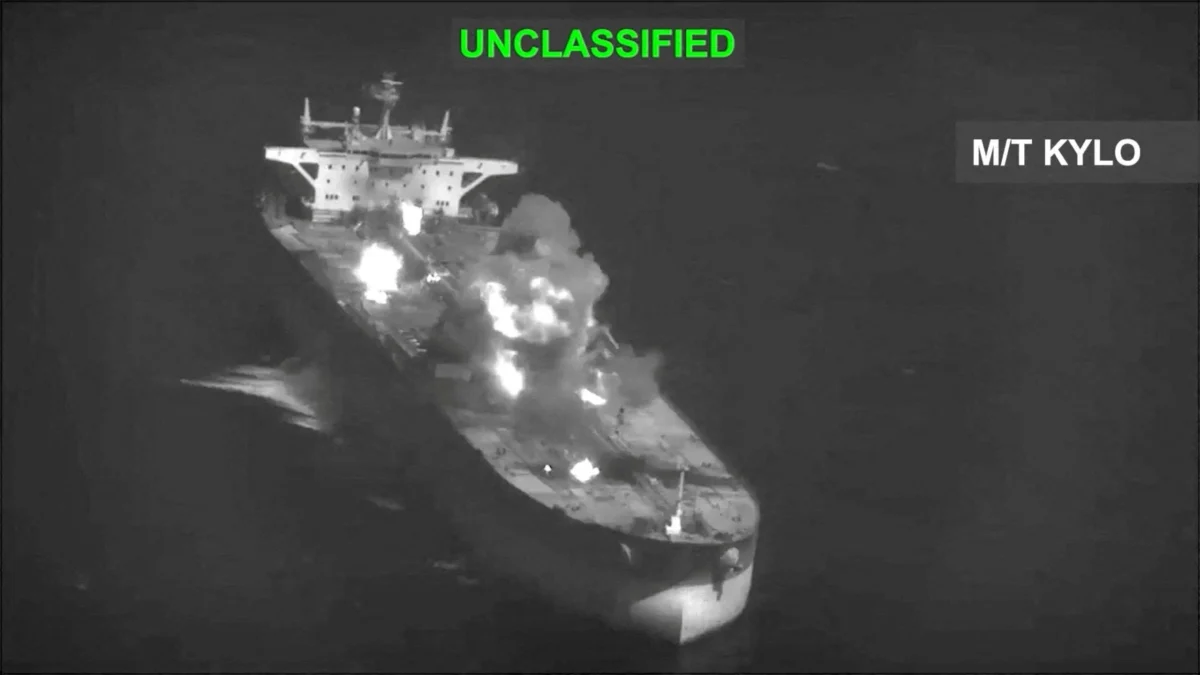
Just months ago, oil prices would have reacted far more dramatically to such news. At the beginning of the Iran war in late February, the price of oil shot up from $72 per barrel to over $119 within days. Many analysts considered an oil price of $200 per barrel to be realistic. Now, the market appears to have become desensitized. Yet, oil exports from the Gulf region are still only at about two-thirds of the pre-war level of 20 million barrels per day.
Why has the oil market developed so fundamentally differently than many experts expected? The answer lies in the interplay of several factors. Handelsblatt explains the most important questions.

The Initial Shockwave: Fear and Speculation Drive Prices Up
The onset of the conflict involving Iran sent immediate shockwaves through global energy markets. Fears of significant supply disruptions, particularly from a region responsible for a substantial portion of the world’s oil production, were widespread. The International Energy Agency (IEA) and the European Union issued stark warnings about potential shortages, exacerbating the already tense atmosphere.
In late February, crude oil prices experienced a sharp ascent. Beginning the month at a comparatively stable $72 per barrel, the benchmark Brent crude surged past $119 per barrel within a matter of days. This rapid escalation was fueled by a potent mix of panic buying, speculative trading, and genuine concerns about the potential impact of direct military actions or sanctions on Iran’s oil infrastructure and export routes. Analysts, caught in the fever of uncertainty, began to forecast extreme price levels, with some even projecting a staggering $200 per barrel as a plausible scenario. This projection was based on the historical precedent of geopolitical instability in the Middle East leading to significant oil price spikes. The memory of past oil crises, where supply disruptions led to prolonged periods of high prices and economic strain, loomed large in the minds of traders and policymakers alike.
The Unexpected Calm: Factors Mitigating Price Hikes
Despite the initial volatility and dire predictions, the oil market has since stabilized, with prices failing to reach the feared $200 per barrel mark. Several key factors have contributed to this unexpected resilience:
-
Strategic Petroleum Reserves (SPRs): Major oil-consuming nations, particularly the United States and members of the International Energy Agency (IEA), strategically released significant volumes from their Strategic Petroleum Reserves. The U.S., for instance, initiated coordinated releases of crude oil aimed at tempering price increases and ensuring market stability. These releases, totaling millions of barrels, injected much-needed supply into the global market, acting as a crucial buffer against potential shortages. The sheer volume of these reserves, accumulated over decades, provided a powerful tool to counter immediate supply shocks.
-
Increased Production from Non-OPEC+ Nations: While the OPEC+ alliance plays a significant role in global oil supply, several countries outside this group have ramped up their production. Countries like the United States, Canada, and Brazil have increased their output, compensating for some of the shortfall in supply from the Middle East. The U.S. shale oil industry, in particular, has demonstrated a remarkable ability to respond to price signals and increase production relatively quickly. This decentralized production capacity has proven to be a vital component of global energy security.
-
Slower-Than-Anticipated Demand Growth: The global economic outlook, while not uniformly bleak, has shown signs of moderating growth in some key economies. Factors such as persistent inflation, rising interest rates, and ongoing supply chain challenges have contributed to a dampening of overall demand for oil. While demand has not collapsed, it has not surged as robustly as some might have expected, further easing pressure on supply. The lingering effects of the COVID-19 pandemic on global travel and industrial activity also played a role in tempering demand.
-
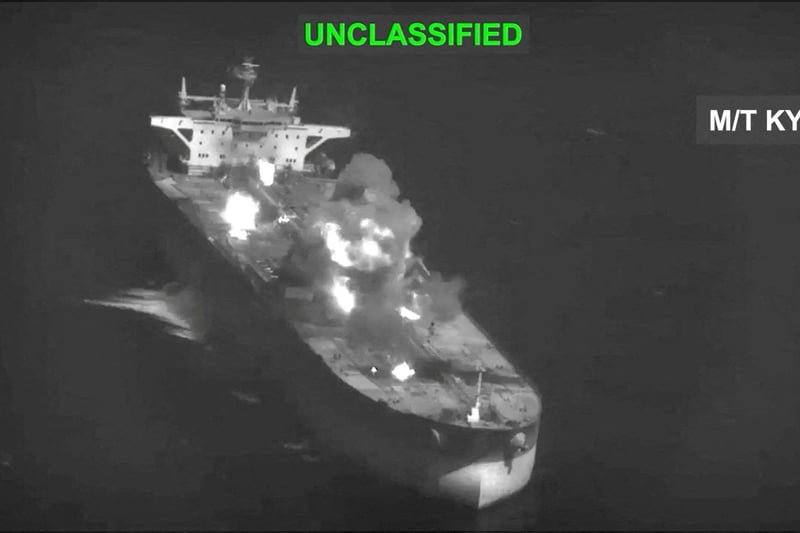
Adaptation of the Shipping and Logistics Industry: The shipping industry has demonstrated a degree of adaptability in rerouting and securing vessels. While the incident involving the Iranian oil tanker M/T Kylo, which sank in the Gulf of Oman after an alleged U.S. attack, highlights ongoing risks, the broader maritime logistics network has largely continued to function. Alternative shipping routes and increased vigilance have helped to mitigate the impact of localized disruptions.
-
Sanctions Evasion and Alternative Markets: Despite international sanctions, Iran has reportedly found ways to continue exporting a significant portion of its oil, albeit often through clandestine channels or to specific markets. The complexities of enforcing global sanctions mean that a portion of Iranian oil supply has continued to reach the market, albeit with a risk premium attached. This has provided a marginal but consistent supply that has helped to keep prices from soaring to extreme levels.
-
Strategic Lubrication of Markets by Key Players: Some analysts suggest that key global players may have strategically managed their oil reserves and production levels to prevent extreme price spikes, recognizing the potential for severe economic consequences. The desire to avoid a global recession, which a sharp rise in oil prices could precipitate, might have led to a more measured approach from major oil-producing and consuming nations.

Chronology of Events and Market Reactions
The unfolding of the Iran conflict and the subsequent market responses can be traced through a series of key events:
Late February:
- Escalation of Tensions: Diplomatic efforts to de-escalate tensions in the region falter.
- Military Incidents: Reports of increased military activity and skirmishes emerge, raising concerns about potential disruptions to shipping lanes.
- Price Surge: Oil prices react sharply, with Brent crude climbing from around $72 to over $119 per barrel in a matter of days.
- Expert Warnings: The IEA and EU issue warnings about potential supply shortages and price volatility. Analysts begin forecasting prices of $200 per barrel.
Early March:

- Strategic Reserve Releases: The United States announces and begins implementing significant releases from its Strategic Petroleum Reserve. Other IEA member countries follow suit with coordinated releases.
- Increased Non-OPEC+ Production: Reports indicate a modest uptick in oil production from countries like the U.S. and Canada.
- Market Stabilization: The initial panic subsides slightly as the impact of reserve releases becomes apparent. Prices begin to moderate, trading in the $100-$110 range.
Mid-March to Present:
- Sustained Supply from Alternative Sources: Increased production from non-OPEC+ nations and continued, albeit often undisclosed, exports from Iran contribute to market stability.
- Global Economic Concerns: Signs of slowing global economic growth and rising inflation lead to reassessments of oil demand forecasts.
- Geopolitical Developments: While tensions remain, major direct disruptions to large-scale oil infrastructure are largely avoided. Isolated incidents, such as the sinking of the M/T Kylo, serve as reminders of ongoing risks but do not trigger sustained price spikes.
- Current Price Range: Oil prices settle into a more moderate range, generally fluctuating between $80 and $100 per barrel, far below the initial extreme forecasts.
Supporting Data and Market Indicators
Several data points illustrate the market’s divergence from initial fears:
- Global Oil Production: While pre-war daily production from the Gulf region was around 20 million barrels, current figures indicate it hovers around two-thirds of that level, approximately 13.3 million barrels per day. This shortfall, while significant, has been mitigated by other factors.
- Strategic Petroleum Reserve Levels: The U.S. SPR, which stood at approximately 568 million barrels at the start of the year, has seen significant drawdowns due to the coordinated releases. However, the sheer size of these reserves has provided a substantial cushion.
- Inventories: Global oil inventories have remained at levels that, while perhaps lower than ideal, have not signaled an imminent crisis. The availability of crude in storage has played a crucial role in preventing panic.
- Futures Market Activity: While speculative trading remains, the extreme backwardation (a market structure where future prices are lower than spot prices, indicating ample near-term supply) that characterized the initial shock has eased. The futures curve now reflects a more balanced outlook.
Official Responses and Statements
Governments and international organizations have consistently emphasized their commitment to market stability and energy security.

- United States Department of Energy: Officials have repeatedly stated their readiness to deploy additional SPR oil if necessary to address supply disruptions and market instability. They have also engaged in diplomatic efforts to encourage increased production from allied nations.
- International Energy Agency (IEA): The IEA has closely monitored the global oil market, providing regular assessments of supply and demand. Their reports have highlighted the effectiveness of SPR releases and the resilience of supply from non-OPEC+ sources.
- European Union: The EU has focused on diversifying its energy sources and reducing reliance on Russian oil, which has indirectly impacted global supply dynamics. Their energy security strategies have aimed to build a more robust and resilient energy infrastructure.
Broader Impact and Implications
The divergence between initial fears and the current reality of the oil market has several significant implications:
- Economic Resilience: The absence of a crippling oil price shock has likely contributed to greater global economic resilience than initially anticipated. A sustained surge to $200 per barrel could have triggered widespread inflation, recessionary pressures, and severe economic hardship across many nations.
- Geopolitical Strategy: The ability of the global community to absorb and mitigate the impact of a major geopolitical event on oil markets may influence future geopolitical strategies. It demonstrates that coordinated action and strategic reserves can be powerful tools in managing energy security.
- Energy Transition: While the immediate focus has been on ensuring current oil supply, the underlying vulnerabilities exposed by the conflict underscore the long-term imperative of accelerating the transition to renewable energy sources. Diversifying away from fossil fuels remains a critical strategy for enhancing energy independence and mitigating the impact of future geopolitical shocks.
- Market Psychology: The event highlights the powerful role of market psychology and the potential for overreaction in times of uncertainty. The initial surge in prices was amplified by fear and speculation, which were subsequently tempered by rational market adjustments and strategic interventions.
The situation surrounding oil prices and the Iran conflict serves as a complex case study in the interplay of geopolitics, economics, and market dynamics. While the immediate crisis did not manifest in the extreme price hikes initially feared, the underlying vulnerabilities and the ongoing risks in the global energy landscape remain a significant concern. The ability of markets to absorb shocks, combined with strategic interventions, has so far prevented a catastrophic scenario, but the long-term implications for energy security and the global economy continue to be shaped by these evolving dynamics.