Farhan Pambudi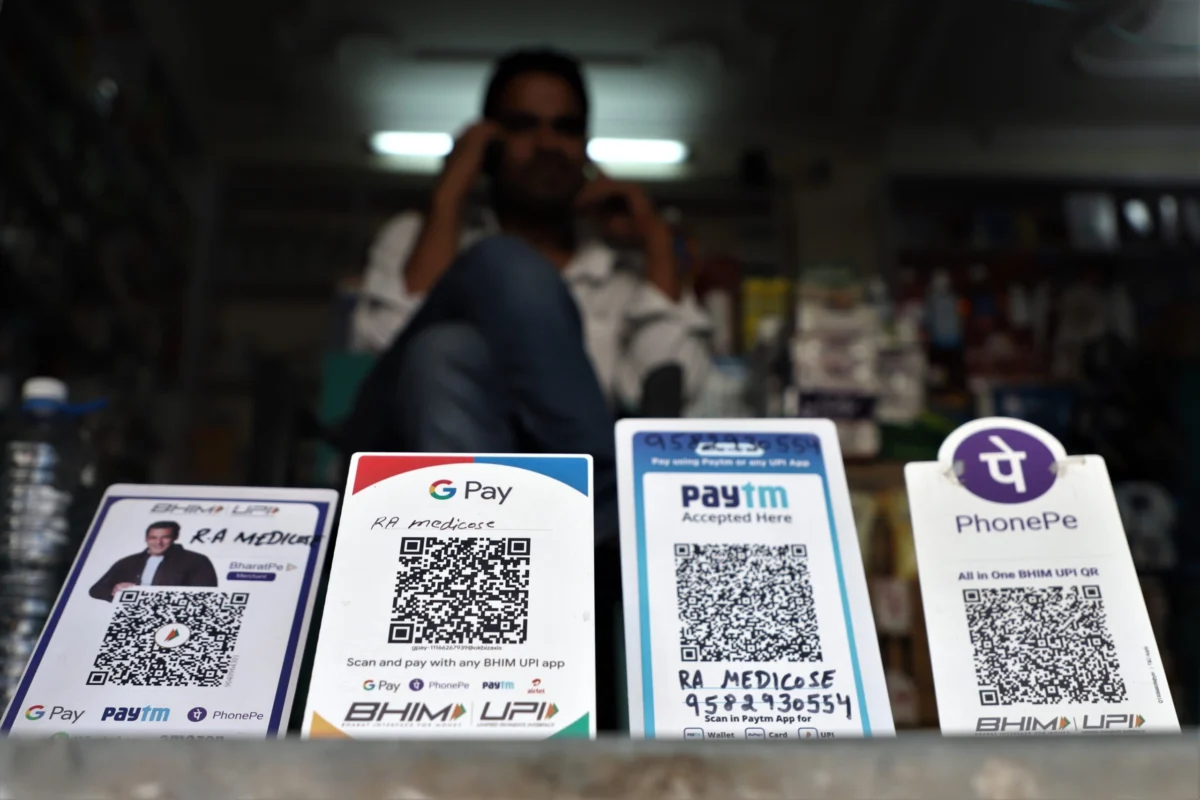
The Government of India has introduced landmark legislation in Parliament that signals a fundamental shift in the nation’s digital payments landscape by establishing the legal framework to reintroduce merchant fees on the Unified Payments Interface (UPI). This legislative move marks the beginning of an overhaul for the world’s most successful real-time payment system, potentially ending the "zero-merchant-discount-rate" (MDR) regime that has been in place since January 2020. While the bill does not immediately impose specific charges, it empowers the government and regulatory bodies to define and implement a fee structure for certain classes of transactions, aiming to ensure the long-term financial sustainability of the digital payment ecosystem.
The Legislative Foundation for a New Fee Structure
The proposed legislation, recently introduced in the Lok Sabha, seeks to amend existing financial regulations to allow for the collection of service charges on UPI transactions. Since 2020, the Indian government has mandated a zero-MDR policy for UPI and RuPay Debit cards, meaning that businesses—ranging from small street vendors to large retail conglomerates—could accept digital payments without paying the transaction fees typically associated with credit cards or traditional banking transfers.
Under the current framework, the costs of maintaining the massive UPI infrastructure, processing transactions, and ensuring cybersecurity have been borne primarily by banks and payment service providers, partially offset by government subsidies. The new bill provides the "legal groundwork" required to transition away from this subsidy-dependent model. By codifying the ability to charge fees, the government is preparing for a future where the private sector takes a more prominent role in funding the network’s expansion and technical upkeep.
A Chronology of UPI’s Rapid Evolution
To understand the significance of this legislative shift, it is necessary to examine the trajectory of UPI since its inception. Launched in 2016 by the National Payments Corporation of India (NPCI) under the aegis of the Reserve Bank of India (RBI), UPI was designed to simplify peer-to-peer (P2P) and peer-to-merchant (P2M) transactions using mobile devices.
- 2016–2019: The Formative Years: UPI saw steady growth as banks and third-party applications like PhonePe and Google Pay entered the market. Fees were initially present but varied across providers.
- January 2020: The Zero-MDR Mandate: In a bid to formalize the economy and accelerate the "Digital India" initiative, the government scrapped MDR for UPI. This move was instrumental in driving adoption, as merchants no longer faced a financial barrier to ditching cash.
- 2021–2023: Exponential Growth and Infrastructure Strain: Transaction volumes surged from millions to billions per month. The government began allocating annual budgets (often around ₹1,500 crore to ₹2,000 crore) to incentivize banks to continue supporting the free service.
- 2024: The Sustainability Crisis: With UPI processing over 13 billion transactions in a single month and hitting record values, the cost of scaling the IT infrastructure, preventing fraud, and maintaining high success rates began to outpace the government’s incentive packages.
The current move to introduce legislation is the culmination of years of internal debate between the Ministry of Finance, the RBI, and fintech stakeholders regarding who should pay for the "rails" of the digital economy.
Analyzing the Scale: July 2024 Performance Data
The urgency behind the legislative change is underscored by the staggering scale of the UPI network. According to data from the NPCI, July 2024 was a record-breaking month, with the platform processing 23.66 billion transactions. The total value of these transactions reached ₹29.88 trillion (approximately $313.4 billion).
This volume represents a significant year-on-year increase, highlighting that UPI has moved beyond being a niche payment method to becoming the primary financial utility for the Indian populace. However, this success brings a technical burden. Every transaction requires real-time communication between the remitting bank, the receiving bank, the NPCI switch, and the front-end payment application. As the system moves toward a goal of 1 billion transactions per day, the capital expenditure required for server capacity and cybersecurity is projected to grow exponentially.
Industry Reactions and the Sustainability Argument
The fintech sector has largely welcomed the legislative proposal, viewing it as a necessary step toward a "mature" market. Amrish Rau, CEO of Pine Labs, a leading merchant commerce platform, noted that for the industry to reach 90% penetration and successfully export the UPI model globally, startups and banks must be able to reinvest profits into innovation.
"For us to get to 90% penetration, and to take UPI global, startups, fintechs and banks will need to fund this expansion through continued investments in IT, innovation and cyber security," Rau stated in a public reaction. He emphasized that by allowing the industry to recover costs from merchants—while keeping consumer-facing and P2P payments free—the government can ensure the network remains robust without relying on perpetual state bailouts.
Financial institutions have echoed these sentiments, arguing that the zero-MDR policy created a "missing revenue" problem. While UPI increased financial inclusion, it did not provide a direct return on investment for the banks that maintain the underlying ledger systems. A structured MDR would allow banks to upgrade their legacy systems to handle the high-concurrency demands of modern digital payments.
Strategic Implementation: Targeting Large Merchants
One of the most critical aspects of the proposed overhaul is the likely differentiation between small and large merchants. Reports suggest that the government is not looking to tax the "kirana" (small neighborhood) stores or street vendors who were the primary beneficiaries of the 2020 policy. Instead, the focus is expected to be on large-scale retailers and high-value transactions.
An analysis by the brokerage firm Bernstein highlighted a compelling strategy: focusing on transactions above ₹2,000 (approximately $21). While transactions over this threshold account for only about 4% of total transaction volume, they represent nearly 70% of the total transaction value. By applying a modest MDR—estimated by analysts at Jefferies to be between 15 and 30 basis points (0.15% to 0.30%)—on these high-value payments, the industry could generate an additional ₹50 billion to ₹100 billion ($525 million to $1.05 billion) in annual revenue by fiscal year 2028.
This "surgical" approach to merchant fees would preserve the user experience for the average consumer and the micro-entrepreneur while tapping into the revenue potential of organized retail and luxury commerce.
Implications for Market Leaders: PhonePe and Google Pay
The legislation will have profound implications for the dominant players in the UPI ecosystem. Currently, Walmart-owned PhonePe and Alphabet’s Google Pay control approximately 80% of the UPI transaction volume. Despite their massive user bases, these companies have struggled to monetize UPI directly due to the zero-MDR rule, instead relying on cross-selling financial services like insurance, loans, and wealth management.
If merchant fees are reintroduced, the distribution of that revenue (the "interchange" split) will become a point of intense negotiation. Typically, MDR is shared between the "Acquiring Bank" (the merchant’s bank), the "Issuing Bank" (the customer’s bank), and the "Network" (NPCI and the payment app). How much Google Pay or PhonePe stands to gain will depend on the specific regulatory guidelines issued following the passage of the bill.
Global Expansion and International Standards
The timing of this legislation is also tied to India’s ambitions to take UPI global. The system is already live or in various stages of implementation in countries such as Singapore, the United Arab Emirates, France, Mauritius, Sri Lanka, and Nepal.
For UPI to be compatible with international payment networks, it must align with global economic standards, which almost universally include a merchant-pay model. International partners are often hesitant to adopt a system that relies entirely on another government’s subsidies. By establishing a self-sustaining commercial model at home, India makes UPI a more attractive and viable alternative to global giants like Visa and Mastercard on the international stage.
Potential Challenges and Economic Risks
While the move is framed as a step toward sustainability, it is not without risks. Critics and some merchant associations worry that reintroducing fees could lead to "cash-back" behavior, where merchants encourage customers to pay in cash to avoid the MDR. This could potentially reverse some of the gains made in the formalization of the Indian economy.
Furthermore, there is the question of "chargeback" and consumer protection. If merchants are paying for the service, they will likely demand higher service-level agreements (SLAs) from banks and payment apps, including faster dispute resolution and better protection against payment failures.
Conclusion and Future Outlook
The introduction of this legislation represents a pivotal moment in India’s digital journey. It signals that the government believes UPI has reached a level of ubiquity where it no longer requires the "training wheels" of a zero-fee mandate to survive.
The coming months will be critical as the industry awaits the specific rules that will follow the bill’s passage. The Ministry of Finance and the RBI will need to strike a delicate balance: generating enough revenue to satisfy the financial sector and fund technological growth, while ensuring that the cost does not become a burden that stifles the digital revolution that has transformed the lives of millions of Indians. As the legislation moves through the parliamentary process, all eyes will be on the "fine print" that will ultimately define the price of a digital transaction in India.