Ella Zulfa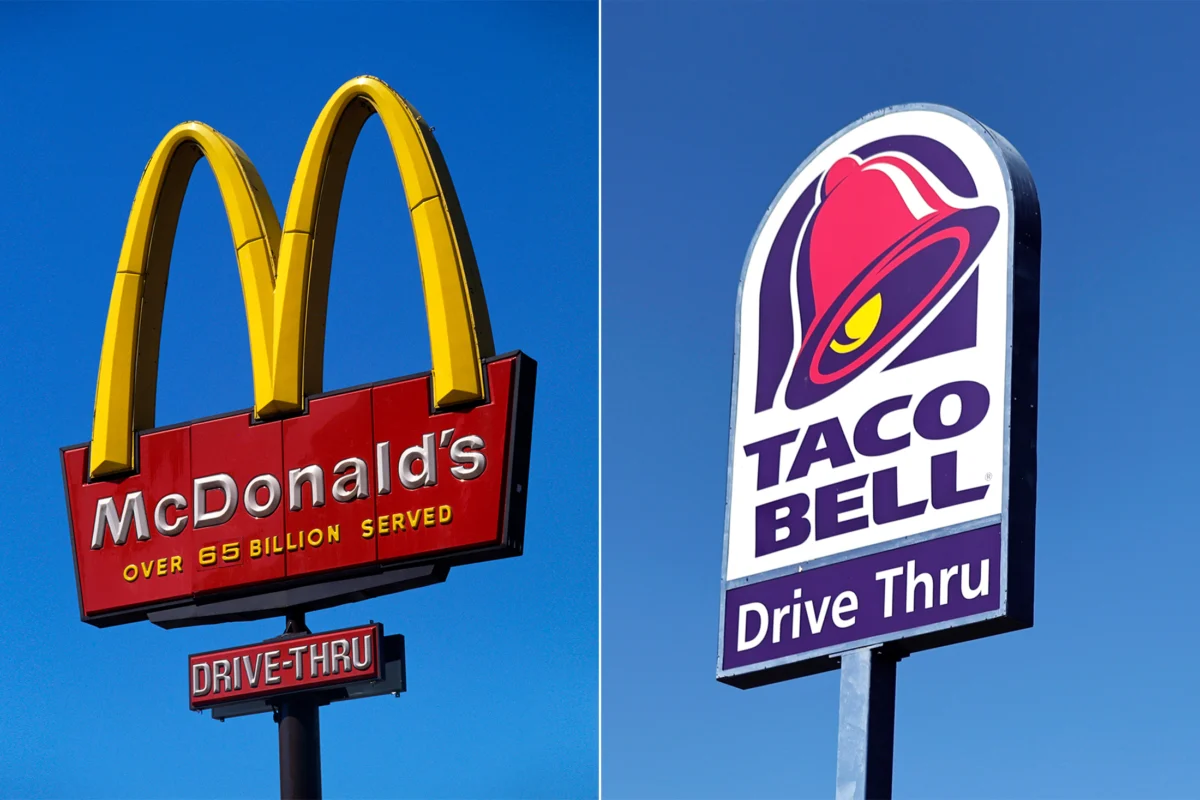
The battle for the crucial 3 p.m. pick-me-up has intensified as two fast-food giants, McDonald’s and Taco Bell, have launched new energy drink offerings mere days apart. This rapid-fire product rollout signals a significant escalation in the competition within an increasingly crowded and lucrative beverage market. The real challenge for both legacy brands, however, lies not just in competing with each other, but in carving out distinct identities and capturing consumer attention amidst a surge of innovative and agile beverage players.
A Clash of Titans in the Afternoon Slump
The strategic timing of these launches underscores the immense potential perceived in the afternoon beverage occasion. McDonald’s, in a significant move to bolster its beverage sales, has partnered with the global energy drink powerhouse Red Bull. The result is the "Dragonberry Energizer," a vibrant new concoction designed to appeal to consumers seeking a sustained energy boost to combat the mid-afternoon slump. This collaboration leverages Red Bull’s established brand recognition and expertise in the energy drink sector, aiming to inject a potent dose of excitement into McDonald’s existing beverage menu.
Just days after McDonald’s announced its Red Bull-infused offering, Taco Bell responded with a multi-pronged attack of its own. The Mexican-inspired fast-food chain unveiled three distinct "energy refreshers," signaling a clear intent to challenge McDonald’s entry and assert its own dominance in the afternoon beverage space. This aggressive counter-move highlights Taco Bell’s ambition to significantly expand its beverage portfolio and tap into a segment that has historically been a major revenue driver for the quick-service restaurant industry.
The Beverage Boom and the Evolving Consumer Landscape
Both McDonald’s and Taco Bell have been actively engaged in the beverage market for years, recognizing its substantial contribution to overall sales and profitability. However, the landscape has dramatically shifted. The rise of specialized beverage chains and the growing consumer demand for functional and exciting drink options have created a highly competitive environment. Upstart chains, unburdened by legacy operations, are rapidly innovating and capturing market share with unique flavor profiles and targeted marketing strategies.
The stakes are undeniably high. McDonald’s has reported substantial gains from its beverage initiatives, with average customer spending per visit reportedly increasing by approximately 50%. Crucially, these new beverage options are not only driving higher transaction values but are also attracting a new demographic of customers who might not have previously considered McDonald’s as a destination for their daily beverage needs. This broader customer acquisition is a significant win for the fast-food behemoth.
Taco Bell, with its eyes set on ambitious growth, has publicly stated its goal for beverages to achieve $5 billion in annual sales independently. This figure is substantial, placing its beverage aspirations on par with the entire systemwide sales of established chains like Wingstop or Pizza Hut, underscoring the strategic importance of this category to Taco Bell’s future.
Beyond the Rivalry: The Real Competition
While the direct competition between McDonald’s and Taco Bell is palpable, industry observers and market analysts point to a more formidable set of rivals that are truly disrupting the market. The rapid expansion and aggressive growth of specialized beverage chains like 7 Brew and Dutch Bros present a more significant existential threat to the market share of both McDonald’s and Taco Bell.
7 Brew, a drive-thru focused beverage concept, has experienced explosive growth, reportedly adding nearly 300 new locations in the past year alone. This expansion has been coupled with a remarkable increase in sales per store, which has risen by a third. This meteoric rise demonstrates the effectiveness of their specialized model and their ability to resonate with consumers seeking convenient, high-quality, and often customizable beverage options.
Dutch Bros, another prominent player in the rapidly growing coffee and energy drink market, has also solidified its position as a major competitor. While McDonald’s boasts a significantly larger footprint with over 13,700 restaurants globally compared to Taco Bell’s more than 7,700 locations, the agility and specialized focus of brands like 7 Brew and Dutch Bros allow them to adapt quickly to consumer trends and capture a dedicated customer base.
The Power of Cult Favorites and Brand Loyalty
Despite the emergence of new challengers, Taco Bell possesses a unique and potent weapon in its arsenal: Baja Blast. This iconic, neon-blue Mountain Dew-based beverage, launched in 2004, has cultivated a fervent cult following. Its distinctive flavor and association with Taco Bell have made it a perennial favorite, generating significant brand loyalty and repeat business. The enduring popularity of Baja Blast provides Taco Bell with a distinct advantage, a built-in consumer demand that other chains struggle to replicate. This established, beloved product offers a significant head start in the energy drink arena, providing a strong foundation for their newer offerings.
McDonald’s, on the other hand, relies on its vast global reach and the strategic power of its partnership with Red Bull. The Dragonberry Energizer aims to tap into the established consumer trust and brand equity of Red Bull, a company synonymous with energy and performance. By associating with such a dominant brand, McDonald’s seeks to instantly elevate its energy drink offering and capture a segment of the market that prioritizes well-known and trusted energy brands.
A Strategic Pivot: The Future of Fast Food Beverages
The aggressive moves by McDonald’s and Taco Bell highlight a broader strategic pivot within the fast-food industry. Beverages are no longer viewed as a secondary revenue stream but as a primary growth engine. The ability to offer diverse, appealing, and profitable beverage options is becoming a critical differentiator in an increasingly competitive market.
Timeline of Developments:
- Early 2000s: The emergence of specialized energy drink brands begins to shape consumer preferences.
- 2004: Taco Bell introduces Mountain Dew Baja Blast, laying the groundwork for a cult beverage following.
- 2010s: The "beverage boom" gains momentum, with consumers seeking more than just standard sodas and coffees.
- Mid-2010s to Present: Specialized beverage chains like Dutch Bros and 7 Brew begin their rapid expansion, challenging traditional QSRs.
- Early 2020s: McDonald’s and Taco Bell increase focus on beverage innovation and menu diversification.
- August 2026 (Weeks Leading Up to Launch): Speculation and industry whispers about new energy drink initiatives from major fast-food players.
- August 2026 (Early August): McDonald’s officially announces its collaboration with Red Bull for the "Dragonberry Energizer."
- August 2026 (Mid-August): Taco Bell unveils its trio of new energy refreshers in response to McDonald’s announcement.
- Ongoing: Analysts and consumers closely watch sales figures and market reception of these new offerings.
The implications of this intensified beverage war are far-reaching. For consumers, it promises greater choice, potentially more competitive pricing, and a wider array of options to meet their energy needs. For the fast-food industry, it signals a continued emphasis on beverage innovation, strategic partnerships, and a deeper understanding of consumer preferences beyond traditional food offerings. The success of these new energy drinks will likely influence future menu development and marketing strategies across the sector, as brands vie for the consumer’s increasingly discerning beverage dollar. The 3 p.m. slump has officially become a prime battleground for fast-food supremacy.