Ena Muazin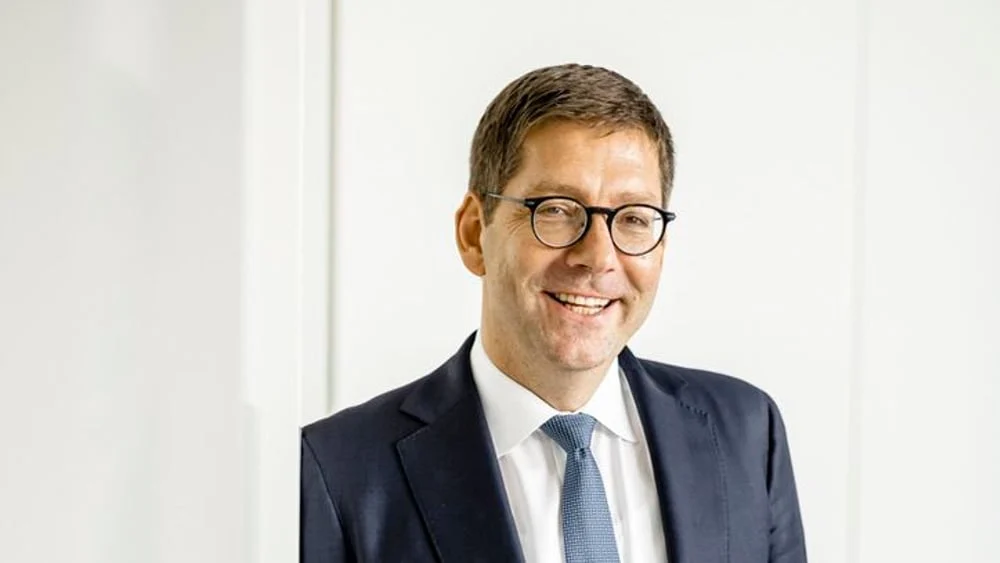
Jan Viebig, a highly regarded figure in Germany’s financial landscape, has transitioned from his distinguished role as Chief Investment Strategist at Oddo BHF to embark on a new chapter as an independent fund manager. This strategic shift, formalized in May, marks a significant move for an economist who has spent seven years shaping investment strategies for a prominent private bank. Viebig’s expertise, honed through years of navigating complex capital markets, is now being channeled into his own venture, underpinned by a recently published book titled "Ein kleines Vermögen für alle" (A Small Fortune for Everyone). The book, and by extension Viebig’s public commentary, advocates for a fundamental shift in how individuals approach wealth accumulation, with a particular emphasis on the power of equities.
Viebig’s core message, as articulated in his book and broader public statements, is a direct challenge to what he perceives as a widespread misunderstanding of the relationship between return and risk among German savers. He frequently points to the persistent reliance on "guarantee products" as evidence of this disconnect. These products, while offering a sense of security, often come with significantly lower returns, thereby hindering long-term wealth growth. Viebig argues that this risk aversion, while understandable in a country with a strong savings culture, ultimately deprives individuals of the potential to build substantial wealth.
The Case for Equities: A Paradigm Shift in Wealth Accumulation
Central to Viebig’s investment philosophy is the conviction that equities are indispensable for anyone serious about building significant wealth. His book, "Ein kleines Vermögen für alle," serves as a practical guide, demystifying investment strategies and outlining a clear path toward sustained financial growth. Viebig contends that the historical performance of stock markets, despite periods of volatility, consistently demonstrates their capacity to deliver superior returns compared to more conservative investment vehicles.
He emphasizes that this is not about speculative trading but about strategic, long-term investment. By investing in equities, individuals become part-owners of businesses, participating in their growth and profitability. This can lead to capital appreciation and dividend income, compounding over time to create significant wealth. Viebig’s analysis often highlights the wealth-generating power of compounding, a concept that is amplified through consistent investment in assets with strong growth potential, such as stocks.
The AI Rally: A New Frontier for Investment?
Beyond the foundational principles of equity investment, Viebig also offers insights into contemporary market trends, notably the current surge in artificial intelligence (AI). He suggests that the "AI rally" is far from over, implying that the transformative potential of AI is still unfolding and presents significant opportunities for investors. This perspective aligns with a growing consensus among market analysts who see AI as a foundational technology that will reshape numerous industries, driving innovation and economic growth for years to come.
The rapid advancements in AI, from machine learning algorithms to generative AI models, are already impacting sectors ranging from technology and finance to healthcare and manufacturing. Viebig’s forward-looking stance suggests that investors who understand and embrace these technological shifts are better positioned to capitalize on the future economic landscape. His expertise, built on decades of analyzing market dynamics, allows him to identify these emerging trends and translate them into actionable investment advice.
Background and Context: The German Savings Landscape
Germany has long been characterized by a strong savings culture, often rooted in a desire for financial security and a historical distrust of volatile markets. This preference for stability has led to a significant allocation of household savings into traditional banking products, such as savings accounts, fixed-term deposits, and insurance-linked savings plans. While these instruments provide a degree of capital preservation, their returns have often lagged behind inflation, leading to a real-term erosion of savings over time.

This phenomenon is often referred to as "real interest rate erosion," where the nominal interest earned on savings is outpaced by the rate of inflation, resulting in a decline in purchasing power. Viebig’s critique of "guarantee products" directly addresses this issue, arguing that the perceived safety of these investments comes at the cost of significant long-term wealth-building potential.
Jan Viebig’s Career Trajectory
Jan Viebig’s academic background as a habilitated economist has provided him with a robust theoretical foundation for his market analyses. His seven-year tenure as Chief Investment Strategist at Oddo BHF offered him invaluable experience in developing and executing investment strategies for a diverse clientele, including institutional investors and high-net-worth individuals. During this period, he would have been responsible for asset allocation, market forecasting, and risk management, gaining a deep understanding of global financial markets.

His decision to become an independent fund manager signifies a desire to implement his investment principles directly and potentially offer more tailored solutions to investors. This entrepreneurial move allows him to focus on his core conviction: empowering individuals to build wealth through smart, equity-focused investing.
Implications for Investors and the Financial Industry
Viebig’s message carries significant implications for both individual investors and the broader financial industry. For individuals, it serves as a call to re-evaluate their investment strategies and consider a more proactive approach to wealth creation. By embracing equities, investors can potentially achieve higher returns and build more substantial financial security over the long term.

For the financial industry, Viebig’s advocacy highlights a potential area for innovation and education. There is a clear need for financial institutions to better educate clients about the risks and rewards of different asset classes and to offer investment products that align with long-term wealth-building goals. The shift towards independent fund management also reflects a growing trend of financial professionals seeking greater autonomy and the ability to implement their unique investment philosophies.
The increasing prominence of AI in financial markets also suggests a need for continuous learning and adaptation. Viebig’s acknowledgement of the AI rally indicates a recognition that technological advancements will continue to shape investment opportunities, requiring investors and advisors alike to stay abreast of these developments.

Looking Ahead: The Future of Wealth Building
Jan Viebig’s transition and his outspoken advocacy for equity-based wealth building represent a timely contribution to the ongoing discourse on financial literacy and investment strategies. His insights, backed by extensive experience and academic rigor, offer a compelling argument for a more dynamic and growth-oriented approach to personal finance. As individuals increasingly seek to secure their financial futures, Viebig’s philosophy, emphasizing long-term equity investment and an understanding of emerging technological trends like AI, is likely to resonate with a growing audience. His journey from a leading strategist to an independent manager underscores a commitment to empowering individuals with the knowledge and tools necessary to achieve their financial aspirations.