Putri Inara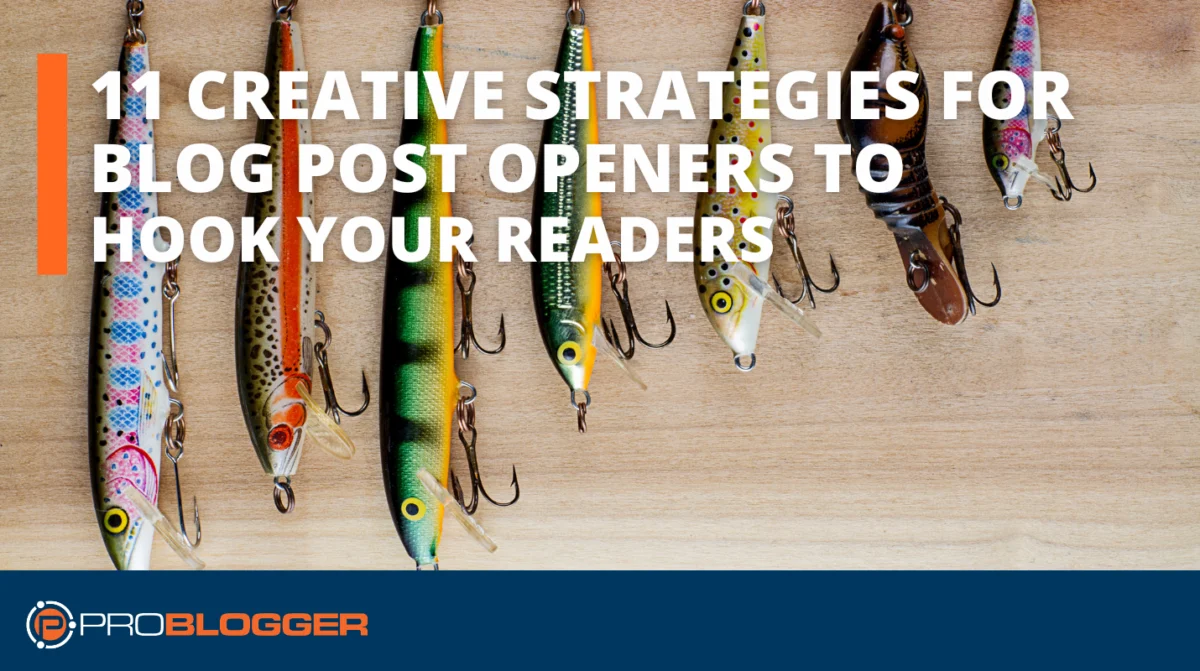
The Evolution of the Digital Lead: A Chronological Overview
The art of the opening line has evolved significantly since the inception of professional journalism. Historically, the "Inverted Pyramid" style dominated the 19th and 20th centuries, a necessity born from the era of telegraphy where the most crucial information—who, what, where, when, and why—had to be transmitted first in case the signal was lost. This clinical approach prioritized information density over engagement.
By the late 20th century, the "feature lead" emerged, popularized by magazines like The New Yorker and Rolling Stone, which utilized narrative storytelling and descriptive imagery to set a mood. However, the rise of the internet in the late 1990s and early 2000s necessitated a third evolution. As the volume of available content exploded, the "digital hook" became the standard. In the early blogging era (circa 2002–2008), pioneers like Darren Rowse of ProBlogger began codifying these strategies, recognizing that digital readers "scan" rather than "read." This transition marked a shift from mere information delivery to the psychological engineering of curiosity.
Supporting Data on Reader Behavior and Retention
Quantitative analysis of web traffic patterns reveals a distinct "F-shaped" reading pattern. According to eye-tracking studies conducted by the Nielsen Norman Group, users rarely read every word on a page. Instead, they scan the top of the content horizontally and then move down the left side of the screen. This behavior underscores the necessity of a powerful opening; if the first few lines fail to resonate, the reader’s gaze will likely bypass the core body of the text entirely.
Furthermore, bounce rate data—the percentage of visitors who leave a site after viewing only one page—indicates a strong correlation between "hook" quality and time-on-page metrics. A study of 2.3 million blog posts found that articles with narrative-driven or question-based openings experienced a 15% higher average dwell time compared to those starting with generic definitions or dry factual statements.
Eleven Strategic Frameworks for Content Openers
To address the challenges of digital distraction, content creators have developed eleven distinct strategies designed to secure immediate reader engagement. These methods leverage psychological triggers such as the "curiosity gap," empathy, and the desire for self-improvement.
1. The Identification of Reader Needs
Effective communication begins with the acknowledgement of a problem. By pinpointing a specific pain point or requirement in the opening sentence, a writer establishes immediate relevance. This technique functions on the principle of "problem-solution" architecture. While the solution may not be provided until the conclusion, the promise of a resolution acts as a powerful incentive for the reader to proceed.
2. The One-Answer Question
Utilizing questions that elicit a mental "yes" from the reader is a foundational copywriting tactic. This creates an immediate alignment between the author and the audience. When a reader agrees with a premise—such as "Have you ever struggled to stay focused?"—they subconsciously enter a "buy-in" phase, making them more receptive to the information that follows.
3. The Curiosity-Driven Inquiry
Unlike the one-answer question, the intriguing question seeks to spark a "curiosity gap." Research by George Loewenstein suggests that curiosity is a form of cognitive deprivation that occurs when there is a gap between what we know and what we want to know. Questions like "What is the one habit that separates millionaires from the middle class?" create a tension that can only be resolved by reading the article.
4. The Element of Surprise
Pattern interruption is a highly effective cognitive tool. By opening with an unexpected fact, a personal anecdote that seems "off-topic," or a counter-intuitive statement, a writer can "snap" a reader out of their habitual scanning mode. For instance, sharing a humorous personal mistake can humanize the author and build rapport through vulnerability.
5. Narrative and Analogy
Human brains are neurobiologically hardwired for storytelling. Narrative openings, or the use of analogies to explain complex topics, switch the reader’s cognitive processing from analytical to experiential. This makes the content more relatable and memorable. Analogies, in particular, provide a familiar framework for understanding new or abstract concepts.
6. The Bold Claim or Promise
Directness can be a virtue in a crowded marketplace. Starting with a strong assertion—such as "This strategy will double your productivity in 30 days"—sets a high expectation. While effective, this strategy carries a significant burden of proof; the author must provide substantial evidence within the body of the text to maintain credibility.
7. The Utilization of Controversy
Controversy, when handled professionally, serves as an immediate attention-grabber. Challenging a common industry myth or stating a strong, well-reasoned opinion on a polarizing topic forces the reader to take a mental stand. Whether the reader agrees or disagrees, they are likely to continue reading to understand the author’s rationale.
8. Visual Imagery and Sensory Language
Encouraging readers to visualize a scenario engages the senses and evokes emotion. By using descriptive language—"Imagine standing on a stage in front of 5,000 people"—the writer bypasses the reader’s logical filters and connects with their imagination. This is particularly effective for motivational or educational content.
9. Impactful Statistical Data
Numbers provide a sense of authority and urgency. A startling statistic—for example, "Only 1% of blog readers ever leave a comment"—quantifies a problem in a way that qualitative descriptions cannot. Data-driven leads are often perceived as more objective and trustworthy by professional audiences.
10. The Authoritative Quote
Leveraging the wisdom of established figures can lend instant prestige to a post. A well-chosen quote from a historical figure or industry leader provides a thematic anchor for the article and aligns the author’s message with recognized expertise.
11. Visual-First Integration
In an increasingly visual culture, the synergy between an image and the opening text is paramount. Research into the "Picture Superiority Effect" shows that humans remember information more effectively when it is presented as an image rather than just words. An opening that references a striking, relevant image can significantly increase engagement in RSS feeds and social media previews.
Expert Analysis and Industry Implications
Content marketing experts suggest that the mastery of these eleven strategies is no longer optional for those seeking to build an online presence. Brian Clark, founder of Copyblogger, has frequently noted that "the purpose of a lead is to get the first sentence read, and the purpose of the first sentence is to get the second sentence read." This "slippery slide" effect is the hallmark of high-performing digital content.
From an SEO (Search Engine Optimization) perspective, the opening lines are equally critical. Search engine crawlers often use the first 150–160 characters of a post to generate the "meta description" seen in search results. Therefore, an opening that is both engaging to humans and rich in relevant keywords serves a dual purpose: it improves search visibility while simultaneously increasing the click-through rate.
Broader Impact on Brand Authority and Conversion
The long-term implications of effective opening lines extend beyond individual post metrics. Consistent engagement at the beginning of content pieces builds brand authority. When readers repeatedly find value and interest in the first few seconds of interaction with a brand’s content, they develop a "halo effect" toward that brand, perceiving it as more professional and reliable.
In a corporate context, this engagement is directly linked to conversion funnels. Whether the goal is a newsletter sign-up, a product purchase, or a service inquiry, the journey begins with the first sentence. A failure to "hook" the reader at the outset results in a "leaky" marketing funnel, where potential customers are lost before the value proposition can even be presented. Consequently, the strategic application of creative opening lines is a fundamental component of modern digital communication and business growth.