Putri Inara
In an increasingly saturated digital landscape, the distinction between a successful digital publication and an overlooked personal site often hinges on a single factor: personality. While technical proficiency in Search Engine Optimization (SEO), content structure, and platform management remains foundational, industry data suggests that these elements alone are no longer sufficient to secure long-term reader loyalty. As the creator economy continues its trajectory toward a projected $480 billion valuation by 2027, the "human element" has emerged as the primary competitive moat for independent publishers. The following analysis examines the strategic personalization techniques employed by ten industry leaders to foster authentic audience connections and drive engagement.
The Evolution of the Digital Personal Brand
The transition from the early "weblog" era of the late 1990s to the sophisticated content ecosystems of today has seen a shift from chronological journaling to high-concept personal branding. In the current market, personalization is not merely an aesthetic choice but a strategic imperative. According to a 2023 report on consumer behavior, 76% of users are more likely to consider purchasing from brands that provide personalized experiences, a sentiment that extends to the consumption of informational and editorial content.
The challenge for modern bloggers lies in the "sea of sameness." With millions of posts published daily, the technical barrier to entry is near zero. Consequently, personalization serves as a signaling mechanism, helping readers identify content that aligns with their specific values, aesthetic preferences, and intellectual needs.
Visual Narrative and Candid Engagement: YTravel
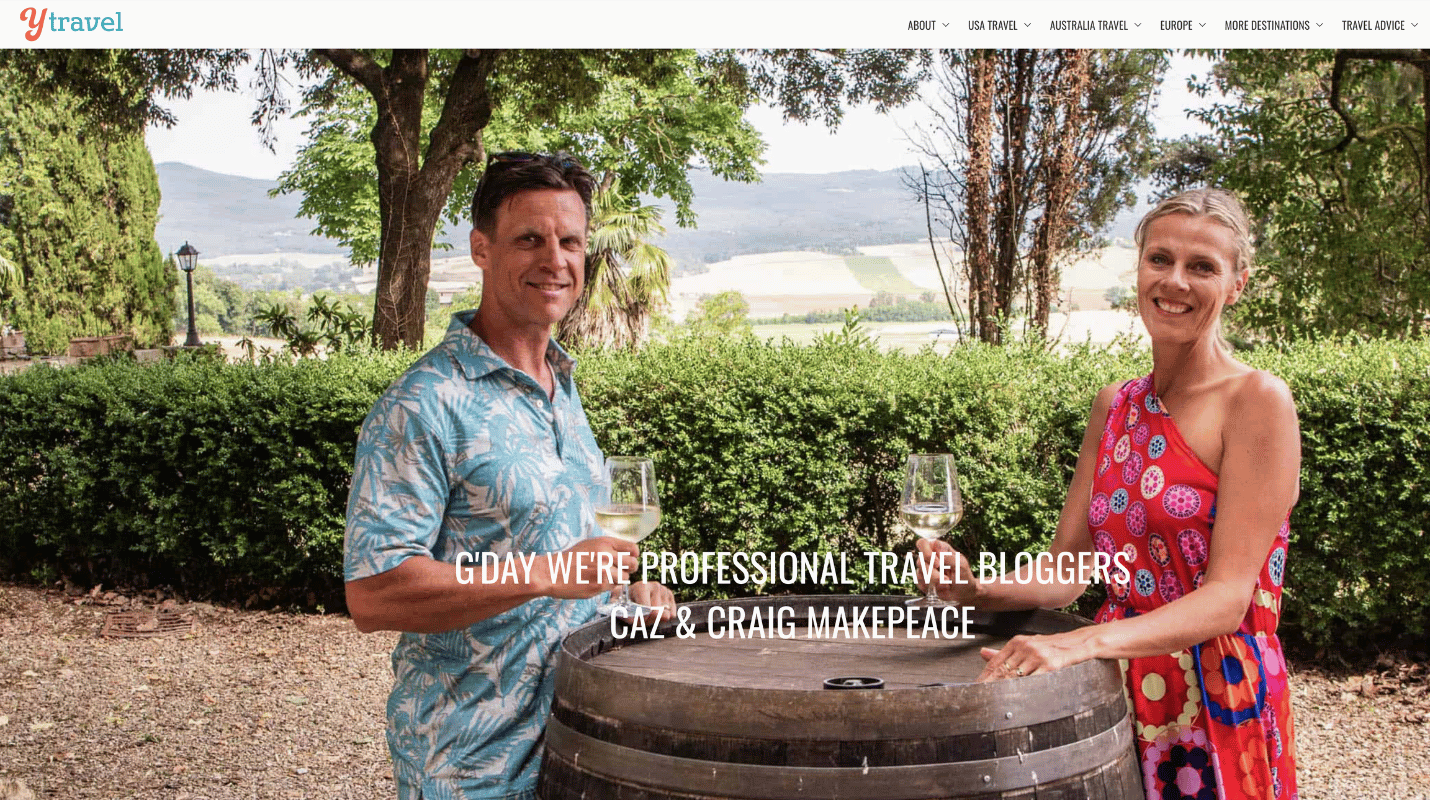
Caz and Craig, the founders of YTravel, have successfully navigated the highly competitive travel niche by prioritizing visual storytelling. In travel media, high-resolution photography is standard; however, YTravel differentiates itself through the inclusion of candid family imagery.
By integrating unposed photographs—such as those found in their guide on flying with children—they move beyond the aspirational "travel porn" trope and into the realm of relatable lifestyle documentation. This approach leverages the psychological principle of social proof; readers are more likely to trust travel advice from a family they perceive as authentic and accessible. The inclusion of "smiley" and candid photos serves to humanize the brand, transforming a travel resource into a shared journey.
Strategic Humor and Multi-Faceted Identity: Smart Passive Income
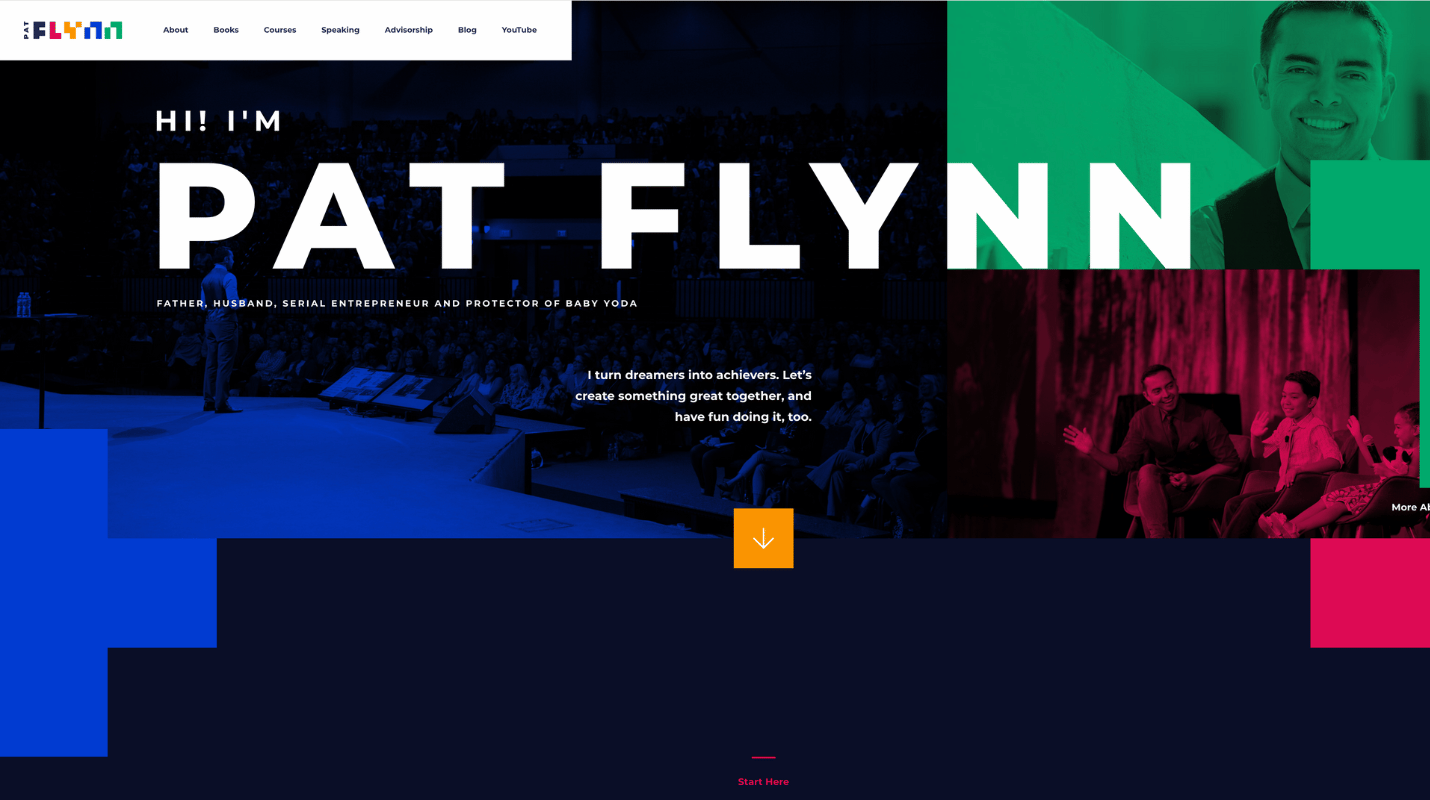
Pat Flynn of Smart Passive Income (SPI) utilizes a multi-layered identity strategy to build rapport with an audience primarily interested in financial independence. Flynn’s site immediately establishes his credentials through a professional "About" section but balances this with "quirky humor."
His self-identification as a "protector of baby Yoda" alongside professional titles like "serial entrepreneur" creates a "Brand of One" that feels three-dimensional. This strategy addresses a common pitfall in business blogging: the perception of being a faceless corporate entity. By injecting personal interests into his professional platform, Flynn lowers the barrier to entry for new readers, fostering a sense of community rather than a purely transactional relationship.
The Authenticity Paradox and Tone Consistency: Shannon Kelly White
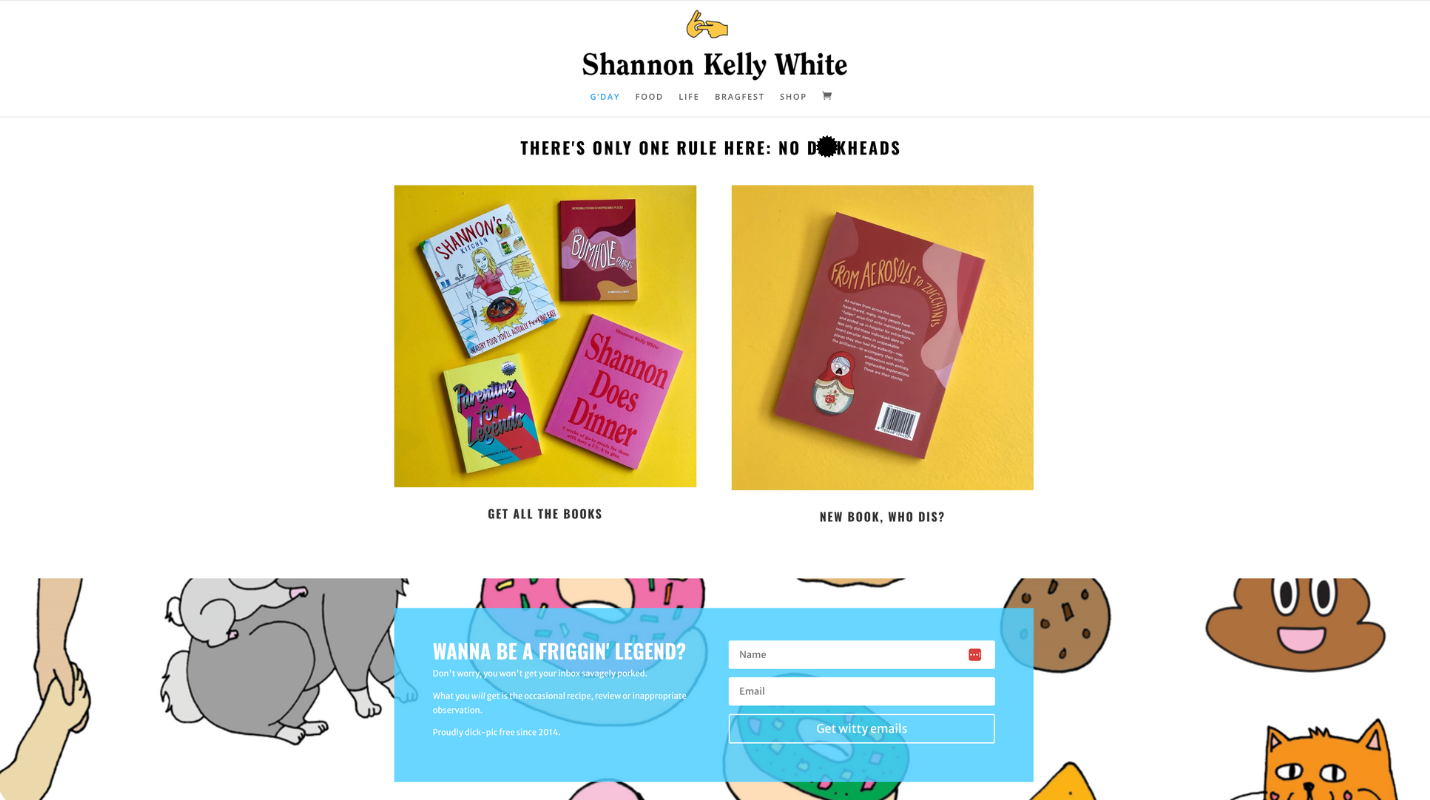
Shannon Kelly White represents a bold approach to personalization through the use of a distinct, unapologetic linguistic tone. While the use of "salty language" is a polarizing choice, it serves as a highly effective filter for audience segmentation.
In digital marketing, a brand that appeals to everyone often appeals to no one. White’s enthusiastic use of profanity in her tagline and navigation menus serves as a "vibe check," instantly signaling her brand’s raw and unfiltered nature. This level of consistency across all touchpoints—from headers to body text—ensures that her core audience feels a deep sense of alignment, while those who find the tone offensive are quickly filtered out, thereby increasing the overall engagement rate of her remaining community.
Iconography and Mascots: Blog Tyrant
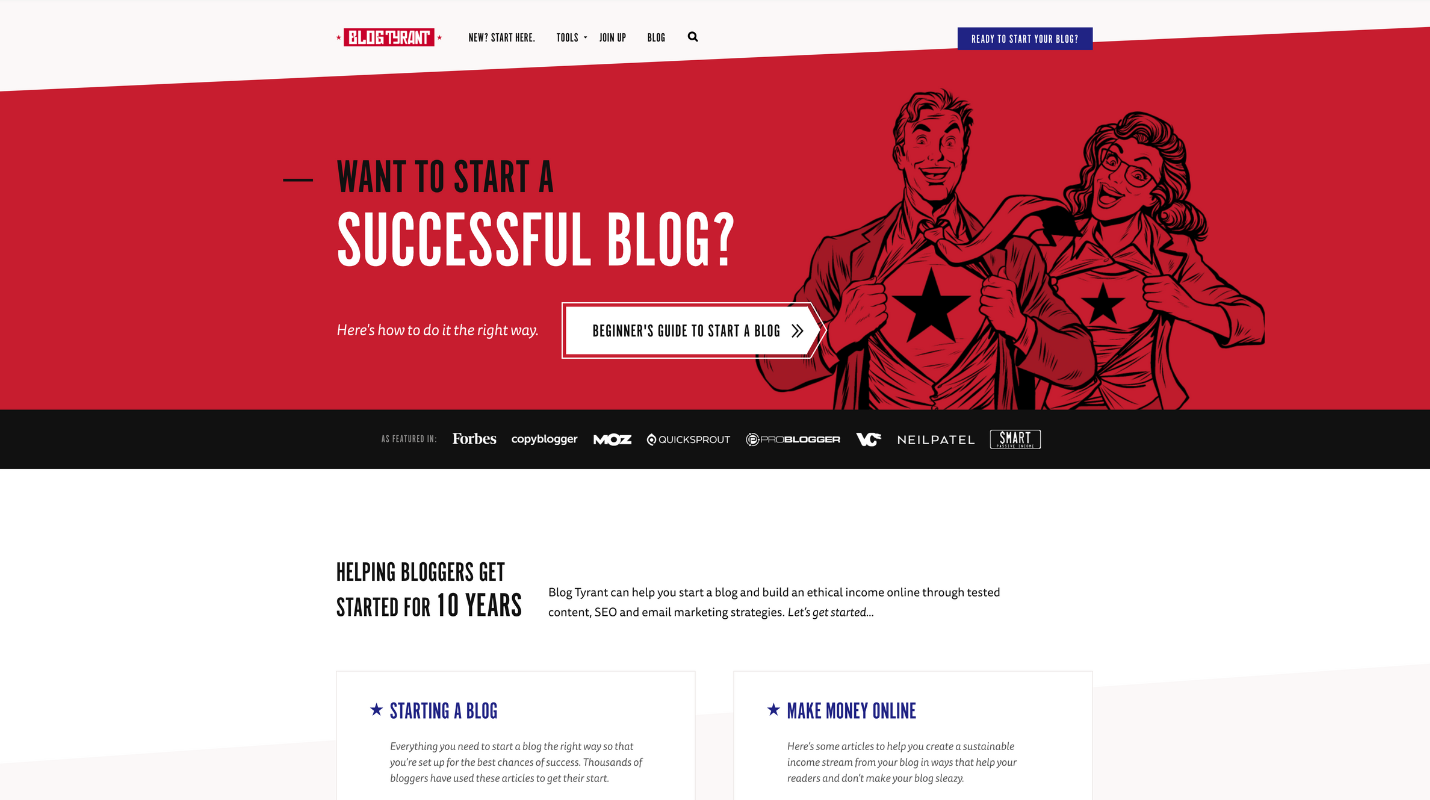
Ramsey, the creator behind Blog Tyrant, employs custom illustrations to maintain a cohesive brand identity without relying solely on personal photography. The "red-shirted blogging super-hero" avatar functions as a brand mascot, appearing across the homepage, feature images, and lead magnets.
This use of iconography is a classic branding technique adapted for the digital age. It provides a visual anchor for the reader, making the content instantly recognizable in social media feeds or RSS readers. Furthermore, illustrations can often convey a specific brand "energy"—in this case, one of empowerment and approachability—more effectively than stock photography or standard headshots.
The About Page as a Conversion Engine: A Beautiful Mess
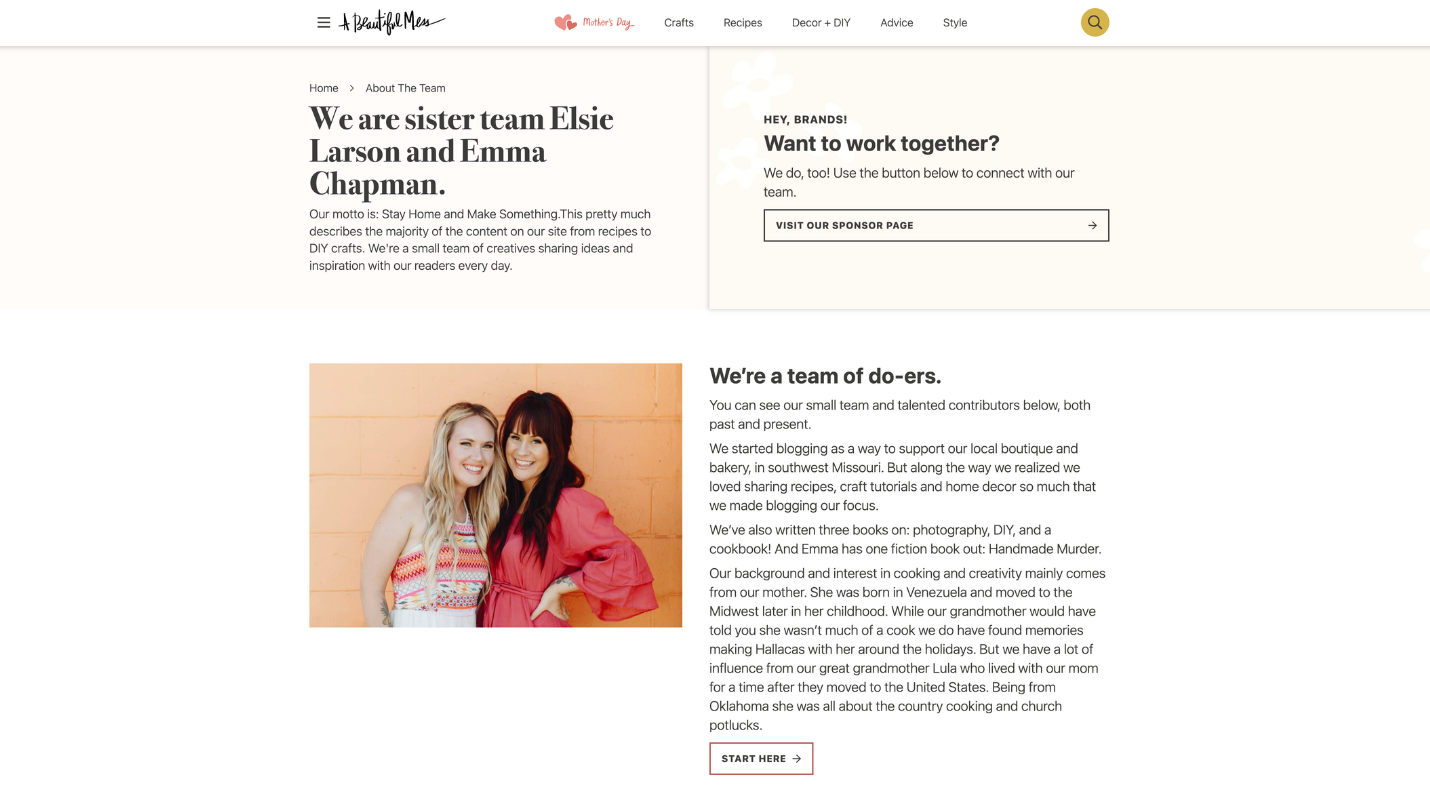
Elsie and Emma of A Beautiful Mess treat their "About" page not as a secondary biography but as a primary entry point for brand immersion. Data from web analytics indicates that the "About" page is frequently one of the most visited pages on a blog, as new readers seek to verify the credibility and personality of the author.
The sisters utilize high-contrast, stylish photography and a concise, catchy introduction to bridge the gap between a first-time visitor and a loyal follower. Their strategy emphasizes the importance of a "quick glimpse" into the blogger’s world, recognizing that modern attention spans are limited. A well-designed About page serves as the digital equivalent of a handshake, establishing the visual and tonal expectations for the rest of the site.
Cross-Platform Brand Architecture: Chris Ducker
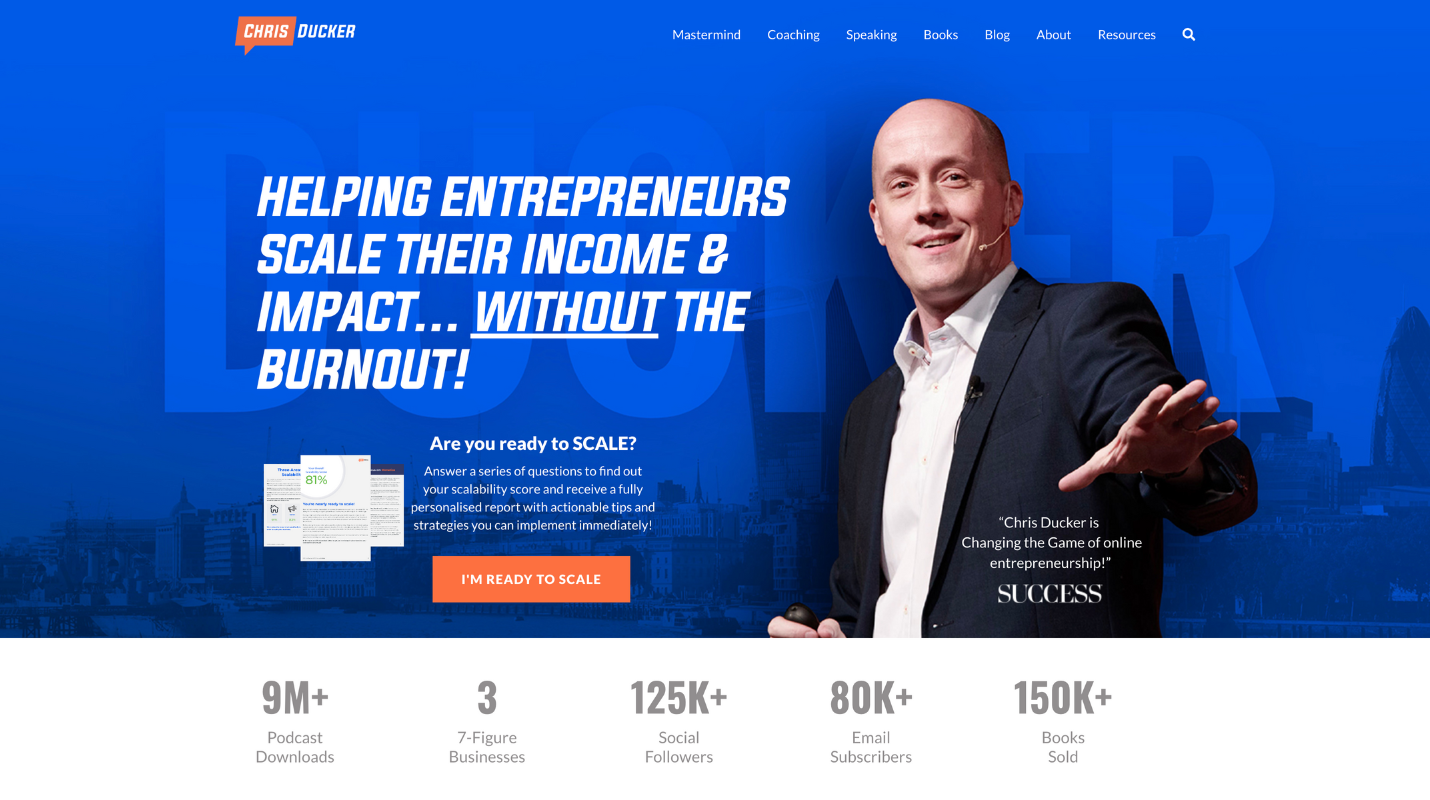
Chris Ducker’s approach to personalization focuses on consistency across the digital ecosystem. By using identical, high-quality headshots across his blog, Twitter, Facebook, and LinkedIn profiles, Ducker creates a seamless brand experience.
This consistency is vital for "Personal Brand Architecture." When a reader moves from a social media platform to the main blog, the visual continuity reduces cognitive load and reinforces brand recall. Ducker’s strategy highlights that personalization is not confined to the blog itself but must be managed as a holistic identity across all professional touchpoints.
Color Theory and Aesthetic Cohesion: Jadah Sellner
Jadah Sellner utilizes color psychology to enhance her brand’s emotional resonance. Her site features a warm, earthy palette that extends from the web design to her personal attire in featured photographs.
Research in color psychology suggests that visual harmony can significantly impact user trust and time-on-site. Sellner’s "seamless" integration of personal style and web design creates a polished, professional atmosphere that feels both intentional and welcoming. This level of aesthetic coordination signals to the reader that the creator is attentive to detail, which by extension, suggests high-quality content.
The Direct Value Proposition: SuperFastBusiness
James Schramko of SuperFastBusiness employs a "Brand Statement" to personalize the user experience by immediately defining the relationship. His site utilizes a clear statement that identifies his services and his target demographic.
This approach personalizes the content by making the reader feel "seen." When a visitor lands on a site and immediately reads a statement that describes their specific business challenges, the content ceases to be a general resource and becomes a personalized solution. Schramko’s strategy demonstrates that personalization can be achieved through clarity of purpose and audience alignment as much as through visual flair.
Frictionless Calls to Action: Kelly Exeter
Kelly Exeter’s personalization strategy involves removing the barriers between the reader and the solution. Her site features a tagline and "Call to Action" (CTA) that "cuts straight to the chase."
By avoiding overly complex subscription funnels in favor of a direct "FIND OUT HERE" button, Exeter respects the reader’s time. This creates a personalized experience based on efficiency. In a digital environment where users are often overwhelmed by "pop-ups" and "lead-gen" obstacles, a direct and honest approach can be a powerful personal differentiator.
Psychographic Identification and Community Building: Puttylike
Emily Wapnick of Puttylike has pioneered a personalization technique based on psychographic labeling. By defining her audience as "Multipotentialites," she provides her readers with a new way to understand their own identities.
The use of a diagnostic quiz ("Are You a Multipotentialite?") on her homepage is a masterclass in interactive personalization. This tool converts a passive visitor into an active participant in the brand’s narrative. By helping the reader define themselves, Wapnick creates an immediate and profound emotional connection, transforming her blog into a community hub for a specific "tribe."
Broader Impact and Industry Implications
The strategies employed by these ten bloggers underscore a fundamental shift in digital publishing: the transition from "Content-First" to "Connection-First" models. As Artificial Intelligence (AI) becomes increasingly capable of generating high-quality, factual content, the human element—personality, unique perspective, and lived experience—remains the only aspect of blogging that cannot be easily replicated by algorithms.
Industry analysts suggest that the future of blogging will be defined by "Micro-Influencer" status, where success is measured not by total traffic, but by the depth of the relationship with a specific niche. Personalization is the primary tool for achieving this depth. Whether through visual consistency, tonal bravery, or interactive identification, the bloggers who succeed in the next decade will be those who treat their platforms as extensions of their human identity rather than mere information repositories.
The data is clear: blogs with a strong personal brand see higher return-visitor rates, more robust email open rates, and more successful monetization through products and services. For the modern creator, the directive is no longer just to "write well," but to "be known." Personalization is the bridge between the two.