Lina Wu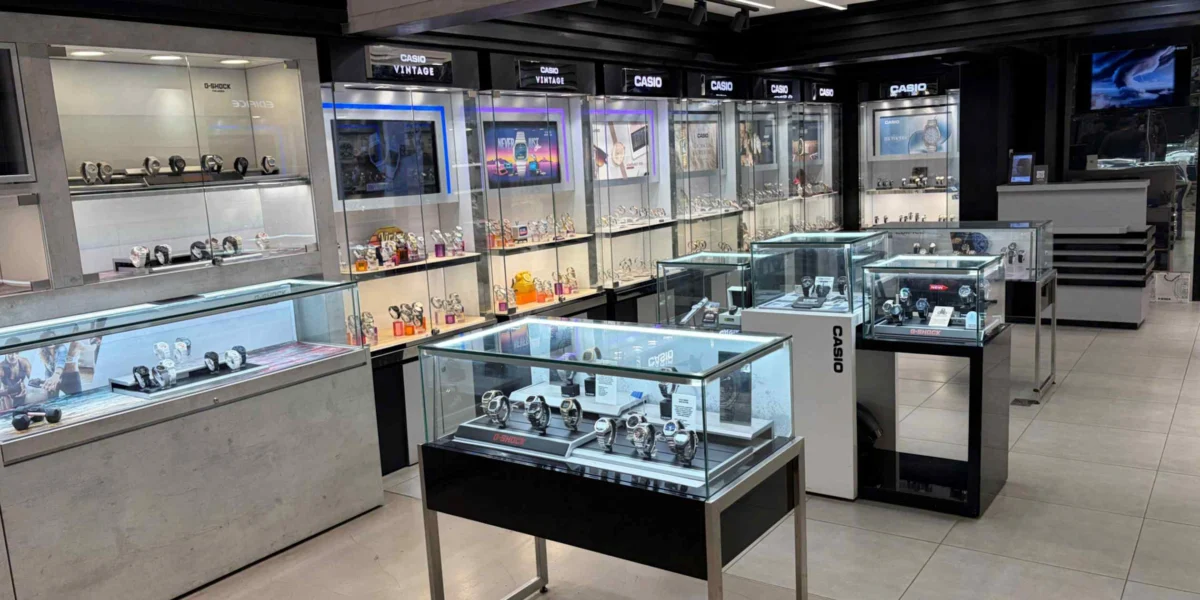
TOKYO – Japanese watchmaker Casio Computer is set to dramatically increase its footprint in India, a rapidly growing market for premium and functional timepieces. The company announced plans to expand its retail network by approximately 70% by the year 2030, alongside a strategic move to initiate local production for its women’s watch lines. This ambitious expansion underscores Casio’s commitment to the Indian subcontinent and signals a deeper integration into the local manufacturing landscape.
The current Casio retail presence in India, while established, is poised for substantial growth. The planned increase in stores will aim to capture a larger share of the burgeoning Indian watch market, which has seen a surge in demand for both entry-level and mid-to-high-end timepieces. This strategic push is expected to involve a mix of standalone boutiques, presence in major department stores, and potentially partnerships with established retail chains across key metropolitan and tier-2 cities.

A Strategic Leap into a Dynamic Market
India, with its vast population and a burgeoning middle class, presents a compelling opportunity for global watch manufacturers. The demographic shift, characterized by increasing disposable incomes and a growing appreciation for branded goods, has fueled a robust demand for watches that are not only functional but also serve as fashion accessories and status symbols. Casio, a brand synonymous with innovation and durability, particularly through its G-Shock and Edifice lines, has a strong existing brand recognition in India. However, the company aims to translate this recognition into a more tangible and widespread retail presence.
The decision to expand the retail network by nearly 70% by 2030 is a significant undertaking. Currently, Casio operates a network of approximately 70 to 80 exclusive stores and authorized retail points across India. The projected increase would bring this number to around 120-135 outlets, creating a much more accessible and visible brand experience for Indian consumers. This expansion is likely to be phased, with initial focus on major urban centers where consumer spending power is highest, followed by strategic entries into rapidly developing Tier-2 cities.

Localized Production: A Game Changer for Women’s Timepieces
Perhaps the most significant aspect of Casio’s announcement is the intention to locally produce its women’s watch lines in India. This move is multi-faceted, aiming to reduce costs, enhance responsiveness to local fashion trends, and potentially benefit from India’s manufacturing incentives. Historically, many international brands have relied on imports for their product lines, leading to higher retail prices and longer lead times. By establishing local production, Casio can potentially streamline its supply chain, adapt designs more swiftly to Indian preferences, and offer more competitive pricing.
The focus on women’s watches for local production is a particularly astute strategic choice. The Indian market for women’s accessories is vast and diverse, with a growing segment of consumers seeking stylish, reliable, and affordable timepieces. Casio’s existing portfolio includes a wide array of designs, from elegant and minimalist to sporty and feature-rich, catering to different tastes and occasions. Localizing production will allow for greater customization and a more nuanced understanding of what resonates with Indian women. This could involve incorporating specific color palettes, material preferences, or even functional features that align with local lifestyles.

A Look at Casio’s Indian Journey: A Timeline of Growth
Casio’s engagement with the Indian market is not a recent development. The company has been present in India for several decades, gradually building its brand and distribution channels.
-
Early Entry and Brand Building: In the late 1980s and early 1990s, Casio began to establish a presence in India, primarily through imports and partnerships with local distributors. During this period, the focus was on building brand awareness and introducing its iconic digital watches and calculators. The G-Shock line, with its ruggedness and innovative features, began to gain traction among a younger demographic.

-
Expanding Retail Presence: As the Indian economy liberalized and consumerism grew in the 2000s, Casio intensified its retail strategy. The company started opening exclusive showrooms and increasing its presence in multi-brand retail outlets. This era saw the introduction of more sophisticated analog and analog-digital models, including the popular Edifice series, targeting a more mature and professional audience.
-
Digital Transformation and E-commerce: The advent of e-commerce in India in the 2010s provided Casio with a new avenue for reaching consumers. The brand actively engaged with online marketplaces, offering a wider selection of its products and leveraging digital marketing to connect with a broader audience. This period also saw the introduction of smartwatches and fitness trackers, aligning with global trends.
-
Current Expansion Phase: The recent announcement marks a new phase of aggressive growth, characterized by significant retail expansion and a strategic shift towards localized manufacturing. This proactive approach signals Casio’s long-term vision for the Indian market, recognizing its immense potential and the need for deeper integration.

Supporting Data and Market Insights
The Indian watch market is projected to witness substantial growth in the coming years. Industry reports suggest a compound annual growth rate (CAGR) of 8-10% for the Indian watch market between 2024 and 2030. This growth is driven by several key factors:
- Demographic Dividend: India boasts a young population, with a significant proportion of individuals entering their prime earning years. This demographic cohort is more brand-conscious and willing to spend on lifestyle products.
- Rising Disposable Incomes: The steady increase in per capita income and the expansion of the middle class have led to greater purchasing power.
- Premiumization Trend: Consumers are increasingly opting for branded and premium products, moving away from unbranded or lower-quality alternatives.
- Evolving Fashion Consciousness: Watches are no longer just timekeeping devices; they are integral fashion accessories. This trend is particularly pronounced among younger consumers and in urban areas.
- Growth of the Luxury Segment: While Casio primarily operates in the mass-premium and mid-tier segments, the overall growth of the luxury watch market in India indicates a broader willingness to invest in quality timepieces.
Within this growing market, women’s watches represent a significant and often underserved segment. While global trends in smartwatches and wearables have impacted the traditional watch market, there remains a strong demand for classic, stylish, and functional timepieces for women. Reports indicate that the women’s watch segment in India is expected to grow at a CAGR of around 7-9% over the next five years, driven by fashion trends and increasing self-purchase among women.

Potential Implications and Strategic Advantages
Casio’s dual strategy of retail expansion and localized production is poised to yield several significant advantages:
- Enhanced Market Penetration: A larger retail footprint will ensure greater brand visibility and accessibility, allowing Casio to reach consumers in more diverse geographical locations and retail environments. This can lead to a substantial increase in sales volume and market share.
- Improved Price Competitiveness: Local production can significantly reduce import duties, logistics costs, and currency fluctuation risks, enabling Casio to offer its products at more competitive price points. This is particularly crucial in a price-sensitive market like India.
- Agility and Responsiveness: By producing locally, Casio can shorten lead times for new product introductions and respond more effectively to changing consumer preferences and emerging fashion trends. This agility is vital in the fast-paced fashion industry.
- Brand Perception: Local manufacturing can also enhance brand perception, positioning Casio as a brand that invests in and contributes to the Indian economy, fostering goodwill and customer loyalty.
- Diversification of Manufacturing Base: For Casio, this move represents a strategic diversification of its manufacturing operations, reducing reliance on existing facilities and tapping into new production capabilities.
Industry Reactions and Expert Analysis

While official statements from competitors are rare in such announcements, industry analysts are closely watching Casio’s moves. Mr. Anuj Sharma, a retail analyst specializing in the Indian consumer goods sector, commented, "Casio’s aggressive expansion plans, coupled with localized production, are a strong indicator of their long-term commitment to India. The focus on women’s watches for local manufacturing is particularly strategic, as this segment has immense untapped potential. This move could set a precedent for other international watch brands to consider similar localization strategies."
He further elaborated, "The 70% increase in store count by 2030 is ambitious but achievable given the growth trajectory of the Indian retail sector. It will require significant investment in infrastructure, logistics, and human resources. The success will hinge on Casio’s ability to tailor its product offerings and marketing strategies to the diverse Indian consumer base, while maintaining its brand integrity and quality standards."
Challenges and Future Outlook

Despite the promising outlook, Casio will face challenges. The Indian retail landscape is highly competitive, with both established international players and a growing number of domestic brands vying for consumer attention. Navigating complex regulatory environments, managing supply chain logistics across a vast country, and ensuring consistent quality control in local manufacturing will be critical. Furthermore, the ongoing evolution of wearable technology, including smartwatches and fitness trackers, will continue to shape consumer preferences.
However, Casio’s established brand equity, its reputation for innovation and durability, and its strategic foresight in adapting to market dynamics position it well for success. The commitment to localized production, especially for the women’s line, demonstrates a deep understanding of the Indian market’s nuances and a willingness to invest for long-term gains. As Casio Computer embarks on this ambitious expansion, its journey in India is set to become a significant case study in global brand localization and market penetration in one of the world’s most dynamic economies. The coming years will reveal the full impact of this strategic push, as Casio aims to redefine its presence and solidify its position as a leading watchmaker in the Indian subcontinent.