Ena Muazin
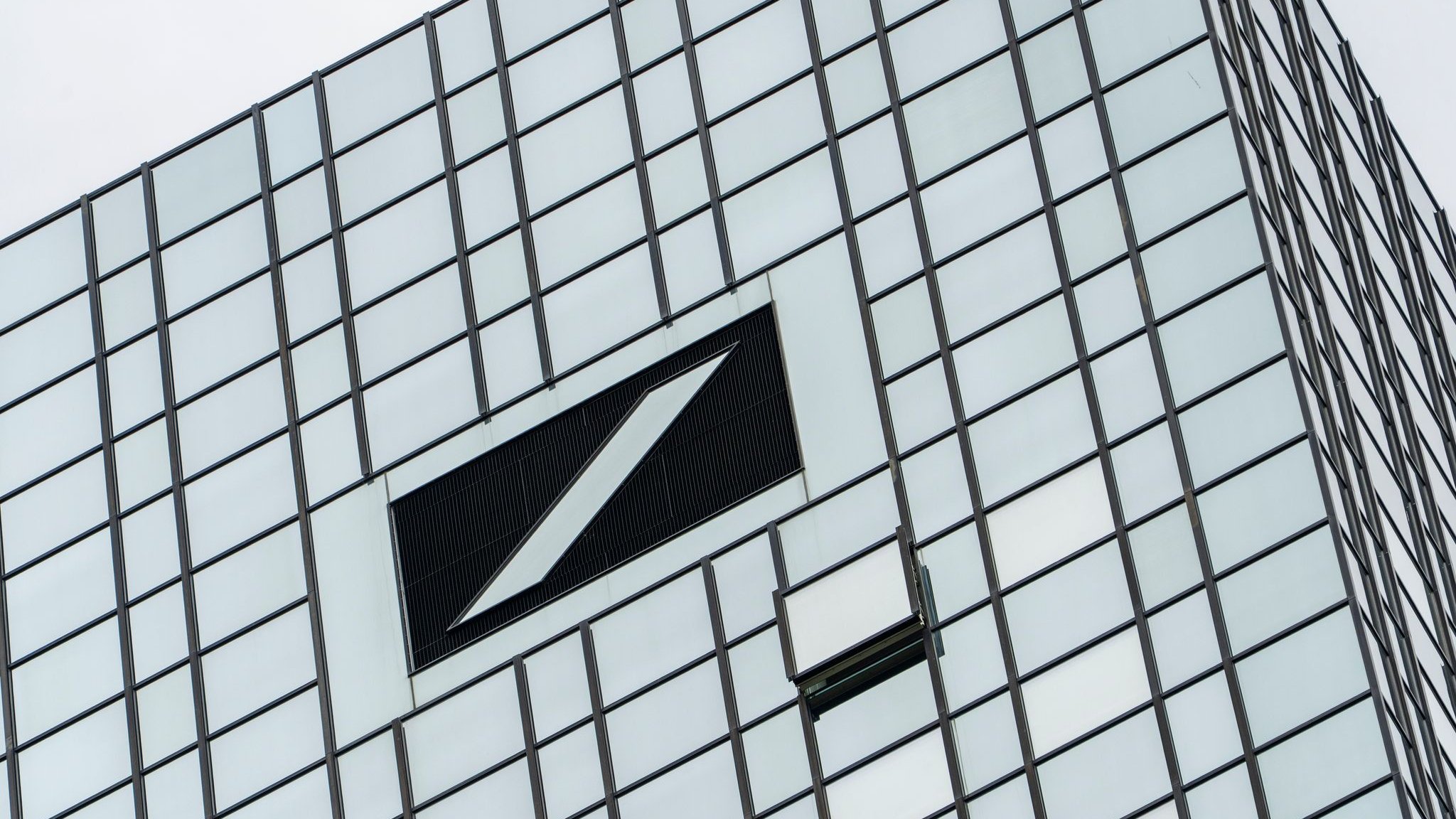
Frankfurt – Deutsche Bank AG’s stock reached a significant milestone this week, hitting its highest point since 2011. On Friday, the shares of Germany’s largest lender saw continued gains of nearly one percent, closing at €34.70. This upward trajectory has positioned the bank’s stock at a 15-year peak, reflecting a notable shift in market sentiment and investor confidence. The broader European banking index, the Stoxx 600 Banks, also experienced a positive trading session, gaining approximately 0.7 percent. This advance follows a substantial price increase observed on Wednesday, when Deutsche Bank shares had already reached a multi-year high of €34.50.
A Resurgence Fueled by Market Optimism and Strategic Shifts
The recent surge in Deutsche Bank’s stock value is occurring within a broader context of recovery and strategic recalibration for the financial institution. After navigating a period of significant restructuring and facing various regulatory challenges over the past decade, the bank appears to be regaining its footing. Analysts and market observers attribute the current positive momentum to a combination of factors, including improved profitability, a more streamlined operational model, and a generally more favorable economic outlook for the European banking sector.
The bank has undergone a comprehensive transformation program initiated in 2019, aimed at cutting costs, simplifying its business, and focusing on core strengths in corporate and investment banking, private banking, and asset management. This strategic overhaul involved significant divestments and a reduction in its global workforce. The market’s current positive reception suggests that these efforts are beginning to yield tangible results, with investors increasingly viewing Deutsche Bank as a more stable and potentially profitable investment.
Performance Amidst European Banking Sector Trends
The strong performance of Deutsche Bank’s shares is particularly noteworthy when contrasted with its year-to-date performance and that of its European counterparts. While the broader European banking sector index has seen a robust increase of nearly 21 percent year-to-date, reaching its highest level since 2007, Deutsche Bank’s shares had lagged behind for much of the year. The recent upward movement has brought its annual gains to over three and a half percent, indicating a significant acceleration in its stock price performance in recent weeks.
This differential performance highlights a perceived "catch-up" potential for Deutsche Bank. Market participants suggest that compared to other financial institutions, the bank’s stock may still hold further upside. This perspective is influenced by the fact that other major European banks have shown stronger, more consistent growth throughout the year.
Comparison with Competitors: Commerzbank and Unicredit
The competitive landscape also provides context for Deutsche Bank’s recent gains. In comparison to Commerzbank AG, another prominent German bank, Deutsche Bank’s stock performance had been less impressive this year. Commerzbank, buoyed by speculation surrounding potential takeover ambitions from Italy’s UniCredit S.p.A., has seen its shares climb by 11.5 percent in recent months. By Wednesday, Commerzbank’s stock had reached a new high of nearly €41, a level not seen since 2010.
The inclusion of UniCredit in this comparison underscores the dynamic nature of the European banking sector, where consolidation and strategic alliances can significantly influence individual stock performances. While UniCredit’s potential interest in Commerzbank has generated considerable market activity, Deutsche Bank’s own resurgence suggests a growing investor belief in its independent turnaround story.

Underlying Financial Health and Analyst Perspectives
The sustained positive momentum for Deutsche Bank’s stock is underpinned by improving financial metrics. In recent quarters, the bank has reported stronger earnings, driven by increased revenues in its investment banking division and a reduction in operating expenses. The bank’s ability to generate consistent profits, coupled with a more robust capital position, has been a key factor in rebuilding investor confidence.
Financial analysts have largely maintained a positive outlook on Deutsche Bank, with many revising their price targets upwards. They point to the bank’s successful cost-reduction initiatives, its strategic focus on profitable business lines, and its ability to navigate a complex regulatory environment as key strengths. The recent stock price appreciation is seen as a validation of these factors, signaling that the market is increasingly pricing in the bank’s turnaround potential.

Historical Context: Navigating a Decade of Challenges
To fully appreciate the significance of Deutsche Bank’s stock reaching a 15-year high, it is crucial to recall the challenges the institution has faced over the past decade. Following the 2008 global financial crisis, Deutsche Bank, like many of its peers, underwent significant scrutiny and faced substantial financial headwinds. Issues such as substantial legal costs stemming from past misconduct, the need for significant capital raises, and a complex restructuring process weighed heavily on its stock performance for many years.
The period between 2010 and the present has been marked by a series of strategic pivots, leadership changes, and efforts to regain market trust. The stock price, which once traded well above €100, saw a prolonged period of decline, hitting historic lows in the process. The current climb to a 15-year high signifies a substantial reversal of fortunes, reflecting a profound transformation and a renewed sense of optimism among investors.

Future Outlook and Potential Headwinds
While the current market sentiment is overwhelmingly positive, Deutsche Bank, like any major financial institution, remains exposed to various economic and geopolitical risks. Potential headwinds could include a significant economic downturn in Europe, renewed inflationary pressures that might lead to higher interest rates impacting loan demand, or unforeseen regulatory changes. Furthermore, the ongoing geopolitical tensions could also introduce volatility into the financial markets.
However, the bank’s management appears optimistic about its future prospects. The focus remains on disciplined execution of its strategic plan, further enhancing operational efficiency, and capitalizing on growth opportunities in its core markets. The ability to maintain profitability and manage risk effectively will be crucial for sustaining the current upward trajectory of its stock price.
Investor Relations and Strategic Communication
Deutsche Bank has also been actively engaged in communicating its strategic progress to investors and the broader market. Regular updates on financial performance, strategic initiatives, and sustainability goals are provided through investor relations channels. The bank’s leadership has emphasized its commitment to delivering shareholder value and strengthening its position as a leading global financial services provider. This proactive communication strategy is vital in building and maintaining investor confidence, particularly during periods of significant transformation.
The consistent reporting of positive earnings, improved return on equity, and a strengthened capital adequacy ratio are key indicators that resonate with investors. The market’s current positive reaction suggests that these efforts are succeeding in conveying a narrative of a resilient and revitalized Deutsche Bank, capable of delivering sustained growth and value.

Conclusion: A Turning Point for Deutsche Bank?
The attainment of a 15-year high in its stock price marks a significant psychological and financial milestone for Deutsche Bank. It represents a culmination of years of strategic restructuring, operational improvements, and a renewed focus on core banking activities. While the challenges of the past have been substantial, the current momentum suggests that the bank may be at a pivotal point in its recovery journey. Investors are increasingly recognizing the value and potential of a more streamlined, profitable, and strategically focused Deutsche Bank. The coming quarters will be crucial in determining whether this positive trend can be sustained and whether the bank can solidify its position as a leading force in the global financial landscape. The market’s current enthusiasm, however, is undeniable, signaling a renewed confidence in Deutsche Bank’s future.