Ena Muazin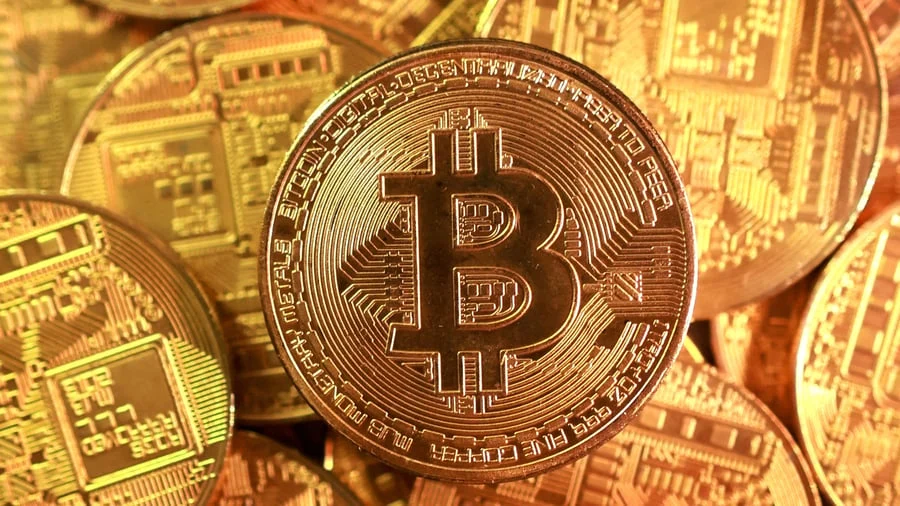
The cryptocurrency Bitcoin has experienced a significant surge, pushing past the $80,000 mark and achieving a three-month high. This rally is attributed to renewed optimism surrounding potential regulatory shifts in the United States, fueled by a recent meeting between President Donald Trump and representatives from the cryptocurrency industry. The oldest and most prominent digital currency was trading at approximately $80,750 on the Bitstamp platform on Tuesday, representing an increase of over two percent from the previous day. At its peak during early trading, Bitcoin’s price reached $81,255, its highest level since mid-May.

A Bullish Resurgence Fueled by Speculation
The recent ascent of Bitcoin marks a notable recovery for the digital asset, which had experienced volatility in previous periods. This upward momentum has been largely driven by market sentiment and the anticipation of a more favorable regulatory environment in the United States. The meeting with President Trump appears to have injected a renewed sense of hope among industry participants that the administration may be amenable to a less restrictive approach towards digital assets.
The cryptocurrency market has long been characterized by its sensitivity to regulatory news and pronouncements from key political figures. Historically, periods of uncertainty regarding government oversight have led to price corrections, while signals of potential deregulation have often coincided with significant rallies. The current situation seems to be a testament to this pattern, as the market interprets the meeting as a positive indicator for future policy.

The Genesis of the Rally: A Multifaceted Approach
The current bullish trend for Bitcoin is not a singular event but rather a culmination of factors that have been building over the past week. In the preceding seven days, Bitcoin’s price has climbed by approximately $15,000, indicating strong buying pressure and increasing investor confidence. This sustained upward movement suggests a more fundamental shift in market sentiment rather than a fleeting speculative spike.
One of the key drivers identified by market analysts is the U.S. government’s recent announcement regarding its intention to increase the buyback of its own Treasury bonds. This policy initiative is aimed at lowering the yields on government debt, thereby making the debt servicing costs for the U.S. government more manageable. However, the ripple effect of this policy extends beyond fiscal management. High yields in bond markets can present challenges for both businesses and consumers seeking to take on debt, as borrowing becomes more expensive.
By potentially reducing bond yields, the government’s action could indirectly make alternative investments, such as cryptocurrencies, more attractive. Investors, seeking higher returns and diversification, may shift capital from traditional fixed-income assets towards assets perceived as having greater growth potential. This dynamic creates a favorable environment for Bitcoin and other digital assets, as it can lead to an inflow of capital seeking to capitalize on its potential appreciation.
Furthermore, the broader economic landscape plays a crucial role. In an environment where traditional asset classes might offer lower returns or present higher risks, assets like Bitcoin can become more appealing to investors looking for opportunities to grow their capital. The cryptocurrency market, despite its inherent volatility, has demonstrated a capacity for significant gains, attracting a diverse range of investors from retail traders to institutional players.

The Trump Administration and the Crypto Landscape
The engagement between President Trump and cryptocurrency industry representatives is a significant development that warrants closer examination. While the specifics of their discussions have not been fully disclosed, the market’s reaction suggests that the dialogue was perceived as constructive and potentially indicative of a shift in the administration’s stance on digital assets.
Historically, the Trump administration’s approach to cryptocurrency has been characterized by a degree of skepticism, often focusing on concerns related to illicit activities and financial stability. However, there has also been an acknowledgment of the potential for innovation within the blockchain and cryptocurrency space. The recent meeting could signal a move towards a more nuanced and possibly supportive policy framework.

The industry’s hope for deregulation stems from a desire to foster innovation and growth without the burden of overly restrictive regulations. Proponents argue that clear and balanced regulatory guidelines can actually enhance market stability and investor protection, thereby encouraging broader adoption and investment. If the U.S. government moves towards such a framework, it could have a profound impact on the global cryptocurrency market, given the dollar’s position as the world’s reserve currency and the U.S.’s significant influence on international financial policy.
The potential for less regulation could lead to increased institutional investment, the development of new financial products and services, and a more robust ecosystem for digital assets. This, in turn, could further drive up demand for Bitcoin and other cryptocurrencies, solidifying their position as legitimate asset classes.

Bitcoin’s Trajectory: A Timeline of Growth
The recent surge is not an isolated incident but part of a broader trend observed over the past several weeks. The market has been anticipating this move, with analysts pointing to several key milestones and developments:
- Early May: Bitcoin reached its highest point since its inception, surpassing $64,000. This initial surge was largely driven by the listing of Coinbase, a major cryptocurrency exchange, on the Nasdaq stock exchange, which legitimized the crypto industry in the eyes of many traditional investors.
- Mid-May: The market experienced a significant correction, with Bitcoin prices falling sharply due to concerns about environmental sustainability related to Bitcoin mining and regulatory crackdowns in China.
- Late May – Early June: Bitcoin began a gradual recovery, with prices stabilizing and showing signs of renewed upward momentum. This period saw increasing adoption by some corporations and a growing interest in Bitcoin as an inflation hedge.
- Mid-June: Reports emerged about potential regulatory discussions involving the U.S. administration and the crypto sector, sparking cautious optimism.
- Late June – Present: The positive sentiment surrounding potential regulatory shifts intensified, culminating in the recent meeting with President Trump. This has been accompanied by a sustained price rally, pushing Bitcoin past key resistance levels and towards its three-month high.
This timeline illustrates the dynamic and often volatile nature of the cryptocurrency market, where sentiment, regulatory news, and technological developments can rapidly influence asset prices.

Broader Implications for the Digital Asset Ecosystem
The current rally in Bitcoin has significant implications beyond its own price performance. As the flagship cryptocurrency, its movements often serve as a bellwether for the broader digital asset market. A sustained increase in Bitcoin’s value can lead to increased investor interest and capital flowing into other cryptocurrencies, including Ethereum, Ripple, and various altcoins.
The potential for more favorable regulations in the U.S. could also pave the way for the development of more sophisticated financial products and services linked to cryptocurrencies. This includes the potential for regulated exchange-traded funds (ETFs), which could further open the doors for institutional investors to gain exposure to Bitcoin and other digital assets. Such developments could lead to greater market liquidity, price stability, and overall maturity of the cryptocurrency ecosystem.

However, it is crucial to acknowledge the inherent risks associated with cryptocurrency investments. Volatility remains a defining characteristic, and regulatory landscapes can change rapidly. Investors should exercise due diligence and understand the potential for significant losses. The ongoing dialogue between regulators and the industry is a critical factor that will shape the future trajectory of Bitcoin and the broader digital asset space. The market will be closely watching for concrete policy changes and their impact on innovation, adoption, and investor confidence. The current surge, while encouraging for proponents of digital assets, is a reminder that the journey towards mainstream acceptance and stable regulation is ongoing.