Lina Wu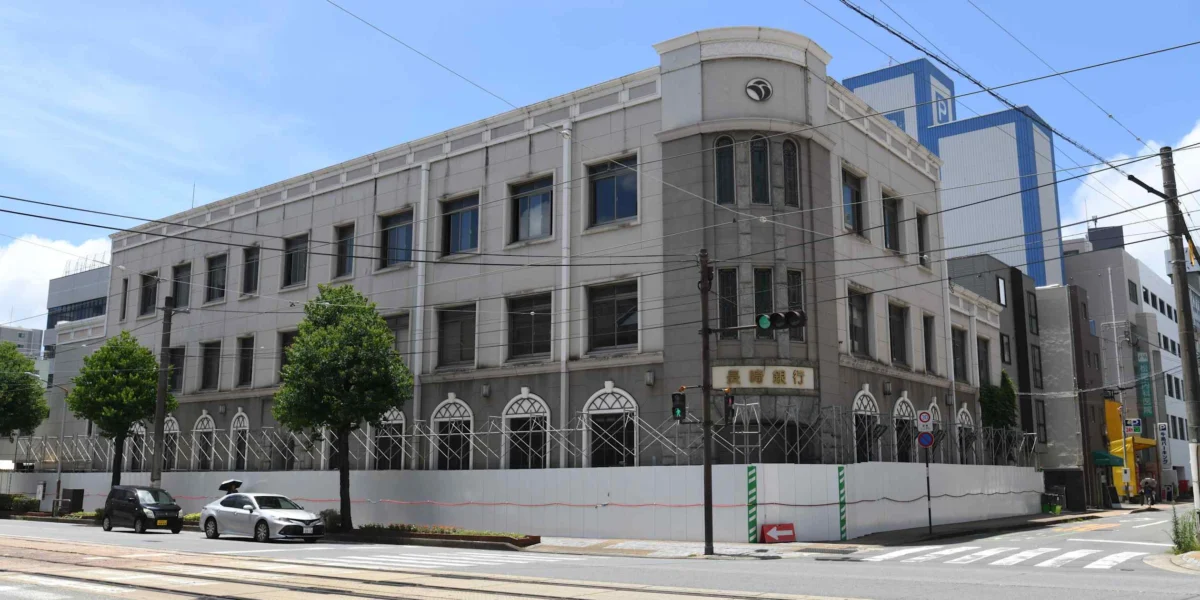
The enduring legacy of the atomic bombings of Hiroshima and Nagasaki, embodied by the few remaining structures that miraculously survived the devastation, is increasingly imperiled by a stark economic reality: soaring construction costs in Japan are making their preservation a formidable, and often insurmountable, financial burden. The recent announcement regarding the impending demolition of the former headquarters of the Bank of Nagasaki, a building that bore witness to the 1945 atomic attack, underscores a growing crisis facing these irreplaceable historical markers. While some institutions are exploring innovative avenues, such as transforming historical sites into revenue-generating ventures, the fundamental economic pressures are casting a long shadow over the future of these tangible links to a pivotal moment in human history.

A Race Against Time and Economics
The former Bank of Nagasaki headquarters, a concrete structure that stood resilient in the face of unimaginable destruction, was slated for demolition as the institution cited its inability to cover the substantial costs associated with its preservation. This decision, while perhaps unavoidable from a purely financial standpoint, represents a significant loss for historical preservation efforts and a poignant reminder of the difficulties in safeguarding these structures for future generations. The image of the building, captured by photographer Rintaro Kinami, stands as a stark visual testament to the ongoing struggle between historical significance and economic viability. The date of the photograph, August 23, 2026, and the accompanying caption, "The former headquarters of Bank of Nagasaki is prepared for demolition as the company said it could not cover the cost of preserving it," paint a grim picture of the present situation.
Historical Context: Silent Witnesses to Catastrophe
The atomic bombings of August 6 and August 9, 1945, irrevocably altered the course of history and left indelible scars on the cities of Hiroshima and Nagasaki. The immediate aftermath saw widespread destruction and an unimaginable loss of life. However, amidst the devastation, a handful of structures, often characterized by their robust construction, managed to survive. These "A-bombed buildings," as they are sometimes referred to, have since become potent symbols of resilience, peace, and the urgent need for nuclear disarmament.

In Nagasaki, the Hypocenter Park, a central area of remembrance, is surrounded by remnants and reconstructed elements that tell the story of the bombing. Structures like the Atomic Bomb Museum and the Nagasaki Peace Park serve as vital educational and memorial sites. However, beyond these officially designated areas, a number of private and public buildings, though damaged, continued to stand, offering a tangible connection to the pre-bombing cityscape and the event itself. The former Bank of Nagasaki headquarters was one such structure, its continued existence a testament to its architectural integrity and, perhaps, a degree of luck.
The Escalating Cost of Heritage
The challenges facing the preservation of these buildings are multifaceted, but the escalating cost of construction and renovation in Japan has emerged as a primary obstacle. Factors contributing to this rise include:

- Inflationary Pressures: Global and domestic economic trends have led to increased prices for raw materials such as steel, cement, and lumber.
- Labor Shortages: Japan, like many developed nations, faces a demographic challenge with an aging population and a shrinking workforce. This scarcity of skilled labor, particularly in specialized construction trades, drives up labor costs.
- Increased Regulatory Demands: Modern building codes and seismic safety standards, while crucial for structural integrity and public safety, often necessitate extensive and costly upgrades for older buildings.
- Specialized Preservation Techniques: Preserving historical structures, especially those damaged by extreme events, requires specialized knowledge and materials that can be more expensive than standard construction practices.
According to recent data from the Ministry of Land, Infrastructure, Transport and Tourism, construction material costs in Japan have seen a significant upward trend over the past five years. For instance, the price of structural steel has increased by an average of 15-20%, and that of cement has seen a similar rise. Labor costs, driven by the demand for skilled workers, have also climbed by approximately 10% annually. These figures, when applied to the complex and often extensive renovation required for aging, bomb-damaged structures, translate into substantial financial outlays.
Innovative Solutions and Their Limitations
In the face of these financial hurdles, some organizations and communities have sought creative solutions to make the preservation of historical sites economically feasible. The article’s sub-headline, "Convent-turned-hotel offers one approach to defraying construction expenses," hints at this trend. This approach involves repurposing historical buildings for commercial use, generating revenue that can then be reinvested in the upkeep and preservation of the property.

Case Study: The Convent-to-Hotel Model
The transformation of a former convent into a hotel, as alluded to, is a prime example of adaptive reuse. Such projects often involve:

- Careful Renovation: Preserving historical architectural features while modernizing facilities to meet contemporary hospitality standards.
- Revenue Generation: The hotel business provides a steady stream of income through room bookings, dining, and event hosting.
- Tourism Appeal: Historical and unique accommodations often attract a niche market of tourists interested in cultural experiences and heritage tourism.
However, even these innovative models are not without their challenges. The initial investment for such conversions can be substantial, requiring significant capital for renovations and compliance with modern building regulations. Furthermore, the success of such ventures is contingent on market demand, effective management, and consistent marketing efforts.
The Broader Implications of Loss
The potential loss of buildings that survived the atomic bombings carries profound implications beyond their architectural or economic value:

- Erosion of Historical Memory: These structures serve as tangible anchors to the past, providing a direct link to the human cost of war and the resilience of communities. Their disappearance risks diminishing the collective memory of these events.
- Loss of Educational Opportunities: A-bombed buildings offer invaluable opportunities for education and reflection, particularly for younger generations, fostering a deeper understanding of the devastating consequences of nuclear weapons and the importance of peace.
- Diminished Peace Memorialization Efforts: The continued existence of these buildings strengthens the narrative of peace and remembrance in Hiroshima and Nagasaki, reinforcing their status as global centers for nuclear disarmament advocacy.
Official Responses and Future Prospects
While the financial pressures are undeniable, there have been ongoing efforts by local and national governments, as well as heritage organizations, to support the preservation of A-bombed buildings. These efforts often include:
- Subsidies and Grants: Providing financial assistance for restoration and maintenance projects.
- Designation as Cultural Properties: Granting protected status to buildings, which can unlock further funding and regulatory support.
- Public Awareness Campaigns: Raising public consciousness about the importance of these structures and encouraging community involvement in their preservation.
However, the scale of the problem, exacerbated by rising costs, suggests that current measures may not be sufficient. The Bank of Nagasaki’s decision highlights the urgent need for more robust and sustainable preservation strategies. The long-term future of these silent witnesses will likely depend on a combination of continued government support, innovative private sector engagement, and a sustained public commitment to remembering and learning from the past. The dilemma faced by the Bank of Nagasaki is not an isolated incident; it represents a growing challenge that demands urgent attention and creative solutions to ensure that these irreplaceable remnants of history are not lost to the relentless march of economic realities. The preservation of these buildings is not merely an act of historical stewardship; it is a crucial investment in global peace and a testament to humanity’s capacity for remembrance and resilience.