Gilang Muhammad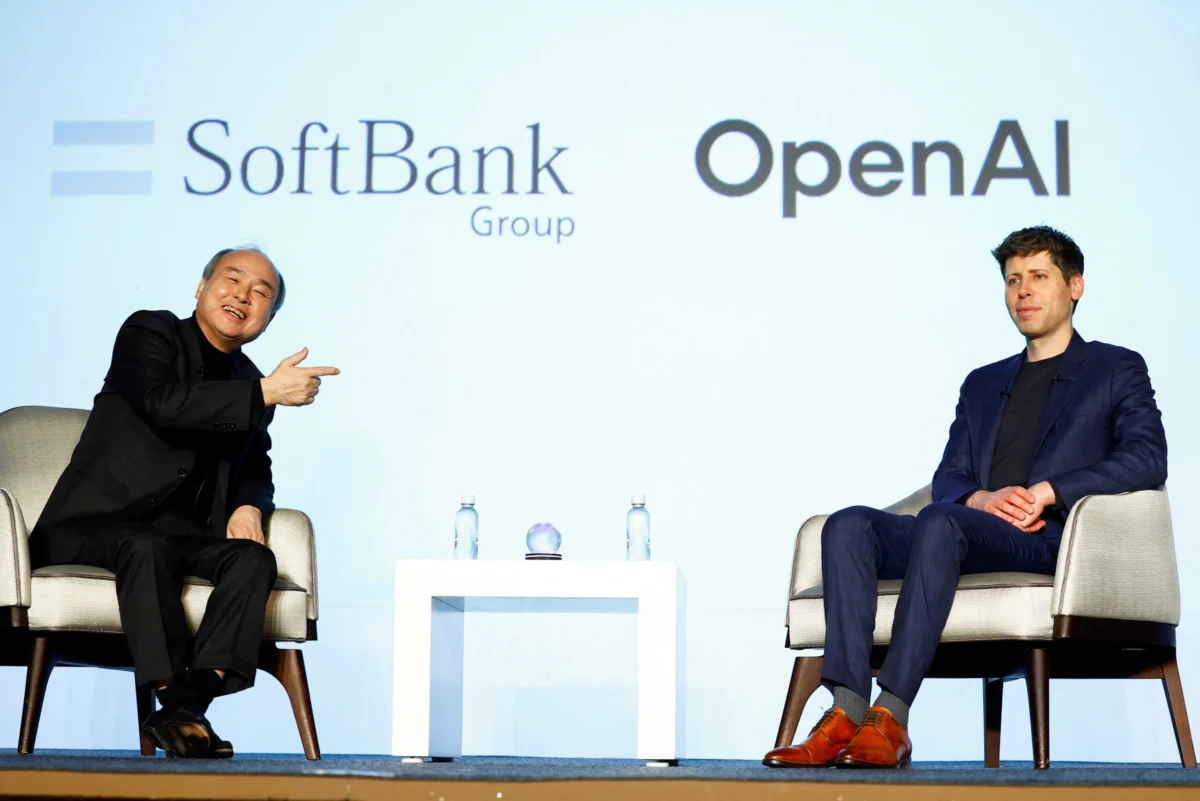
The visionary pronouncements from Silicon Valley’s most influential figures, from Tesla and SpaceX CEO Elon Musk to OpenAI chief Sam Altman, have consistently painted a picture of an artificial intelligence-driven future characterized by unprecedented abundance and widespread deflation. Altman famously declared, "Intelligence too cheap to meter is well within grasp," while Musk has championed AI and robotics as catalysts for extreme abundance, drastically driving down costs across industries. Masayoshi Son of SoftBank, another prominent tech investor, echoed these sentiments, predicting a 40% drop in prices and the obsolescence of "unnecessarily hard work, sweating work." However, the economic reality currently unfolding suggests a stark divergence from these utopian forecasts, as the nascent stages of AI adoption are instead contributing to inflationary pressures and encountering significant headwinds in translating technological prowess into sustained productivity gains.
The Clash of Hype and Economic Reality
Far from ushering in an era of immediate deflation, the widespread integration of AI into the global economy is encountering a formidable wall of corporate inertia, logistical challenges, and substantial upfront investment costs. This complex landscape is resulting in a paradoxical situation: AI, touted as a deflationary force, is currently exacerbating inflation in several key sectors while its promised productivity boom remains largely elusive in official statistics. The disparity between the lofty rhetoric of tech evangelists and the tangible economic impact poses a significant dilemma for central banks, particularly the Federal Reserve, as they grapple with managing inflation in a rapidly evolving technological environment.
The initial phase of AI deployment is characterized by a colossal spending spree on essential infrastructure. Goldman Sachs Research estimates that capital expenditure on the AI build-out in the U.S. alone is projected to reach $581 billion this year, potentially soaring to $1 trillion globally. This domestic investment represents a substantial 1.8% of the U.S. gross domestic product, a share anticipated to climb to 2.8% by 2028. This unprecedented investment, while laying the groundwork for future capabilities, is simultaneously snarling supply chains, driving up demand for critical components, and escalating prices in sectors vital for the digital economy.
The Tangible Costs: Energy, Chips, and Infrastructure

One of the most immediate and noticeable inflationary impacts stems from the burgeoning demand for electricity. The proliferation of power-hungry data centers, the physical backbone of AI operations, is placing immense strain on existing energy grids and contributing directly to rising utility bills for consumers and businesses alike. According to data from the Bureau of Labor Statistics, household electricity prices surged by 10% in the two years leading up to July, outpacing the overall consumer price index increase of 6.2% during the same period. This escalating energy cost is a direct consequence of the massive infrastructure required to train and run complex AI models, which consume vast amounts of power for processing and cooling.
Beyond energy, the specialized hardware required for advanced AI models has become a significant inflationary bottleneck. The insatiable demand for high-performance graphics processing units (GPUs) from companies like Nvidia has created a severe supply-demand imbalance. Chipmakers, despite ramping up production, have struggled to keep pace with the exponential growth in orders from AI firms. This scarcity has led to dramatic price increases for memory components, with JPMorgan Chase estimating that the cost of dynamic random access memory (DRAM) will have risen by an astonishing 400% by the end of the year compared to 2024. The broader category of computer software and accessories has also seen a substantial price hike, increasing by 22.4% since July 2024, reflecting the elevated costs of the tools and systems necessary for AI development and deployment.
These immediate, tangible costs are more readily apparent than the diffuse and often delayed benefits, as Ronnie Chatterji, chief economist at OpenAI, acknowledged. "For it to impact the economy, it has to be adopted by organizations," Chatterji explained. "Those organizations have to realize value." While the adoption process is underway, he conceded, "it’ll still be a little while before we see it sort of clearly for productivity statistics."
Corporate Adoption: The Human Element and "Weak Links"
The journey from cutting-edge AI technology to widespread corporate implementation is proving more arduous than initially envisioned. A May survey by the Census Bureau revealed that only between 17% and 20% of U.S. businesses reported using AI, with adoption being significantly more prevalent at large firms than at smaller enterprises. This suggests a significant segment of the economy has yet to integrate AI, highlighting a considerable lag in realizing its potential benefits.
Executives who have spearheaded AI adoption within large organizations caution against the industry’s often overzealous promises. Julie Averill, Lululemon’s former chief information officer, who oversaw the integration of AI to predict product sales, emphasized that while "the technology is there," the "hype is around the ease of the technology in a large organization." She underscored the persistent human element as the primary hurdle: "The things that have always made implementations in large companies difficult still exist, which is people. Getting people to change their behaviors, taking them along the journey with you, and getting them to trust the model, that’s hard."

This observation is corroborated by OpenAI’s internal data, where Chatterji noted that "AI power users deploy the technology at eight times the rate of average companies, measured by tokens per user." This gap has widened significantly, from two times just three months prior, indicating a growing chasm between "frontier firms" that are reorganizing their workflows around AI and typical companies struggling with integration.
Economists studying AI refer to these integration challenges, particularly tasks that resist easy automation, as "weak links." While AI excels at specific, repetitive tasks like analyzing radiological scans, jobs are typically bundles of diverse tasks. As Stanford professor Charles Jones, a leading scholar on AI’s impact on growth and currently on leave at Anthropic, explains, AI can automate a fraction of a radiologist’s duties, making them more efficient. However, other crucial aspects of their job—such as patient communication and collaborative work with colleagues—remain largely immune to current automation, acting as "weak links" that prevent full job automation and limit overall productivity gains. The premature prediction by Nobel laureate technologist Geoffrey Hinton in 2016 that radiologists would be obsolete within a decade has been disproven by their growing numbers, illustrating this principle. The true pervasiveness of these "weak links" will only become fully clear as companies adopt AI on a larger scale.
The Federal Reserve’s AI Conundrum
The conflicting signals from AI’s economic impact have ignited a fervent debate within the Federal Reserve, complicating its critical mission of managing inflation and fostering maximum employment. This internal deliberation was underscored last month by Fed Chairman Kevin Warsh’s appointment of a task force to inform the central bank’s understanding of AI’s economic effects. The task force includes Charles Jones and venture capitalist Marc Andreessen, whose firm is a prominent backer of AI startups and who is among those predicting an era of "hyper-deflation."
Warsh himself has been a vocal proponent of AI’s potential to significantly boost productivity and act as a disinflationary force, arguing in November (prior to his confirmation as chairman) that the Fed needed to raise its growth forecasts to account for AI. This stance aligns with calls for lower interest rates, a position favored by President Donald Trump.
However, Warsh’s new colleagues on the Federal Open Market Committee (FOMC) are far from unified on this optimistic outlook. In a July meeting, Fed officials voted to leave the benchmark interest rate unchanged in a range of 3.5% to 3.75%. This decision, however, was not unanimous, with some officials openly expressing concerns that AI-driven price increases necessitated more aggressive monetary tightening. Minneapolis Fed President Neel Kashkari, for instance, dissented in favor of a higher interest rate, stating, "The massive investment in data centers has also added a new demand element to the high inflation Americans are experiencing."

The broader implications for monetary policy are profound. If AI is indeed an immediate inflationary force due to infrastructure build-out and supply chain strains, the Fed might be compelled to maintain higher interest rates to cool the economy. Conversely, if its long-term deflationary potential is imminent, aggressive rate hikes could prove counterproductive, stifling innovation and growth. This uncertainty creates a challenging environment for policymakers attempting to navigate the economic landscape.
Historical Context and the Productivity Puzzle
Drawing parallels to past technological revolutions, Peter Boockvar, chief investment officer of OnePoint BFG Wealth Partners, compared the current AI boom to the internet era, the last major tech-driven productivity surge. He noted that even during that transformative period of automation, the U.S. saw only a modest 1.5% gain in productivity over a 30-year span. Looking back 50 years, average productivity growth stood at 2.5%.
"To think that generative AI is going to bring that level of enhancement to the economy, relative to the internet, is tough," Boockvar commented, questioning whether generative AI represents a "multiple step functions higher" leap in productivity. While technology has historically enhanced human productivity, the magnitude and timing of AI’s impact remain subjects of intense debate and considerable uncertainty. The current evidence suggests that widespread, measurable productivity gains from AI are not yet materializing at a pace that would offset its immediate inflationary pressures.
A Cautious Outlook
The initial phase of the AI revolution presents a complex and contradictory economic picture. While the long-term potential for AI to drive efficiency, innovation, and eventually, deflation remains a powerful vision, the short-to-medium term reality is marked by significant capital expenditures, strained supply chains, escalating energy costs, and the human challenges of organizational change. These factors are undeniably contributing to inflationary pressures, making the Federal Reserve’s task of maintaining price stability significantly more intricate.

Fed Chairman Warsh himself has adopted a more cautious tone, acknowledging in July that while companies’ vast AI spending is laying the groundwork for future growth, "the precise timing and magnitude of effects on the supply side remain hard to predict." Boockvar summarized the chairman’s dilemma: "The cost and inflationary aspect is really complicating Kevin Warsh’s job. He wants to believe in the productivity enhancements down the road — but it’s not something he can react to."
In essence, while AI may eventually fulfill the grand promises of its most fervent advocates, the economic journey to that future is proving to be bumpier and more costly than initially anticipated. For now, the very real costs of building the AI future are creating headwinds for an economy already grappling with inflation, presenting a critical test for policymakers and challenging the prevailing narrative of immediate AI-driven abundance.