Ena Muazin
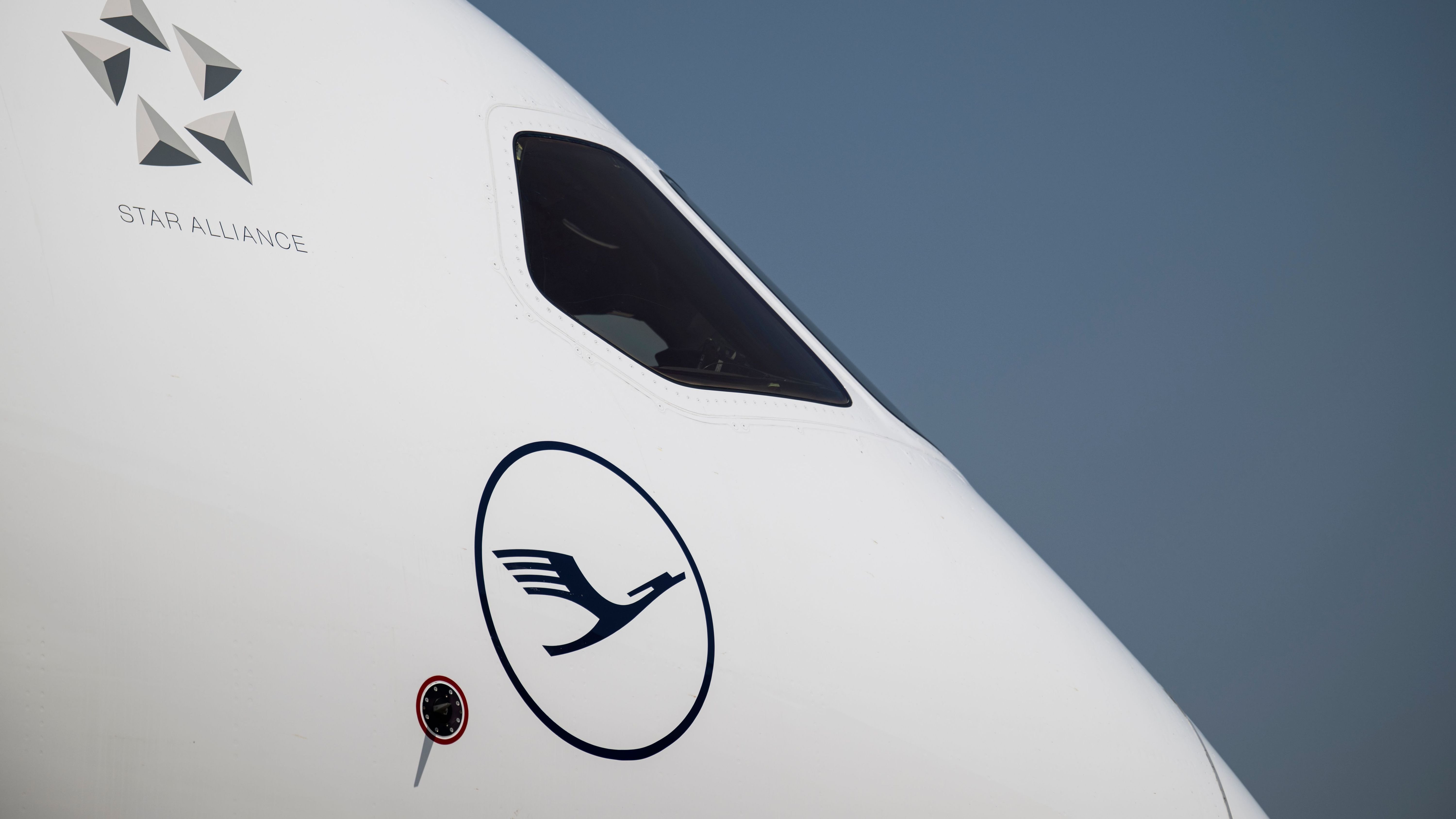
Frankfurt – The recurring drama of index composition is set to unfold once again as Deutsche Börse prepares for its quarterly review of the DAX in September. For the German flag carrier, Lufthansa, this period brings a familiar sense of anticipation, as the airline is once again a strong contender for a return to Germany’s premier stock market index. However, this year’s inclusion is far from a foregone conclusion, with at least two other companies vying intensely for a coveted spot.
Lufthansa’s potential re-entry into the DAX marks a significant chapter in its recent financial history. The airline was a casualty of the COVID-19 pandemic’s economic fallout, forced to exit the DAX in June 2020 amidst unprecedented market volatility. Since then, its shares have been traded within the MDAX, the index for Germany’s second-tier listed companies. This marks the fourth consecutive review period where Lufthansa has been considered a prime candidate for promotion, a testament to its ongoing recovery efforts and strategic adjustments.
A Season of Rebuilding and Resilience
The period following Lufthansa’s departure from the DAX was characterized by a concerted effort to navigate the severe downturn in air travel. The airline secured a significant aid package from the German government, including silent participations and a capital injection, to ensure its survival. This period was marked by extensive restructuring, including fleet reductions, route network adjustments, and significant cost-saving measures. The subsequent recovery in global travel demand has provided a crucial tailwind, allowing Lufthansa to demonstrate its operational resilience and financial recovery.
The German stock market’s DAX index, representing the 40 largest and most liquid companies listed on the Frankfurt Stock Exchange, is a barometer of the German economy. Its composition is based on strict criteria, including market capitalization and trading volume, ensuring that only the most significant players are included. The biannual (previously quarterly) reviews by the DAX Index Committee are closely watched by investors, analysts, and the companies themselves, as inclusion can lead to increased investor interest, higher trading volumes, and a boost in corporate profile.

The Competitive Landscape for DAX Inclusion
Achim Matzke, an index expert and chief strategist at Matzke Research, offers a nuanced perspective on Lufthansa’s prospects. While acknowledging the airline’s strong recovery, Matzke cautions that its inclusion is "possible, but not certain." This assessment underscores the highly competitive nature of the DAX inclusion process. The performance of other potential candidates in terms of market capitalization and sustained trading activity plays a crucial role.
Historically, companies that have demonstrated consistent financial growth, robust market performance, and strong investor confidence are favored for inclusion. The inclusion criteria are designed to reflect the current economic landscape and the most influential companies in the German market. Therefore, any company looking to enter the DAX must not only recover from past challenges but also demonstrate a trajectory of sustained success and market leadership.
Key Metrics for DAX Consideration
The primary criteria for DAX inclusion revolve around market capitalization and trading liquidity. Companies must maintain a significant market value and a high level of trading activity to be considered. Lufthansa’s recent performance, driven by a rebound in passenger numbers and cargo demand, has significantly boosted its market capitalization. The airline has seen a substantial increase in its share price over the past year, reflecting investor confidence in its recovery strategy and future growth prospects.
For instance, as of recent reporting periods, Lufthansa has reported substantial revenue growth and improved operating profit, signaling a strong return to profitability. This financial resurgence is a critical factor in its favor for DAX consideration. The airline’s ability to manage its debt burden, reduce operational costs, and capitalize on the resurgence of international travel has been instrumental in its financial turnaround.

Beyond Lufthansa: The Other Contenders
While Lufthansa is a prominent name, the competition for DAX inclusion is fierce. Industry observers point to at least two other companies that are strong contenders. One such company is reportedly Siemens Energy, a spin-off from the industrial conglomerate Siemens, which has been actively working to solidify its market position and financial stability. Despite facing some initial challenges post-spin-off, Siemens Energy has been making strides in its core businesses, particularly in the areas of energy transmission and generation. Its market capitalization and operational performance have positioned it as a serious candidate for upward mobility in the index rankings.
Another company frequently mentioned in discussions about potential DAX entrants is Covestro, a leading global supplier of high-tech polymer materials. Covestro has demonstrated consistent innovation and a strong market presence in its specialized sectors. Its financial results have often been robust, supported by demand from various industries, including automotive, construction, and electronics. The company’s strategic focus on sustainability and circular economy initiatives also aligns with evolving investment trends, potentially enhancing its appeal for index inclusion.

The specific performance metrics of these companies leading up to the September review will be crucial. Analysts will be scrutinizing their quarterly earnings reports, market capitalization figures, and trading volumes to gauge their eligibility. The dynamic nature of the stock market means that fortunes can shift rapidly, and any unexpected economic developments or company-specific news could alter the landscape.
The Impact of DAX Inclusion
For Lufthansa, a return to the DAX would signify more than just a symbolic achievement. Inclusion in the premier index often leads to several tangible benefits:

- Increased Investor Visibility: DAX-listed companies are a focal point for institutional investors, including pension funds and asset managers, who often have mandates to invest in such indices. This can lead to greater demand for Lufthansa’s shares.
- Enhanced Liquidity: Higher trading volumes associated with DAX inclusion can improve the liquidity of Lufthansa’s stock, making it easier for investors to buy and sell shares without significantly impacting the price.
- Improved Corporate Image: Membership in the DAX is widely perceived as a mark of prestige and stability, reinforcing Lufthansa’s status as a leading German corporation. This can bolster confidence among customers, partners, and employees.
- Benchmark for Performance: Inclusion in the DAX can serve as a benchmark for performance, encouraging continued focus on operational efficiency and financial discipline.
However, DAX inclusion also brings increased scrutiny and pressure to maintain a high level of performance. Companies are expected to consistently meet or exceed market expectations, and any missteps can lead to swift and significant stock price reactions.
A Look Back: The 2020 Departure
Lufthansa’s exit from the DAX in June 2020 was a stark illustration of the pandemic’s devastating impact on the aviation sector. At that time, global travel came to a near standstill, leading to unprecedented financial losses for airlines worldwide. Lufthansa, being one of the largest European carriers, was particularly exposed. The decision to remove it from the DAX was based on its market capitalization falling below the threshold required for inclusion, a direct consequence of the severe market downturn. The airline’s subsequent reliance on state aid further underscored the precariousness of its financial situation.

The recovery process since then has been a testament to the airline’s strategic maneuvering and the gradual reopening of global economies. The company has focused on optimizing its fleet, streamlining its operations, and capitalizing on pent-up travel demand. The increase in passenger traffic, particularly in leisure and business travel segments, has been a significant driver of its financial recovery. Furthermore, the cargo division has played a crucial role, providing a stable revenue stream during periods of reduced passenger flights.
Navigating Future Challenges
While the prospect of DAX inclusion is a positive development, Lufthansa continues to face a dynamic and evolving industry landscape. Geopolitical uncertainties, fluctuating fuel prices, and increasing competition from low-cost carriers and emerging airlines remain persistent challenges. The airline’s commitment to sustainability and reducing its carbon footprint is also becoming an increasingly important factor for investors and regulators. Lufthansa has set ambitious targets for emission reductions and is investing in more fuel-efficient aircraft and sustainable aviation fuels.

The upcoming decision by the DAX Index Committee will be a significant milestone in Lufthansa’s journey back to prominence. The airline’s performance in the coming months, alongside that of its competitors, will be closely monitored by the market. Regardless of the outcome, Lufthansa’s resilience and strategic adaptation in the face of unprecedented adversity have already demonstrated its strength as a key player in the global aviation industry. The potential return to the DAX would serve as a strong affirmation of its successful recovery and its enduring significance within the German economy.