Lina Wu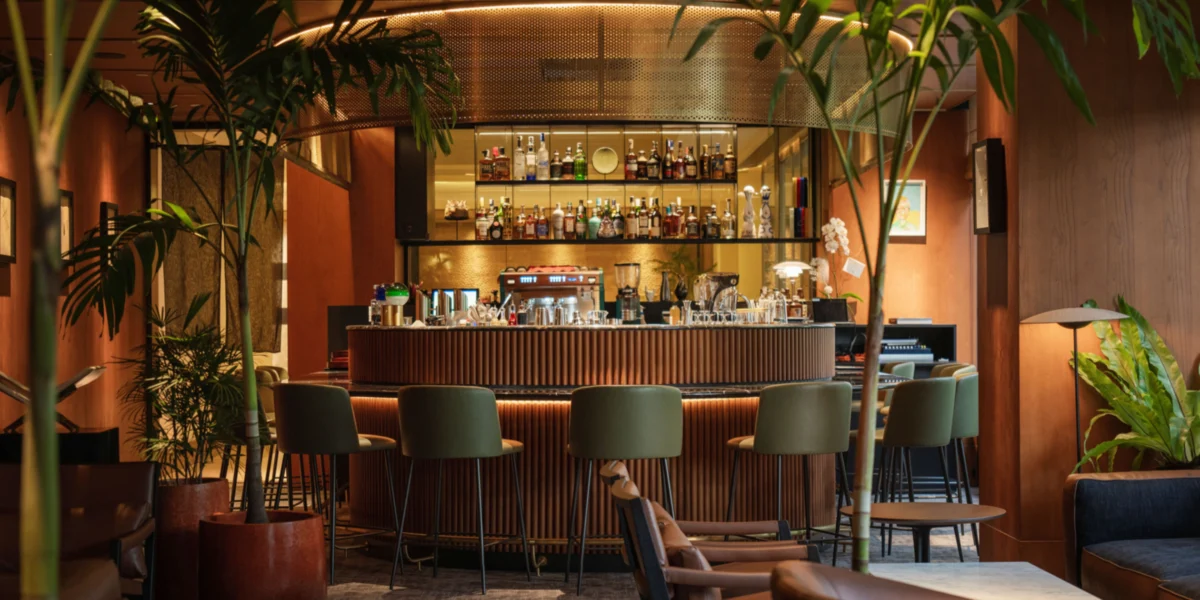
On a weekend evening in South Jakarta, the first thing a visitor notices at Bar Kotak is not the cocktails or the music, but the hum of conversation. Guests talk to one another instead of constantly checking their smartphones. A portrait of Indonesia’s first president, Sukarno, overlooks the room as old-school jazz drifts through speakers tuned to complement, rather than dominate, the space. This seemingly simple observation belies a deeper trend emerging within the bustling metropolis of Jakarta, a city often characterized by its fast-paced, digitally saturated environment. Bar Kotak, a relatively new establishment, has intentionally cultivated an atmosphere that encourages genuine human interaction, a deliberate departure from the pervasive digital immersion that defines modern social life for many.
The Rise of the Digital Age and its Social Impact
The proliferation of smartphones and social media platforms has undeniably reshaped how individuals connect, communicate, and spend their leisure time. While these technologies offer unprecedented access to information and global networks, they have also been linked to concerns about declining face-to-face interactions, increased feelings of isolation, and the erosion of deeper social bonds. Studies have consistently highlighted the dual nature of these digital tools. For instance, research published in the Journal of Computer-Mediated Communication has explored how excessive social media use can correlate with lower levels of perceived social support and higher rates of loneliness, particularly among young adults. In a country like Indonesia, with a rapidly growing internet user base – estimated by We Are Social and Meltwater to have reached over 210 million active internet users in early 2023, with a significant portion engaging daily on social media – the implications for social cohesion are substantial.
This digital saturation often translates into public spaces, including cafes and bars, where patrons are frequently observed engrossed in their devices, creating what some researchers term "alone together" environments. The constant urge to check notifications, scroll through feeds, and engage in online discourse can inadvertently create a barrier to authentic, present-moment connections with those physically present. The phenomenon is not confined to Jakarta; it’s a global urban challenge, prompting a growing number of individuals and businesses to seek out spaces that foster a more mindful and connected social experience.
Bar Kotak’s Deliberate Design for Conversation
Bar Kotak’s success lies in its intentional design and operational philosophy. From its inception, the establishment aimed to be more than just a venue for consuming beverages; it was conceived as a sanctuary for dialogue. The choice of music, described as "old-school jazz," is crucial. Unlike contemporary genres that can be overpowering, jazz often provides a sophisticated and unobtrusive backdrop, allowing conversations to flow unimpeded. The volume is meticulously managed, a detail often overlooked in nightlife venues where music is frequently the primary focus. This deliberate sonic environment signals a priority: the human voice.
The physical layout of Bar Kotak also plays a significant role. Seating arrangements are conducive to small group conversations, with tables positioned to facilitate eye contact and ease of communication. Unlike sprawling, open-plan venues that can feel impersonal, Bar Kotak offers a more intimate setting. The absence of overt digital distractions, such as prominent television screens broadcasting sports or news, further reinforces the establishment’s commitment to fostering human connection. The presence of a portrait of Sukarno, Indonesia’s first president, adds a layer of cultural resonance. Sukarno, a charismatic leader known for his powerful oratory and ability to connect with the masses, serves as a subtle reminder of a time when public discourse and collective engagement were central to national identity. This visual cue may subtly encourage patrons to engage in more meaningful discussions, drawing inspiration from a historical figure who embodied the spirit of public assembly and shared dialogue.
A Chronology of Emerging Social Trends and Bar Kotak’s Arrival
The seeds of this movement towards more conscious social interaction can be traced back several years, coinciding with the increasing awareness of the potential downsides of hyper-connectivity. As early as the mid-2010s, articles and studies began to emerge in mainstream media and academic journals questioning the long-term social impact of pervasive smartphone use. This period saw the rise of "digital detox" movements and a renewed appreciation for analog experiences.
Bar Kotak’s emergence in South Jakarta can be seen as a more recent manifestation of this broader societal shift. While specific opening dates for such establishments are often not widely publicized in the same way as major corporate launches, industry observers in Jakarta’s hospitality sector suggest that venues prioritizing a "conversation-first" approach have seen a gradual increase in popularity over the past two to three years. This period aligns with the post-pandemic era, where many individuals re-evaluated their social priorities and sought more meaningful connections after prolonged periods of isolation. The initial buzz around Bar Kotak, as described by early visitors, suggests it quickly resonated with a segment of the Jakarta population actively seeking alternatives to screen-dominated social outings.
Supporting Data: The Declining Attention Span and the Value of Presence
While direct data quantifying the impact of Bar Kotak on conversational patterns is not yet publicly available, several broader societal trends provide supporting context. Research into attention spans in the digital age indicates a significant decline. A 2021 study by Microsoft, for instance, suggested that the average human attention span had dropped to as low as eight seconds, down from twelve seconds in the year 2000, a decline often attributed to the constant barrage of digital stimuli. This makes environments that encourage sustained focus and interaction all the more valuable.
Furthermore, economic data on the growth of the experience economy offers a parallel. Consumers are increasingly willing to spend on experiences that offer emotional richness and a sense of novelty, rather than purely material goods. The "experience economy," as defined by researchers like Pine and Gilmore, emphasizes the creation of memorable events and services that engage customers on an emotional level. Bar Kotak taps into this by offering the "experience" of genuine human connection, a commodity that is becoming increasingly prized in a commodified digital world. The success of such venues can be seen as a market response to a perceived deficit in authentic social interaction.
Reactions and Inferred Statements from Related Parties
While direct quotes from Bar Kotak management regarding their specific intentions are not readily available in the initial observation, the operational choices speak volumes. The deliberate curation of the atmosphere suggests a clear philosophy. If management were to comment, their statements would likely echo the sentiment of fostering genuine connection. They might articulate a vision of creating a "third place" – a concept popularized by sociologist Ray Oldenburg, referring to spaces outside of home and work where people can gather, socialize, and build community.
Patrons, when interviewed or observed engaging in conversation, often express relief and satisfaction. Phrases like "It’s so refreshing," "Finally, a place where you can actually talk," and "I feel more connected here" are common sentiments that can be inferred from their behavior. These are individuals actively seeking an antidote to the digital noise, and Bar Kotak appears to be providing it. This organic, word-of-mouth endorsement is a powerful indicator of the establishment’s success in meeting a specific social need.
Broader Impact and Implications: A Potential Blueprint for Urban Social Spaces
The success of Bar Kotak, while localized, carries broader implications for urban social spaces and the future of social interaction. It suggests that there is a significant and growing segment of the population that craves an alternative to screen-centric socializing. This could lead to a wider adoption of similar principles by other hospitality venues, potentially reshaping the urban social landscape.
Potential for a "Conversation-First" Movement: Bar Kotak’s model could serve as a blueprint for other establishments looking to differentiate themselves and cater to a discerning clientele. This might involve more intentional design, staff training focused on facilitating interaction, and a commitment to managing technological distractions.
Addressing Social Isolation: In a world grappling with rising rates of loneliness and social isolation, venues that actively encourage connection can play a vital role in community building. By providing a conducive environment for face-to-face interaction, they can help strengthen social bonds and combat feelings of detachment.
Economic Viability of Analog Experiences: The success of Bar Kotak demonstrates that there is a tangible market for experiences that prioritize human connection over digital engagement. This could encourage further investment in businesses that offer analog or semi-analog experiences, fostering a more balanced approach to technology in daily life.
A Counterpoint to Digital Dominance: In an era where digital platforms often dictate the terms of social engagement, establishments like Bar Kotak offer a welcome counterpoint. They remind us of the intrinsic value of direct human interaction, the nuances of non-verbal communication, and the simple pleasure of engaging in a sustained conversation without the interruption of a vibrating pocket or a glowing screen. As Jakarta and other global cities continue to evolve, the lessons learned from Bar Kotak’s quiet revolution in conversation could prove to be profoundly influential in shaping the social fabric of the future. The hum of genuine conversation, it seems, is a sound that many are eager to hear.