Lina Wu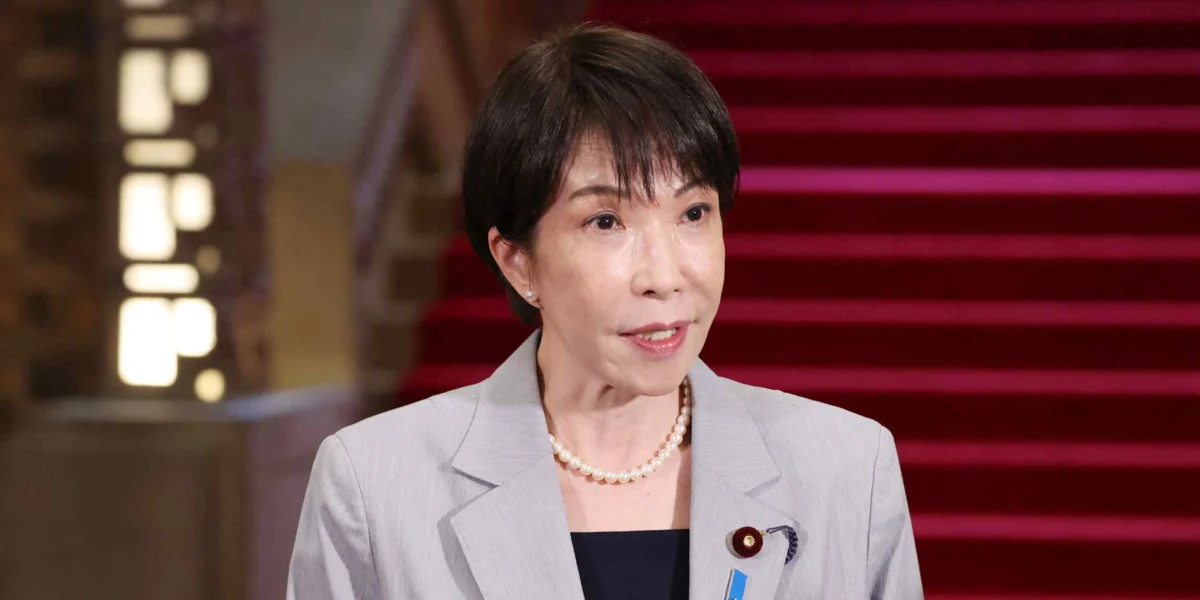
TOKYO — Japanese Prime Minister Sanae Takaichi has become the focal point of a burgeoning national conversation regarding work-life balance and the demanding expectations placed upon public servants, particularly after revealing her own minimal sleep regimen. Since assuming office, Takaichi has candidly stated that she survives on an average of zero to three hours of sleep per night, a disclosure that has resonated deeply across a nation long characterized by its intense work culture. Further examination of her public engagements and reported habits suggests that her commitment to her duties extends significantly beyond the traditional work week, with little apparent respite on weekends or public holidays. This revelation, coming from the nation’s highest elected official, has prompted widespread debate about the sustainability of such a relentless pace, its potential impact on leadership effectiveness, and the broader implications for Japan’s societal norms surrounding labor.
The Prime Minister’s Revealing Statements and the Public Reaction
Prime Minister Takaichi’s assertion about her sleep schedule, initially presented as a testament to her dedication, has inadvertently shone a spotlight on the pressures faced by those in high-stakes positions. The statement, made in the context of her premiership, suggests a personal sacrifice that many find both admirable and alarming. While some have lauded her commitment, interpreting it as a sign of unwavering focus and responsibility, a significant segment of the public, including labor advocates, medical professionals, and ordinary citizens, have expressed concern. These reactions range from worries about her personal health and cognitive function to broader anxieties about the message it sends to the Japanese workforce, particularly younger generations.
The perception of Takaichi as a leader who eschews rest has been reinforced by observations of her consistent engagement in public duties. Unlike many political figures who might scale back their activities during periods of national observance or personal time, Prime Minister Takaichi appears to maintain a rigorous schedule year-round. This includes attending official functions, engaging in policy discussions, and participating in international diplomacy, often on days that are designated as holidays for the general populace. This unwavering dedication, while potentially stemming from a deep sense of duty, raises critical questions about the long-term viability of such an approach, not only for her own well-being but also for the nation’s governance.
Historical Context: Japan’s Renowned Work Ethic and the Shadow of Karoshi
Japan’s reputation for an industrious workforce is well-established, with a cultural emphasis on dedication, loyalty, and long working hours. This has historically contributed to the nation’s economic prowess. However, this intense work ethic has also cast a long shadow, most notably through the phenomenon of karoshi, or death from overwork. Since the 1980s, Japan has grappled with the tragic consequences of excessive labor, with thousands of documented cases of individuals succumbing to stress-induced conditions such as heart attacks and strokes, or taking their own lives due to work-related pressures.
The government has, in recent decades, implemented measures to address karoshi, including labor reforms aimed at limiting overtime and promoting work-life balance. However, cultural norms can be slow to change, and the pressure to conform to long-standing expectations often persists. Prime Minister Takaichi’s personal example, whether intended or not, risks reinforcing these deeply ingrained cultural norms. Her apparent ability to function and lead effectively on minimal sleep could be misinterpreted as an endorsement of extreme work habits, potentially undermining the very reforms the government has been striving to enact.
The statistics surrounding working hours in Japan remain a point of concern. Despite government efforts, a significant portion of the Japanese workforce continues to report working long hours. According to data from the Ministry of Health, Labour and Welfare, while overall overtime hours have seen some reduction in recent years, the average number of hours worked remains high, particularly in certain sectors. The average annual working hours for full-time employees in Japan have historically hovered around 1,800 hours, with many exceeding 2,000 hours, placing them among the highest in developed nations. This context makes the Prime Minister’s personal sacrifices particularly poignant and raises questions about whether her approach is an anomaly or indicative of a persistent, underlying issue.
A Chronology of Commitment: Examining the Prime Minister’s Schedule
While specific daily schedules are not publicly disclosed in granular detail, an analysis of Prime Minister Takaichi’s public appearances and official duties provides a pattern of relentless engagement.
- Assumption of Office: Upon taking office, Prime Minister Takaichi immediately signaled a proactive approach to governance. Early public statements emphasized her commitment to tackling pressing national issues, from economic revitalization to foreign policy challenges.
- Weekend and Holiday Engagements: Throughout her tenure, numerous reports have surfaced detailing her participation in official events, diplomatic meetings, and policy reviews on weekends and public holidays. These have included addressing international forums, hosting foreign dignitaries, and presiding over cabinet meetings that fall outside the typical Monday-to-Friday work week.
- Public Statements on Sleep: The recurring theme of her minimal sleep has been a consistent element in her public discourse, often presented as a necessary component of her dedication. These statements, delivered at press conferences and public addresses, have drawn widespread attention and debate.
- Policy Initiatives: Alongside her personal schedule, Prime Minister Takaichi has spearheaded several key policy initiatives. The effective management of these multifaceted agendas, coupled with her reported sleep habits, has fueled discussions about the capacity of any individual to sustain such a demanding workload without adverse effects.
This consistent pattern suggests a deliberate prioritization of public service over personal rest, a trait that, while potentially indicative of strong leadership, also raises concerns about burnout and the potential for impaired decision-making.
Expert Opinions and Societal Implications
The Prime Minister’s statements have elicited a range of responses from experts in various fields. Sleep specialists and medical professionals have voiced concerns about the physiological and psychological consequences of chronic sleep deprivation. Dr. Kenji Tanaka, a leading sleep researcher at Tokyo University, commented, "Sustained sleep deprivation, even for seemingly high-functioning individuals, can lead to impaired cognitive abilities, reduced emotional regulation, and an increased risk of chronic health problems. While dedication is commendable, it should not come at the expense of fundamental biological needs, especially for someone in a position of national leadership."
Labor rights organizations have also weighed in, viewing the Prime Minister’s situation as a microcosm of broader issues within Japan’s labor market. Ms. Yumi Sato, spokesperson for the Japan Labor Federation, stated, "Prime Minister Takaichi’s situation highlights the persistent pressure for overwork that many Japanese employees face. It’s crucial that her dedication is not seen as a model for unhealthy work practices. We need to see systemic change that prioritizes employee well-being and promotes a sustainable work-life balance across all sectors."
The implications of this national discussion are far-reaching. For businesses, it could encourage a re-evaluation of work hours and productivity metrics, moving away from a culture that equates long hours with commitment. For policymakers, it presents an opportunity to strengthen existing labor laws and promote initiatives that encourage healthier work habits. For individuals, it offers a chance to reflect on personal boundaries and advocate for more supportive work environments.
The Broader Impact: A Catalyst for Change?
Prime Minister Takaichi’s personal narrative has inadvertently become a catalyst for a much-needed national dialogue on the very definition of productivity and success in Japan. While her commitment to public service is undeniable, the sustainability of her approach, and its potential influence on societal norms, warrants careful consideration. The coming months and years will likely reveal whether this heightened awareness translates into tangible changes in Japan’s deeply entrenched work culture. The hope is that the Prime Minister’s arduous dedication, while personally taxing, will ultimately serve to illuminate the path toward a more balanced and healthier future for all Japanese workers, ensuring that national progress is not built upon the unsustainable sacrifice of individual well-being. The ongoing debate, fueled by the Prime Minister’s own candid revelations, is a critical juncture in Japan’s evolving relationship with work and life.