Putri Inara
The challenge facing modern bloggers is the "missing element" that bridges the gap between a well-structured post and a meaningful connection. While technical standards provide the framework, personality provides the resonance. This phenomenon is observed across various niches, from travel and finance to lifestyle and professional coaching. By examining the methodologies of ten industry leaders, a blueprint for digital personalization emerges, focusing on visual storytelling, linguistic tone, and strategic brand positioning.
The Evolution of Blog Personalization: A Chronology of Digital Branding
The concept of the "personal blog" has undergone significant transformations since its inception. In the early 2000s, blogging was primarily a medium for digital diaries, characterized by high levels of personal disclosure but low technical quality. By the 2010s, the "ProBlogger" era introduced a shift toward monetization and SEO-centric content, which often resulted in a sterile, clinical tone across the web.
Between 2015 and 2020, the rise of the "Creator Economy" necessitated a hybrid approach. Bloggers began to realize that information was becoming a commodity, but perspective remained unique. This led to the current era of "Strategic Personalization," where elements of the blogger’s life, voice, and aesthetic are curated to build trust—a metric that Edelman’s Trust Barometer indicates is a primary driver of consumer behavior in the 2020s.
Case Study 1: Visual Authenticity and High-Stakes Imagery
Subject: Caz and Craig, YTravel Blog
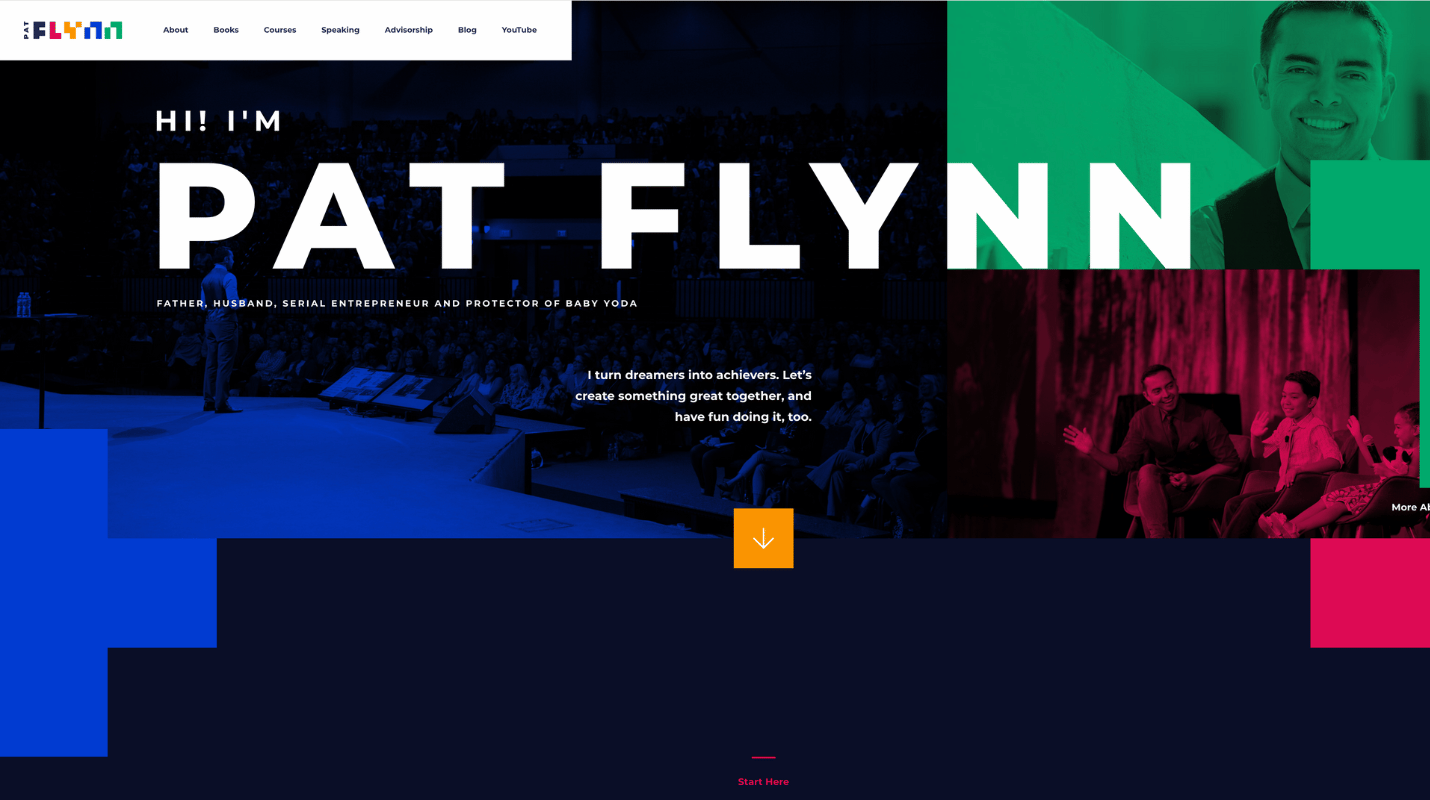
In the travel blogging sector, visual documentation serves as the primary currency of credibility. Caz and Craig of YTravel have established a benchmark for personalization through the integration of high-quality, candid photography. Unlike stock imagery, which can feel impersonal and disconnected, their use of family-oriented photos creates a narrative arc.
Data from the Content Marketing Institute shows that articles featuring relevant images receive 94% more total views than those without. However, for Caz and Craig, the "relevance" is not merely geographical but relational. By featuring their children and their own interactions with the environment, they transform a travel guide into a shared experience. This approach mitigates the "observer effect," allowing readers to see themselves in the blogger’s journey. The lesson for digital creators is that personal photos act as a visual signature that cannot be replicated by competitors or automated content generators.
Case Study 2: The Integration of Quirky Professionalism
Subject: Pat Flynn, Smart Passive Income
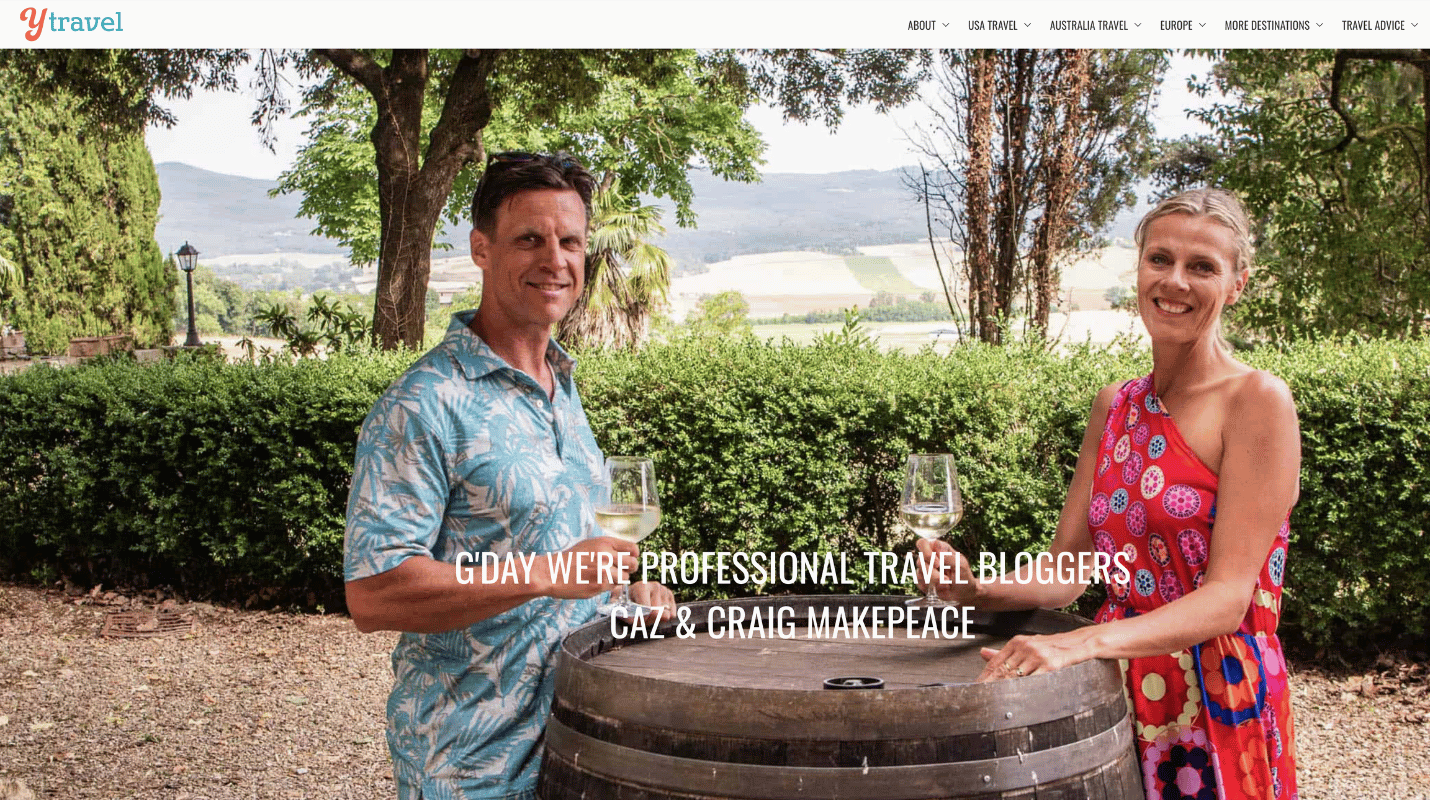
Pat Flynn has built a multi-million dollar brand by balancing high-level business intelligence with a distinct, relatable persona. His branding strategy involves the use of "flair"—specific personal details that humanize the expert. For instance, his self-identification as a "protector of Baby Yoda" or a "serial entrepreneur" serves to lower the barrier of entry for new readers.
Flynn’s success is rooted in the "Building in Public" philosophy. By sharing both his successes and his failures, he utilizes vulnerability as a branding tool. This transparency is backed by data: a 2022 Sprout Social report found that 64% of consumers want brands to connect with them, and 53% feel more connected when a brand’s CEO is active on social media or shares personal stories. Flynn’s blog serves as a primary case study in how humor and personal interests can enhance rather than detract from professional authority.
Case Study 3: Linguistic Identity and Niche Polarization
Subject: Shannon Kelly White
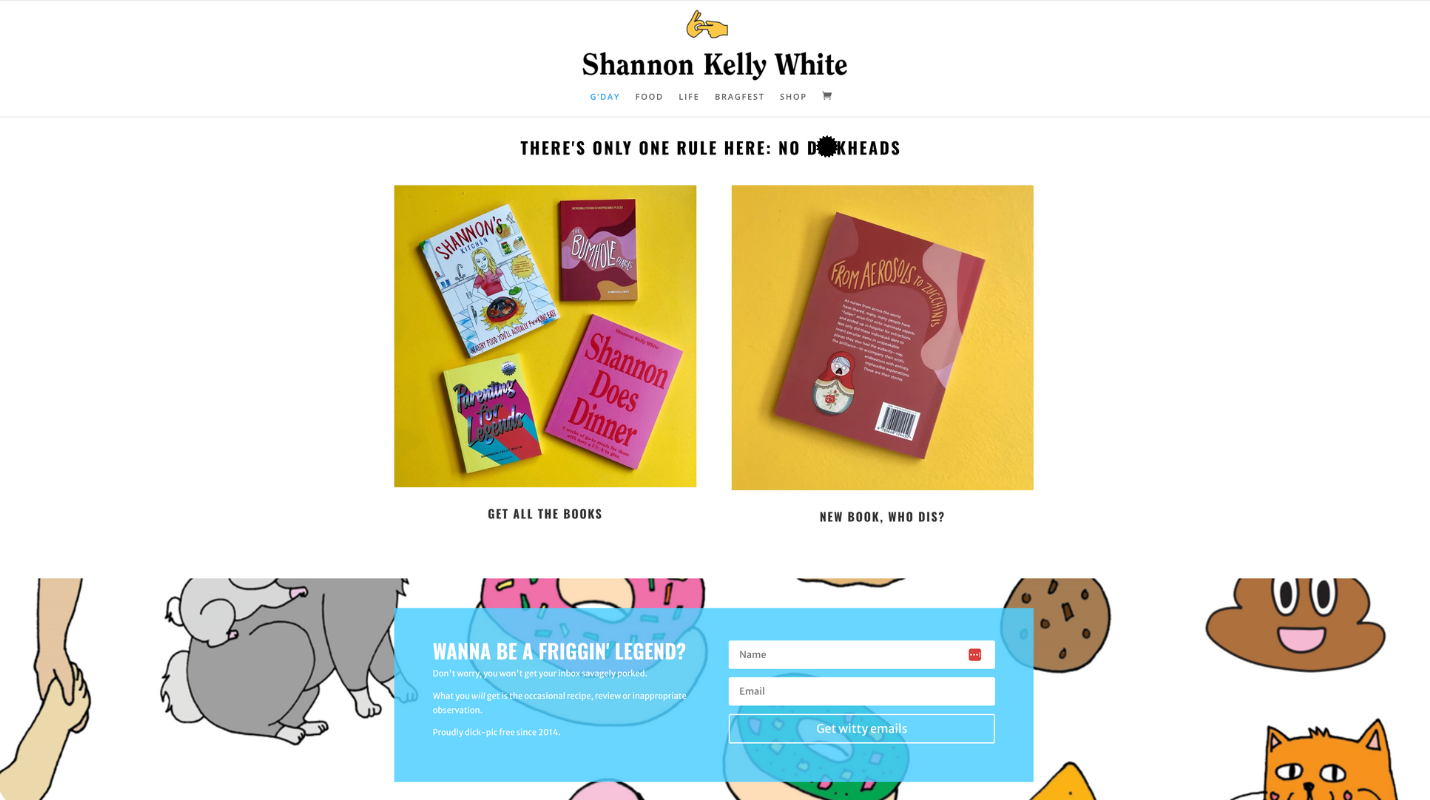
Linguistic personalization is perhaps the most divisive yet effective method of audience filtration. Shannon Kelly White utilizes what industry observers call a "salty" or "raw" tone, characterized by the frequent use of profanity and unfiltered commentary. This approach serves a dual purpose: it alienates individuals who are not a fit for the brand while simultaneously fostering intense loyalty among those who are.
From a journalistic perspective, this is known as "voice-driven content." In an era of AI-generated text, which tends to be neutral and polite, a strong, identifiable human voice is a significant competitive advantage. Analysis of audience engagement metrics suggests that polarizing content often generates higher comment-to-view ratios, as it provokes a more visceral emotional response from the reader.
Case Study 4: Symbolic Representation through Custom Illustration
Subject: Ramsey, Blog Tyrant
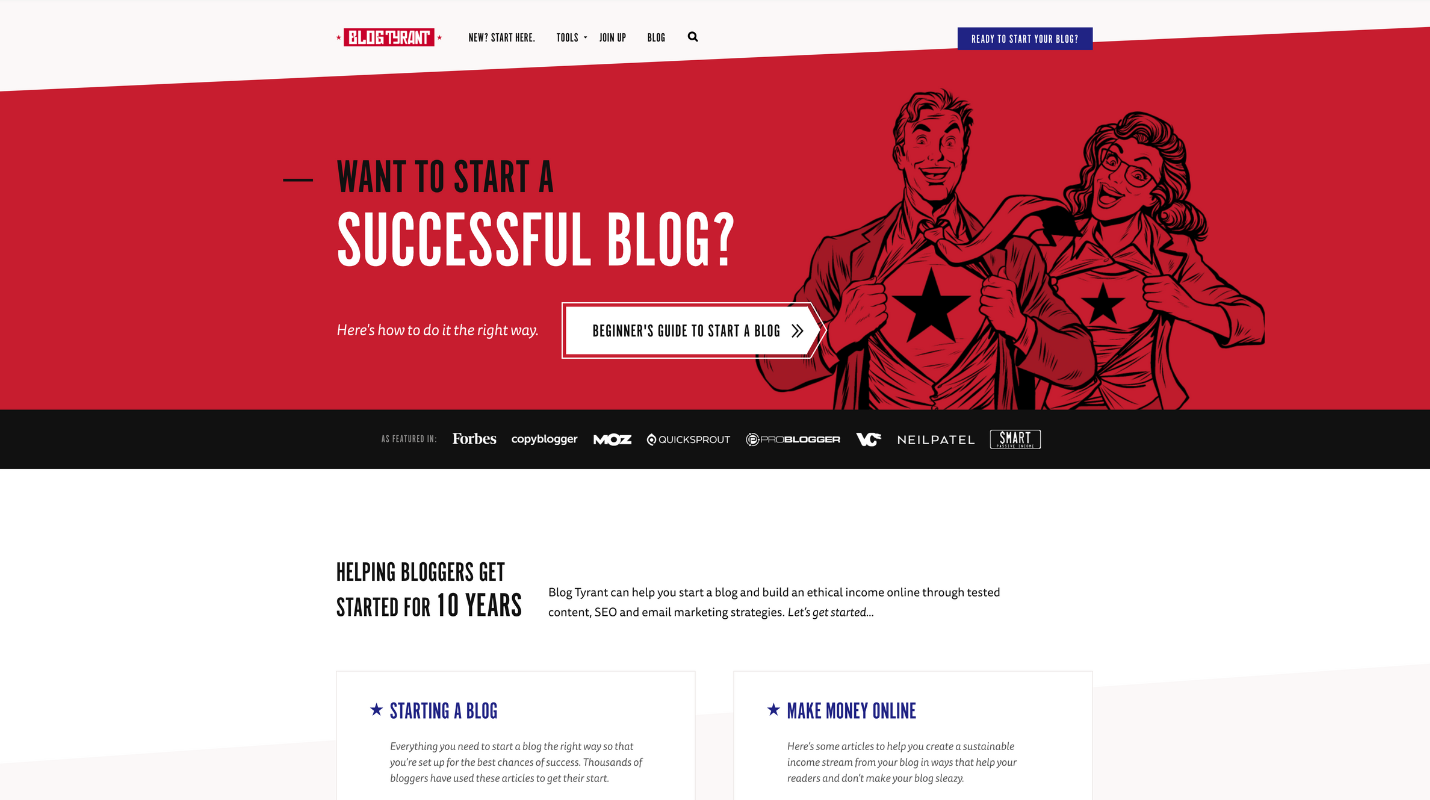
Personalization does not always require a photograph. Ramsey of Blog Tyrant utilizes a custom-illustrated avatar—a "blogging superhero"—to maintain a consistent presence across his site and digital products. This method provides a "face" for the brand while allowing the creator to maintain a degree of personal privacy.
Custom illustrations function as intellectual property that enhances brand recall. According to the "Picture Superiority Effect," a phenomenon in cognitive psychology, people are more likely to remember information if it is presented as an image rather than text. By consistently using a red-shirted avatar, Blog Tyrant ensures that readers associate that specific visual style with his authoritative advice on blogging.
Case Study 5: The Strategic Utility of the ‘About’ Page
Subject: Elsie and Emma, A Beautiful Mess
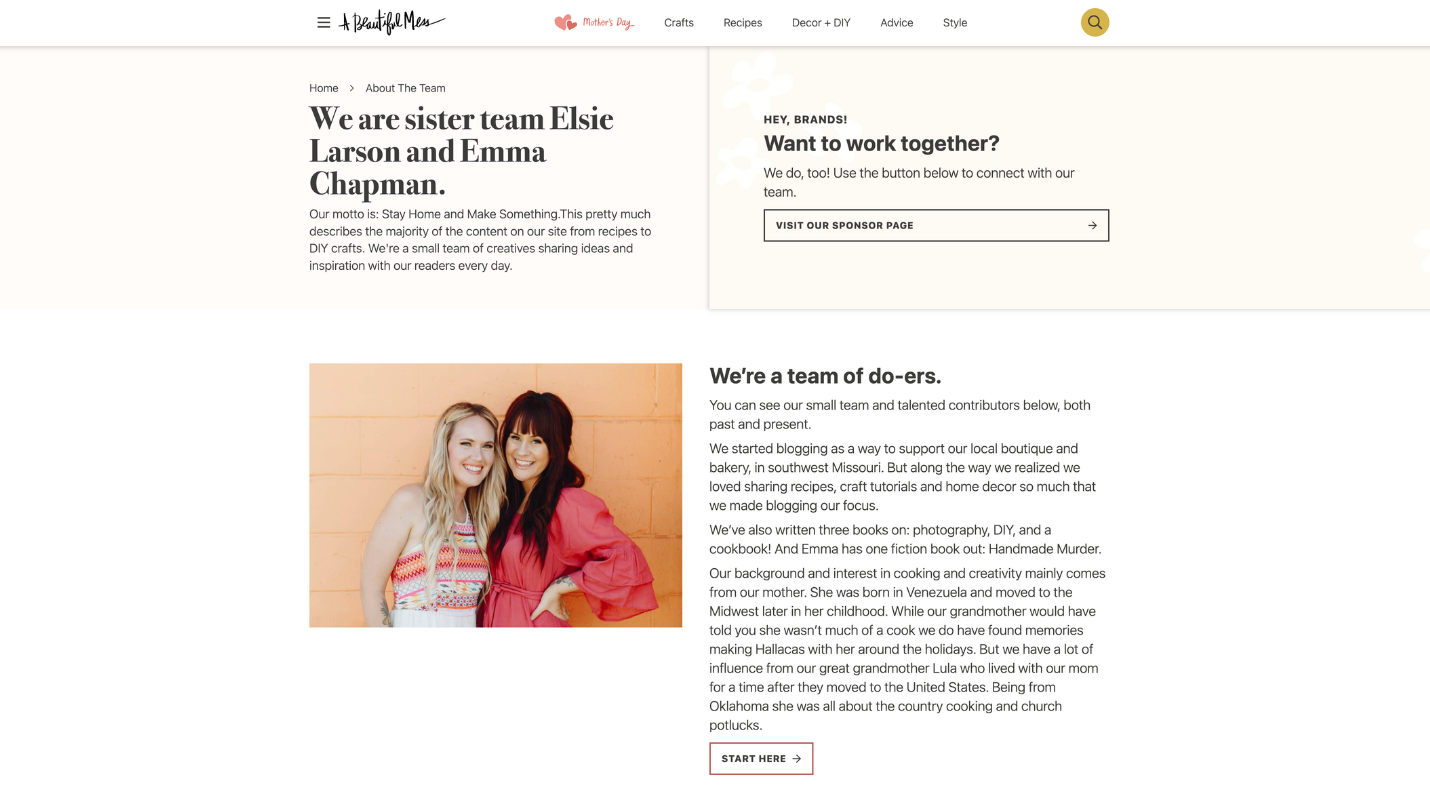
The "About" page is frequently the second most-visited page on any blog. Elsie and Emma of A Beautiful Mess treat this page not as a biography, but as a conversion tool. Their use of bright, bold photography and a concise, catchy introduction serves to immediately orient the reader.
A study by KoMarketing revealed that 52% of visitors want to see "About Us" information on a website’s home page or navigation. The sisters at A Beautiful Mess leverage this by providing a "quick glimpse" into their lives, which establishes an emotional connection before the reader even consumes the primary content. This strategy emphasizes that the blogger is just as important as the blog post.
Case Study 6: Cross-Platform Brand Cohesion
Subject: Chris Ducker
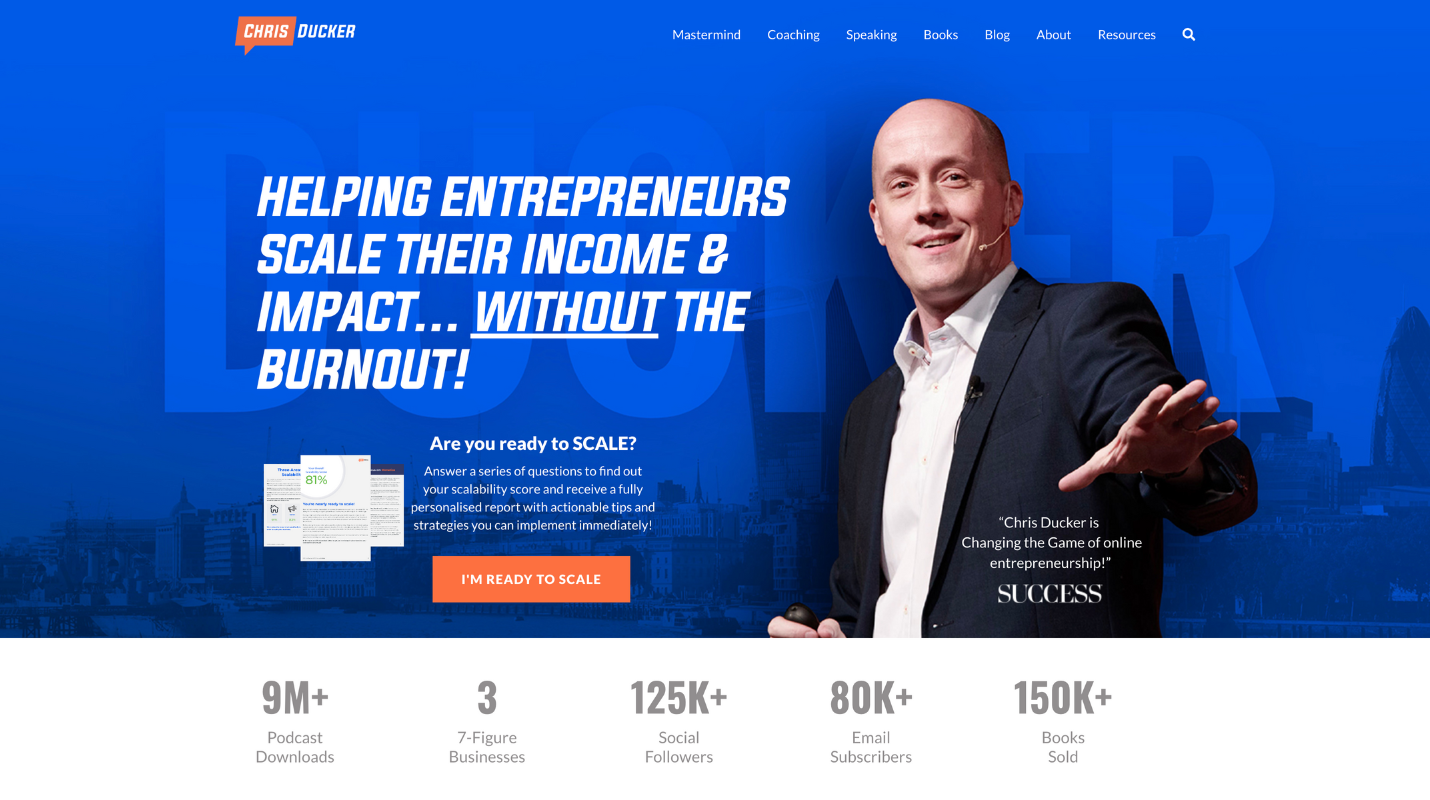
Chris Ducker, the founder of the "Youpreneur" movement, demonstrates the importance of consistency in personal branding. Ducker uses the same professional headshot across his blog, Twitter, Facebook, and LinkedIn. This creates a "unified brand experience," ensuring that regardless of where a user encounters Ducker, the visual identity is identical.
Consistency is a key driver of brand trust. Lucidpress research suggests that consistent brand presentation can increase revenue by up to 23%. Ducker’s approach minimizes cognitive friction for the user, making his personal brand more recognizable in a crowded marketplace.
Case Study 7: Aesthetic Psychology and Color Theory
Subject: Jadah Sellner
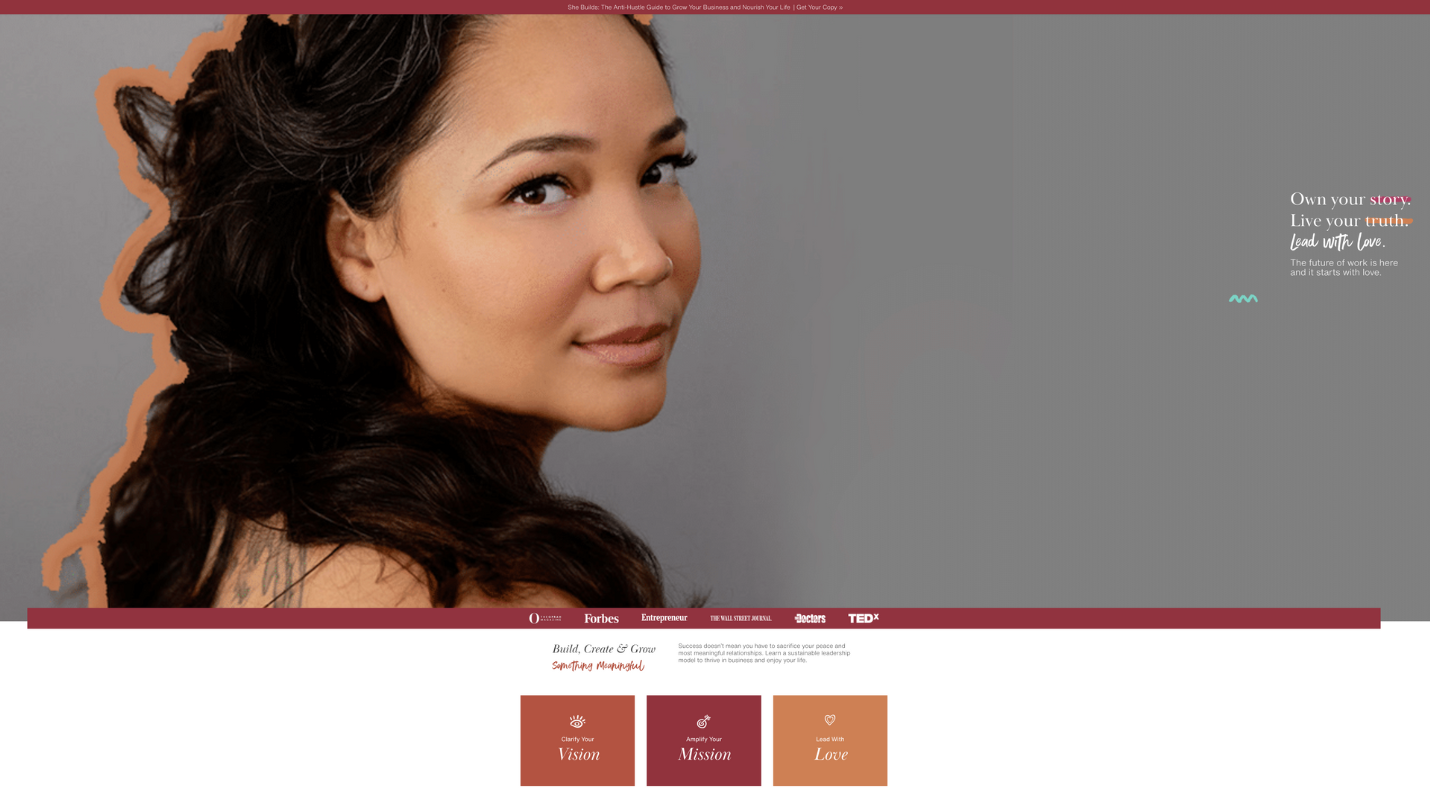
Jadah Sellner utilizes visual harmony to personalize her digital space. Her website features a color palette that extends to her wardrobe in professional photography, creating a seamless, "earthy" aesthetic. This level of detail suggests a high degree of intentionality and professionalism.
Color theory plays a vital role in consumer perception. According to the "Impact of Color on Marketing" study, up to 90% of snap judgments made about products can be based on color alone. Sellner’s use of warm, consistent tones evokes a sense of calm and reliability, which aligns with her brand as a mentor and business coach.
Case Study 8: The Brand Statement as a Value Proposition
Subject: James Schramko, SuperFastBusiness
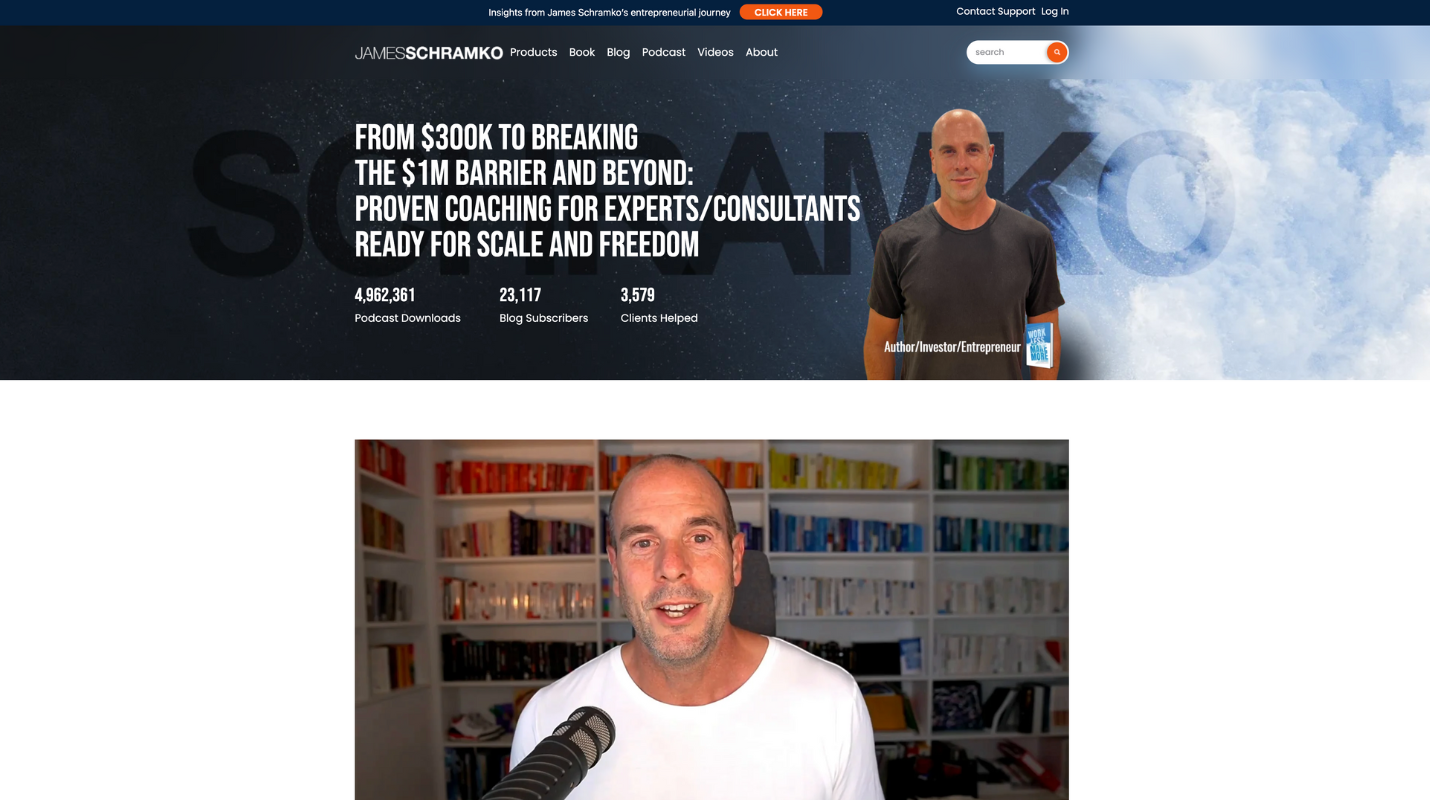
Personalization is often conflated with "talking about oneself," but James Schramko demonstrates that it can also mean "talking directly to the reader." His site features a prominent brand statement that identifies exactly who his services are for and what results they can expect.
This "direct-response" style of personalization removes ambiguity. In a world of infinite choices, readers value clarity. By stating his mission clearly, Schramko personalizes the user experience by making the reader feel "seen" and understood.
Case Study 9: Minimizing Friction through Direct Calls to Action
Subject: Kelly Exeter
Kelly Exeter utilizes a "no-nonsense" approach to personalization. Her site features a tagline and a call to action (CTA) that "cuts straight to the chase." This strategy acknowledges the reader’s time as a valuable commodity.
Effective CTAs are essential for digital growth. Data indicates that personalized CTAs convert 202% better than default versions. Exeter’s method of providing a direct "FIND OUT HERE" button simplifies the user journey, creating a personal sense of guidance rather than a complex sales funnel.
Case Study 10: Psychographic Audience Definition
Subject: Emily, Puttylike
Emily of Puttylike has personalized her blog by defining a new psychographic category: the "Multipotentialite." By giving her audience a name and a definition, she creates a community around a shared identity. Her use of a quiz ("Are You a Multipotentialite?") serves as a highly effective lead magnet.
This approach moves beyond traditional demographics (age, location) and into the realm of shared values and internal struggles. Psychographic targeting allows for much deeper personalization, as the content speaks to the reader’s fundamental nature.
Broader Impact and Implications for the Future of Content
The strategies employed by these ten bloggers highlight a shift in the digital economy. As artificial intelligence becomes increasingly capable of producing informative content, the human element—perspective, personality, and personal history—becomes the only non-commodifiable asset.
Industry analysts suggest that the "Personalization Gap" will widen in the coming years. Blogs that fail to adopt a human-centric approach are likely to see a decline in organic traffic and engagement, as search engines and social media algorithms increasingly prioritize "E-E-A-T" (Experience, Expertise, Authoritativeness, and Trustworthiness).
Ultimately, the personalization of a blog is not a cosmetic upgrade; it is a strategic maneuver designed to foster human connection in a digital age. By integrating visual authenticity, linguistic identity, and clear value propositions, bloggers can move beyond being mere information providers and become influential voices in their respective fields. The success of the creators profiled here suggests that the most effective way to stand out in a global crowd is, paradoxically, to become more specifically oneself.