Ella Zulfa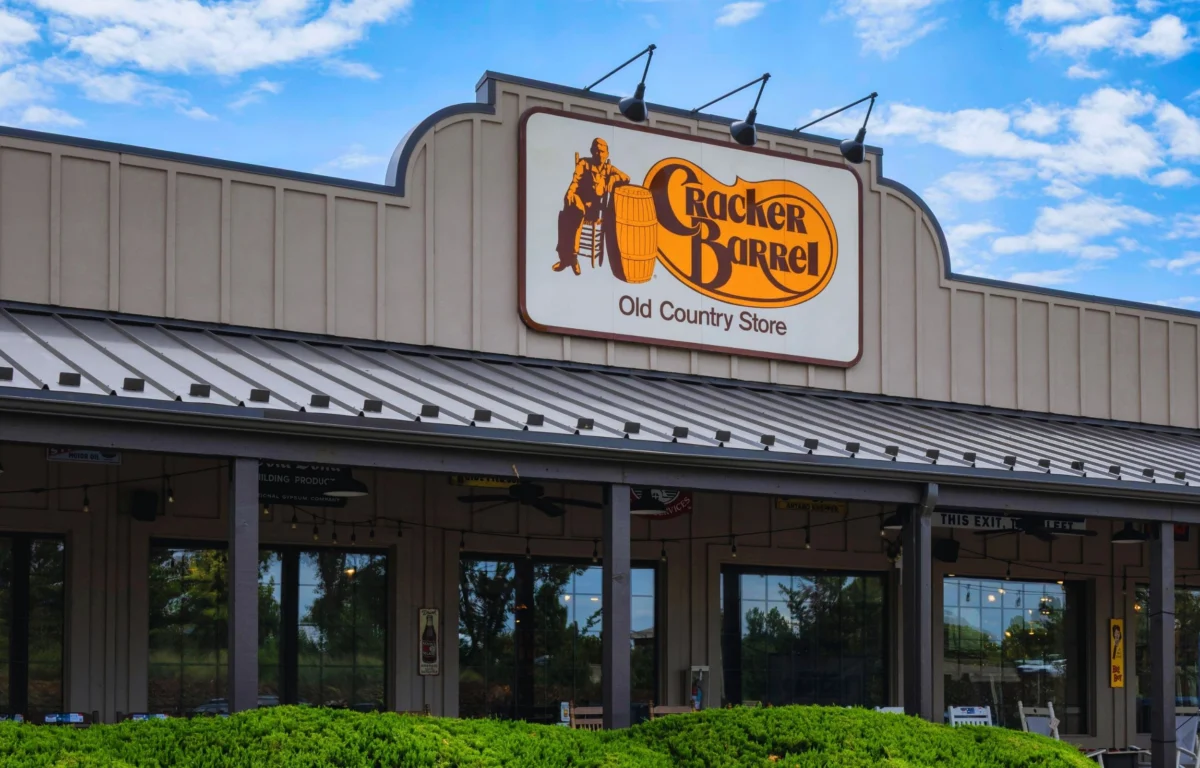
The recent departure of Julie Masino as President of Cracker Barrel Old Country Store offers a complex case study in corporate strategy, brand evolution, and the often-misunderstood nuances of customer sentiment. While Masino’s tenure saw attempts to modernize the beloved brand, culminating in a customer backlash and subsequent reversal, her exit is not solely a consequence of implementing change. Instead, it underscores a critical distinction between gathering data and truly understanding the deep-seated emotional connections customers have with established brands. The narrative that "change is dangerous" and the "status quo is king" is an oversimplification that could lead many companies to costly strategic missteps.
Cracker Barrel, a chain synonymous with comforting, homestyle Southern cuisine and a nostalgic retail experience, found itself at a crossroads. For years, the brand had cultivated a loyal following, many of whom cherished its consistent, familiar atmosphere. However, like many established businesses, Cracker Barrel faced the imperative to adapt to evolving consumer preferences and a changing retail landscape. It was within this context that Masino, who joined the company in 2019, spearheaded initiatives aimed at refreshing the brand’s image and offerings.
The crux of the controversy appears to have stemmed from a rebranding effort that included changes to the store’s retail selection, menu, and potentially even its digital presence. Reports suggest that the company explored introducing more contemporary merchandise and updating menu items, moves that were met with significant resistance from a segment of its core customer base. This resistance was vocal and widespread, quickly escalating beyond typical consumer feedback to capture national attention, even drawing commentary from prominent political figures.
A Timeline of Transformation and Turmoil
The sequence of events leading to Masino’s departure can be broadly outlined:
- Masino’s Appointment and Initial Strategy: Julie Masino took the helm as President of Cracker Barrel in 2019. Her arrival coincided with a period where many legacy brands were re-evaluating their market position. Masino brought experience from roles at Starbucks and McDonald’s, environments where innovation and adaptation are constant. Her mandate, it can be inferred, was to ensure Cracker Barrel remained relevant and appealing to both its existing demographic and potentially new customer segments.
- Modernization Efforts: Over time, Masino initiated a series of changes designed to update the Cracker Barrel experience. These likely included a review and alteration of the retail assortment, which is a significant revenue driver for the company, and potentially subtle adjustments to menu offerings to cater to modern dietary trends or preferences. The company has historically relied on its unique blend of dining and retail, and the intention behind any changes would have been to enhance this duality.
- Customer Backlash: The proposed or implemented changes triggered a strong negative reaction from a substantial portion of Cracker Barrel’s loyal customer base. Social media buzzed with complaints, and traditional media outlets began reporting on the discontent. Many customers expressed feelings of betrayal, viewing the changes as an abandonment of the brand’s core identity and the nostalgic experience they cherished. The sentiment often articulated was that the company was trying to be something it wasn’t, alienating its most devoted patrons in the process.
- Public and Political Scrutiny: The customer outcry gained significant traction, becoming a talking point in broader discussions about corporate responsibility and brand loyalty. The situation escalated to a point where former President Donald Trump publicly commented on the matter, adding a layer of political weight to the consumer backlash. This level of attention amplified the pressure on Cracker Barrel’s leadership.
- Course Correction: Faced with intense public pressure and the potential for lasting damage to its brand equity, Cracker Barrel leadership, under Masino’s direction, announced a reversal of the most contentious changes. This strategic pivot was an attempt to appease the disgruntled customer base and reaffirm the brand’s commitment to its heritage.
- Masino’s Departure: Despite steering the company through this crisis and implementing a course correction, Masino announced her departure from Cracker Barrel. Her exit, occurring relatively soon after the resolution of the public relations storm, has led to interpretations that she was ultimately held accountable for the initial misstep, even if the intent was to foster growth.
The Deeper Failure: Mistaking Data for Understanding
The prevailing takeaway from the Cracker Barrel situation, often distilled into a simple adage like "don’t touch what customers love," misses a crucial underlying issue: the fundamental difference between collecting data and truly understanding customer psychology. Masino, like many executives, likely relied on customer research to inform her strategic decisions. However, the backlash suggests that this research, while perhaps statistically sound in its collection, failed to capture the authentic emotional drivers of customer behavior.
This phenomenon is not unique to Cracker Barrel. The tendency for companies to equate "we did the research" with genuine customer insight is a recurring pitfall. Research, particularly surveys and focus groups, can provide valuable quantitative data, but it often falls short of uncovering the deeply embedded emotional connections that define brand loyalty, especially for brands with a strong heritage.
Consider the classic example of Sony’s Walkman. In 1999, a focus group for a yellow Sport Walkman overwhelmingly praised its "sporty" aesthetic. Yet, when offered a free unit of either black or yellow, every participant chose the black model. This anecdote illustrates a critical divergence: what people say they like in a controlled environment or in response to a direct question can differ significantly from their actual purchasing decisions and behaviors. This disconnect is rooted in the complex interplay of conscious rationalizations and subconscious emotional drivers that govern human decision-making.
Neuroscience research consistently highlights the predominant role of emotion in decision-making, with estimates suggesting that 80% to 90% of choices are driven by feelings rather than pure logic. When customers are asked about a new logo or a product update, they may offer seemingly rational justifications. However, the true impetus behind their loyalty, their potential defection, or their fervent online critiques often lies in deeper, unarticulated feelings related to identity, nostalgia, a sense of ownership, and a perceived threat to something they hold dear.
In the Cracker Barrel case, the customer reaction was not simply about a font or a product change; it was about a perceived violation of their emotional connection to the brand. They felt that a core part of their identity, intertwined with the comfort and familiarity of Cracker Barrel, had been disregarded without their implicit consent. This misinterpretation of sentiment, a failure to translate data into empathetic understanding, is what led to the crisis. It was a translation failure, not necessarily a strategic one at its inception, but one that became a strategic disaster due to the disconnect.
"We Did Customer Research" as an Alibi
The phrase "we did customer research" often serves as a defensive shield for leadership, a means to justify decisions and protect against future blame. This type of research, designed to produce certainty, can inadvertently create an alibi rather than genuine insight. By posing clean, quantifiable questions, companies can obtain neat answers and produce reports that instill confidence. If a decision subsequently falters, the "data" can be presented as evidence of due diligence, absolving leadership of responsibility for the negative outcome.
However, clean answers to shallow questions rarely predict complex human behavior. They might make leadership comfortable making a decision, but they don’t necessarily lead to successful outcomes. The real work of understanding customers is qualitative, often messy, and inherently uncomfortable. It requires delving beyond what customers explicitly state to uncover the emotional terrain beneath their words: their fears of loss, the identities they have attached to a brand, and the unstated expectations that a company might be on the verge of violating.
This deeper understanding cannot be gleaned from a survey with a few predetermined response options. It necessitates digging past the first, often superficial, answer to explore the second and third layers of inquiry that no one initially thought to ask. Most organizations shy away from this deeper exploration because the initial answers are fast, easily quantifiable, and defensible in a board meeting. The subsequent, more nuanced questions are slower, harder to summarize in a presentation slide, and may reveal uncomfortable truths that leadership prefers to avoid. This avoidance is precisely why surprises continue to occur.
Jo-Ellen Pozner, a management professor at Santa Clara University who has commented on the Cracker Barrel situation, rightly points out the importance of the prevailing economic environment. In a shaky economy, consumers often become more protective of their established brands. However, this protectiveness is not a demand for stagnation; it is a plea to be brought along in the evolution of a brand. These are fundamentally different instructions. One requires genuine understanding of the customer’s evolving relationship with the brand, while the other can be met with mere data collection and superficial reassurances.
The Lesson Boards Need, and the One They’re Likely to Learn Instead
Corporate boards and executive leadership face a critical juncture: they must critically assess whether their organization’s "customer research" truly translates customer psychology or merely serves as a perfunctory compliance step before a predetermined decision is made. The more probable outcome, however, is that boards will instead flag every future rebrand, logo tweak, or product evolution as inherently too risky. This will lead to strategic drift and calcification, as companies become paralyzed by the fear of becoming the next Cracker Barrel headline.
The fundamental threat was never change itself; it was a shallow understanding of customer sentiment masquerading as thorough due diligence. The irony is that freezing in place is also a decision, one that carries its own form of research failure. A board that avoids touching a brand due to apprehension about the emotional landscape has, in essence, failed to map that terrain. It is merely betting that nothing will change in the interim, a strategy that is not caution but rather the same alibi, simply presented in a different guise.
Therefore, the critical question for leadership should not be, "Did customers like it?" Instead, the inquiry must shift to, "What were our customers truly afraid of losing, and did anyone genuinely investigate this before the launch?" If the answers to these questions cannot be substantiated with more than a collection of survey scores, then the organization does not possess customer research; it has merely assembled an alibi, a preemptive defense mechanism for when inevitable challenges arise. The Cracker Barrel episode serves as a stark reminder that genuine customer understanding, rooted in empathy and a deep appreciation for emotional connections, is paramount for sustainable brand success.