Gilang Muhammad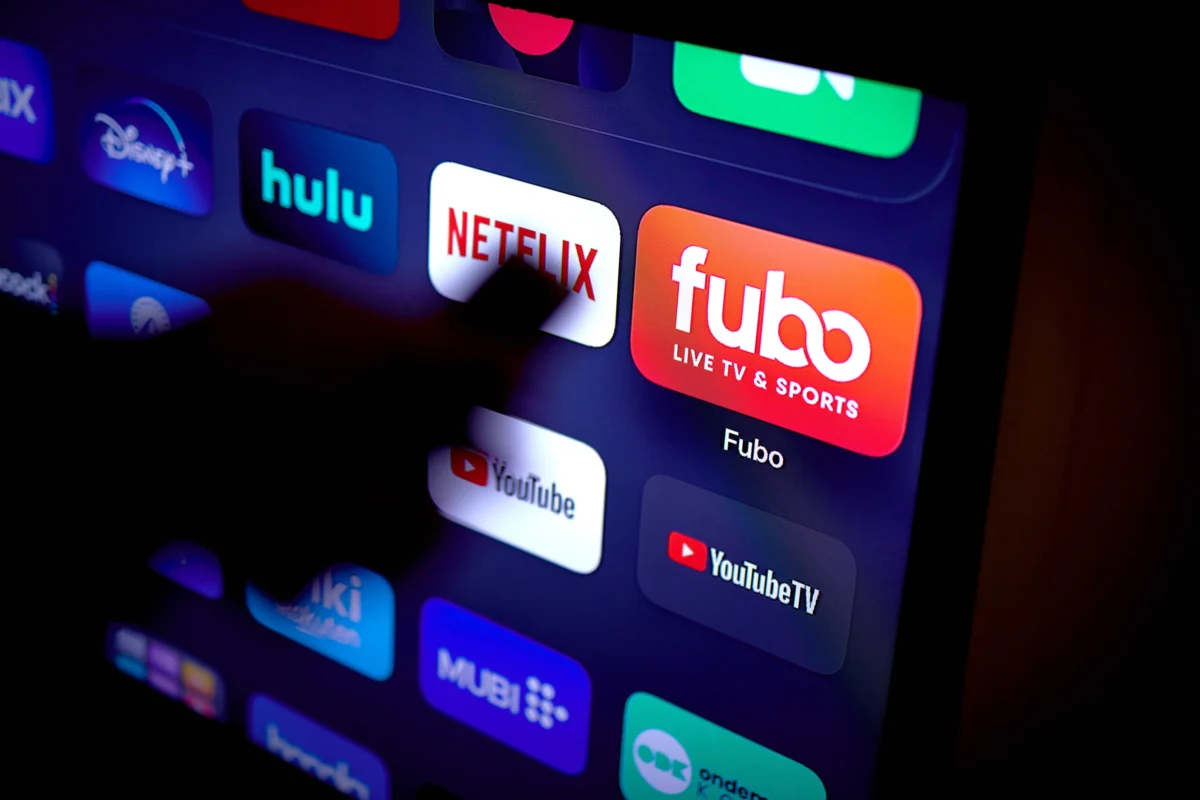
The rising tide of "funflation," a term initially coined to describe the escalating prices of live experiences, has now demonstrably permeated the realm of home entertainment, forcing American consumers to reconsider their cherished at-home pastimes. From video games and streaming services to digital devices, once-affordable leisure activities are increasingly straining household budgets, prompting significant shifts in consumer behavior and raising broader economic concerns. This expansion of inflationary pressures from concerts and sporting events into the living room marks a critical juncture for discretionary spending, particularly for younger demographics who have historically relied on digital entertainment.
For Alyx Green, a 31-year-old graduate student in Illinois, video games have been a consistent source of enjoyment for decades. However, the recent surge in prices for new releases has made this long-standing hobby financially untenable. Instead of purchasing the latest blockbuster titles, Green has adapted by exploring more budget-friendly alternatives from independent studios, revisiting board and card games, or simply watching others play popular games on YouTube. "The price has been going up," Green noted, reflecting a sentiment shared by many, "It’s just hard to keep up." This personal struggle underscores a wider trend observed across the nation, where the cost of digital recreation is now a significant hurdle.
The Evolution of "Funflation": From Stadiums to Screens
The concept of "funflation" gained prominence in the post-pandemic era, as consumers, eager to resume pre-lockdown activities, drove up demand and prices for live events. Concerts saw ticket prices soar, with some major artists commanding hundreds or even thousands of dollars per seat. Sporting events experienced similar increases, with average ticket prices for top-tier games climbing by as much as 25% in recent years, according to industry analyses. This initial wave of "funflation" was largely attributed to pent-up demand, limited supply for premium experiences, and dynamic pricing strategies employed by event organizers.
However, exclusive data analyzed by PNC Financial Services for CNBC reveals a stark new reality: "funflation" is no longer confined to external experiences. In June of the current year, the average U.S. consumer reduced spending on home entertainment compared to the previous year. This pullback was particularly pronounced among Gen Z and Millennial consumers, who each curtailed their transactions by approximately 4%. Brian LeBlanc, PNC’s senior economist, observed, "Funflation is back in 2026. We’re seeing that very clearly in things like travel, entertainment, concerts. Now, we’re also starting to see it more in home leisure." This trend suggests a saturation point has been reached, where even the perceived convenience and affordability of at-home entertainment are being eroded by persistent price hikes.
Gaming Industry Grapples with Escalating Costs
The video game sector, a cornerstone of home entertainment, has been at the forefront of these price increases. Late June saw major announcements from industry giants: Microsoft’s Xbox division and Apple each confirmed price hikes for their respective gaming devices. Apple, in a rare admission, acknowledged that this was "not welcome news" for consumers. A month prior, Nintendo had announced an 11% increase in the U.S. price of its highly anticipated Switch 2 console.
These companies largely attributed the price adjustments to the soaring costs of components, particularly memory chips, driven by an unprecedented surge in demand fueled by the artificial intelligence (AI) boom. The AI industry’s insatiable appetite for advanced semiconductors has created a global memory chip crunch, impacting a wide array of electronic devices. This phenomenon has reversed a decades-long trend of decreasing hardware costs, adjusted for inflation and capacity, which was a hallmark of technological advancement and efficient production. Elizabeth Renter, a senior economist at NerdWallet, commented that this reversal signifies the potential end of disinflationary relief for shoppers in the tech sector.
The gravity of the situation was highlighted by Xbox CEO Asha Sharma, who stated in recent interviews that gaming is becoming increasingly unaffordable for mass audiences. Sharma emphasized Microsoft’s commitment to developing less-costly hardware solutions, acknowledging that "We’ve reached a point where it will be hard to imagine that mass audiences can afford thousands of dollars to spend on a console generation." This concern was underscored by Microsoft’s subsequent announcement in July of layoffs affecting thousands of workers in its Xbox unit and the strategic spin-off of several gaming studios, signaling a broader restructuring in response to market pressures and a shifting economic landscape. Deborah Weinswig, founder of Coresight Research, warned that these increases could indeed price out a significant segment of the consumer base.
"Streamflation": The Rising Tide of Subscription Costs

Beyond gaming hardware, the phenomenon of "streamflation" has become a pervasive challenge for consumers. Major streaming services, once lauded for their cost-effectiveness compared to traditional cable, have systematically raised their subscription prices. This year alone, Netflix, Amazon (for its ad-free Prime Video tier), and Spotify announced increases to their platforms. These moves followed similar adjustments in late 2025 by Disney+ and Warner Bros. Discovery’s HBO Max. Apple TV+ has been particularly aggressive, implementing its third price increase in as many years in mid-2025.
These cumulative increases have transformed the streaming landscape, forcing consumers to engage in a delicate "balancing act" to manage their entertainment budgets. Fiona Williams, a 40-year-old project manager, exemplifies this trend. She regularly subscribes to a service for a specific show or movie, then cancels it once she’s finished, rarely maintaining more than one active subscription at a time. In some instances, she opts out entirely; rather than purchasing a Peacock membership for the newest season of "Love Island," Williams follows key developments through social media clips, circumventing the direct subscription cost.
This pushback has created an opening for alternative models. Tubi, Fox Corp.’s free, ad-supported streaming service, has seen its viewership numbers, in some cases, surpass those of its paid competitors. Executives at Tubi are banking on the premise that consumers, weary of escalating monthly fees, are increasingly willing to tolerate advertisements in exchange for complimentary content. This shift indicates a growing consumer appetite for value, even if it means a return to ad-supported viewing, reminiscent of traditional television models.
Broader Economic Drivers and Consumer Impact
The pressures on home entertainment budgets are not solely a product of corporate pricing strategies but are also deeply intertwined with broader economic forces. The global memory chip crunch, exacerbated by the AI sector’s demands, has pushed up manufacturing costs across the electronics industry. Simultaneously, energy prices have experienced a dramatic escalation. Government data indicates that electricity prices have skyrocketed by 45% since the beginning of 2019. This increase is partially attributable to supply shocks stemming from the Russian invasion of Ukraine in 2022 and further intensified by the war with Iran in 2026. Higher utility costs disproportionately affect those spending more time at home, further squeezing discretionary income.
The Bureau of Labor Statistics (BLS) provides a clear quantitative picture of these shifts. Since the start of 2019, the price of subscribing to or renting videos and video games has surged by a staggering 53%. TV services have climbed by 27%, and music subscriptions by 14%. In stark contrast, recreational book prices have actually fallen by 4% during the same period, offering a rare sanctuary for budget-conscious consumers like Williams, who has increasingly turned to reading.
This widespread "funflation," impacting both out-of-home and in-home activities, has significant implications for overall economic sentiment. PNC’s data analysis indicates that annual inflation in "funflation" categories, such as sporting events and amusement park visits, once again exerted upward pressure on the core Personal Consumption Expenditures (PCE) price index in 2026 – the Federal Reserve policymakers’ preferred measure of inflation.
The return of high-profile events like the FIFA World Cup, co-hosted by the U.S. in 2026, further exemplifies the out-of-home inflationary trend. TicketData reported that the median ticket price for World Cup matches topped $900 this week. When questioned about fan anger over these exorbitant costs, FIFA President Gianni Infantino maintained that attending a match in the U.S. was a "once-in-a-lifetime opportunity," suggesting demand would continue to outstrip supply regardless of price.
Economists warn that the relentless rise in prices for recreational activities, whether digital or physical, can profoundly impact consumer morale and lead to increased economic pessimism. The University of Michigan’s closely watched consumer sentiment index has already plummeted to record lows in recent months, reflecting widespread anxieties about inflation, economic stability, and geopolitical tensions. For individuals like Alyx Green, the student in Illinois, the inability to afford simple distractions carries a heavy emotional toll. "The ability to play games and get out of my own life for a second was a major way for me to have some sort of happiness," Green lamented. "Now, the overall economy is getting worse, and I don’t have any distractions from it." This sentiment highlights the broader societal impact of "funflation," which extends beyond mere financial inconvenience to touch upon mental well-being and access to essential outlets for stress relief in challenging times.
As consumers continue to navigate this evolving landscape, industries reliant on discretionary spending face increasing pressure to innovate and adapt. The future may see a greater emphasis on free-to-play models, ad-supported content, and more tiered pricing structures designed to cater to a wider range of budgets. However, the fundamental challenge of balancing rising production costs with consumer affordability remains a defining characteristic of the current economic environment.