Lina Wu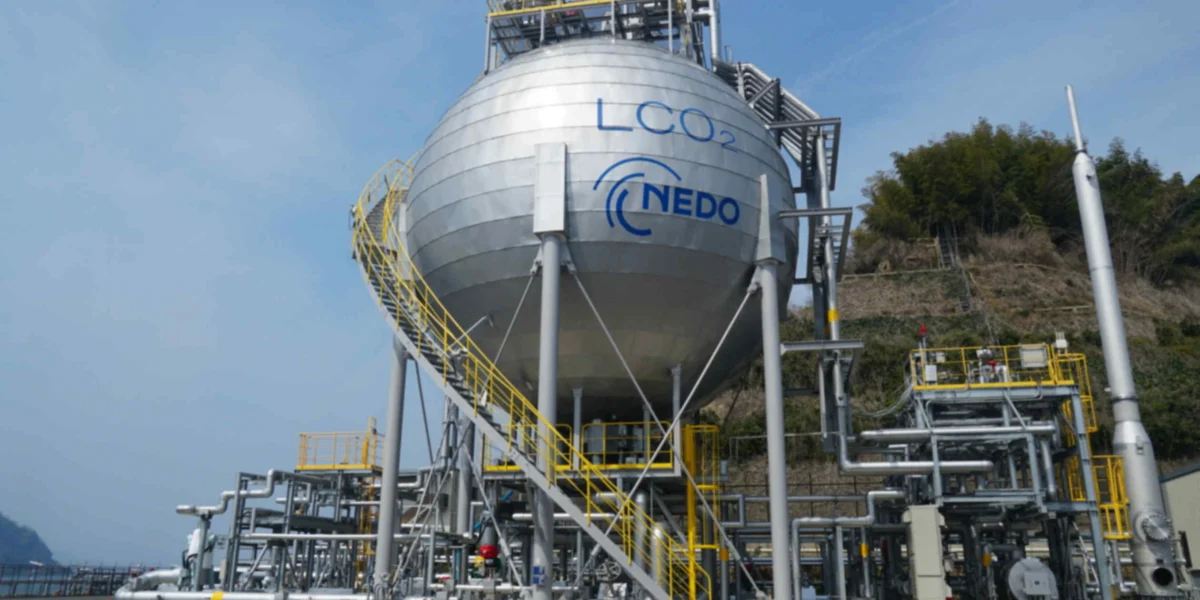
Kansai Electric Power and Kawasaki Heavy Industries are spearheading a significant initiative to develop and deploy advanced carbon dioxide capture and storage (CCS) technology, aiming to achieve reductions of up to 90% in emissions from fossil fuel power plants. The collaboration is poised to see the first operational trials as early as the current fiscal year, marking a critical step in Japan’s efforts to decarbonize its energy sector and meet its climate commitments.
Pioneering CO2 Capture and Transport
The core of this ambitious project involves the successful transportation of captured carbon dioxide from a coal-fired power plant to a remote storage site. Kansai Electric Power, a major utility provider in western Japan, is working in tandem with Kawasaki Heavy Industries, a diversified heavy industrial manufacturer with extensive expertise in engineering and infrastructure. Their joint efforts are focused on demonstrating the viability of a comprehensive CCS chain, from capture at the source to secure long-term storage.
The initial phase of this project is centered on Kansai Electric Power’s Maizuru thermal power plant. This facility is equipped with a CO2 liquefaction tank, a crucial component in preparing the captured carbon for efficient transport and storage. The image accompanying this report, depicting such a tank at the Maizuru plant, underscores the tangible nature of this technological advancement. The captured CO2, once liquefied, can be transported via pipelines or specialized vessels, significantly reducing its volume and facilitating its movement to geological formations suitable for sequestration.
The Urgency of Decarbonization in Japan
Japan, heavily reliant on imported fossil fuels for its energy needs, faces a dual challenge: ensuring energy security while simultaneously addressing its greenhouse gas emissions. As a signatory to the Paris Agreement, Japan has pledged to reduce its carbon emissions by 46% by 2030, with an aspiration to reach 50%, and to achieve carbon neutrality by 2050. Achieving these ambitious targets requires a multifaceted approach, including the widespread adoption of renewable energy sources, advancements in energy efficiency, and the development of innovative emissions reduction technologies like CCS.
Coal-fired power plants, while historically providing a stable and cost-effective energy source, are significant contributors to CO2 emissions. The Intergovernmental Panel on Climate Change (IPCC) has repeatedly highlighted the necessity of CCS as a vital tool in mitigating climate change, particularly for hard-to-abate sectors and existing fossil fuel infrastructure. This project by Kansai Electric Power and Kawasaki Heavy Industries directly addresses this imperative, offering a potential pathway to continue utilizing existing power generation assets while drastically lowering their environmental footprint.
A Timeline of Innovation and Implementation
The pursuit of effective CCS technology in Japan is not a sudden development. It builds upon years of research, development, and pilot projects undertaken by various entities.
- Early 2000s: Initial research and feasibility studies into CCS technologies begin in Japan, driven by growing global concerns about climate change.
- Mid-2000s to 2010s: Several pilot projects focusing on CO2 capture from industrial facilities, including power plants, are initiated. These projects aim to test different capture methods, transportation logistics, and storage techniques.
- Late 2010s: The Japanese government increases its commitment to CCS development, recognizing its strategic importance for achieving climate goals. Funding for research and development, as well as incentives for deployment, are introduced.
- Early 2020s: Kansai Electric Power and Kawasaki Heavy Industries intensify their collaboration, leveraging their respective strengths to develop integrated CCS solutions. This includes advancements in capture efficiency, transportation safety, and the identification of suitable geological storage sites.
- Current Fiscal Year (2026-2027): The project aims for the first operational trials of transporting captured CO2 from the Maizuru thermal power plant. This marks a significant milestone, moving from laboratory and pilot scales to a more integrated demonstration.
- Future Projections: Success in these trials is expected to pave the way for larger-scale deployment, with the ultimate goal of reducing emissions from coal-fired power plants by up to 90%. This could involve retrofitting existing plants or incorporating CCS into the design of new facilities.
Technological Underpinnings and Data
The effectiveness of CCS hinges on several key technological components:
- Carbon Capture: Various methods exist, including post-combustion capture (separating CO2 from flue gases after fuel combustion), pre-combustion capture (removing CO2 before combustion), and oxy-fuel combustion (burning fuel in pure oxygen to produce a more concentrated CO2 stream). The Maizuru plant likely employs post-combustion capture, a widely applicable technology for existing facilities. Advanced solvent-based or membrane-based capture systems are being refined to improve efficiency and reduce energy penalties associated with the capture process.
- CO2 Transport: Once captured, CO2 is typically compressed and liquefied. This allows for transport via pipelines, similar to natural gas, or by ships designed for carrying liquefied gases. The distance and volume of CO2 to be transported influence the choice of method. For Kansai Electric Power’s project, the "remote location" suggests a need for robust and scalable transportation solutions.
- CO2 Storage (Sequestration): The most common method for long-term storage is geological sequestration, where CO2 is injected deep underground into porous rock formations, such as depleted oil and gas reservoirs or saline aquifers. These formations are capped by impermeable layers of rock, preventing the CO2 from migrating to the surface. Extensive geological surveys and monitoring are crucial to ensure the safety and permanence of the storage.
Supporting Data and Projections:
- A typical coal-fired power plant can emit millions of tons of CO2 annually. For instance, a 500-megawatt coal plant might release approximately 3 million tons of CO2 per year.
- A 90% reduction target means capturing and storing over 2.7 million tons of CO2 per year from such a plant.
- The global CCS market is projected to grow significantly. Reports from various market research firms indicate a compound annual growth rate (CAGR) of 10-15% in the coming decade, driven by climate policies and corporate sustainability goals.
- The cost of CCS technology is a significant factor. While initial costs are high, economies of scale, technological improvements, and carbon pricing mechanisms are expected to drive down expenses. Current estimates for post-combustion capture can range from $40 to $100 per ton of CO2 captured and stored, depending on the specific technology and project scale.
Reactions and Implications
The initiative by Kansai Electric Power and Kawasaki Heavy Industries is likely to be met with keen interest from various stakeholders.
Government Response: The Japanese government, which has been actively promoting CCS development through subsidies and policy support, will view this project as a crucial step towards achieving national climate targets. Officials from the Ministry of Economy, Trade and Industry (METI) are expected to closely monitor the progress and potentially offer further incentives for commercialization.
Industry Peers: Other Japanese power companies, such as Tokyo Electric Power Company (TEPCO) and Chubu Electric Power, which also operate fossil fuel power plants, will be observing the outcomes of this project. Successful demonstration of efficient and cost-effective CCS could encourage similar investments across the sector.
Environmental Groups: While some environmental organizations remain skeptical of CCS, viewing it as a potential distraction from the urgent transition to renewable energy, others acknowledge its role in decarbonizing hard-to-abate sectors. The success of this project could be seen as a positive development if accompanied by a clear commitment to phasing out fossil fuels in the long term.
International Context: This endeavor places Japan at the forefront of CCS innovation in Asia. As other nations grapple with similar decarbonization challenges, Japan’s advancements could serve as a model and catalyst for wider adoption of the technology.
Broader Impact and Future Outlook
The successful implementation of this CO2 capture and storage technology by Kansai Electric Power and Kawasaki Heavy Industries carries profound implications for Japan’s energy future and its global climate commitments.
Decarbonizing Existing Infrastructure: The ability to retrofit existing coal-fired power plants with effective CCS systems offers a pragmatic solution to reduce emissions from a substantial portion of the current energy infrastructure, thereby extending their operational life while aligning with climate goals. This is particularly important given the significant capital investment already made in these facilities.
Economic Opportunities: The development and deployment of CCS technology can spur economic growth, creating new jobs in engineering, manufacturing, construction, and operation. It also positions Japanese companies as leaders in a burgeoning global market for climate mitigation technologies.
Energy Security: By enabling the continued, albeit cleaner, use of domestic coal resources, CCS can contribute to Japan’s energy security by reducing its reliance on imported fossil fuels, a vulnerability exposed by geopolitical instabilities.
Technological Advancement: This project represents a significant leap forward in integrated CCS solutions. The lessons learned in capturing, liquefying, transporting, and storing CO2 will contribute to a deeper understanding of the entire CCS value chain, fostering further innovation and cost reductions.
However, challenges remain. The long-term safety and monitoring of CO2 storage sites are critical to prevent leakage and ensure environmental integrity. The energy required for the capture process can also reduce the net energy output of a power plant, necessitating efficient capture technologies. Furthermore, the cost of implementing CCS at a large scale remains a significant hurdle, requiring sustained policy support and market mechanisms, such as carbon pricing, to make it economically viable.
Despite these challenges, the commitment shown by Kansai Electric Power and Kawasaki Heavy Industries underscores a determined effort by Japan to explore all viable avenues for achieving its ambitious decarbonization targets. This initiative is not just about technological advancement; it represents a strategic investment in a sustainable energy future for the nation. The coming years will be pivotal in determining the ultimate success and widespread adoption of this crucial climate mitigation technology.