Lina Wu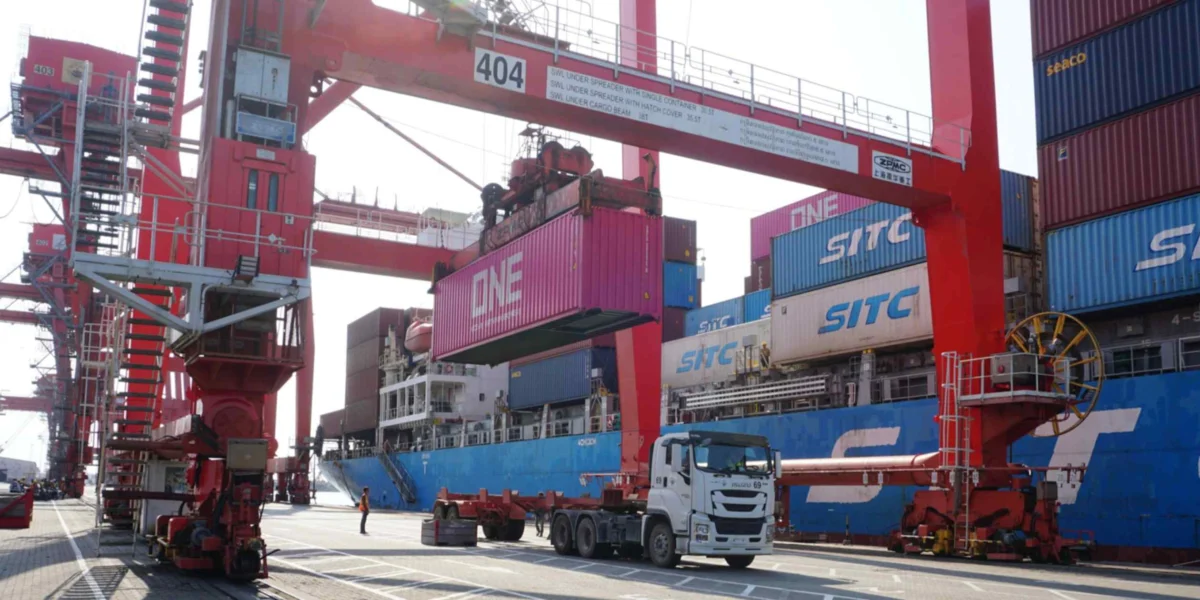
A critical maritime gateway in Cambodia, Sihanoukville Port, has emerged as an indispensable lifeline for Japanese multinational corporations facing severe disruptions to their traditional overland trade routes into Thailand. However, the escalating costs associated with utilizing this vital shipping hub are now prompting a chorus of calls from these businesses for substantial fee reductions. The port’s growing importance, particularly following Cambodia’s decision to close its land border with Thailand, has amplified concerns over the financial burden imposed by its current fee structure, impacting supply chain efficiency and profitability for a significant number of Japanese enterprises operating within Southeast Asia.
The Shifting Sands of Southeast Asian Logistics
The geopolitical landscape and evolving trade policies in Southeast Asia have necessitated a rapid adaptation of supply chain strategies for businesses with operations in the region. For many Japanese manufacturers and distributors, Thailand has long served as a central hub for production, assembly, and onward distribution to neighboring countries. The primary overland route, typically traversing the border between Cambodia and Thailand, has historically been the most cost-effective and efficient method for transporting goods. However, recent policy shifts and border control measures implemented by Cambodia have effectively curtailed this vital artery, forcing companies to seek alternative solutions.
The closure of the land border with Thailand, a measure ostensibly aimed at enhancing border security and regulating cross-border traffic, has had a profound and immediate impact on businesses reliant on this conduit. This abrupt severance of a well-established logistical pathway has created a vacuum that Sihanoukville Port, Cambodia’s deepest natural harbor and a strategic deep-sea port, has begun to fill. The port has witnessed a significant surge in cargo volume as companies reroute their shipments, opting for maritime transport to bypass the now-restricted land routes. This shift, while providing a much-needed alternative, has inadvertently exposed a new set of challenges related to the cost of operations at the Cambodian facility.
Sihanoukville Port: A Growing Hub Under Scrutiny
Sihanoukville Port, located on the coast of the Gulf of Thailand, has undergone substantial development in recent years, transforming it into a modern and capable maritime terminal. Its strategic location offers access to international shipping lanes, making it an attractive option for regional trade. The recent surge in demand, driven by the overland route closures, has underscored its importance as a key node in the regional supply chain network. Official figures from the Sihanoukville Autonomous Port (PAS) indicate a notable increase in container throughput in the period following the border restrictions. While specific comparative data for the exact period of the border closure and its immediate aftermath is still being compiled, anecdotal evidence from shipping agencies and logistics providers points to a sustained uptick in vessel calls and cargo handling.
The port’s expanded capacity and improved infrastructure have been crucial in accommodating the increased traffic. However, the fees levied by the port authority, encompassing handling charges, demurrage, and other associated costs, have become a point of contention. Japanese companies, many of whom have long-standing and meticulously managed cost structures, are finding these fees to be significantly higher than anticipated, eroding profit margins and impacting their competitive edge in the market.
The Financial Strain on Japanese Businesses
For Japanese multinationals, the increased cost of utilizing Sihanoukville Port translates into a direct increase in their cost of goods sold. This has a cascading effect, potentially leading to higher prices for consumers in Thailand and other neighboring markets, or a reduction in profitability for the companies themselves. Several Japanese firms, operating in sectors ranging from automotive parts and electronics to consumer goods, have publicly expressed their concerns regarding the elevated fees.
One anonymous executive from a major Japanese electronics manufacturer, speaking on condition of anonymity due to the sensitive nature of ongoing negotiations, stated, "We understand the necessity of adapting to new logistical realities. However, the current fee structure at Sihanoukville Port is proving to be a significant financial impediment. We are exploring all avenues to mitigate these costs, as it directly impacts our ability to remain competitive in the region."
Another representative from a Japanese automotive supplier highlighted the long-term implications: "While Sihanoukville Port is a viable alternative, the sustained high costs could force us to re-evaluate our production and distribution strategies in Southeast Asia. This is not a decision we take lightly, but the financial burden is becoming unsustainable."
Timeline of Disruptions and Emerging Solutions
The disruption to overland trade routes began to intensify in late 2025, with more stringent border enforcement measures gradually implemented. By early 2026, the impact on freight movement had become pronounced, leading many companies to actively seek alternative shipping solutions. Sihanoukville Port, with its existing infrastructure and increasing capacity, quickly became the most viable option for many.
Key Chronological Markers:
- Late 2025: Gradual increase in border control measures between Cambodia and Thailand, leading to delays and increased scrutiny of overland freight.
- Early 2026: Significant disruption to traditional overland logistics; companies begin actively seeking alternative routes.
- Mid-2026: Sihanoukville Port experiences a substantial rise in cargo volume as companies reroute shipments. Initial concerns about elevated port fees begin to surface.
- Late 2026 (current period): Japanese companies formally begin to voice their concerns and call for fee reductions, engaging in discussions with port authorities and relevant government bodies.
The situation is dynamic, with ongoing discussions and negotiations between Japanese business associations, individual companies, and the Cambodian authorities responsible for port management and trade policy. The objective is to find a mutually beneficial solution that acknowledges the port’s operational costs while ensuring its continued viability as a key logistical hub for regional trade.
Data and Supporting Evidence
While precise, publicly released data detailing the exact fee increases and their direct impact on specific companies remains proprietary, industry analysts and logistics experts have observed several key trends:
- Increased Port Utilization: Reports from maritime tracking services and shipping agencies indicate a consistent rise in the number of vessels calling at Sihanoukville Port, as well as an increase in the tonnage of goods handled. This directly correlates with the rerouting of trade away from land borders.
- Higher Shipping Costs: Anecdotal evidence from freight forwarders and logistics managers suggests that the overall cost of shipping via Sihanoukville Port, when factoring in all associated port charges, has risen by an estimated 15-25% compared to pre-disruption overland routes. This figure can vary significantly depending on the type of cargo, volume, and specific services utilized.
- Container Congestion and Demurrage: With the increased volume, there have been reports of occasional container congestion at the port, leading to potential increases in demurrage charges if containers are not processed and cleared in a timely manner. This further adds to the financial burden.
The Cambodian government has invested heavily in the development of Sihanoukville Port, recognizing its strategic importance for economic growth and regional connectivity. This investment has been supported by various international partners, including China, which has played a significant role in infrastructure development. The aim has been to position Cambodia as a key transit and logistics hub within the ASEAN region. However, the current cost structure needs to be balanced against the need to attract and retain international trade volume.
Official Responses and Potential Ramifications
The Cambodian government and the management of Sihanoukville Autonomous Port (PAS) are reportedly aware of the concerns raised by Japanese businesses. While official statements have been measured, there are indications that discussions are underway to address the issue. Potential responses could include:
- Review of Fee Structures: A comprehensive review of the current port fees, with a view to identifying areas where reductions might be feasible without compromising operational efficiency or necessary investment.
- Volume-Based Discounts: The implementation of tiered pricing or volume-based discounts for regular and high-volume users of the port.
- Streamlined Customs and Administrative Processes: Efforts to further expedite customs clearance and other administrative procedures at the port, which can indirectly reduce costs by minimizing dwell times for cargo.
- Incentive Programs: The introduction of specific incentive programs designed to attract and retain key international trading partners, such as Japanese companies.
The ramifications of failing to address these concerns could be significant. If the cost of using Sihanoukville Port remains prohibitively high, Japanese companies might be compelled to explore alternative regional hubs or even re-evaluate their manufacturing and supply chain footprints in Southeast Asia. This could lead to a diversion of trade away from Cambodia, impacting its economic development aspirations and its role as a regional logistics provider. Conversely, a proactive and accommodating response from the Cambodian authorities could solidify Sihanoukville Port’s position as a crucial and competitive gateway, fostering stronger economic ties with Japan and other international partners.
Broader Implications for Regional Trade
The situation at Sihanoukville Port is emblematic of the broader challenges and opportunities facing regional trade in Southeast Asia. As countries navigate evolving geopolitical alliances, trade agreements, and national economic priorities, the adaptability and cost-effectiveness of logistics infrastructure become paramount.
The reliance on a single port as a critical alternative route highlights the need for diversification and redundancy in supply chain networks. Companies are increasingly looking beyond single points of failure and exploring multi-modal transportation options and alternative port facilities across the region.
For Cambodia, the current situation presents a critical juncture. By successfully managing the current challenges and demonstrating a commitment to fair and competitive pricing, the country can cement its reputation as a reliable and attractive partner for international trade. Failure to do so could undermine its ambitions to become a major logistics hub, potentially impacting foreign investment and economic growth. The ongoing dialogue between Japanese businesses and Cambodian authorities will be closely watched as a bellwether for the future of trade facilitation in this strategically important region. The outcome will not only affect Japanese companies but also shape the broader landscape of intra-ASEAN commerce and international supply chain resilience.