Putri Inara
The digital publishing industry increasingly recognizes that the strategic composition of a headline is the primary determinant of a content piece’s lifecycle and reach. In an era defined by the "attention economy," the few words comprising a blog post title serve as the fundamental gateway between a creator’s output and a potential audience. Industry data suggests that while eight out of ten people will read headline copy, only two out of ten will proceed to read the rest of the article. This statistical reality underscores the assertion that the title is the most powerful component of any digital publication, dictating whether a post achieves viral status or remains stagnant in digital archives.
The Strategic Importance of the Digital Headline
A blog post title functions as more than a mere label; it is a versatile asset that appears across multiple digital touchpoints. These include Search Engine Results Pages (SERPs), RSS feeds, social media shares, and internal site directories. In each of these contexts, the title is often the solitary piece of information available to a user before they decide to commit their time to the full text.
The professional consensus, echoed by advertising pioneer David Ogilvy in his seminal work Ogilvy on Advertising, is that the sole purpose of a headline is to compel the reader to engage with the first sentence of the content. If a title is overly complex, confusing, or fails to pique interest, the quality of the underlying content becomes irrelevant, as the barrier to entry remains unbreached.
The Evolution of Headline Copywriting: A Chronological Perspective
The methodology of crafting titles has evolved significantly alongside the technology used to consume information.

- The Print Era (Pre-1990s): Headlines were designed for static environments like newspapers and billboards. The focus was on cleverness and brevity to fit physical space constraints.
- The Early Web and Blog Boom (1990s–2005): With the rise of personal blogging, titles became more descriptive, though often lacked technical optimization.
- The SEO Revolution (2005–2012): The dominance of search engines forced writers to prioritize keywords over creativity. Titles became functional, often at the expense of human engagement.
- The Social Media and Viral Era (2012–2018): Platforms like Buzzfeed and Upworthy introduced the "curiosity gap," leading to the rise of clickbait. This period focused heavily on emotional triggers.
- The Utility and E-E-A-T Era (2018–Present): Modern algorithms, particularly Google’s emphasis on Experience, Expertise, Authoritativeness, and Trustworthiness (E-E-A-T), have shifted the focus back to value-driven, honest, and high-utility titles.
Core Strategies for High-Performance Headlines
To navigate the current digital landscape, content strategists utilize eight specific techniques to maximize click-through rates (CTR) and user retention.
1. Direct Communication of Value and Benefit
The most effective headlines identify a specific need and promise a solution. Data from marketing analytics firms indicates that "How-to" titles and listicles (e.g., "10 Ways to…") consistently outperform vague or metaphorical headings. By screaming the benefit to the reader—such as "How to Hold a Digital Camera" or "10 Ways to Take Stunning Portraits"—the author targets a specific demographic with an immediate problem, increasing the likelihood of a qualified click.
2. Strategic Use of Controversy and Debate
Opinion-driven or controversial titles tap into the psychological drive for debate. When a headline challenges a status quo or takes a firm stance on a polarizing topic, it piques curiosity. However, industry analysts warn that this technique requires substantive content to back up the claim; otherwise, it risks damaging the publisher’s long-term credibility.
3. The Interrogative Approach
Questions are naturally engaging because they prompt the human brain to seek an answer. When a title asks a direct question, especially one utilizing the second-person pronoun "you," it creates an immediate personal connection. This technique is notably effective for driving engagement in comment sections, as it frames the content as a dialogue rather than a lecture.
4. Personalization and Direct Address
Personalization in headlines involves using language that makes the reader feel as though the content was tailored specifically for them. The inclusion of the word "your" (e.g., "21 Ways to Make Your Blog Sticky") transforms a general tip into a personal directive. Case studies in digital marketing show that personalized headlines can see a 20-30% increase in engagement compared to generic alternatives.

5. Algorithmic Optimization through Keywords
Keywords serve a dual purpose: they signal relevance to search engine crawlers and provide immediate context to human readers. Professional copywriters suggest placing primary keywords at the beginning of the title to improve Search Engine Optimization (SEO). This is particularly crucial for content revolving around specific products, brands, or public figures, which are high-volume search terms.
6. Implementation of Psychological Power Words
Certain words are documented to trigger stronger emotional or cognitive responses. Terms such as "Surprising," "Critical," "Ultimate," or "Free" can significantly alter the perceived value of a post. However, experts advise caution; overusing these terms can lead to "headline fatigue" or skepticism among savvy digital consumers.
7. High-Stakes Claims and Guarantees
Making a "big claim" or a significant promise in a title is an extension of the benefit-driven strategy. It guarantees a result that is too substantial to ignore. While highly effective at capturing attention, the failure to deliver on a massive promise within the article body is a primary cause of high bounce rates.
8. The Calculated Use of Humor
Humor can humanize a brand and make a post stand out in a sea of formal headlines. However, this is considered a high-risk strategy. Humor is subjective and often fails to translate across different cultures or demographics. Furthermore, humorous titles frequently lack the keywords necessary for SEO, potentially limiting the post’s discoverability.
Technical Standards and Best Practices
Beyond the creative elements, several technical constraints dictate the success of a blog post title.
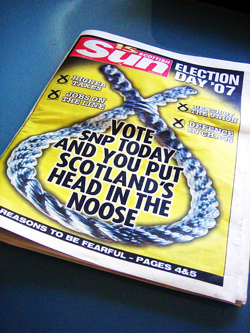
- Length and Truncation: Search engines typically display only the first 60 to 70 characters of a title. Titles exceeding this limit are truncated in search results, which can obscure the most important information or the call to action.
- Punctuation and Flow: Modern digital copywriting often discourages the use of periods (full stops) at the end of headlines. Linguists suggest that a period creates a psychological "stop" for the reader, whereas an open-ended headline encourages them to continue into the body of the text.
- Mobile-First Formatting: With over 50% of global web traffic originating from mobile devices, titles must be legible and impactful on smaller screens, where visual real-estate is at a premium.
Expert Analysis: The Shift from Clickbait to Quality
Industry analysts observe that the "clickbait" era is being superseded by a "value-first" era. Major platforms, including Facebook and Google, have updated their algorithms to penalize headlines that are intentionally deceptive or withhold crucial information just to force a click.
"The goal is no longer just to get the click," states a report on digital media trends. "The goal is to get the right click. A headline that accurately reflects the value of the content leads to longer dwell times and higher conversion rates, which are the metrics that search engines now prioritize."
Broader Implications for Content Creators
The mastery of headline writing has become a non-negotiable skill for digital professionals. In the current landscape, the title is the primary tool for brand positioning. A publisher that consistently delivers titles that are both engaging and honest builds a "trust surplus" with their audience. Conversely, those who prioritize short-term traffic through sensationalism often suffer from declining authority scores.
As artificial intelligence begins to play a larger role in content generation, the human element of "crafting" a title—understanding nuance, empathy, and cultural context—remains a significant competitive advantage. The ability to pause and invest extra effort into these few words is what distinguishes professional digital journalism from the noise of the general internet.
In conclusion, the destiny of a blog post is indeed decided before the reader ever reaches the first paragraph. By applying a blend of psychological triggers, technical SEO, and honest value propositions, creators can ensure their work achieves the visibility and impact it deserves in an increasingly crowded digital marketplace.