Ena Muazin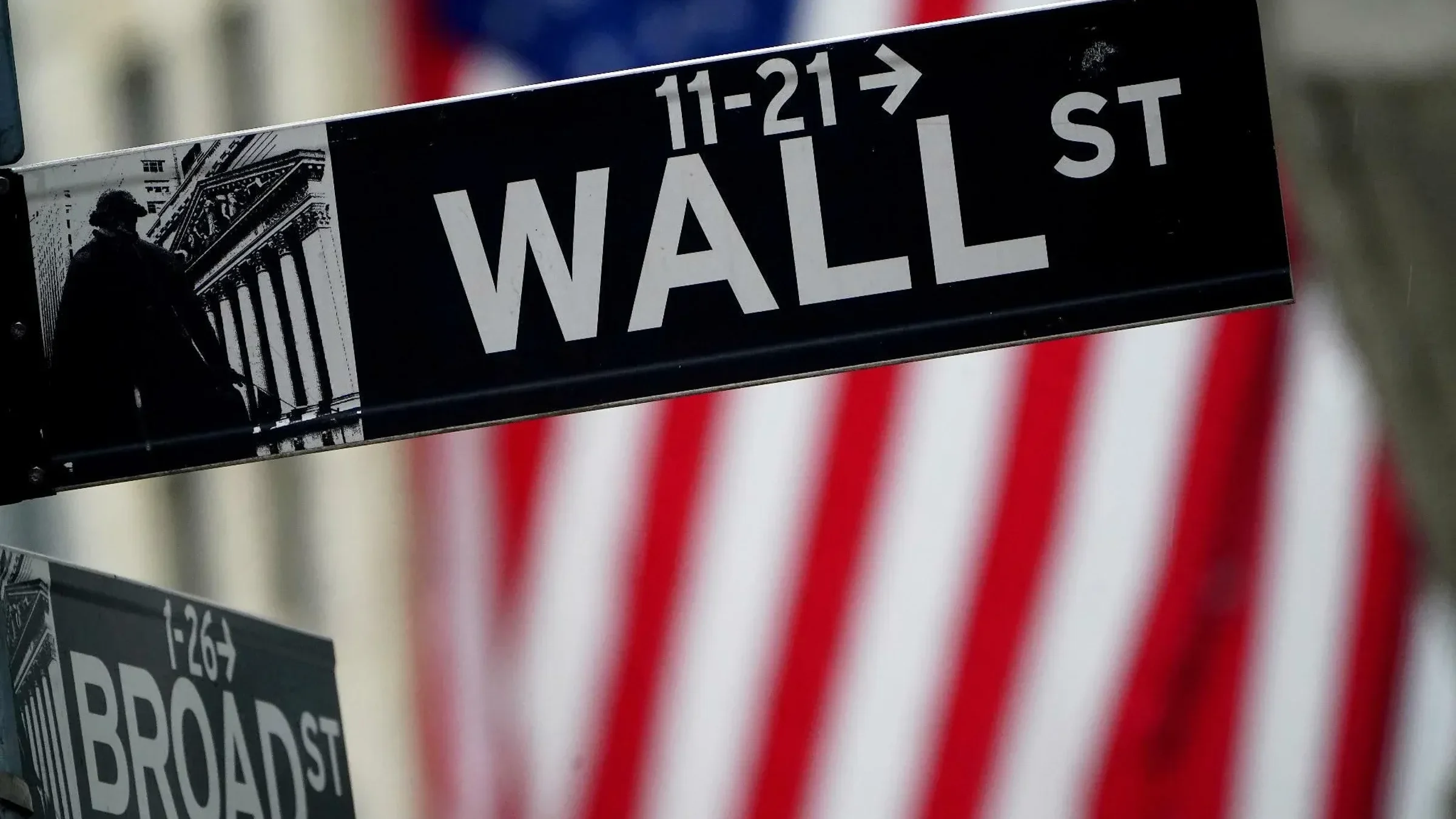
New York – Following a period of dynamic upward momentum that saw major indices scale new heights, investors on Wall Street adopted a more cautious stance on Thursday. The key market benchmarks, which had recently notched several historical records, concluded the trading session with mixed results, signaling a pause in the relentless surge that has characterized recent weeks. This period of consolidation comes as the market navigates a complex landscape of strong corporate earnings, evolving geopolitical developments, and an underlying undercurrent of investor sentiment that is increasingly focused on sustainability and future growth drivers.
A Market on High Ground: Recent Performance and Underlying Drivers
The United States stock markets have been operating at elevated levels, propelled by significant gains in the preceding days. This impressive performance has been underpinned by a confluence of factors, including a robust earnings season that has largely exceeded expectations and, more recently, perceived progress in negotiations related to the Iran conflict. These positive developments have contributed to an optimistic market atmosphere, encouraging a sustained upward trend in equity valuations.
The strength of corporate America has been a primary driver. Companies across various sectors have reported strong financial results, demonstrating resilience and profitability even amidst lingering economic uncertainties. This consistent delivery of positive earnings has provided a solid foundation for the market’s ascent, instilling confidence among investors and fueling further investment. The ability of businesses to navigate challenges and deliver shareholder value has been a key narrative shaping market sentiment.
Geopolitical Ripples: The Iran Negotiations and Their Market Impact
Adding another layer to the market’s narrative has been the evolving situation surrounding Iran. U.S. President Donald Trump has, at various points, expressed a desire for an agreement with Iran, a stance that has periodically injected a degree of optimism into global markets. While specific details regarding potential discussions have remained scarce, the mere possibility of diplomatic engagement has been enough to influence commodity prices and broader market sentiment.
Reports suggesting that Iran and Oman were coordinating on maritime shipping routes through the Strait of Hormuz, a vital chokepoint for global oil supply, initially offered a temporary reprieve in oil prices. However, the impact on crude futures proved to be short-lived. As of Thursday, the price of a barrel of North Sea Brent crude for October delivery hovered around $80, while a barrel of U.S. West Texas Intermediate (WTI) was trading near $76. This resilience in oil prices, despite the diplomatic overtures, underscores the persistent underlying supply and demand dynamics, as well as the lingering geopolitical risks that continue to cast a shadow over the energy markets.
The Sustainability Question: Are Gains Built to Last?
A critical question facing market participants is the sustainability of these recent positive developments. While the current market environment has been characterized by strong performance, analysts are urging caution against premature optimism. The diplomatic landscape, particularly concerning Iran, remains fluid and prone to sudden shifts.
Frank Sohlleder, an analyst at Activtrades, articulated this sentiment, warning against an overly optimistic outlook. "Depending on which direction the diplomatic pendulum swings, there are immediate reactions on the energy market that would directly impact the stock markets," he stated. This highlights the interconnectedness of geopolitical events and financial markets, where even tentative diplomatic progress can be swiftly overshadowed by renewed tensions or outright conflict. The energy sector, in particular, is highly sensitive to such developments, and any disruption to oil supply or transit routes can have cascading effects across the global economy and, by extension, the equity markets.
Shifting Investor Expectations: Beyond Just "Good Performance"
The sentiment on Wall Street is also being shaped by a recalcitrant demand for exceptionally strong performance, even from companies that are demonstrably doing well. This was underscored by commentary from Markus Koch, who noted that expectations on Wall Street have risen significantly beyond simply achieving "good performance." In a market that has experienced such rapid and substantial gains, investors are increasingly looking for companies to not only meet but significantly exceed existing expectations to justify current valuations.
This heightened bar for success means that even companies delivering solid quarterly reports, such as some tech firms like Sandisk (though Sandisk’s specific report details are not provided here, the context implies a scenario where strong results are met with a muted or negative stock reaction), may find their shares facing headwinds. The market’s appetite for growth is voracious, and any perceived shortfall, however minor, can lead to a disproportionate sell-off as investors re-evaluate their positions and seek out the next growth frontier. This dynamic can create volatility, as the market grapples with the challenge of identifying future winners in an environment where valuations are already stretched.
The Broader Economic Landscape: Inflation, Interest Rates, and Global Trade
Beyond the immediate catalysts of corporate earnings and geopolitical events, the broader economic backdrop continues to play a significant role in shaping market sentiment. Persistent concerns about inflation and the future trajectory of interest rates remain at the forefront of investor minds. While the Federal Reserve has signaled a measured approach to monetary policy tightening, any unexpected shifts in inflation data or central bank commentary can trigger significant market reactions.
Furthermore, the global trade environment continues to be a source of uncertainty. While some trade tensions have eased, the long-term implications of evolving trade relationships and protectionist policies remain a concern for multinational corporations and the global economy as a whole. The interconnectedness of global supply chains means that disruptions or shifts in trade flows can have far-reaching consequences for corporate profitability and investor confidence.
A Look Ahead: Navigating Uncertainty and Identifying Opportunities
As the market digests the latest developments, several key factors will likely dictate its future direction:
- Corporate Earnings: The ongoing earnings season will continue to be a critical barometer of corporate health and future growth prospects. Companies that can consistently demonstrate strong financial performance and provide optimistic forward guidance will likely be rewarded.
- Geopolitical Stability: The situation in the Middle East, particularly concerning Iran, remains a significant wildcard. Any escalation of tensions or, conversely, sustained diplomatic progress, could have a profound impact on commodity prices and broader market sentiment.
- Monetary Policy: The Federal Reserve’s stance on interest rates and its approach to managing inflation will remain a central theme. Any signals of a more hawkish or dovish policy shift could trigger significant market volatility.
- Global Economic Growth: The overall health of the global economy, including growth in key markets such as China and Europe, will influence demand for goods and services, and consequently, corporate profitability.
In conclusion, the recent pause in Wall Street’s ascent reflects a market that is cautiously reassessing its position after a period of rapid gains. While the underlying drivers of strong corporate performance remain, investors are increasingly attuned to the potential headwinds posed by geopolitical uncertainties and shifting investor expectations. The coming weeks and months will likely see a continued focus on the sustainability of current market levels, with a keen eye on how these complex and interconnected factors unfold. The ability of the market to navigate these challenges will ultimately determine whether the current rally can be sustained or if a more significant correction is on the horizon. The landscape remains dynamic, demanding a prudent and informed approach from all market participants.