Gilang Muhammad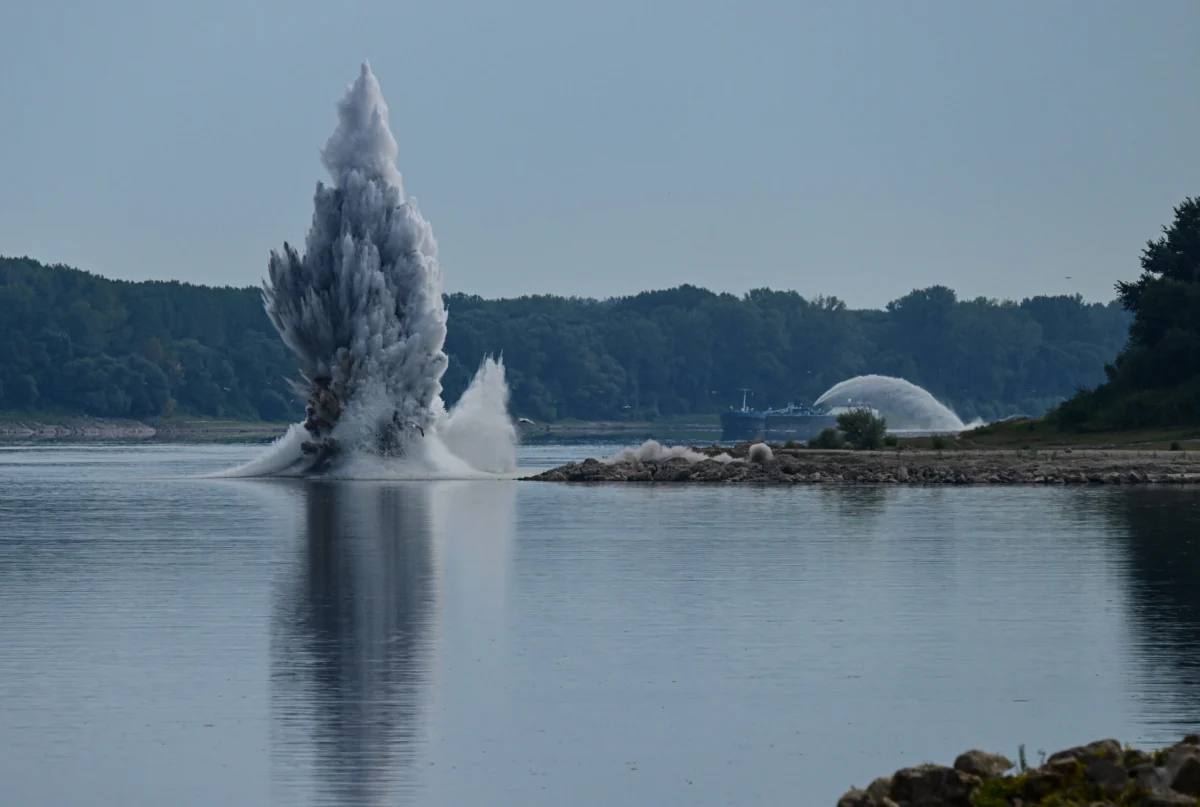
A summer of unprecedented heat and severely diminished rainfall has plunged Europe into one of its most critical hydrological crises in recent history, jeopardizing economic growth, disrupting vital supply chains, and forcing nations to adopt extreme measures to maintain essential infrastructure. From the mighty Rhine, Germany’s industrial artery, to the historic Danube, a lifeline for Eastern Europe, water levels have plummeted to record lows, triggering widespread alarm and exposing the continent’s vulnerability to the intensifying impacts of climate change. The severe conditions in 2026 underscore a stark reality for a continent grappling with increasingly frequent and intense extreme weather events.
The Rhine’s Historic Low: Germany’s Economic Engine Under Duress
In western Germany, the iconic Rhine River, a crucial artery for European trade and industry, has experienced water levels not seen in nearly 150 years. On July 30, 2026, an aerial view near Neuss captured the stark reality: a former eel fishing boat lay stranded, ensnared in dried mud amidst exposed riverbanks, a poignant symbol of the river’s dramatic retreat. This visual underscored the severe conditions affecting one of Europe’s busiest commercial waterways, which annually transports hundreds of millions of tons of goods, from chemicals and grains to coal and oil, connecting industrial hubs to international ports.
The situation reached a critical juncture earlier that week. At Kaub, a pivotal choke point for vessels navigating to southern Germany and Switzerland, the water level registered a mere 24 centimeters on both Monday and Tuesday, August 1st and 2nd, 2026. This figure, compiled from official data by ETH Zurich, represents the lowest measurement since systematic records began in 1880, far surpassing previous lows such as the 2018 drought. Forecasts indicated a potential for even further declines towards the end of the week. This level is drastically below the critical threshold of 78 centimeters generally considered necessary for efficient navigation. While transport remains technically possible below this mark, cargo barges are compelled to operate with significantly reduced loads, sometimes carrying as little as 25-30% of their full capacity to avoid grounding. This operational constraint translates directly into skyrocketing freight transport costs and the imposition of hefty low-water surcharges, profoundly impacting the profitability and logistical efficiency of countless businesses.
"Major rivers like the Rhine and Danube are critical trade corridors and sources of water for industry and energy generation," explained Liz Saccoccia, water security lead at the World Resources Institute, in an email to CNBC. "So, when water levels fall, the effects extend far beyond the waterways themselves." The economic ramifications for Germany, Europe’s largest economy, are substantial. Stefan Kooths, a professor of economics at the Kiel Institute for the World Economy (IfW), estimated that the effects of low Rhine levels could dampen German gross domestic product (GDP) by up to 0.2 percent in the third quarter of 2026. With the German economy having expanded by a modest 0.2% in the second quarter (following an upwardly revised 0.4% in Q1), such a reduction would effectively halve the nation’s quarterly growth trajectory. This translates to an estimated loss in value added of roughly 1 to 2 billion euros ($1.15 billion to $2.3 billion) for the quarter, impacting sectors from manufacturing to energy.
The primary concern for German industry lies in the disruption of vital supply chains. Companies relying on the Rhine for the inbound transport of raw materials and the outbound shipment of finished goods face immense pressure. Chemical giants like BASF, steel producers, and automotive manufacturers along the river banks are particularly vulnerable, often requiring continuous, high-volume deliveries. Many have had to activate emergency logistics plans, including diverting freight to already strained rail and road networks, which are contending with increased demand and escalating fuel costs. This shift, while necessary, further exacerbates inflationary pressures across the economy, as Felix Schmidt, senior economist at Berenberg, noted, observing that freight rates were "going through the roof." The Federal Ministry for Digital and Transport has acknowledged the severity, indicating that contingency plans involving enhanced rail capacity and emergency road transport allocations are being explored, though not without significant cost.
The Danube’s Ordeal: Energy Security and Extreme Measures in Eastern Europe
The drought’s grip extends fiercely across Eastern Europe, where the Danube River, the continent’s second-longest and a crucial artery for eleven nations, is presenting equally dire challenges, particularly concerning energy security. Romania, gripped by a summer of extreme weather, was forced to shut down one of its two operational nuclear reactors cooled by the Danube for the first time in its history. The Cernavoda Nuclear Power Plant, which provides approximately 18% of the nation’s electricity, faced a critical shortage of cooling water, leading to an unprecedented shutdown of one unit in early August.
In a desperate bid to maintain water flow and safeguard energy production, Bucharest deployed its naval forces to carry out underwater detonations. On August 3, 2026, images circulated showing the Romanian navy executing controlled explosions on the riverbed in Izvoarele village. These blasts aimed at deepening the navigation channel and diverting a higher volume of water towards the cooling systems of the Cernavoda plant. This extreme measure, requiring specialized naval engineering units, highlights the severe pressure on national governments to protect critical infrastructure amidst the escalating climate crisis and the direct link between water availability and national energy security.
Neighboring Hungary faces similar anxieties. Low water levels on the Danube have also threatened the operational capacity of the Paks nuclear plant, which supplies approximately 40% of the country’s electricity. A photograph from July 31, 2026, captured the Paks Power Plant from the Danube embankment in Dunaszentbenedek, emphasizing its direct reliance on the river. Hungarian officials have stated that while Paks has so far maintained operations, contingency plans for potential output reduction are being reviewed, causing market nervousness. Further south, Serbia has already been forced to curtail hydropower generation by up to 30% in some facilities, exacerbating energy supply concerns in the Western Balkans and increasing reliance on thermal power plants. The cascading effect of these energy reductions increases the risk of blackouts and necessitates costly electricity imports across the region, putting additional strain on national budgets already battling inflation.
"Nuclear plants in Hungary, Romania, and France, along with hydropower facilities in Serbia, have already had to reduce electricity generation because there isn’t enough water for cooling or driving turbines," Saccoccia elaborated. "Along the Danube, low water levels have prevented farmers from shipping their crops and stopped cruise ships from reaching ports such as Budapest. These are early examples of how increasingly unreliable water supplies can ripple through the economy, affecting trade, energy security, supply chains, and local businesses." The agricultural sector in the Danube basin, a significant food basket for Europe, is particularly hit, with difficulties in irrigation and transporting harvests compounding the economic strain. Grain shipments, critical for both domestic consumption and export, have been severely hampered, leading to storage issues and potential price hikes.
A Continent in Crisis: Broader European Drought Context and Chronology
The current hydrological crisis in 2026 is not an isolated incident but rather the intensification of a recurring pattern of water scarcity across Europe, particularly acute in the southern regions. The summer’s extreme heatwave, beginning in late May and intensifying through June and July, followed a winter and spring with significantly below-average rainfall across much of Central and Southern Europe. This combination created ideal conditions for rapid evaporation and minimal replenishment of rivers, lakes, and groundwater reserves.
Approximately 30% of Europe’s population resides in areas experiencing permanent water stress, where demand consistently outstrips available supply. This year’s drought follows a series of increasingly severe dry spells, with 2018 and 2022 standing out as recent benchmarks for extreme hydrological conditions. The European Drought Observatory (EDO) has indicated that large swathes of the continent, from the Iberian Peninsula to the Balkans, have been experiencing below-average rainfall for months, coupled with successive heatwaves that have accelerated evaporation rates, setting new temperature records in several countries.

This long-term trend underscores a critical environmental issue: water scarcity, a challenge unequivocally exacerbated by climate change. Scientists from the European Environment Agency (EEA) and the Intergovernmental Panel on Climate Change (IPCC) have consistently warned that Southern and Central Europe are projected to experience more frequent and intense droughts, longer heatwaves, and reduced summer precipitation. The 2026 event serves as a stark validation of these predictions, demonstrating how prolonged periods of high temperatures and minimal precipitation can rapidly deplete surface and groundwater reserves, stressing ecosystems and human infrastructure alike.
Beyond the major rivers, agricultural land across the continent is parched, leading to widespread crop failures and reduced yields. Countries like France, Italy, and Spain have also reported severe water shortages affecting agriculture, industry, and even drinking water supplies in some areas. Reservoirs are at historic lows, impacting hydropower generation and municipal water provisions. The widespread nature of this drought illustrates a systemic challenge that transcends national borders, demanding a coordinated European response and long-term climate adaptation strategies.
Economic Ripple Effects: Beyond the Waterways
The direct economic impacts from diminished river transport and energy production are merely the tip of the iceberg. The drought’s ripple effects permeate various sectors, amplifying inflationary pressures and hindering post-pandemic economic recovery efforts across the European Union.
- Agriculture: Farmers are grappling with drastically reduced crop yields, increased irrigation costs (where water is available), and difficulties in transporting produce to markets. The European Commission has estimated potential losses in agricultural output could reach 5-10% for key crops in affected regions. This contributes to higher food prices for consumers and threatens the livelihoods of agricultural communities, particularly small and medium-sized farms. The impact on staple crops like corn, wheat, and soybeans, particularly in the Danube basin, could have significant implications for European food security and export markets, potentially driving up import reliance.
- Manufacturing and Industry: Industries reliant on river transport, such as chemical plants and heavy manufacturing along the Rhine, face increased operational costs and potential production slowdowns due to supply chain bottlenecks. The shift to road and rail transport is not only more expensive but also less carbon-efficient, posing challenges to environmental targets. Furthermore, some industrial processes require significant water for cooling or as an input, leading to operational restrictions or temporary shutdowns in water-stressed areas.
- Energy Sector: The reduction in nuclear and hydropower output forces countries to rely more heavily on alternative, often more expensive, energy sources, including natural gas and coal. This dependency can drive up electricity prices for households and businesses and undermine efforts towards decarbonization, creating a complex energy dilemma. The temporary shutdown of nuclear reactors, even if for cooling issues, highlights the vulnerability of current energy infrastructure to climate extremes. Energy prices, already elevated due to geopolitical factors, are expected to see further upward pressure.
- Tourism: The low water levels have also severely impacted the lucrative river cruise industry, particularly along the Danube and Rhine. Cruise ships have been unable to navigate shallow sections, leading to numerous cancellations, rerouting, revenue losses for operators, and diminished tourist spending in affected cities like Budapest, Vienna, and Cologne. This affects local businesses reliant on tourism, from hotels to restaurants and souvenir shops.
- Inflationary Pressures: The cumulative effect of higher transport costs, reduced agricultural output, and increased energy prices inevitably feeds into broader inflationary trends. This complicates the work of central banks striving to maintain price stability and risks eroding consumer purchasing power, potentially slowing economic recovery.
Felix Schmidt of Berenberg highlighted the pervasive nature of these impacts: "Water levels are obviously one thing, but we had this heat wave in Germany a couple of weeks back, impacting big parts of northern Europe, which brings down productivity. You have infrastructure which gets destroyed by the heat. You have energy supply, which is affected, like the nuclear plants being shut down in Hungary, France, and Switzerland." He further pointed to the "catastrophic development like the fires sweeping now in southern Europe… So, it’s affecting the economy in many, many ways." Indeed, wildfires raging across Greece, France, and Spain in early August 2026 served as another grim reminder of the climate crisis’s multifaceted impact, stretching emergency services and causing ecological devastation.
Responding to the Crisis: Government and Industry Reactions
In response to the escalating crisis, European governments and industry stakeholders have initiated a range of emergency measures and discussions on long-term resilience. The immediate priority is mitigating economic disruption and ensuring essential services.
In Germany, the Federal Ministry for Digital and Transport has been in constant communication with shipping associations and logistics companies, exploring options for temporary subsidies for alternative transport methods and potential emergency dredging operations in critical Rhine sections. However, the sheer scale of the river means comprehensive dredging is often impractical and environmentally disruptive, often limited to specific bottlenecks. Industry players, having faced similar challenges in previous years (e.g., the severe 2018 drought), have taken some preparatory steps. Many companies have begun to diversify their logistics networks, investing in rail infrastructure or increasing inventory stockpiles where feasible. Yet, these measures often come with significant costs and logistical complexities, and cannot fully compensate for the capacity loss of river transport.
Romania’s decisive action to deploy naval forces for underwater detonations underscores the gravity of the energy crisis facing nations dependent on river-cooled power plants. This extraordinary intervention, while effective in the short term for the Cernavoda plant, raises questions about the sustainability and environmental implications of such drastic measures, including potential impacts on river ecosystems. The Romanian Energy Ministry has indicated that similar interventions might be considered for other critical water-dependent infrastructure if the drought persists, signaling a shift towards more proactive, if unconventional, water management strategies.
At the European Union level, the European Commission has activated its emergency response mechanisms, coordinating efforts to monitor drought conditions, assess agricultural losses, and provide support to affected member states. Discussions are underway regarding potential revisions to the Common Agricultural Policy to better support farmers facing climate extremes and investments in climate-resilient infrastructure. The EU’s Copernicus Climate Change Service (C3S) continues to provide crucial data and forecasts, aiding decision-makers in understanding and responding to the evolving situation. The Commission has also urged member states to accelerate their energy transition plans to reduce reliance on vulnerable energy sources.
The Climate Imperative: Long-Term Outlook and Adaptation
The 2026 drought serves as a potent and urgent reminder of the accelerating climate crisis and the imperative for comprehensive adaptation strategies. Experts like Felix Schmidt noted that businesses had likely not been "caught by surprise" by the Rhine’s low water levels because climate change has made this a recurring challenge. This suggests a growing awareness but also highlights the limitations of current adaptation efforts and the need for more systemic change.
Looking ahead, climate models predict an increase in the frequency and intensity of extreme weather events across Europe, including more prolonged heatwaves and severe droughts, particularly in Central and Southern Europe. This necessitates a fundamental re-evaluation of how European societies manage their water resources, energy systems, and critical infrastructure.
Key areas for long-term adaptation include:
- Integrated Water Management: Implementing more efficient irrigation techniques in agriculture (e.g., drip irrigation, precision farming), investing in smart water grids to minimize leakage, promoting water reuse and recycling in industrial and municipal settings, and developing desalination plants in coastal regions to diversify freshwater sources. Transboundary water cooperation frameworks, particularly for rivers like the Rhine and Danube, will become even more crucial for equitable and sustainable resource allocation.
- Energy Transition and Diversification: Accelerating the shift towards renewable energy sources that are less dependent on water (e.g., solar, wind) and investing in large-scale energy storage solutions. Enhancing the resilience of existing nuclear and hydropower plants to extreme temperatures and low water levels is also vital, potentially through alternative cooling systems, redesigns for lower water flow, or strategic siting considerations.
- Infrastructure Resilience: Adapting transport infrastructure, such as waterways, to withstand extreme low (and high) water events. This could involve innovative barge designs for shallower drafts, improved and targeted dredging technologies in critical sections, or greater investment in multimodal transport options (rail, road) to reduce over-reliance on rivers. This also includes strengthening bridges and roads against heat-induced damage.
- Early Warning Systems and Research: Further investing in climate monitoring, forecasting, and early warning systems to provide more accurate and timely information to affected sectors, allowing for better preparation and mitigation. Research into drought-resistant crops and advanced water purification technologies is also paramount.
- Ecosystem Restoration: Recognizing that healthy ecosystems play a crucial role in water retention and regulation, efforts towards restoring wetlands, floodplains, and forests can contribute to natural drought mitigation.
The summer of 2026 is etched into Europe’s environmental and economic narrative as a period of profound challenge. It underscores not only the immediate vulnerabilities exposed by climate change but also the urgent need for robust, forward-looking policies and investments to build a more resilient and sustainable future for the continent. The decisions made in the wake of this crisis will undoubtedly shape Europe’s ability to navigate the escalating realities of a changing climate, demanding collective action and a fundamental shift in resource management paradigms.