Lina Wu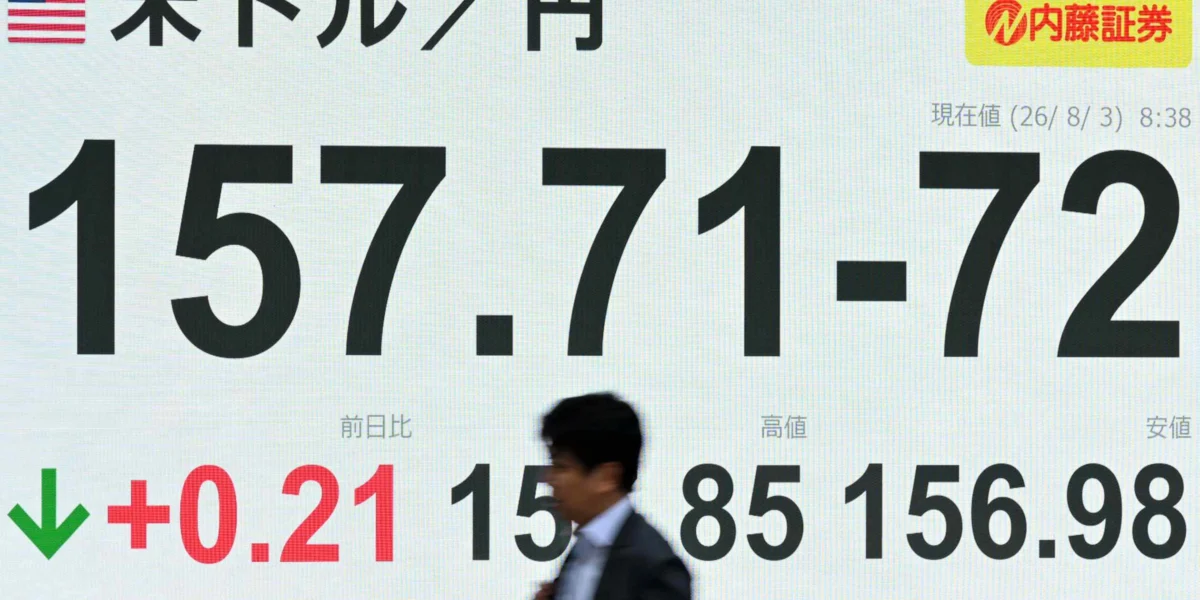
The yen is currently hovering around the 157 mark against the U.S. dollar, a level that signifies a delicate balance in the foreign exchange market. This stability comes as traders meticulously assess the impact of recent, coordinated intervention efforts by both the United States and Japan, while simultaneously remaining unconvinced that the yen’s weakness has been definitively arrested. The prevailing sentiment suggests a cautious approach, with market participants wary of pushing the yen significantly lower, fearing a swift and potentially more forceful response from global monetary authorities.
The Interplay of Intervention and Market Sentiment
The recent maneuvers in the currency markets underscore a heightened level of vigilance from policymakers. For weeks, the yen had been on a downward trajectory, reaching multi-decade lows against the dollar. This depreciation was largely attributed to a widening interest rate differential between Japan and the United States, with the U.S. Federal Reserve maintaining a hawkish stance while the Bank of Japan (BoJ) has adopted a more accommodative monetary policy, albeit with recent shifts towards normalization.

The coordinated intervention, a rare occurrence, signaled a strong intent from both Washington and Tokyo to curb excessive yen depreciation. While such actions can provide a temporary floor for a currency, their long-term efficacy often depends on underlying economic fundamentals and the sustained commitment of the intervening parties. In this instance, the yen’s ability to hold around 157 suggests that while the immediate shock of intervention has provided some respite, the fundamental drivers of its weakness remain in play.
Traders are now engaged in a complex calculation: how much further are authorities willing to go, and what would constitute a trigger for renewed action? The current trading range indicates a degree of apprehension, with many unwilling to bet heavily on a significant yen appreciation without clearer signals of policy shifts or a reversal in global economic trends.
A Chronology of Yen Weakness and Policy Response
The yen’s slide has been a developing story over several months. Early in the year, as inflation persisted in the U.S. and the Federal Reserve repeatedly signaled its intention to keep interest rates higher for longer, the dollar began to gain momentum against a basket of currencies, including the yen. Japan, while experiencing a modest pickup in inflation, remained committed to its ultra-loose monetary policy for an extended period, aiming to achieve sustainable price stability.

Early 2026: The yen begins to show signs of weakening, trading in the 145-150 range against the dollar. Market participants begin to anticipate a widening interest rate differential.
Spring 2026: As U.S. economic data continues to exhibit resilience and inflation remains sticky, the Federal Reserve’s hawkish rhetoric intensifies. The dollar strengthens, pushing the yen towards the 150-155 level. Concerns about the pace of depreciation start to surface within Japanese financial circles.
Late Spring/Early Summer 2026: The yen breaches the 155 mark, reaching levels not seen in decades. This triggers increased speculation about potential intervention. The Bank of Japan, while acknowledging the currency’s movement, maintains its cautious approach, signaling a preference for addressing depreciation through monetary policy adjustments rather than direct market intervention.

Mid-Summer 2026: The yen continues its descent, approaching the 160 mark. This critical threshold, widely considered a point of significant concern for Japanese authorities, prompts decisive action. Reports emerge of coordinated buying of yen by both the Bank of Japan and the U.S. Treasury, aimed at stemming the tide of depreciation.
Present Day (August 2026): Following the intervention, the yen stages a partial recovery, moving away from the 160 level and consolidating around 157. However, the market’s reaction is one of cautious observation. The sustainability of this stabilization is now the primary focus.
Supporting Data: The Interest Rate Differential
The core driver of the yen’s weakness has been the widening interest rate differential between Japan and major economies like the U.S. As of mid-2026, the U.S. Federal Funds Rate remains significantly higher than the Bank of Japan’s policy rate. For instance, if the U.S. Fed Funds Rate is in the 5.00%-5.25% range, the BoJ’s short-term policy rate might be in the 0.10%-0.25% range. This substantial gap incentivizes investors to move capital out of lower-yielding yen-denominated assets and into higher-yielding dollar-denominated assets, thereby increasing demand for the dollar and putting downward pressure on the yen.

Furthermore, the carry trade, where investors borrow in a low-interest-rate currency (like the yen) to invest in higher-yielding assets in another currency, becomes more attractive. This strategy directly contributes to yen selling and dollar buying.
Official Responses and Market Expectations
The intervention, while significant, was likely a tactical move rather than a strategic shift in fundamental policy. Japanese officials, including those from the Ministry of Finance and the Bank of Japan, have repeatedly expressed concern about the rapid depreciation of the yen and its potential to negatively impact the economy, particularly by increasing import costs for energy and raw materials. However, they have also been careful not to signal an aggressive tightening of monetary policy, which could stifle domestic demand or be perceived as premature by the BoJ.
The U.S. Treasury’s involvement in the coordinated intervention is also noteworthy. While the U.S. generally prefers market-determined exchange rates, excessive volatility or rapid depreciation of a major currency like the yen can have ripple effects on global trade and financial stability. The U.S. involvement signals a shared concern about disorderly currency movements.

Market participants are now keenly observing any verbal cues or policy statements from both the BoJ and the Federal Reserve. Any hint of a policy pivot from the Fed, such as a dovish turn or a clearer path to rate cuts, could weaken the dollar and offer relief to the yen. Conversely, if the BoJ signals a more aggressive pace of monetary policy normalization, it could also support the yen.
Broader Impact and Implications
The sustained weakness of the yen has multifaceted implications:
For Importers and Consumers: Japanese companies that rely on imported goods, such as energy providers and manufacturers, face higher costs. This can lead to increased prices for consumers, potentially fueling domestic inflation. However, for exporters, a weaker yen makes their products more competitive in international markets, potentially boosting export volumes and corporate profits.

For Investors: The carry trade, as mentioned, becomes more appealing. However, the risk of intervention and the potential for sharp yen appreciation introduces significant volatility and risk for investors. This uncertainty can deter long-term foreign investment in Japanese assets.
For Global Markets: A significantly weaker yen can have a dampening effect on other Asian currencies as trade competitiveness shifts. It can also influence global inflation dynamics, particularly for countries heavily reliant on imports from Japan or competing with Japanese exports. The coordinated intervention itself demonstrates a growing awareness among major economies of the interconnectedness of their financial systems and the need for coordinated action to maintain stability.
The current holding pattern around 157 against the dollar suggests a market that is pricing in the possibility of further intervention but is also acutely aware of the underlying economic forces at play. The true test of the yen’s stability will lie in the ongoing policy decisions of the Bank of Japan and the Federal Reserve, as well as the broader trajectory of the global economic landscape. Without a significant shift in interest rate differentials or a clear commitment to sustained, aggressive intervention, the yen may continue to face headwinds, albeit with periods of temporary respite. The current equilibrium is fragile, a testament to the complex interplay of monetary policy, market sentiment, and global economic forces.