Ena Muazin
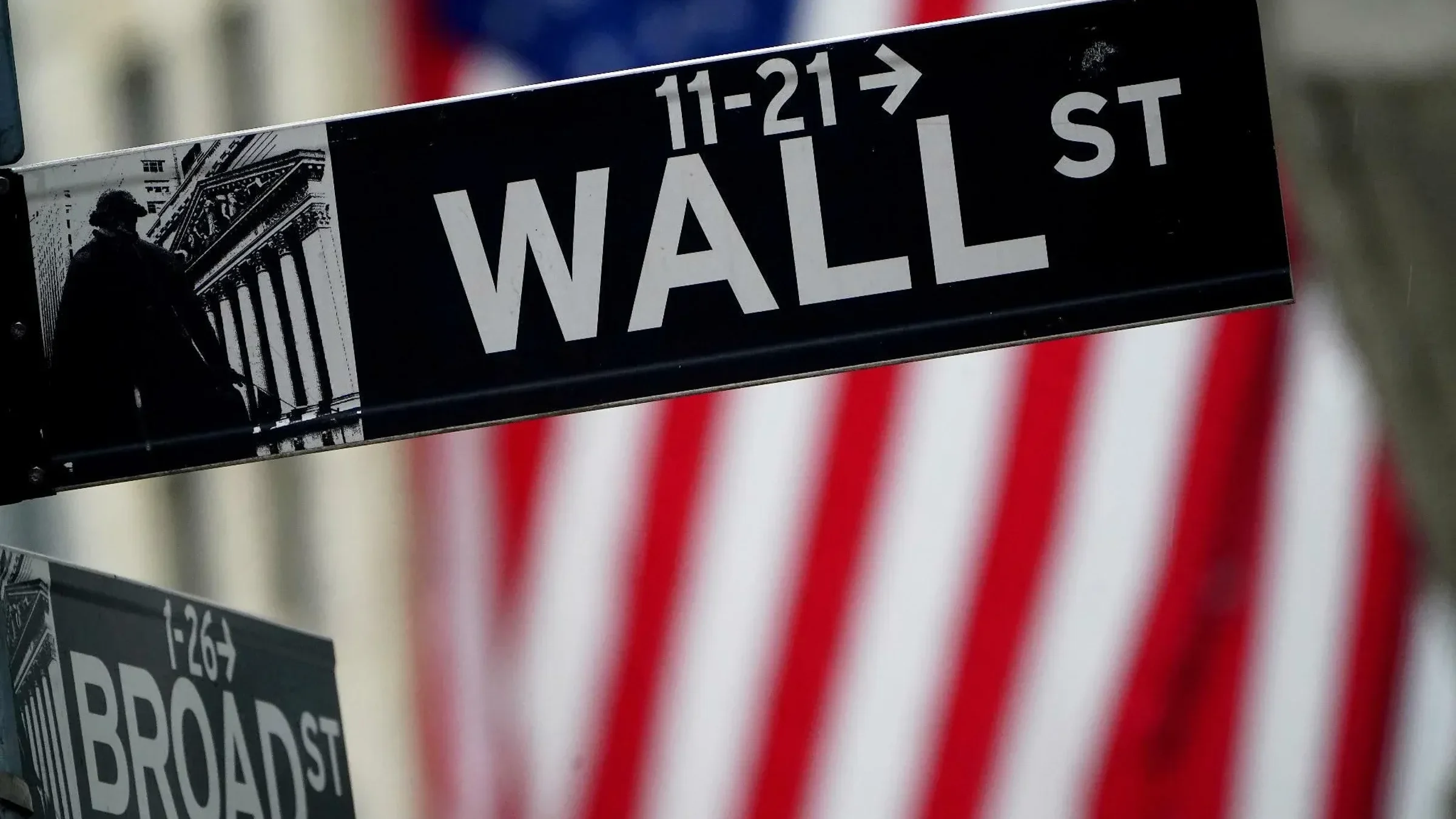
New York. The optimistic trend on Wall Street persisted into Tuesday, fueled by burgeoning hopes for a diplomatic resolution to the tensions surrounding Iran and robust economic indicators that bolstered investor confidence. Following a significant surge in the Dow Jones Industrial Average to a new record high, driven by President Donald Trump’s announcement of renewed negotiations with Iran, a palpable sense of relief and anticipation permeated the financial markets. U.S. Treasury Secretary Steven Mnuchin, in a notable interview with CNBC, indicated that a breakthrough agreement concerning the Strait of Hormuz could be imminent, potentially materializing as early as Tuesday or Wednesday.
Diplomatic Overtures Ease Geopolitical Tensions
Mnuchin’s statements offered a crucial ray of hope, signaling a potential de-escalation of a critical geopolitical flashpoint. "We are in discussions with the Iranians, and I believe there is a chance we could reach an agreement today or tomorrow to open the strait and move towards a more normal situation in this conflict," Mnuchin stated. This optimistic outlook was not lost on investors, who responded with increased buying activity, pushing key market indices higher.
The implications of a peaceful resolution in the Strait of Hormuz are far-reaching, particularly for global energy markets. The waterway is a vital chokepoint for oil shipments, and any reduction in tensions there typically leads to a decline in crude oil prices. Indeed, the announcement contributed to a significant drop in oil prices. Brent crude, a global benchmark, saw its October delivery contract fall by 5.2 percent to $79.37 per barrel. Similarly, West Texas Intermediate (WTI) crude for September delivery experienced a decline of over five percent, settling at $75.78 per barrel. These price levels represent the lowest seen in three weeks, a development that generally benefits consumers and businesses by reducing energy costs, and consequently, dampening inflationary pressures.
The Economic Rationale Behind Market Optimism
The connection between falling oil prices and rising stock markets is a well-established economic principle. Higher energy prices have a direct impact on inflation, as they increase transportation costs and the price of goods and services across the supply chain. Conversely, when oil and gas prices decrease, the expectation of central banks raising interest rates in response to inflationary pressures diminishes. This, in turn, tends to lower bond yields and makes equities more attractive to investors, thereby driving up stock prices.
The market’s positive reaction underscores the sensitivity of financial sentiment to geopolitical stability and economic fundamentals. President Trump’s earlier decision to forgo further military strikes against Iran had already significantly contributed to a decline in oil prices on the preceding Monday, setting the stage for Tuesday’s broader market uplift. The current rally suggests that investors are pricing in a scenario of reduced geopolitical risk, which is often a precursor to increased business investment and consumer spending.

Corporate Earnings Bolster Market Momentum
Beyond the geopolitical landscape, corporate earnings reports continued to play a pivotal role in shaping market sentiment. Numerous U.S. companies released their quarterly results on Tuesday, providing investors with a clearer picture of corporate performance and future outlooks. The generally positive reception of these earnings reports contributed to the overall upward momentum of the stock market.
While the article does not provide specific details on individual company earnings, the mention of "Quartalszahlen überwiegend positiv bewertet" (Quarterly figures predominantly positively assessed) indicates that a significant number of companies exceeded expectations, either in terms of revenue, profit, or future guidance. This suggests a resilient corporate sector capable of navigating the current economic environment. For instance, companies like Palantir Technologies, a data analytics firm, reportedly experienced a surge in their stock price following a record-breaking quarter, highlighting the positive impact of strong financial performance on individual equities. The positive performance of chip stocks, including AMD, Micron, and Intel, further underscores this trend, with gains ranging between eight and ten percent, likely influenced by the broader market optimism and potentially specific positive news within the semiconductor sector.
The Federal Reserve and the Crucial Jobs Report
Looking ahead, market participants are keenly awaiting crucial labor market data. The monthly jobs report, scheduled for release on Friday, is expected to provide a comprehensive snapshot of the U.S. economy’s health. The Federal Reserve, whose mandate includes not only price stability but also maximum employment, closely monitors these figures. Consequently, the upcoming jobs report is considered directly relevant to future monetary policy decisions, particularly concerning interest rates.

The Federal Reserve has maintained its benchmark interest rate at the current range of 3.5% to 3.75% in recent meetings. The strength of the labor market is a key indicator for the Fed, as a robust job market can sustain higher interest rates without significantly hindering economic growth. Therefore, positive employment data could increase the likelihood of further interest rate hikes, a scenario that investors are closely watching.
On Tuesday, the U.S. Labor Department released preliminary data from its monthly survey, revealing a decrease in the number of job openings in June by 178,000 to 7.359 million. This figure was slightly lower than the 7.40 million decline anticipated by economists polled by Reuters. This slight moderation in job openings, while still indicating a strong labor market, could be interpreted by some as a sign of gradual normalization, potentially influencing the Fed’s decision-making calculus.
Market analysts are projecting that for July, the U.S. economy may have added 57,000 new jobs outside of the agricultural sector. They also anticipate a slight increase in the unemployment rate to 4.3 percent. These figures will be closely scrutinized for any signs of overheating or significant cooling in the labor market, both of which could have substantial implications for interest rate expectations and, consequently, for equity valuations.

Broader Economic Context and Implications
The interplay between geopolitical stability, corporate performance, and labor market dynamics creates a complex but generally positive outlook for the markets. The decline in oil prices, driven by the prospect of de-escalation in the Persian Gulf, directly combats inflationary pressures. This, in turn, reduces the urgency for the Federal Reserve to implement aggressive interest rate hikes. A stable or declining interest rate environment is typically favorable for equity markets, as it lowers the cost of borrowing for companies and makes fixed-income investments less attractive by comparison.
Furthermore, the resilience demonstrated by U.S. corporations in their quarterly reporting suggests underlying strength in the economy. Companies that can maintain or grow their profitability in the face of global economic uncertainties are likely to be well-positioned for future growth. The positive sentiment surrounding chip stocks, for example, could indicate robust demand for semiconductors, a critical component in a wide range of industries, from artificial intelligence to consumer electronics.
However, the market remains sensitive to any shifts in geopolitical tensions or unexpected economic data. The situation in Iran, while showing signs of de-escalation, remains fluid. Any resurgence of conflict could quickly reverse the current positive sentiment and lead to renewed volatility. Similarly, unexpected weakness in the upcoming jobs report could raise concerns about a potential economic slowdown, prompting a reassessment of market valuations.

Individual Stock Performance and Sector Analysis
Beyond the broader market trends, specific company news continued to influence individual stock performance. Nike’s stock experienced a notable decline of 2.5 percent following a downgrade by JP Morgan. The investment bank reduced its rating on Nike to "underweight" and lowered its price target, citing potential financial pressures from the company’s "Win Now" strategy, which could extend until 2028. This exemplifies how company-specific factors and analyst ratings can significantly impact investor perception and stock prices, even amidst a generally bullish market.
In contrast, the positive momentum in the technology sector, particularly in chip stocks, highlights the ongoing demand for advanced computing capabilities. The strong performance of AMD, Micron, and Intel indicates investor confidence in the future growth prospects of these companies, likely driven by factors such as the increasing adoption of artificial intelligence and the continued demand for computing power across various industries.
Conclusion
The sustained rally on Wall Street on Tuesday was a confluence of receding geopolitical tensions surrounding Iran and a generally positive corporate earnings season. The prospect of diplomatic progress in the Strait of Hormuz has led to a significant decrease in oil prices, a development that is expected to temper inflationary pressures and reduce the likelihood of aggressive interest rate hikes by the Federal Reserve. While the upcoming jobs report will provide a crucial indicator of the U.S. economy’s underlying strength, current market sentiment is overwhelmingly optimistic. Investors are closely monitoring these developments, with a focus on how they will shape monetary policy and influence the broader economic trajectory. The market’s ability to absorb both geopolitical news and company-specific events, while maintaining an upward trend, suggests a degree of resilience and a strong underlying belief in continued economic expansion.

Related Topics:
- Fed
- S&P 500
- Dow Jones
- Iran
- Nike
- Palantir