Putri Inara
Digital marketing experts and content strategists have long observed a recurring phenomenon in the creator economy: many bloggers execute technical requirements with precision—adhering to Search Engine Optimization (SEO) best practices, maintaining rigorous posting schedules, and utilizing high-end software—yet fail to achieve significant audience retention or commercial growth. Industry analysis suggests that the differentiator between stagnant digital platforms and high-growth media properties is often the strategic deployment of personality. In a landscape increasingly saturated by generic and artificial intelligence-generated content, personalization serves as a critical tool for building "know, like, and trust" factors, which are essential for long-term brand equity.
The Evolution of Personal Branding in Digital Media
The transition from anonymous, corporate-style blogging to the current human-centric creator economy began in the late 2000s. Early digital publishing focused heavily on information arbitrage—providing facts that were otherwise difficult to find. However, as information became a commodity, the value shifted toward curation and perspective. According to data from the Creator Economy Report, the global creator market is now valued at approximately $250 billion, with a significant portion of that value driven by individual "personality brands."
Chronologically, the industry moved from personal journals (1990s) to niche authority sites (mid-2000s) to the modern era of the "Blogger-as-Brand." Today, personalization is not merely a stylistic choice but a defensive strategy against content commoditization. By examining the methodologies of ten industry-leading bloggers, publishers can identify specific levers to increase engagement and differentiate their platforms.
Visual Storytelling through High-Quality Photography: YTravel
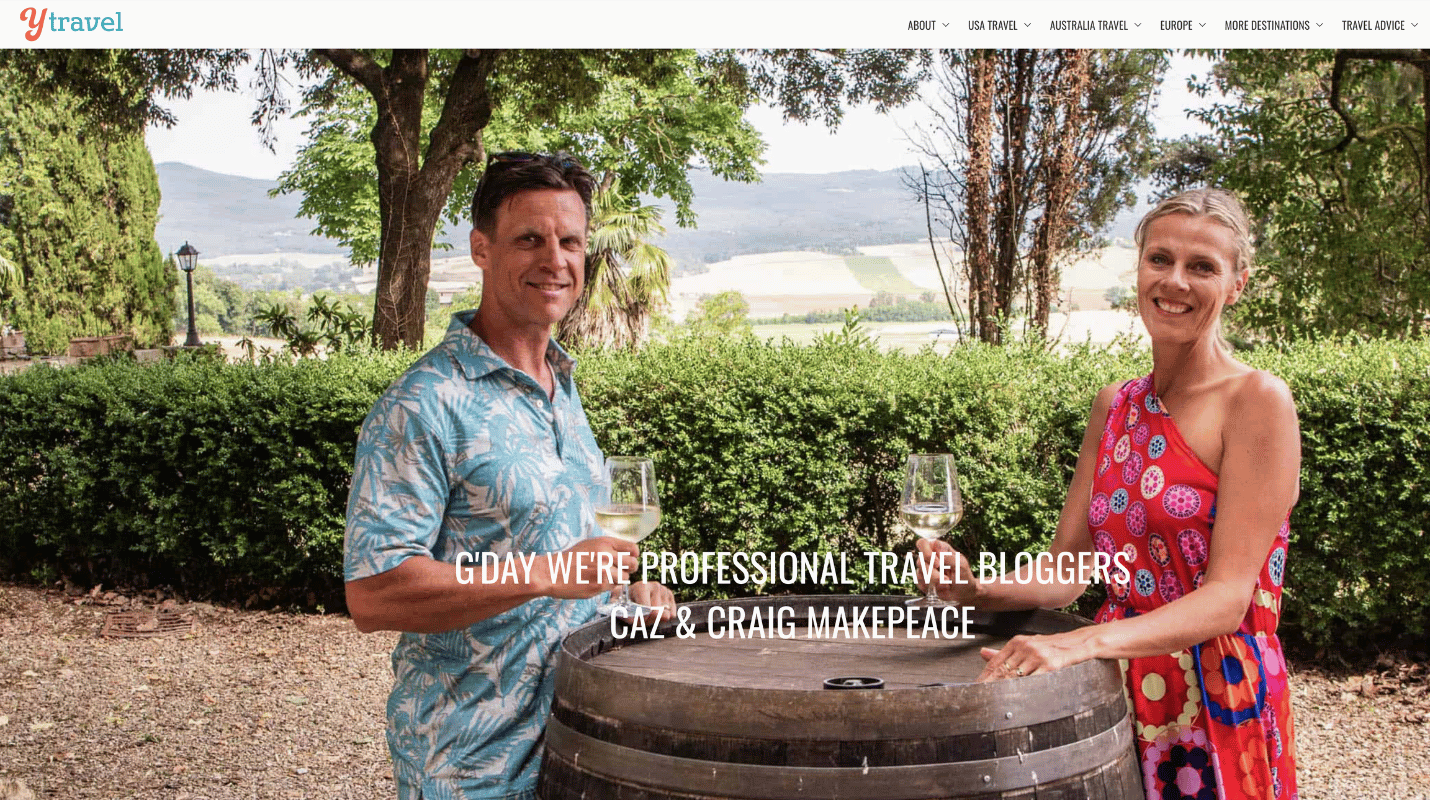
Caz and Craig of YTravel have successfully utilized visual personalization to anchor their travel media empire. In the travel, food, and lifestyle sectors, high-fidelity imagery acts as the primary vehicle for vicarious experience. The YTravel methodology involves a strategic blend of candid family snapshots and professionally staged photography.
Market research indicates that articles with relevant images receive 94% more views than those without. However, YTravel goes beyond generic stock photography, using images that feature the founders themselves. This approach humanizes the information provided, transforming a standard travel guide into a personal recommendation. By including "smiley," approachable photos of their family, the founders bridge the gap between a faceless information portal and a trusted peer group.
The Strategic Use of Humor and Archetypes: Pat Flynn
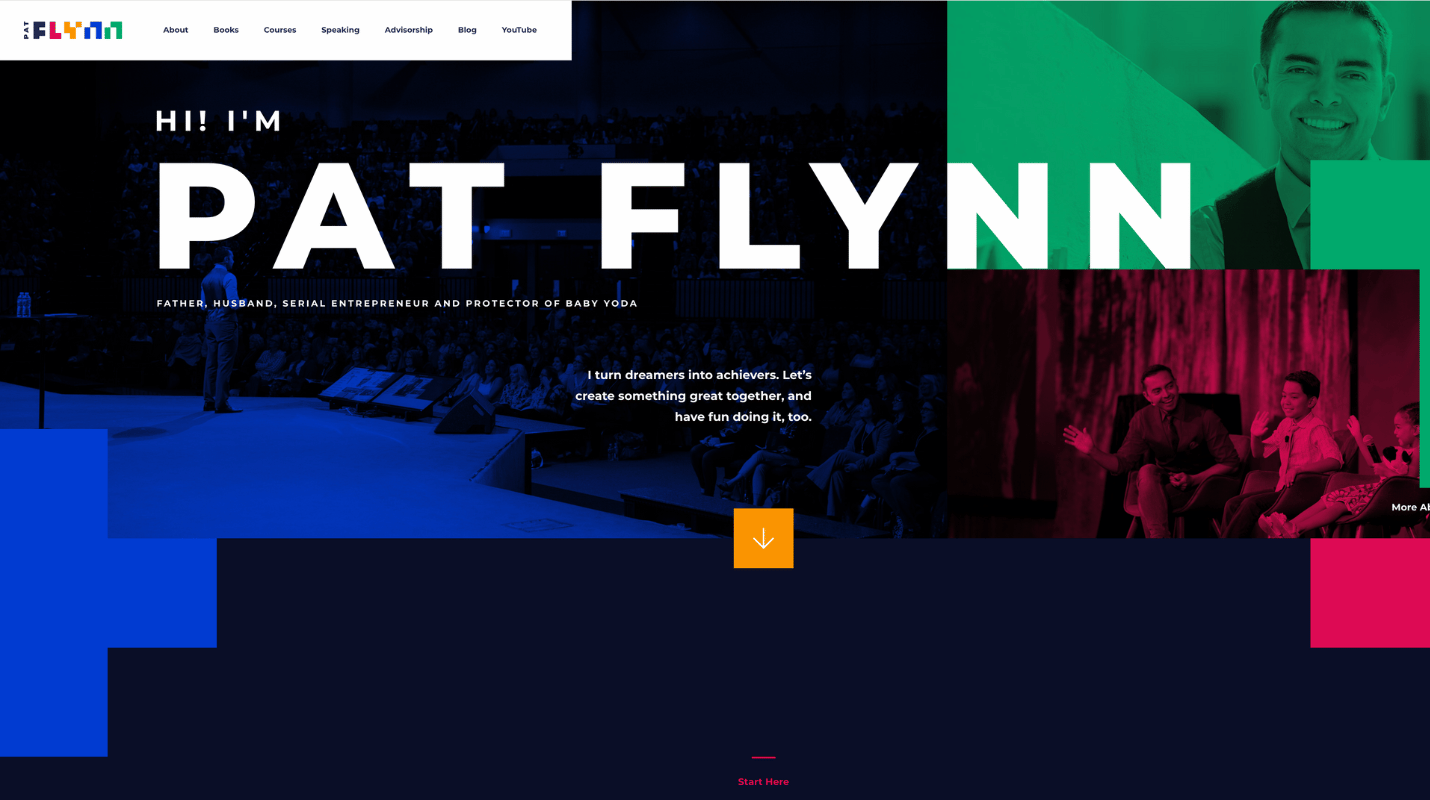
Pat Flynn, founder of Smart Passive Income, demonstrates the efficacy of using "flair" and quirky humor to lower the barrier to entry for complex topics like affiliate marketing and digital entrepreneurship. Upon visiting Flynn’s platform, users are met with a clear identity statement: "father, husband, serial entrepreneur."
Flynn’s inclusion of self-deprecating humor, such as his self-identified role as a "protector of Baby Yoda," serves a dual purpose. First, it creates a unique brand archetype that is memorable. Second, it softens the "expert" persona, making the blogger more relatable to a novice audience. Behavioral economics suggests that consumers are more likely to follow advice from individuals they perceive as having similar values or interests, a concept known as homophily.
Linguistic Identity and Polarizing Tones: Shannon Kelly White
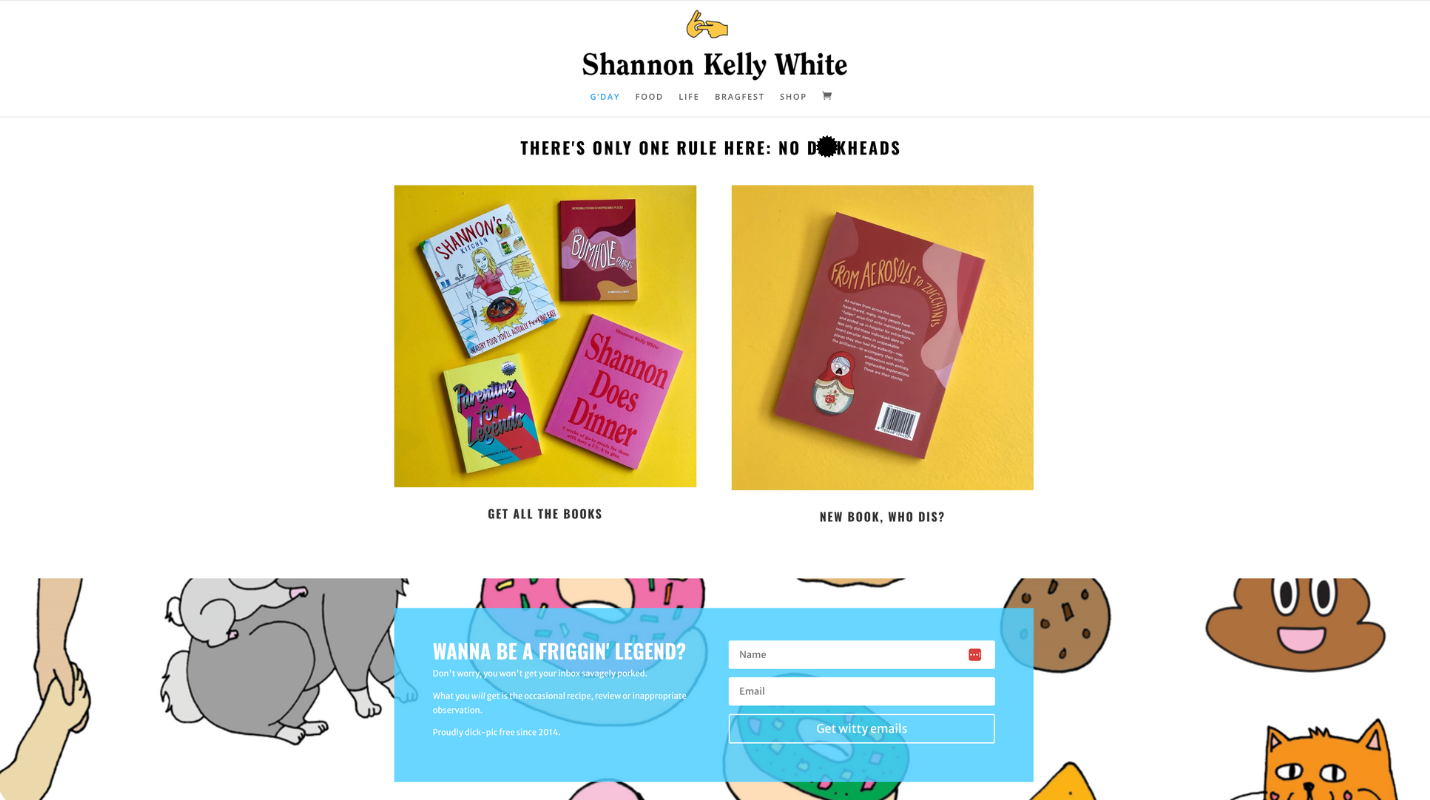
Shannon Kelly White utilizes a high-intensity, identifiable tone characterized by informal and sometimes "salty" language. This approach is a textbook example of "attract and repel" marketing. While a formal journalistic tone is standard for broad-market news, personal blogs often benefit from a polarizing voice that cements loyalty among a specific sub-culture while intentionally alienating those who do not align with the brand’s values.
By integrating distinctive language into her navigation menus and taglines, White ensures that the brand voice is consistent across the entire user interface. This consistency builds a "voice-print" that readers can recognize even without seeing the author’s name, a high-level branding achievement that increases platform stickiness.
Iconography and Custom Illustrations: Blog Tyrant
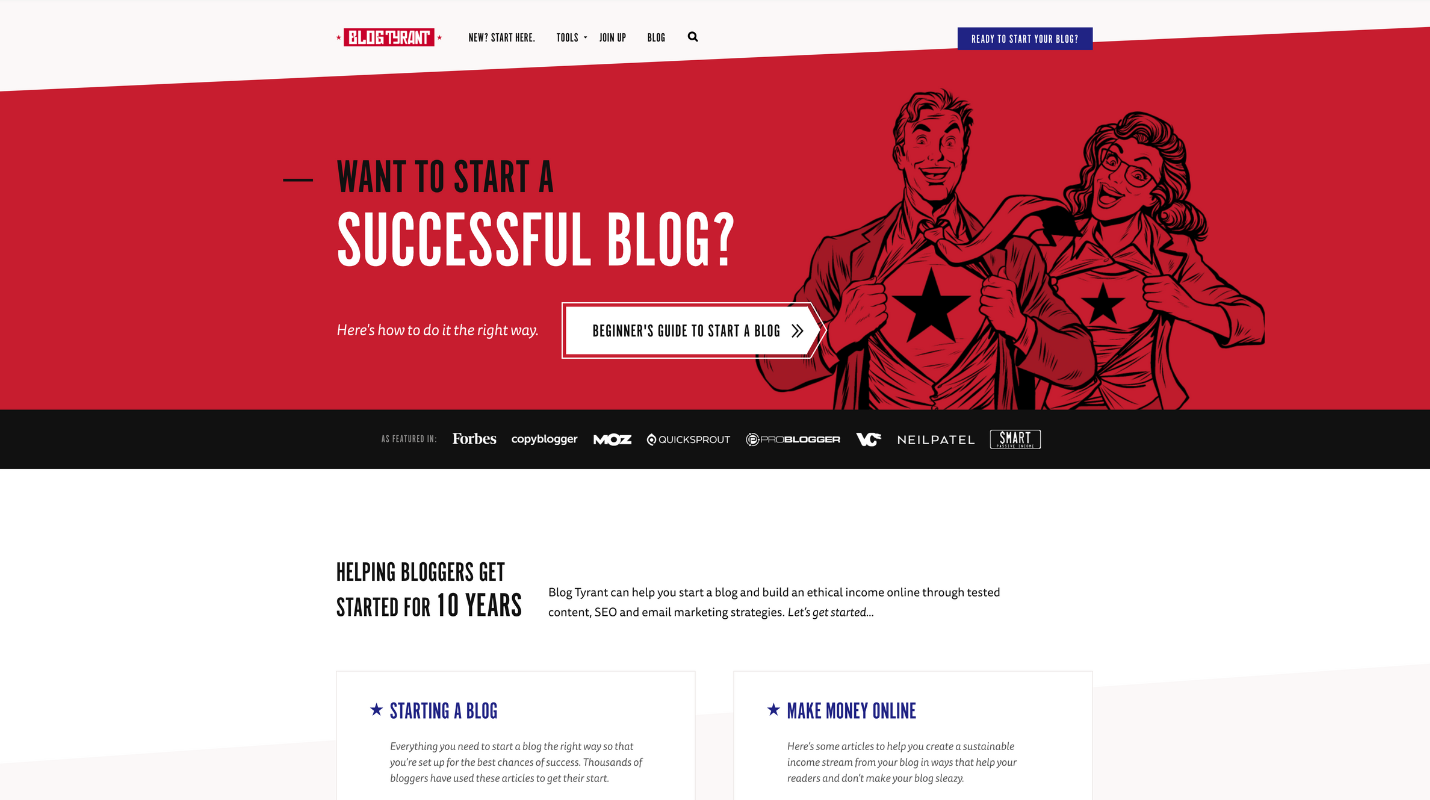
Ramsey, the creator of Blog Tyrant, employs custom illustrations to create a distinct visual identity that does not rely solely on photography. The "red-shirted blogging superhero" avatar functions as a brand mascot, appearing across the homepage, feature images, and lead magnets.
The use of custom illustrations provides several strategic advantages:
- Uniformity: Illustrations can be placed in various contexts while maintaining a consistent color palette and style.
- Abstraction: An illustrated character can represent the "ideal self" of the reader, making the brand’s mission feel more universal.
- Intellectual Property: Unique characters are easier to trademark and protect than standard lifestyle photography.
The "About Page" as a Conversion Engine: A Beautiful Mess
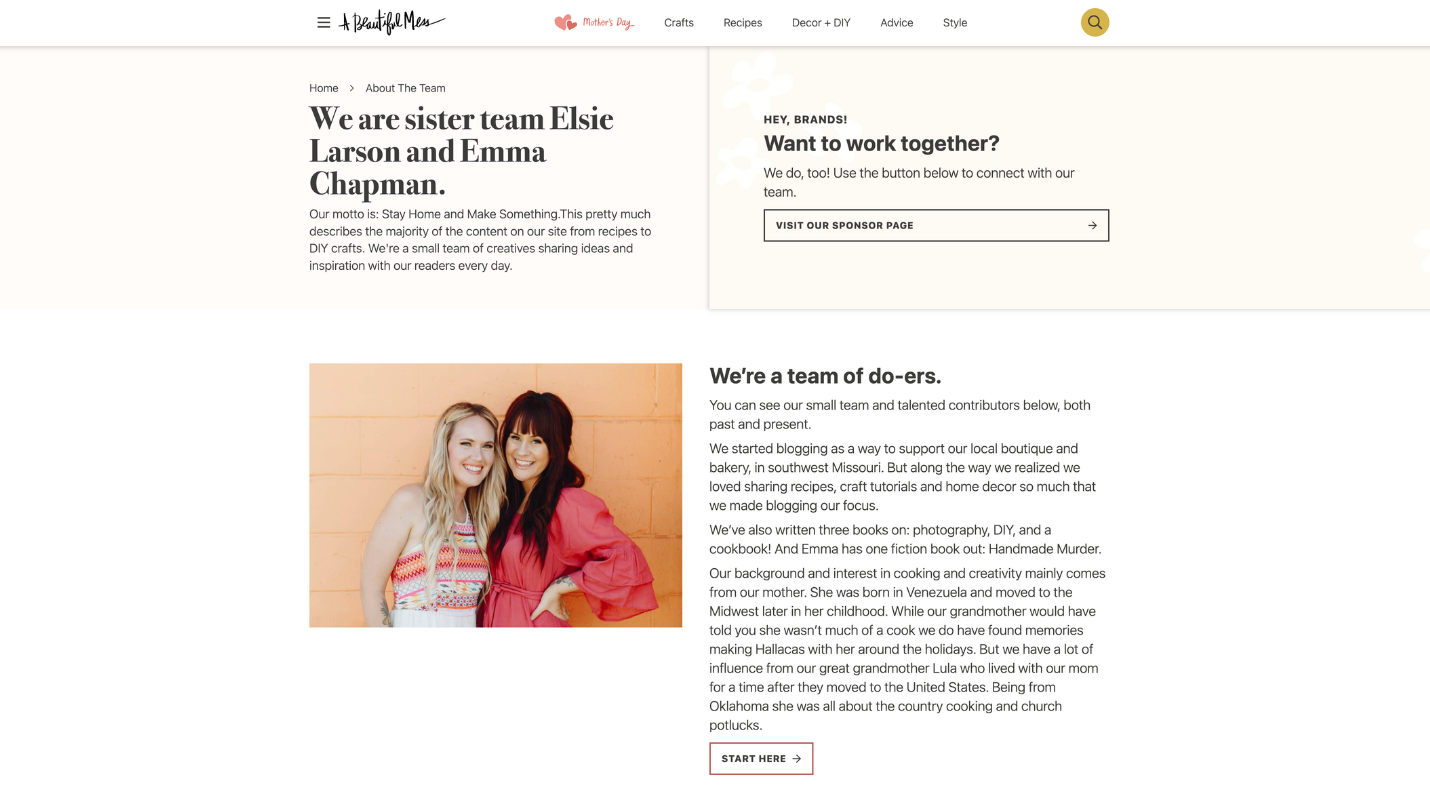
For many top-tier blogs, the "About" page is among the most visited URLs on the site. Elsie and Emma of A Beautiful Mess treat this page as a primary branding touchpoint. Rather than providing a dry resume of accomplishments, they use bright, bold photography and a concise, catchy introduction to establish their aesthetic and personal chemistry as sisters.
Data from HubSpot suggests that personalized "About" pages can significantly reduce bounce rates. When a new reader discovers a post via search or social media, their first instinct is often to verify the source. A Beautiful Mess leverages this moment to convert a casual reader into a brand follower by presenting a highly curated glimpse into their creative lifestyle.
Multi-Platform Branding Consistency: Chris Ducker
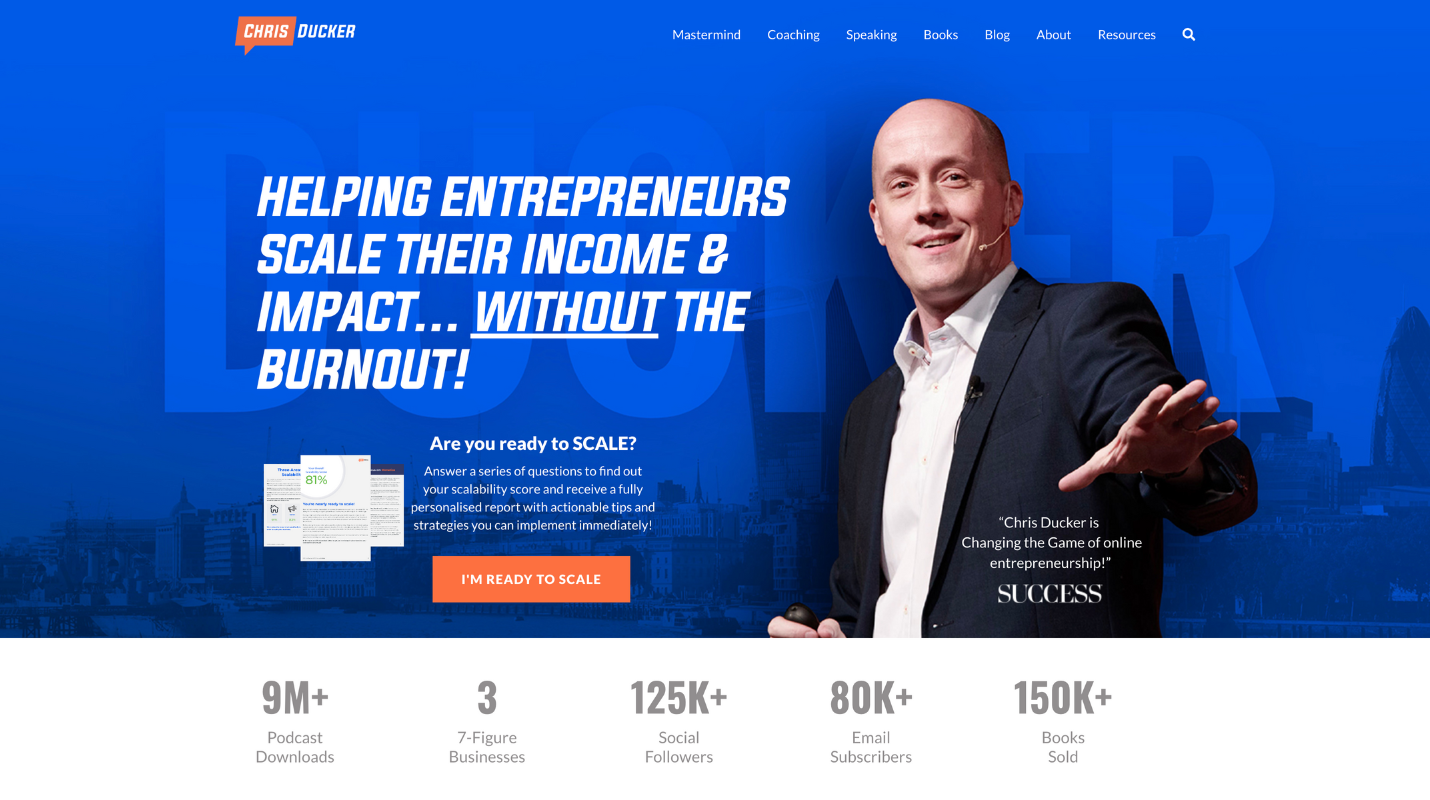
Entrepreneur Chris Ducker emphasizes the importance of cross-platform visual consistency. Ducker uses the same high-quality headshots across his blog, Twitter, Facebook, and LinkedIn profiles. In the attention economy, the goal is to achieve "instant recognition."
When a user sees the same face and branding style on a podcast cover as they do on a LinkedIn post, the "Rule of Seven" in marketing—which states that a prospect needs to see a brand at least seven times before taking action—is accelerated. Ducker’s professional but approachable visual brand ensures that every touchpoint reinforces his authority as a business mentor.
Color Psychology and Aesthetic Cohesion: Jadah Sellner
Jadah Sellner’s platform is a case study in the psychological impact of color schemes. Sellner utilizes a warm, earthy palette that extends from the website’s UI to the clothing she wears in her professional photography. This level of detail creates a seamless, immersive environment for the user.
According to the "Impact of Color on Marketing" study, up to 90% of snap judgments made about products can be based on color alone. Sellner’s choice of a "makeup palette" aesthetic communicates warmth, health, and accessibility, which aligns perfectly with her niche in wellness and business coaching.
The Authority Brand Statement: James Schramko
James Schramko of SuperFastBusiness (now rebranded as JamesSchramko.com) utilizes a direct brand statement to personalize his content for a specific audience. By clearly stating who his coaching services are for, he removes ambiguity.
This technique, known as "calling out the audience," personalizes the experience for the visitor by making them feel seen. Instead of a generic "business blog," Schramko creates a bespoke environment for "serious business owners." This high-level personalization focuses on the reader’s identity as much as the author’s, creating a professional alignment between the two.
Direct Calls to Action and Tagline Clarity: Kelly Exeter
Kelly Exeter demonstrates that personalization does not always require elaborate storytelling; it can be achieved through extreme clarity. Her tagline and Call to Action (CTA) cut through digital noise by stating exactly what she does and who she helps.
A streamlined "Find Out Here" button provides a personalized path for the user to engage with her services without the friction of a complex sales funnel. In a professional context, this demonstrates respect for the reader’s time, which is a subtle but powerful form of personality-driven branding.
Psychographic Segmentation through Quizzes: Puttylike
Emily Wapnick of Puttylike has pioneered a method of personalization that involves helping the reader define themselves. By coining the term "Multipotentialite" and featuring a TED Talk on the subject, she created a community around a specific personality trait.
Wapnick’s use of a "Are You a Multipotentialite?" quiz serves as a high-converting lead magnet. This strategy shifts the focus from the blogger to the reader, using interactive content to provide a personalized result. Statistical analysis of interactive content shows that quizzes have a lead capture rate of approximately 31.6%, significantly higher than static "subscribe to my newsletter" prompts.
Broader Impact and Industry Implications
The move toward hyper-personalization in blogging reflects a broader shift in consumer behavior. In an era of "deepfakes" and mass-produced content, authenticity has become a premium commodity. For professional bloggers, the integration of personality is no longer a "soft" skill but a hard requirement for survival.
Market analysts predict that as AI tools become more capable of producing factual content, the human elements of blogging—anecdotal evidence, unique voice, and personal visual branding—will be the only remaining "moats" protecting creators from being replaced by algorithms. The success of the aforementioned bloggers suggests that the future of digital publishing lies in the intersection of high-quality information and unmistakable human identity.
The implementation of these strategies requires a calculated balance. Over-personalization can lead to a "cult of personality" that is difficult to scale or sell, while under-personalization leads to invisibility. The most successful digital publishers are those who treat their personality as a strategic asset, deploying it with the same rigor and analysis they apply to their SEO and revenue models.