Clara Shinta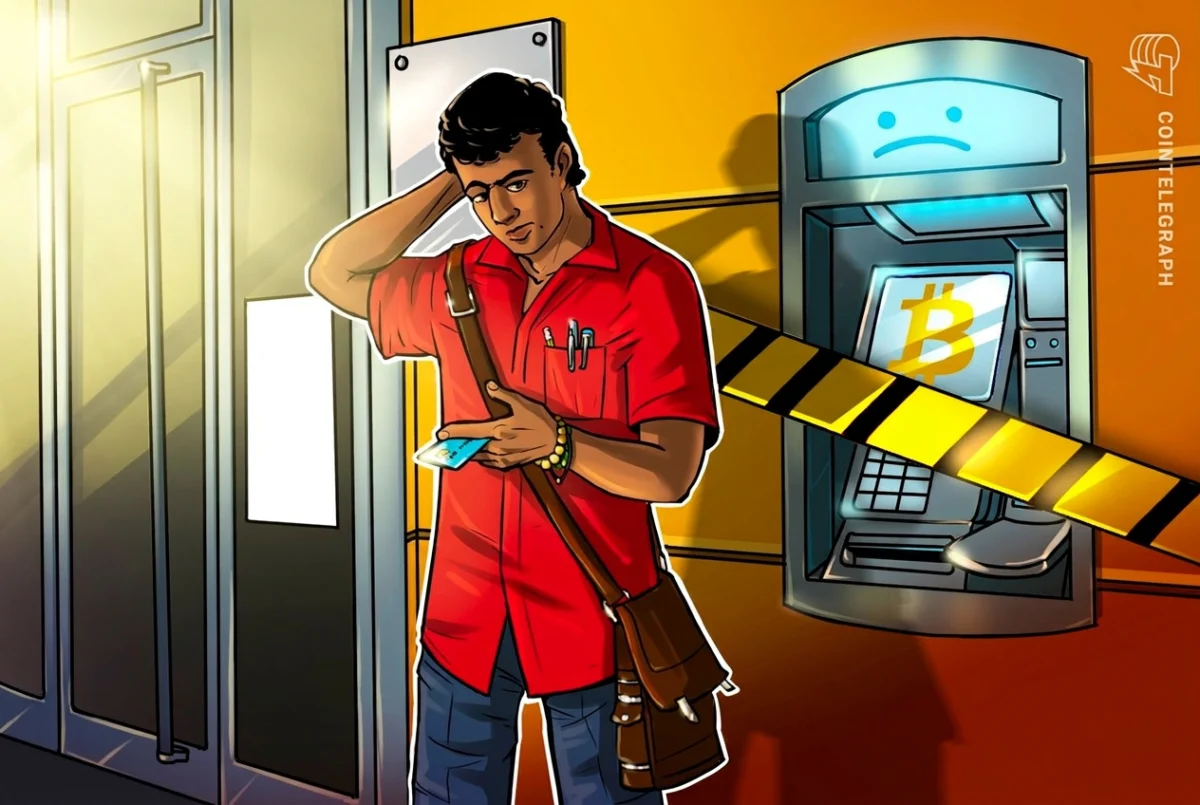
Minnesota has officially implemented a comprehensive ban on virtual currency kiosks, effective August 1, marking a significant legislative step to combat an alarming surge in cryptocurrency-related scams that have disproportionately targeted the state’s senior population. This decisive action follows Governor Tim Walz’s signing of SF 3868 into law in May, making Minnesota one of the leading states to enact such stringent regulations in response to escalating financial fraud. The new law prohibits the installation, operation, maintenance, or availability of these machines statewide, mandating that all existing crypto ATM operators deactivate their units immediately and physically remove them from public view or access by December 31.
The legislative move comes amidst sobering reports from state officials detailing the severe financial toll these scams have exacted on Minnesota residents. The Minnesota Commerce Department revealed that residents had collectively lost approximately $1 million to scams directly tied to crypto ATMs between 2023 and 2025. This figure, while substantial, pales in comparison to the broader impact of cryptocurrency fraud across the state, with the FBI’s Internet Crime Complaint Center (IC3) reporting over $151 million in losses linked to cryptocurrency or crypto wallets in Minnesota during 2025 alone. These schemes, officials emphasized, frequently involve high-pressure tactics where victims are coerced into sending money quickly under false pretenses of emergencies or urgent demands, a method particularly effective against vulnerable populations.
The Rise of Crypto Kiosks and Their Exploitation
Cryptocurrency kiosks, often resembling traditional ATMs, allow users to purchase or sell digital assets like Bitcoin (BTC) and Ethereum (ETH) using cash or debit cards. While initially envisioned as a convenient gateway to the burgeoning world of digital finance, their ease of access, combined with the irreversible nature of cryptocurrency transactions, has made them a prime target for fraudsters. Before the statewide ban took effect, CoinATMRadar data indicated a significant presence of 201 crypto ATMs and kiosks operating across Minnesota, providing numerous potential points of exploitation for scammers.
The mechanics of these scams often follow a similar pattern: a victim receives an unsolicited call, email, or message from someone impersonating a government official (e.g., IRS, Social Security), a utility company representative, a tech support agent, or even a romantic interest (romance scams). The scammer fabricates an urgent situation—unpaid taxes, a compromised bank account, a grandchild in distress, or a romantic partner needing emergency funds—and pressures the victim to make an immediate payment to resolve the fabricated crisis. Crucially, the scammer insists on payment via cryptocurrency, directing the victim to a nearby crypto kiosk. They often provide step-by-step instructions, sometimes even staying on the phone while the victim completes the transaction, thereby circumventing any opportunities for the victim to question the legitimacy of the request or seek advice.
The appeal of crypto kiosks for scammers lies in several key factors. Unlike traditional bank transfers or credit card payments, cryptocurrency transactions are largely irreversible once confirmed on the blockchain, making it nearly impossible for victims to recover their funds. The pseudonymous nature of crypto wallets also complicates efforts by law enforcement to trace and apprehend perpetrators, who are often operating from overseas. Furthermore, the lack of robust Know Your Customer (KYC) and Anti-Money Laundering (AML) checks at some kiosk locations, or the ability of scammers to guide victims through minimal verification processes, further facilitates illicit activities.
A Chronology of Concern and Action in Minnesota
The path to Minnesota’s statewide ban was paved by growing concerns among consumer advocacy groups, financial regulators, and law enforcement over several years, particularly as scam reports linked to crypto ATMs began to escalate.
- Early 2020s: As cryptocurrency gained mainstream attention, the proliferation of crypto kiosks across Minnesota and the nation began. Simultaneously, law enforcement agencies started observing an uptick in fraud cases where victims were directed to these machines.
- 2023-2024: The Minnesota Department of Commerce and other state agencies intensify their monitoring of financial fraud trends. Data collection points to a clear correlation between the presence of crypto kiosks and specific types of scams, particularly those targeting seniors. Public awareness campaigns are initiated, but the losses continue to mount.
- Late 2024 – Early 2025: Discussions begin in the Minnesota Legislature regarding potential regulatory measures. Consumer protection advocates present compelling evidence of financial harm, emphasizing the unique vulnerabilities exploited by crypto ATM scams. The Minnesota Commerce Department’s report on $1 million in losses from crypto ATM scams (covering 2023-2025) provides crucial data for lawmakers.
- May 2025: SF 3868, a bill proposing a total ban on virtual currency kiosks, successfully navigates through the legislative process, gaining bipartisan support. On May 5, Governor Tim Walz signs the bill into law, citing the urgent need to protect Minnesota residents, especially vulnerable seniors, from predatory financial schemes. The law outlines a clear timeline for implementation and enforcement.
- August 1, 2025: The law officially takes effect. Crypto ATM operators are required to immediately cease operations and deactivate their machines.
- December 31, 2025: This marks the final deadline for operators to physically remove all virtual currency kiosks from locations visible or accessible to the public, ensuring a complete eradication of these machines from the state.
This legislative journey reflects a growing recognition among policymakers of the tangible risks associated with unregulated or loosely regulated points of access to cryptocurrency, particularly when combined with sophisticated social engineering tactics employed by fraudsters.
Official Reactions and Supporting Data
The passage and implementation of SF 3868 have been met with strong endorsements from state officials and consumer protection advocates, who view the ban as a critical measure to safeguard the financial well-being of Minnesotans.
Governor Tim Walz, upon signing the bill, reportedly emphasized the state’s commitment to protecting its most vulnerable citizens. While specific direct quotes were not provided in the original context, it can be inferred that the Governor’s office would highlight the law as a necessary defense against financial exploitation, stating that the state "will not tolerate predatory practices that rob Minnesotans of their hard-earned savings." The Governor likely underscored the importance of proactive legislative action to adapt to new forms of financial crime.
The Minnesota Department of Commerce, which has been at the forefront of tracking these losses, has been a vocal proponent of the ban. Department officials likely reiterated their findings that "these schemes disproportionately target seniors," underscoring the urgent need for intervention. They would also emphasize the role of the department in educating the public about evolving scam tactics and the importance of skepticism when faced with urgent financial demands. "Our goal is to create a safer financial environment for all Minnesotans," a department spokesperson might have stated, "and this ban is a crucial step in removing a common tool used by scammers."
Law enforcement agencies, including the FBI and local police departments, have consistently warned the public about the prevalence of cryptocurrency scams. While specific statements directly reacting to Minnesota’s ban were not provided, these agencies would logically welcome the legislation as a significant deterrent. They would likely acknowledge that "removing crypto kiosks eliminates a critical avenue for criminals to facilitate immediate, irreversible theft," while also cautioning that scammers will undoubtedly adapt their methods. Law enforcement continues to advise citizens to report suspicious activity and to be wary of any requests for payment in cryptocurrency or gift cards, particularly when pressured for immediate action.
Nationally, the problem of cryptocurrency scams is even more pervasive. The FBI’s IC3 reports consistently show billions of dollars in losses to crypto-related fraud each year across the United States. For instance, in recent years, IC3 data has indicated that investment scams, many involving cryptocurrency, constitute the highest reported losses, followed by romance scams. Seniors (those over 60) consistently report significant financial losses, often exceeding those of younger demographics, due to their higher average savings and sometimes reduced familiarity with rapidly evolving digital technologies and scam tactics. The Minnesota ban, therefore, aligns with a broader national effort to curb these financially devastating crimes.
Broader Implications and National Trends
Minnesota’s decisive action to ban crypto kiosks is not an isolated event but rather part of a growing national trend among U.S. states to regulate or restrict these machines due to their documented role in facilitating financial fraud. This patchwork of state-level responses highlights a significant gap in federal oversight and signals a collective effort to protect consumers in the absence of comprehensive national guidelines.
- For Minnesota Residents: The immediate implication is a reduction in opportunities for scammers to leverage crypto kiosks as a primary payment method. While this ban will undoubtedly make it harder for fraudsters to direct victims to these specific machines, it is crucial for residents to remain vigilant. Scammers are highly adaptable and will likely pivot to other methods, such as directing victims to purchase cryptocurrency through online exchanges or peer-to-peer platforms, or demanding payment in alternative irreversible forms like gift cards or wire transfers. Therefore, ongoing public education about scam awareness remains paramount.
- For the Cryptocurrency Industry: The Minnesota ban, alongside similar measures in other states, underscores the increasing regulatory scrutiny faced by the cryptocurrency ecosystem, particularly at its "on-ramps" and "off-ramps" where traditional finance meets digital assets. Companies operating crypto kiosks must comply with diverse and often conflicting state regulations, creating an increasingly complex operational environment. This trend could accelerate the shift towards more regulated and centralized cryptocurrency exchanges that typically implement more robust KYC/AML procedures, thereby reducing the anonymity and ease of use that scammers exploit. However, it also highlights a challenge for legitimate crypto businesses seeking to offer accessible services while navigating a fragmented regulatory landscape.
- For Law Enforcement: The removal of crypto kiosks from Minnesota is a win for law enforcement in combating certain types of financial fraud, as it eliminates a specific, high-risk conduit for illicit funds. However, the inherent challenges of prosecuting cryptocurrency-related crimes—such as cross-border jurisdiction, the pseudonymous nature of transactions, and the rapid evolution of scam tactics—will persist. Law enforcement agencies will need to continue investing in digital forensics capabilities and international cooperation to effectively pursue these criminals.
- For Other States and Federal Policy: Minnesota joins states like Tennessee, which implemented a total ban on crypto ATMs on July 1. Other states, such as Georgia, have enacted laws requiring transaction limits and other restrictions. Delaware and New Jersey lawmakers have advanced bills proposing similar measures. This growing trend suggests a potential for a nationwide wave of restrictions or outright bans on crypto kiosks. The varying approaches at the state level also raise questions about the need for a unified federal regulatory framework to address cryptocurrency fraud comprehensively, ensuring consistent consumer protections across the country and preventing criminals from simply relocating their operations to less regulated jurisdictions.
The action taken by Minnesota is a powerful testament to the state’s commitment to consumer protection in the face of evolving financial threats. While addressing a specific vector for fraud, it also serves as a stark reminder of the broader challenges in safeguarding individuals in the rapidly changing digital financial landscape. The battle against sophisticated scammers is ongoing, requiring continuous vigilance, education, and adaptive legislative responses from all stakeholders.