Tari Putri Malika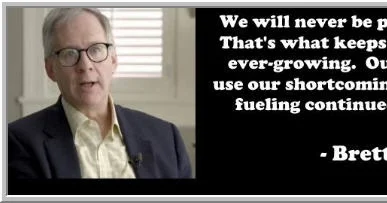
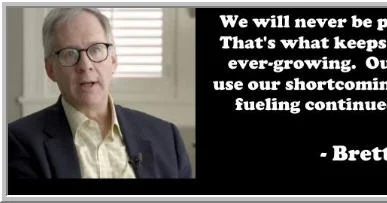
The landscape of modern financial trading has undergone a significant transformation, shifting from a pure focus on technical analysis and market mechanics toward a deep integration of behavioral science and performance psychology. Dr. Brett Steenbarger, a prominent clinical psychologist and trading coach, has been at the forefront of this evolution, advocating for the application of evidence-based psychological techniques to improve trader productivity, leadership, and overall quality of life. The emergence of the "self-coaching" model marks a pivotal moment in the industry, where traders are increasingly expected to manage their own cognitive processes and emotional states with the same rigor they apply to their portfolios. This movement emphasizes that the path to professional excellence in the markets is inextricably linked to personal evolution and the systematic leveraging of individual personality strengths.
The Shift Toward Evidence-Based Performance Psychology
Historically, the psychological aspect of trading was often relegated to anecdotal advice or motivational speaking. However, the contemporary approach, as championed by figures like Steenbarger, relies on "solution-focused" and evidence-based methodologies. These techniques are derived from clinical practices such as Cognitive Behavioral Therapy (CBT) and Brief Psychotherapy, which prioritize measurable outcomes and actionable strategies over long-term retrospective analysis.
The core of the solution-focused approach in a high-stakes environment like a trading floor is the identification of what works. Rather than obsessing over failures or "trading errors," this methodology encourages practitioners to analyze their periods of peak performance. By understanding the cognitive and interpersonal conditions that exist during successful periods, traders can replicate those conditions. This shift from a deficit-based model (fixing what is wrong) to a strength-based model (amplifying what is right) has become a standard best practice in elite proprietary trading firms and hedge funds globally.
Chronology of the Psychological Integration in Finance
The integration of psychology into the financial sector has followed a distinct timeline over the last four decades. In the 1980s and 1990s, the field of Behavioral Finance began to gain academic traction, led by the work of Daniel Kahneman and Amos Tversky. Their research into cognitive biases, such as loss aversion and the framing effect, provided the scientific foundation for understanding why market participants often act irrationally.
By the early 2000s, the focus shifted from academic theory to practical application. It was during this period that Dr. Steenbarger published The Psychology of Trading (2003), which bridged the gap between clinical psychology and active market participation. This was followed by a series of influential works, including The Daily Trading Coach (2009), which introduced the concept that traders could utilize self-directed psychological exercises to improve their performance without the constant presence of a professional therapist.
In the 2010s, the rise of "Brief Psychotherapy" techniques became more prevalent in the corporate and financial sectors. Steenbarger’s work, including his contributions to The Science of the Brief Psychotherapies, highlighted how time-limited, goal-oriented psychological interventions could produce rapid results in high-pressure environments. Today, the field has expanded to include the study of "neuro-finance," utilizing biometric data—such as heart rate variability and sleep patterns—to optimize the decision-making processes of institutional traders.
Supporting Data: The Impact of Psychological Resilience on Performance
Data from various studies on trader performance suggest that psychological factors are often the primary differentiator between successful professionals and those who fail to remain in the industry. According to industry statistics, approximately 80% to 95% of retail traders fail within their first two years. While lack of capital and poor strategy are factors, longitudinal studies of institutional traders suggest that "emotional regulation" is the strongest predictor of long-term profitability.
Research into the "Sharpe Ratio" (a measure of risk-adjusted return) of traders who undergo psychological coaching versus those who do not has shown that coached individuals tend to exhibit lower "drawdown" periods. This is attributed to a higher degree of discipline in adhering to risk management protocols during periods of market volatility. Furthermore, data regarding "cognitive load" suggests that traders who practice mindfulness and evidence-based stress reduction techniques maintain higher levels of focus during the final hours of the trading session, a period where many un-coached traders experience "decision fatigue" and commit costly errors.

The Mechanics of the Solution-Focused Approach
The solution-focused approach mentioned in Steenbarger’s work operates on the premise that "the solution is not necessarily related to the problem." In a trading context, a trader struggling with "revenge trading" (the urge to immediately win back lost capital) might not find the answer by analyzing their childhood relationship with money. Instead, they find the solution by examining the days when they accepted a loss gracefully and moved on.
Key components of this methodology include:
- Strength Identification: Utilizing personality assessments to determine if a trader is naturally more suited for high-frequency scalping or long-term trend following.
- Exception Finding: Identifying specific instances where the trader successfully navigated a difficult market and deconstructing the mental state present at that time.
- Scaling Questions: On a scale of 1 to 10, assessing how confident or disciplined a trader feels before a session, and determining what small steps are needed to move from a 6 to a 7.
- The Miracle Question: A goal-setting technique that asks the trader to visualize their process if all current psychological barriers were removed, providing a blueprint for ideal behavior.
Professional Reactions and Institutional Adoption
The adoption of these psychological frameworks has seen widespread acceptance among top-tier financial institutions. Portfolio managers at major hedge funds now frequently consult with performance coaches to refine their hiring best practices and teamwork dynamics. The focus has moved beyond the individual to "team-based psychology," where the goal is to reduce "groupthink" and foster a culture of creative idea generation.
Industry leaders have noted that the "hiring best practices" derived from these psychological models have significantly reduced turnover rates. By screening for "conscientiousness" and "emotional stability"—two of the "Big Five" personality traits—firms can identify candidates who are more likely to survive the rigors of the market.
Furthermore, the emphasis on work-life balance is no longer seen as a "soft" metric but as a vital component of risk management. A fatigued or burnt-out trader is viewed as a liability. Institutions are increasingly providing resources for "personal evolution," recognizing that a trader’s performance is a reflection of their overall mental and physical health.
Broader Impact and Implications for the Future
The implications of the self-coaching model extend far beyond the trading desk. As the "gig economy" and remote work continue to grow, the ability to be one’s own coach is becoming a necessary skill for professionals across all high-performance sectors, including software engineering, medicine, and entrepreneurship.
The democratization of these resources—through platforms like "TraderFeed" and accessible literature—has leveled the playing field for retail participants. Access to the same psychological tools used by Goldman Sachs or Point72 allows individual traders to develop a professional-grade mental framework.
Looking forward, the integration of Artificial Intelligence (AI) and psychology is expected to be the next frontier. AI-driven "nudge" systems are already being developed to alert traders when their behavioral patterns suggest they are entering a state of "tilt" or overconfidence. However, as Dr. Steenbarger’s philosophy suggests, technology is merely a supplement to the human element. The ultimate goal remains the same: becoming "who we already are when we are at our best."
In conclusion, the professionalization of trading psychology represents a move toward a more holistic and scientific understanding of financial performance. By leveraging individual strengths and employing evidence-based techniques, traders are no longer at the mercy of their impulses. Instead, they are evolving into disciplined professionals who view the market as a laboratory for both financial gain and personal development. The synergy between work and life, once viewed as a conflict, is now recognized as the essential engine of sustainable success in the world’s most competitive arenas.