Lina Wu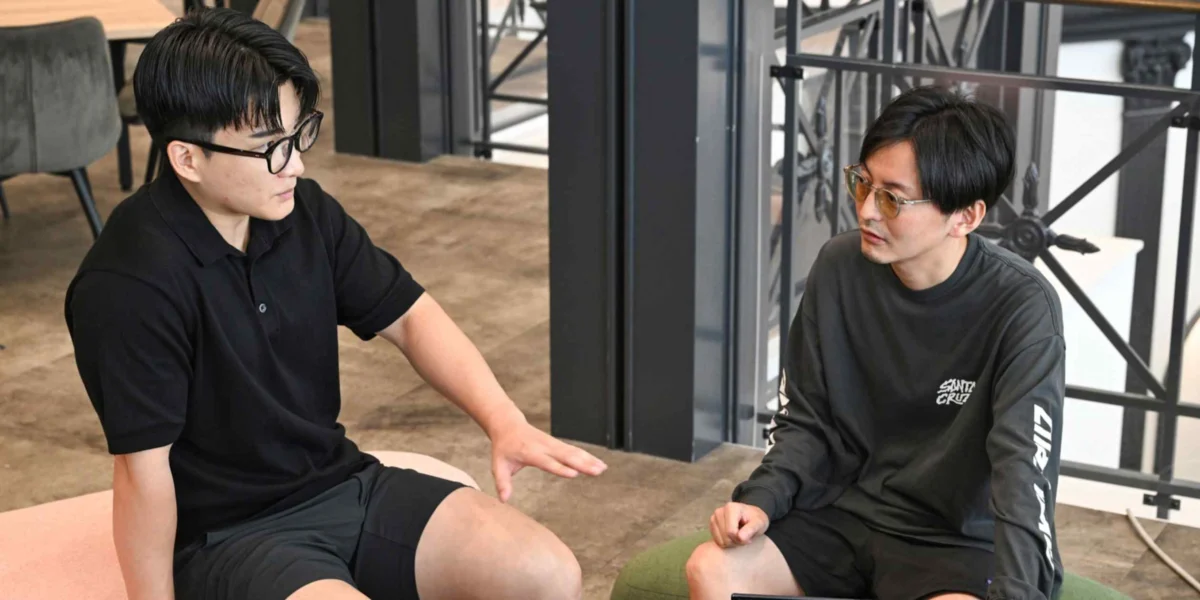
Shorts designed for business settings are becoming more popular as Japan’s summers continue to get hotter, and apparel maker Sanyo Shokai has seen remarkable success with its recent offerings, exceeding its sales target by a significant 20 percent. This surge in demand underscores a shifting sartorial landscape in Japanese workplaces, driven by increasingly sweltering summers and a growing acceptance of more relaxed dress codes. The trend signals a broader evolution in how Japanese professionals approach workwear, prioritizing comfort and practicality without sacrificing a sense of decorum.

The Rise of the Business Short: A Market Response to Climate and Culture
The phenomenon of business shorts gaining traction is not a sudden fad but a response to palpable environmental changes and evolving workplace norms. Japan’s summers have been consistently growing hotter, with record-breaking temperatures becoming more frequent. This has created a practical necessity for lighter, more breathable attire, even in traditionally formal office environments. Sanyo Shokai’s success is a testament to their astute market analysis and ability to deliver a product that meets this emerging need.
While the precise sales figures for Sanyo Shokai’s business casual shorts are not publicly disclosed beyond the 20% overshoot of their internal goal, the implication is substantial. This achievement suggests that the company has successfully tapped into a nascent but growing market segment. Industry analysts suggest that this success could embolden other apparel manufacturers to explore similar product lines, potentially leading to increased competition and further innovation in the business casual sector. The company’s strategic focus on a specific niche within the broader apparel market appears to have paid off handsomely, indicating a potential blueprint for future product development in the industry.

The initial sales goal, while not revealed, was clearly set with a degree of conservatism, reflecting the traditional apprehension surrounding shorts in formal Japanese business settings. The fact that this conservative target was surpassed by such a wide margin highlights the pent-up demand and the surprisingly rapid shift in consumer preference. This suggests that the market was perhaps more ready for such an offering than even Sanyo Shokai anticipated, a welcome surprise for the apparel maker.
A Strategic Pivot: Sanyo Shokai’s Approach to Business Casual
Sanyo Shokai, a well-established name in the Japanese apparel industry, has demonstrated a keen ability to adapt to changing consumer demands. While historically known for its more traditional offerings, the company has increasingly diversified its product lines to cater to contemporary lifestyles. The introduction of business casual shorts represents a calculated move to capitalize on the intersection of emerging fashion trends and practical considerations.

The company’s strategy likely involved extensive market research to understand the specific requirements of business shorts. This would have included factors such as appropriate fabric choices (breathable, wrinkle-resistant materials), acceptable lengths and silhouettes (avoiding overly casual styles), and the inclusion of features suitable for a professional environment (e.g., pockets for essentials, a more structured waistband). The success of their venture indicates that they have effectively navigated these considerations, producing shorts that are both stylish and office-appropriate.
Furthermore, Sanyo Shokai’s marketing efforts likely played a crucial role. By positioning these shorts as a sophisticated and comfortable alternative for warmer months, they have managed to overcome potential cultural barriers associated with wearing shorts in professional settings. The emphasis on "business casual" rather than simply "shorts" would have been key to this positioning, signaling that these are not everyday leisurewear but a deliberate choice for the modern professional.

Broader Implications for the Japanese Workplace and Apparel Market
The growing acceptance of business shorts has wider implications for the Japanese workplace and the broader apparel industry.
Shifting Workplace Norms and Dress Codes
This trend reflects a gradual loosening of rigid corporate dress codes in Japan, particularly in sectors where client-facing interactions are less frequent or where a more progressive work environment is fostered. Companies are increasingly recognizing the link between employee comfort and productivity. As summers become more challenging to navigate in traditional attire, allowing for more relaxed options like business shorts can significantly improve employee well-being and focus.

The COVID-19 pandemic also played a role in normalizing more casual attire, as remote work arrangements led to a re-evaluation of what constitutes appropriate work clothing. While many offices are returning to in-person work, the lessons learned about comfort and flexibility are likely to persist. The success of Sanyo Shokai’s shorts can be seen as a catalyst, encouraging other businesses to review and potentially update their dress code policies to better accommodate the realities of a warming climate and evolving employee expectations.
A Boon for the Apparel Industry
For apparel manufacturers, this trend opens up a new and potentially lucrative market segment. Companies that can successfully design and market stylish, comfortable, and office-appropriate shorts are likely to see significant growth. This could lead to a diversification of offerings beyond traditional suits and formal wear, with a greater emphasis on versatile pieces that can transition from the office to casual settings.

The success of Sanyo Shokai serves as a case study for other brands. It demonstrates that by understanding consumer needs and adapting to societal shifts, even traditional companies can achieve remarkable growth in unexpected areas. The market for business casual wear is likely to expand further, pushing innovation in fabric technology, design, and sustainable production methods.
Environmental Considerations
The increased adoption of lighter clothing like shorts in the summer months also has a subtle but positive environmental implication. By reducing the reliance on air conditioning in office buildings to combat extreme heat, the energy consumption of workplaces could potentially decrease. While this is a secondary effect, it aligns with the growing global awareness of sustainability and the need for businesses to reduce their carbon footprint.

The Timeline of a Trend: From Niche to Mainstream
The journey of business shorts from a fringe idea to a recognized market segment has been gradual, accelerated by recent climatic shifts.
- Early 2010s: The concept of "cool biz" (short for "cool business") was introduced in Japan, encouraging government employees to wear lighter clothing and adjust air conditioning settings to save energy during summer. This laid some groundwork for accepting less formal attire in professional settings, though shorts remained largely out of bounds for most private sector offices.
- Mid-to-late 2010s: As summers continued to break temperature records, discussions about expanding "cool biz" principles to the private sector gained momentum. Some forward-thinking companies began to relax their dress codes, and niche apparel brands started experimenting with more professional-looking shorts.
- Early 2020s: The COVID-19 pandemic significantly altered perceptions of work attire. The widespread adoption of remote work normalized more casual clothing, and the lingering effects of this shift have continued to influence office dress codes. Simultaneously, the intensity of summer heatwaves in Japan has become more pronounced, making traditional office wear increasingly uncomfortable.
- 2024-2026: This period has seen a marked increase in the visibility and acceptance of business casual shorts. Apparel companies like Sanyo Shokai have responded with dedicated product lines, and their recent sales success indicates a strong consumer uptake. Media coverage of this trend has also increased, further legitimizing business shorts as a viable office option.
The success of Sanyo Shokai’s business casual shorts is a clear indicator that the market is responding positively to products that offer a blend of comfort, style, and practicality. As Japan continues to grapple with rising temperatures and evolving workplace expectations, the demand for such attire is likely to remain robust, presenting ongoing opportunities for innovative apparel brands. The company’s ability to not only meet but significantly exceed its sales targets suggests a profound shift in consumer preferences and a promising future for the business casual segment in Japan. The ripple effects of this trend will undoubtedly be felt across the Japanese fashion and corporate landscapes for years to come.