Ena Muazin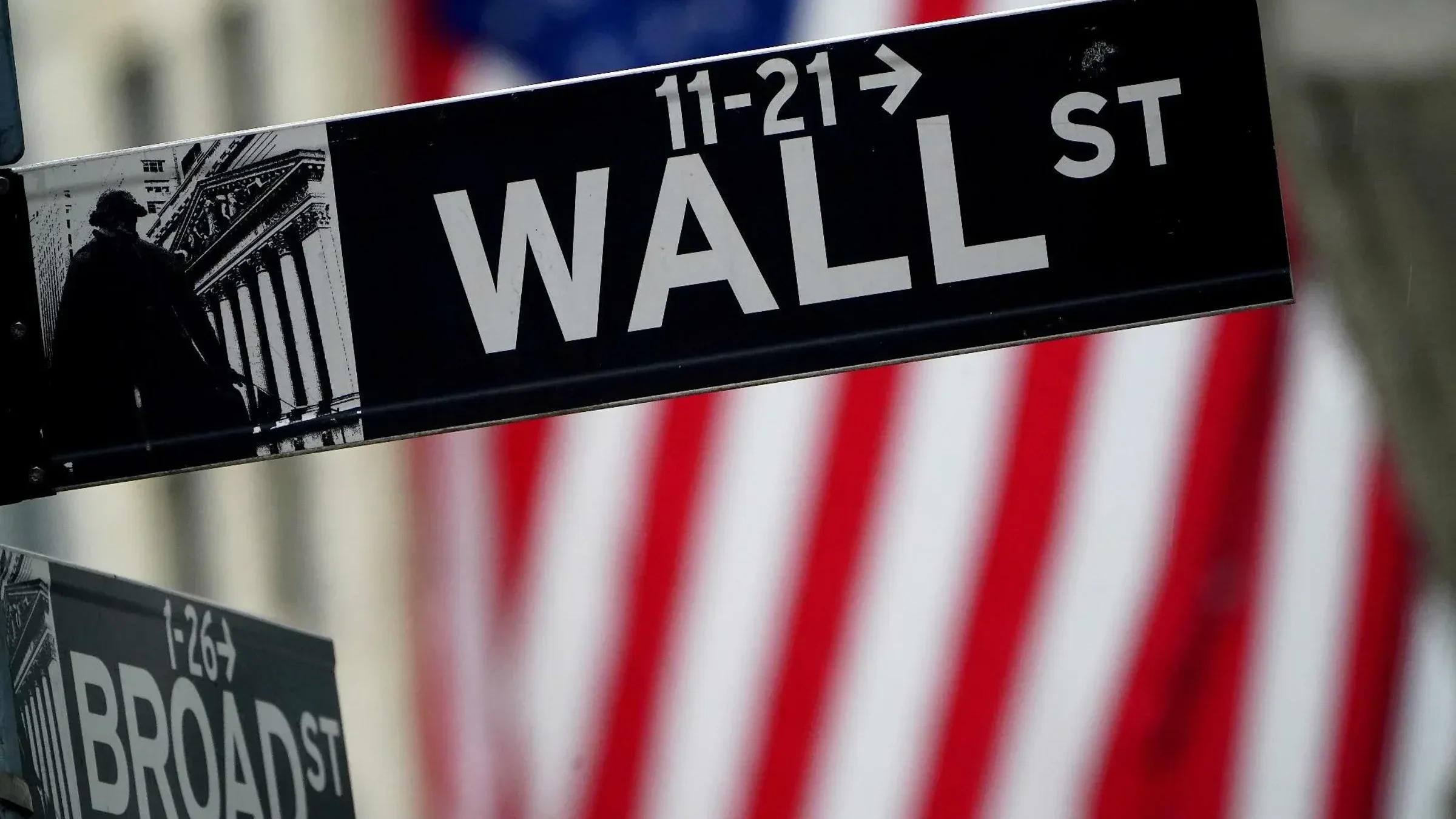
Düsseldorf. The mood on the US stock markets on Friday exhibited a cautious optimism, with major indices opening with minimal changes before the Dow Jones and S&P 500 ultimately managed to eke out small gains by the close of the trading week. This delicate balance on Wall Street unfolded against the backdrop of a significant development in international trade policy: the United States implemented new tariffs on goods from nearly all of its major trading partners.
The Dawn of a New Tariff Day
Thomas Altmann, a portfolio manager at QC Markets, succinctly characterized the dominant theme of the trading day as "It’s tariff day again." This sentiment underscored the immediate impact of the U.S. government’s decision to impose new duties, a move that coincided with the expiration of a preceding, albeit different, set of tariffs. The new measures, affecting a broad spectrum of nations, signaled a notable shift in the ongoing trade landscape.
Rationale Behind the Tariffs: Enforcement of Labor Standards
The administration of President Donald Trump justified the imposition of these new tariffs, ranging from ten to 12.5 percent, on goods originating from 60 countries by citing what it deemed an insufficient implementation of bans on forced labor. This justification, presented as a means to uphold ethical labor practices, cast a wide net, impacting significant economic blocs, including the European Union and China, as well as numerous other nations. The German economy, in particular, reacted with a mixture of incomprehension and criticism, decrying what it described as an increasingly impenetrable "tariff jungle."
Timeline of Escalating Trade Tensions
The imposition of these new tariffs did not emerge in a vacuum. It represents a continuation and, in some respects, an escalation of a trade policy approach that has been evolving over the past several years. Since early 2018, the Trump administration has progressively utilized tariffs as a primary tool in its trade negotiations, targeting a range of countries and industries.
- Early 2018: The administration initiated broad tariffs on steel and aluminum imports, citing national security concerns. This move immediately drew criticism and retaliatory measures from several key trading partners, including the European Union and Canada.
- Mid-2018: Tariffs were significantly expanded to cover a vast array of goods imported from China. This marked the beginning of a more direct trade conflict between the two largest economies in the world, leading to a tit-for-tat imposition of duties on hundreds of billions of dollars worth of goods.
- Throughout 2019: The trade dispute with China continued to evolve, with both sides periodically announcing new tariffs or adjustments to existing ones. Negotiations were ongoing but often fraught with setbacks and a lack of decisive progress. Other countries also faced targeted tariffs or the threat thereof, as the U.S. sought to renegotiate trade agreements it deemed unfair.
- Late 2019/Early 2020: The focus shifted towards enforcing existing trade restrictions and addressing specific compliance issues, such as the enforcement of prohibitions on forced labor. This culminated in the recent wave of tariffs impacting a wider range of countries and goods, as detailed in the initial report.
Economic and Diplomatic Repercussions
The rationale provided for the latest round of tariffs – the alleged inadequate enforcement of forced labor bans – has been met with skepticism by some international observers and trading partners. While the United States has expressed concerns about the use of forced labor in various global supply chains, the broad application of these new tariffs has raised questions about their primary motivation and their potential to disrupt global trade patterns beyond the stated objective.
The European Union, a significant trading partner affected by these measures, has consistently advocated for multilateral approaches to trade disputes and has expressed concerns about unilateral tariff impositions. German industry associations have voiced strong opposition, arguing that such broad-based tariffs create uncertainty and hinder economic activity. They have called for a more predictable and rules-based international trading system, emphasizing that a complex web of tariffs makes it increasingly difficult for businesses to plan and operate effectively.
China, a primary target of previous U.S. trade actions, has also been impacted by these new duties. While its response has been tempered by ongoing trade negotiations, the imposition of additional tariffs adds another layer of complexity to the already strained trade relationship. The Chinese government has consistently denied allegations of widespread forced labor and has accused the U.S. of using trade as a political weapon.
Market Reaction: A Measured Response
Despite the significant nature of the new tariff impositions, Altmann suggested that the immediate impact on stock markets might be limited. He reasoned, "Since these are not additional burdens for existing U.S. trading partners [referring to the nature of the enforcement action rather than new tariffs on existing trade flows], the new tariffs are unlikely to trigger major movements on the stock markets." This perspective suggests that the market may have already priced in a certain level of trade-related uncertainty, or that the specific nature of these tariffs, focused on enforcement rather than broad new trade barriers on established goods, is perceived as less disruptive than previous, more sweeping measures.
However, the long-term implications of such policies remain a subject of careful observation. While immediate market reactions can be muted, sustained periods of trade friction and uncertainty can have a cumulative effect on business investment, consumer confidence, and global economic growth. The interconnectedness of the global economy means that actions taken by one major economic power can have ripple effects far beyond its immediate trading partners.
Data and Analysis of Potential Impacts
The scale of the new tariffs, impacting goods from 60 countries, represents a significant expansion of trade restrictions. While specific figures for the value of goods affected by this particular announcement were not immediately available in the initial reporting, previous rounds of U.S. tariffs have involved hundreds of billions of dollars in trade. For instance, the tariffs imposed on Chinese goods in 2018 and 2019 collectively covered well over $300 billion in imports.
The stated rationale of enforcing bans on forced labor brings to light a broader global concern. Reports from various international organizations, including the International Labour Organization (ILO) and human rights groups, have highlighted instances of forced labor in several countries. The U.S. has previously taken action against imports suspected of being produced with forced labor, but the scope of this latest measure suggests a more systematic and widespread approach.
The economic analysis of tariffs is complex. While proponents argue that tariffs can protect domestic industries and generate revenue, critics contend that they can lead to higher prices for consumers, reduced consumer choice, retaliatory tariffs from other countries, and disruptions to supply chains. The "tariff jungle" described by German industry representatives points to the increasing complexity and unpredictability that businesses face when navigating international trade under such conditions.
Broader Implications for Global Trade Governance
The recent U.S. tariff actions underscore a broader trend of rising protectionism and a questioning of established multilateral trade frameworks. The World Trade Organization (WTO), the primary international body governing global trade, has faced challenges in resolving trade disputes and adapting to new forms of trade barriers. The increasing reliance on unilateral measures, such as tariffs, by major economies can undermine the effectiveness of the WTO and lead to a more fragmented and less predictable global trading system.
For businesses operating in a globalized economy, the current trade environment presents significant challenges. Companies must constantly assess and adapt to changing trade policies, potential disruptions to their supply chains, and the risk of increased costs. This uncertainty can stifle long-term investment and innovation, potentially impacting economic growth on a global scale.
The stated objective of combating forced labor is a laudable one, and international cooperation is essential to address this critical human rights issue. However, the method by which this objective is pursued, through broad-based tariffs, raises questions about its efficacy and its unintended consequences. A more collaborative and targeted approach, working through international bodies and focusing on specific cases and supply chains, might offer a more effective and less disruptive path to achieving this important goal.
As the trading week concluded with a degree of market resilience, the underlying tensions in global trade policy remain. The U.S. administration’s continued use of tariffs as a policy tool, even when framed around specific enforcement objectives, signals an ongoing commitment to its trade agenda. The reactions from trading partners, including the European Union and China, suggest a complex diplomatic and economic landscape that will continue to evolve. The long-term impact on global trade, investment, and economic stability will depend on how these trade disputes are managed and whether a path towards greater predictability and cooperation can be found. The "tariff day" of Friday was a reminder of the significant influence that trade policy wields on the global economic stage, and its implications will continue to be closely watched by markets and policymakers alike.