Lina Wu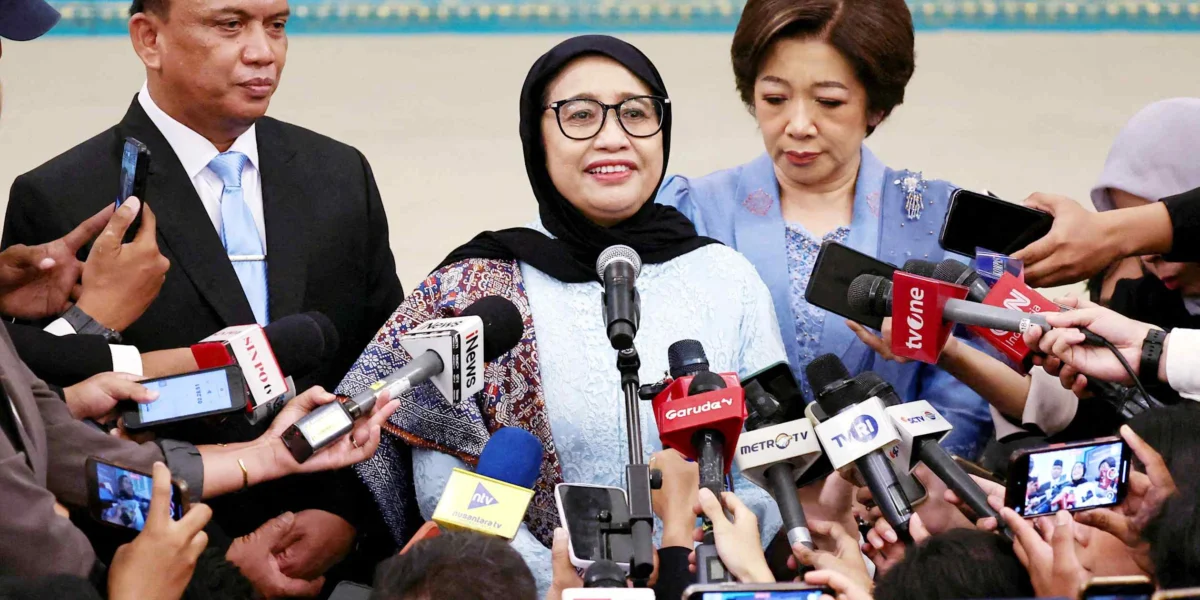
BALIKPAPAN, Indonesia — Nanik Deyang, the newly appointed head of Indonesia’s National Nutrition Agency, tendered her resignation on Wednesday, July 22, 2026, a mere six weeks after assuming leadership of the agency tasked with implementing President Prabowo Subianto’s ambitious and signature free meal program. This unexpected departure injects further instability into an organization already grappling with a significant budget reduction and the recent indictment of her predecessor on corruption charges, casting a shadow over the future of a policy central to the president’s agenda and widely watched by the nation.
The abrupt resignation of Deyang, who was appointed to the crucial role on June 10, 2026, within President Subianto’s first few months in office, raises critical questions about the operational capacity and political backing of the National Nutrition Agency (NNA). Her tenure, though brief, was intended to steer the implementation of the "Prabowo’s Nutritious Meals for All" initiative, a cornerstone of his presidential campaign promises aimed at tackling stunting and improving overall public health, particularly among children and pregnant women. The program’s ambitious scope involves providing daily nutritious meals to an estimated 80 million schoolchildren across the archipelago, a logistical and financial undertaking of unprecedented scale for Indonesia.
A Tumultuous Start for the Free Meal Program
The "Prabowo’s Nutritious Meals for All" program, officially launched in early May 2026, was met with considerable fanfare and high expectations. President Subianto, who campaigned on a platform of improving the welfare of ordinary Indonesians, positioned the free meal initiative as a direct manifestation of his commitment to eradicating hunger and malnutrition. The program’s stated goals include a significant reduction in the national stunting rate, which stood at approximately 21.2% in 2023 according to the Indonesian Ministry of Health, and boosting the cognitive development and overall health of the nation’s youth.
However, the implementation of this flagship policy has been far from smooth. Just weeks after Deyang’s appointment, the NNA, and by extension the free meal program, faced a substantial budget cut. While specific figures were not immediately released, sources within the Ministry of Finance indicated a reduction of at least 15% from the initially allocated budget for the NNA’s operational expenses and program implementation. This recalibration was attributed to broader fiscal consolidation efforts by the government to manage an increasing national debt. The cut immediately raised concerns about the program’s sustainability and its ability to reach its ambitious targets.
Compounding these financial challenges, the former head of the NNA, Budi Santoso, was arrested on July 5, 2026, on charges of alleged embezzlement and corruption related to the procurement of food supplies for a pilot phase of the free meal program. Santoso, who had led the agency for nearly two years prior to the full program rollout, maintained his innocence, but the ongoing investigation and the specter of graft significantly eroded public trust and internal morale within the NNA. His arrest created a leadership vacuum that Deyang was appointed to fill, tasked with restoring confidence and ensuring the program’s effective delivery.
Chronology of Key Events
- October 2024: President Prabowo Subianto’s presidential campaign features the "Nutritious Meals for All" program as a central policy plank.
- February 2025: Prabowo Subianto wins the presidential election.
- May 2025: The "Prabowo’s Nutritious Meals for All" program is officially launched, with initial phases focusing on pilot regions and preparation for nationwide rollout.
- June 2025 – April 2026: Budi Santoso leads the National Nutrition Agency, overseeing the initial planning and procurement for the program.
- July 5, 2026: Budi Santoso, former head of the NNA, is arrested and charged with corruption related to program funds.
- June 10, 2026: Nanik Deyang is appointed as the new head of the National Nutrition Agency, tasked with overseeing the nationwide implementation of the free meal program.
- Late June – Early July 2026: Reports emerge of significant budget cuts impacting the NNA’s operational capacity.
- July 22, 2026: Nanik Deyang submits her resignation as head of the National Nutrition Agency.
Supporting Data and Program Scope
The "Prabowo’s Nutritious Meals for All" program is designed to be one of the most extensive social welfare initiatives in Indonesia’s recent history. Its operational framework involves:
- Target Beneficiaries: Approximately 80 million schoolchildren nationwide, along with an estimated 2 million pregnant women and young children (under five years old) in high-stunting risk areas.
- Program Components: Daily provision of a balanced, nutritious meal, incorporating locally sourced ingredients, with a focus on protein, vitamins, and minerals. The menu is designed by nutritionists to meet specific dietary requirements for different age groups.
- Estimated Annual Cost: Initial projections by the Ministry of Finance indicated an annual budget requirement of approximately Rp 70 trillion (around USD 4.7 billion) for full implementation. The recent budget cuts have necessitated a re-evaluation of this figure, with potential implications for the quality or quantity of meals provided.
- Logistical Network: The program relies on a vast network of suppliers, food preparers (often local community members or small businesses), and distribution channels, extending to remote villages and islands across the 34 provinces. This requires robust supply chain management and quality control mechanisms.
- Stunting Reduction Target: The government has set an ambitious target of reducing the national stunting rate to below 15% by 2029, with the free meal program being a critical pillar in achieving this goal. Current data suggests a slow but steady decline, with the program aiming to accelerate this trend.
Official Responses and Inferred Reactions
As of Wednesday evening, no official statement had been released by the Presidential Palace or the Ministry of Health regarding Nanik Deyang’s resignation. However, the silence is notable, underscoring the sensitivity of the situation. Sources close to the Ministry of Social Affairs, which works in conjunction with the NNA on welfare programs, expressed "deep concern" about the leadership instability. "This is a critical juncture for a program that holds so much promise for the nation’s future generations," an unnamed official stated. "We had hoped for a period of stable leadership to address the challenges and ensure smooth implementation."
The opposition parties, which had voiced skepticism about the program’s financial viability and logistical feasibility during the election campaign, were quick to seize on Deyang’s resignation. A spokesperson for the largest opposition bloc, the "Prosperous Indonesia Alliance," issued a statement calling for an immediate parliamentary inquiry into the NNA’s management and the future of the free meal initiative. "The repeated leadership changes and the ongoing corruption scandal are symptomatic of a poorly planned and inadequately resourced program," the statement read. "The government must provide clear answers to the public about how taxpayer money is being managed and whether the promised benefits will ever materialize."
While President Subianto has consistently championed the free meal program, his administration has yet to publicly address the NNA’s recent turmoil. Analysts suggest that the President’s office is likely engaged in internal discussions to identify a suitable replacement for Deyang and to reassess the program’s strategic direction in light of the budget constraints and the corruption allegations. The choice of the next NNA head will be crucial in determining the program’s trajectory and its ability to regain public trust.
Broader Impact and Implications
Nanik Deyang’s resignation is more than just a personnel change; it signifies a potential crisis of confidence in one of President Subianto’s most prominent policy initiatives. The program’s success is intrinsically linked to his administration’s credibility and its ability to deliver tangible improvements in the lives of ordinary Indonesians. The ongoing leadership vacuum at the NNA, coupled with the budget cuts and the corruption scandal, creates a trifecta of challenges that could derail the program’s objectives.
The implications are far-reaching:
- Child Nutrition and Development: A faltering free meal program could lead to continued high rates of stunting and malnutrition among children, impacting their long-term cognitive and physical development. This could have lasting consequences for Indonesia’s human capital and economic productivity.
- Public Trust: The repeated setbacks could erode public trust in the government’s ability to manage large-scale social programs effectively. This could translate into lower public support for the administration and increased skepticism towards future welfare initiatives.
- Economic Impact: The program’s reliance on local procurement and community participation has the potential to stimulate local economies. However, instability and reduced funding could jeopardize these economic benefits for small businesses and food producers.
- Political Capital: President Subianto’s political capital is heavily invested in the success of this program. Any significant failure could undermine his image as a capable leader and a champion of the people, potentially impacting his approval ratings and his party’s standing in future elections.
The coming weeks will be critical for President Subianto and his administration. They must act swiftly to appoint a credible leader to the National Nutrition Agency, address the budget concerns transparently, and demonstrate a firm commitment to combating corruption. The future of "Prabowo’s Nutritious Meals for All," and indeed a significant aspect of the President’s legacy, hinges on their ability to navigate this complex and challenging period.